

Commentary
Much has been said of the changes Brussels is trying to make to the EU enlargement process. Here’s why gradual integration might—or might not—be the answer.
Dimitar Bechev
{
  "authors": [
    "Eugenio Diaz-Bonilla",
    "Rashid S. Kaukab"
  ],
  "type": "other",
  "centerAffiliationAll": "",
  "centers": [
    "Carnegie Endowment for International Peace"
  ],
  "collections": [],
  "englishNewsletterAll": "",
  "nonEnglishNewsletterAll": "",
  "primaryCenter": "Carnegie Endowment for International Peace",
  "programAffiliation": "",
  "programs": [],
  "projects": [],
  "regions": [],
  "topics": [
    "Economy",
    "Trade"
  ]
}
REQUIRED IMAGE
Source: Carnegie
A diverse group of development and trade liberalization advocates agree that reduction of agricultural protection and subsidization in the world's wealthy countries is necessary to strengthen both international growth opportunities and the global trade regime. According to the consensus reached among participants attending a conference cosponsored by the Carnegie Endowment for International Peace and the Cordell Hull Institute, WTO Doha Round negotiations on agriculture should compel policy change in industrialized countries to limit trade-distorting domestic subsidies for agricultural products, lower tariffs, increase market access, and eliminate export subsidies. In response to temporary hardships caused by an overall reduction in agriculture support, governments should have the flexibility to adopt temporary or limited domestic, and perhaps international, compensatory policies. Significant differences in perspective and policy prescriptions were expressed by conference participants about the appropriate speed and scope of agricultural liberalization in developing countries, especially if progress is not made toward reduced support for agriculture in developed countries.
Click on link above for full text of this TED Policy Brief.
About the Authors
David Orden is Professor of Agricultural and Applied Economics at Virginia Polytechnic Institute and State University in Blacksburg, Virginia. Rashid S. Kaukab is Director of the Trade Unit at the South Centre in Geneva, Switzerland. Eugenio Diaz-Bonilla is Senior Research Fellow at the International Food Policy Research Institute in Washington, D.C.
Eugenio Diaz-Bonilla
Rashid S. Kaukab

Much has been said of the changes Brussels is trying to make to the EU enlargement process. Here’s why gradual integration might—or might not—be the answer.

Dimitar Bechev
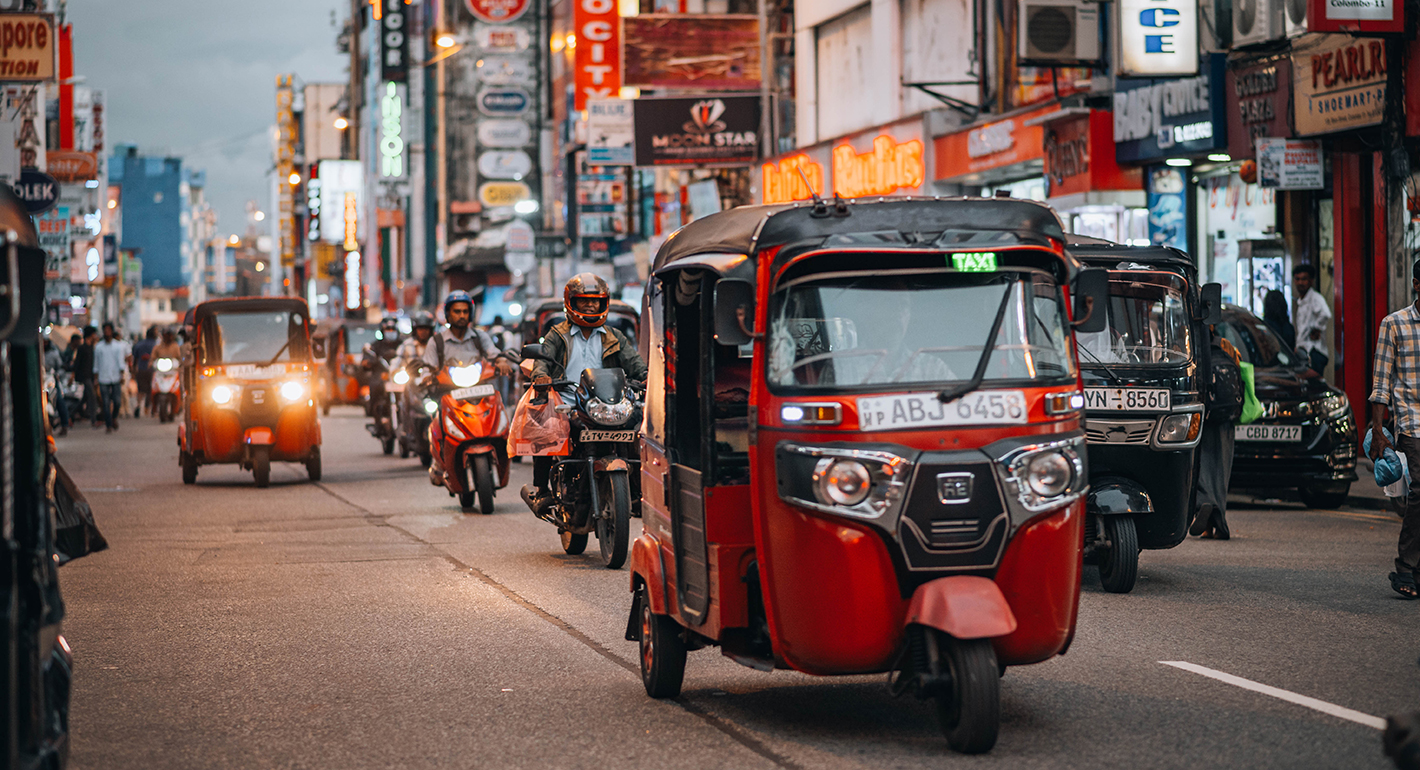
Economic recovery has brought Sri Lanka a modicum of stability, but domestic strains and great-power rivalry could test how long it lasts.
Avinash Paliwal
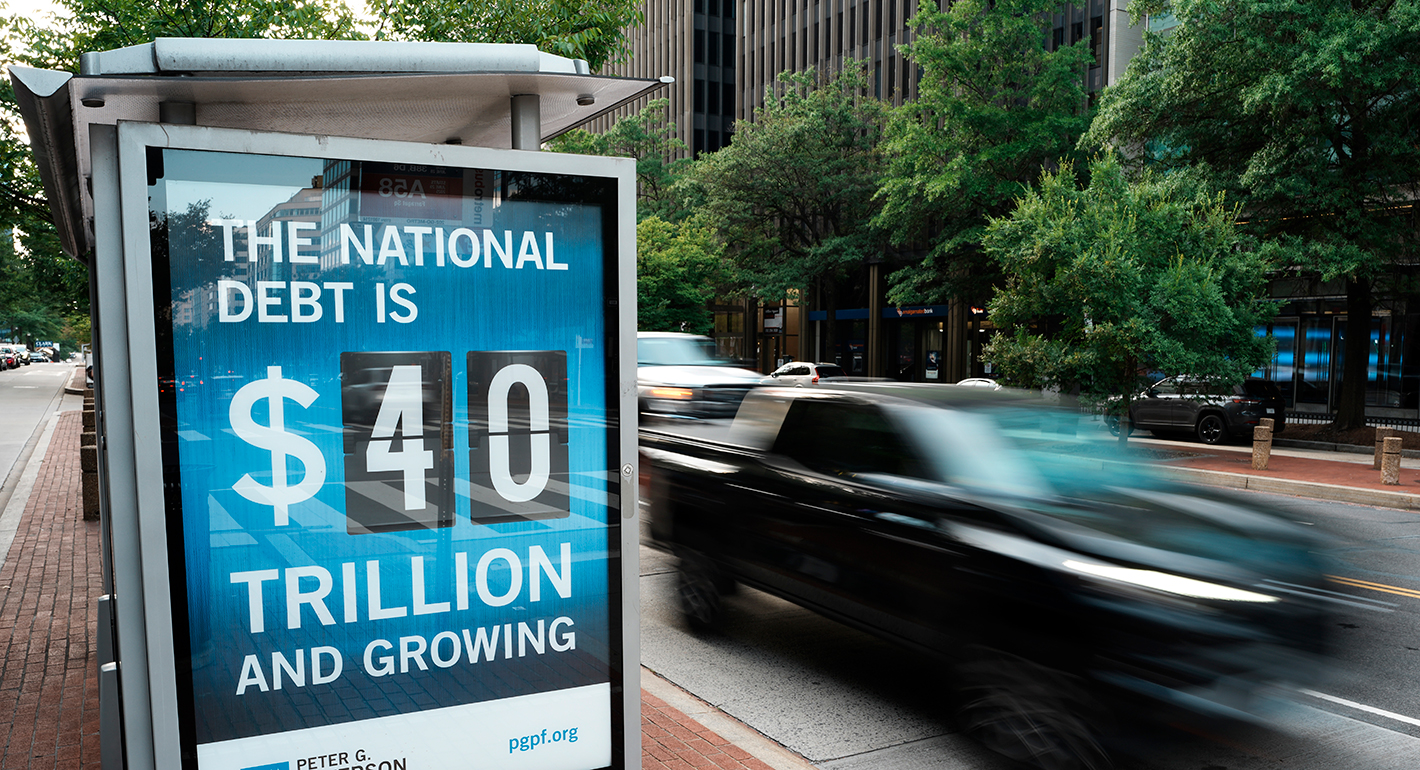
Policy proposals on sovereign debt must both match the scale of the challenge and be implementable within existing political constraints.
David McNair

For every ruble allocated to social policy, health, and education in 2027, double that amount is earmarked for the army, the police, and the security services.

Alexandra Prokopenko

The European Commissioner for Trade is headed to China. But after President Xi’s bridge-building visit to Washington, can a more isolated EU overcome Beijing’s stranglehold on critical raw materials? Who will blink first?

Rym Momtaz, ed.