

Report
Mr. Husain Haqqani, Ashley J. Tellis
{
  "authors": [
    "Husain Haqqani"
  ],
  "type": "legacyinthemedia",
  "centerAffiliationAll": "dc",
  "centers": [
    "Carnegie Endowment for International Peace"
  ],
  "collections": [],
  "englishNewsletterAll": "ctw",
  "nonEnglishNewsletterAll": "",
  "primaryCenter": "Carnegie Endowment for International Peace",
  "programAffiliation": "SAP",
  "programs": [
    "South Asia"
  ],
  "projects": [],
  "regions": [
    "South Asia",
    "Pakistan"
  ],
  "topics": [
    "Security"
  ]
}
REQUIRED IMAGE
Just as the 9/11 terrorist attacks highlighted Saudi Arabia's responsibility in encouraging Islamist extremism, the July 7 bombings in London must lead to scrutiny of Pakistan's role in fomenting global jihad. Three of the four London bombers were Britons of Pakistani origin and had visited Pakistan recently. The Pakistan connection to the bombings is as significant as the nationality of the 9/11 attackers, fourteen of whom were Saudi nationals.
Source: International Herald Tribune
Just as the 9/11 terrorist attacks highlighted Saudi Arabia's responsibility in encouraging Islamist extremism, the July 7 bombings in London must lead to scrutiny of Pakistan's role in fomenting global jihad. Three of the four London bombers were Britons of Pakistani origin and had visited Pakistan recently. The Pakistan connection to the bombings is as significant as the nationality of the 9/11 attackers, fourteen of whom were Saudi nationals. Pakistan's pro-Western ruler, General Pervez Musharraf, has responded to the London attacks by ordering a crackdown on extremist groups. Pakistan's suave diplomats, Western-educated technocrats and articulate generals will be busy over the next few days highlighting their government's cooperation in the war against terrorism since Musharraf abandoned support for Afghanistan's Taliban regime in 2001. There is no doubt that Musharraf has selectively cooperated with Western governments since 9/11, and Pakistan has made some high-profile Al Qaeda arrests. But Pakistan has yet to acknowledge, let alone deal with, the ideology of hatred and militancy that has been cultivated as state policy for over four decades. Some of Pakistan's religious schools, the madrassas, are no longer just bastions of medieval theology. They have evolved into training centers for radical anti-Western militancy. Pakistan's school curriculum cultivates the sentiment of Muslim victimhood and inculcates in young minds the hatred of non-Muslims in general and Jews and Hindus in particular. When it emerged as an independent state in 1947, Pakistan was considered a moderate Muslim nation that could serve as a model for other emerging independent Muslim states. Pakistan's founder, Muhammad Ali Jinnah, was a Shia Muslim. Its first law minister was a Hindu. Its foreign minister belonged to the Ahmadiyya sect, which opposes jihad. Although Pakistan's birth was accompanied by religious riots and communal violence, the country's founders clearly intended to create a nonsectarian state that would protect religious freedoms and provide the Muslims of South Asia an opportunity to live in a country where they constituted a majority. Over the years, however, Pakistan became a major center of Islamist extremism. The Ahmadis were declared non-Muslims through an amendment to Pakistan's constitution during the 1970s. Shia-Sunni sectarian violence has plagued the country since the 1980s. Religious minorities, like Hindus and Christians, complain of discrimination and have periodically been subjected to violent attacks by extremists. The disproportionate influence wielded by fundamentalist groups in Pakistan is the result of state sponsorship of such groups. Pakistan's rulers have played upon religious sentiment as an instrument of strengthening Pakistan's identity since soon after the country's inception. Fears of Indian domination were addressed by embracing an Islamist ideology. Islamist militants were cultivated, armed and trained during the 1980s and 1990s in the Pakistani military's efforts to seek strategic depth in Afghanistan and to put pressure on India for negotiations over the future of the Himalayan territory of Jammu and Kashmir. In an effort to justify the ascendancy of the military in the country's affairs, a national ethos of militarism was created. An environment dominated by Islamist and militarist ideologies is an ideal breeding ground for radicals and exportable radicalism: In their search for identity, British-born Pakistanis, like the July 7 bombers, have been drawn into the whirlpool of their parents' homeland. The United States and other Western nations have put their faith in the promises of Musharraf's military to move Pakistan away from its Islamist radical past and toward "enlightened moderation." But the London attacks point out the deep-rooted problems there. The major Kashmiri jihadist groups retain their infrastructure because the Pakistani military has not decided to give up the option of battling India at a future date. The Taliban have also continued to find safe haven in parts of Pakistan. Afghan and American officials complain periodically of their still training and organizing in Pakistan's border areas. But American officials also continue to express the belief that Pakistan has turned the corner and that Musharraf must be trusted as an American ally. Western policy makers would rather see Pakistan's glass as half full rather than half empty. This approach distracts Pakistan's rulers, and their Western supporters, from recognizing the depth of Pakistan's problem with Islamist extremism.
Former Visiting Scholar
Recent Work
Mr. Husain Haqqani, Ashley J. Tellis
Mr. Husain Haqqani
Carnegie does not take institutional positions on public policy issues; the views represented herein are those of the author(s) and do not necessarily reflect the views of Carnegie, its staff, or its trustees.
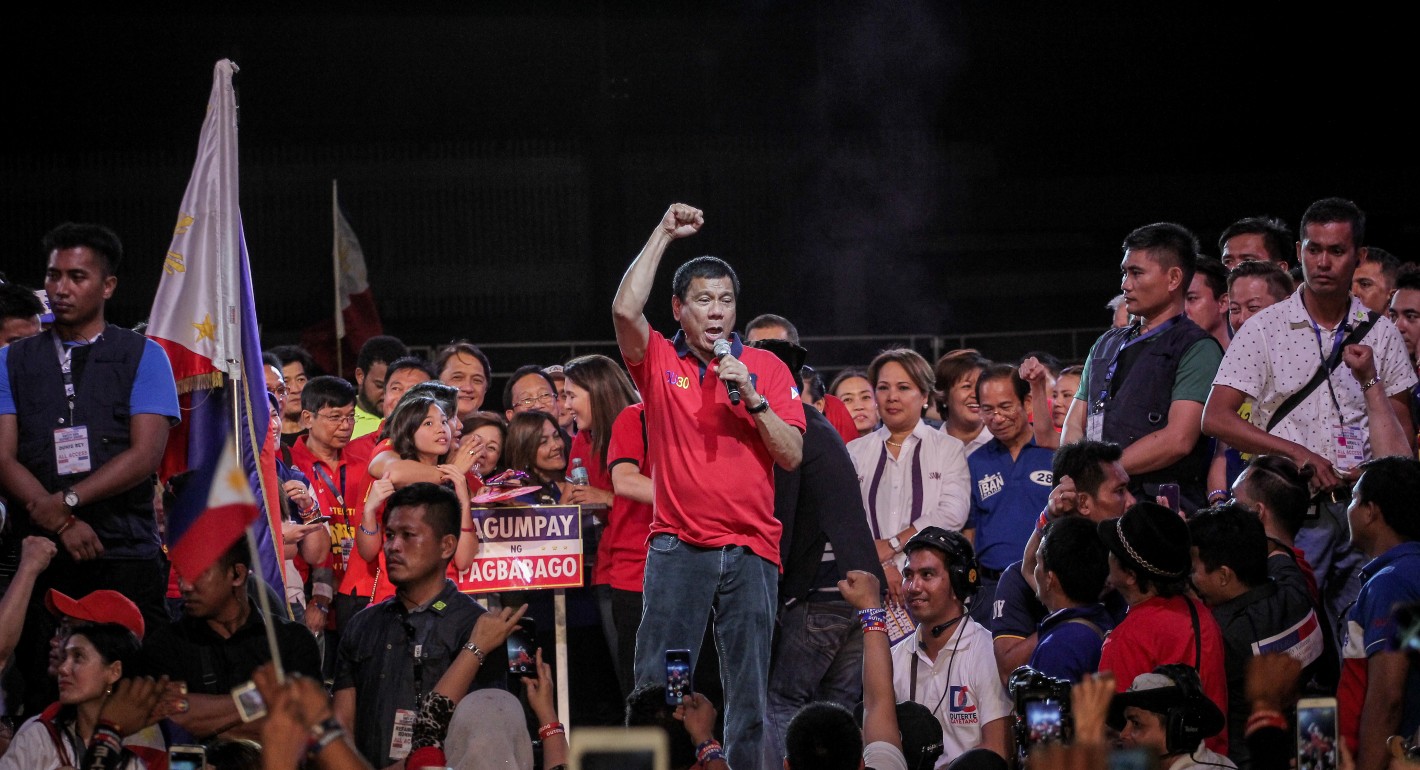
In the Philippines, Duterte-era discourse emphasizing sovereignty, anti-Western skepticism, and strongman diplomacy mirrors tenets of populist foreign policy around the world.
Aries A. Arugay

After four years of war, there is no one who can stand up to the security establishment, and President Vladimir Putin is increasingly passive.

Tatiana Stanovaya
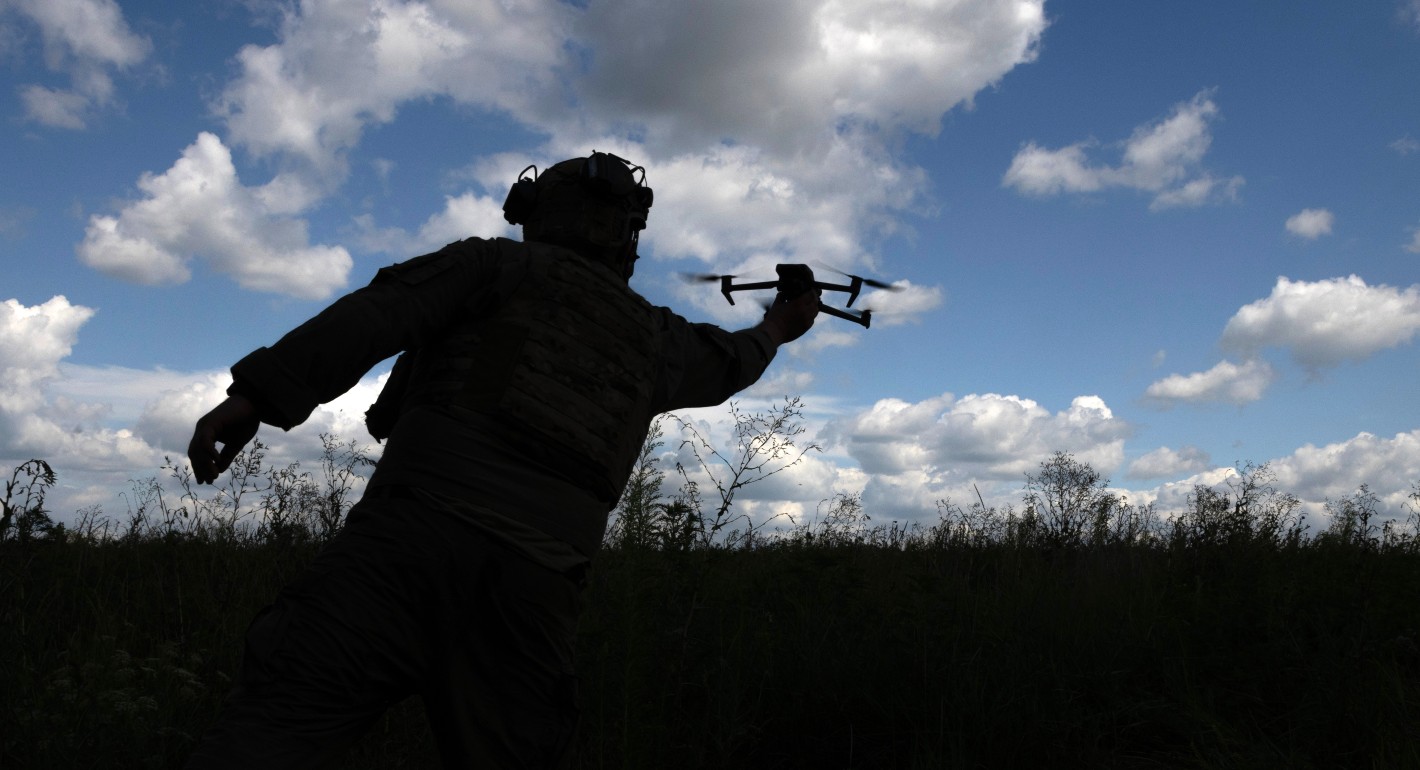
How Ukraine is driving doctrinal change in modern warfare.

Andriy Zagorodnyuk
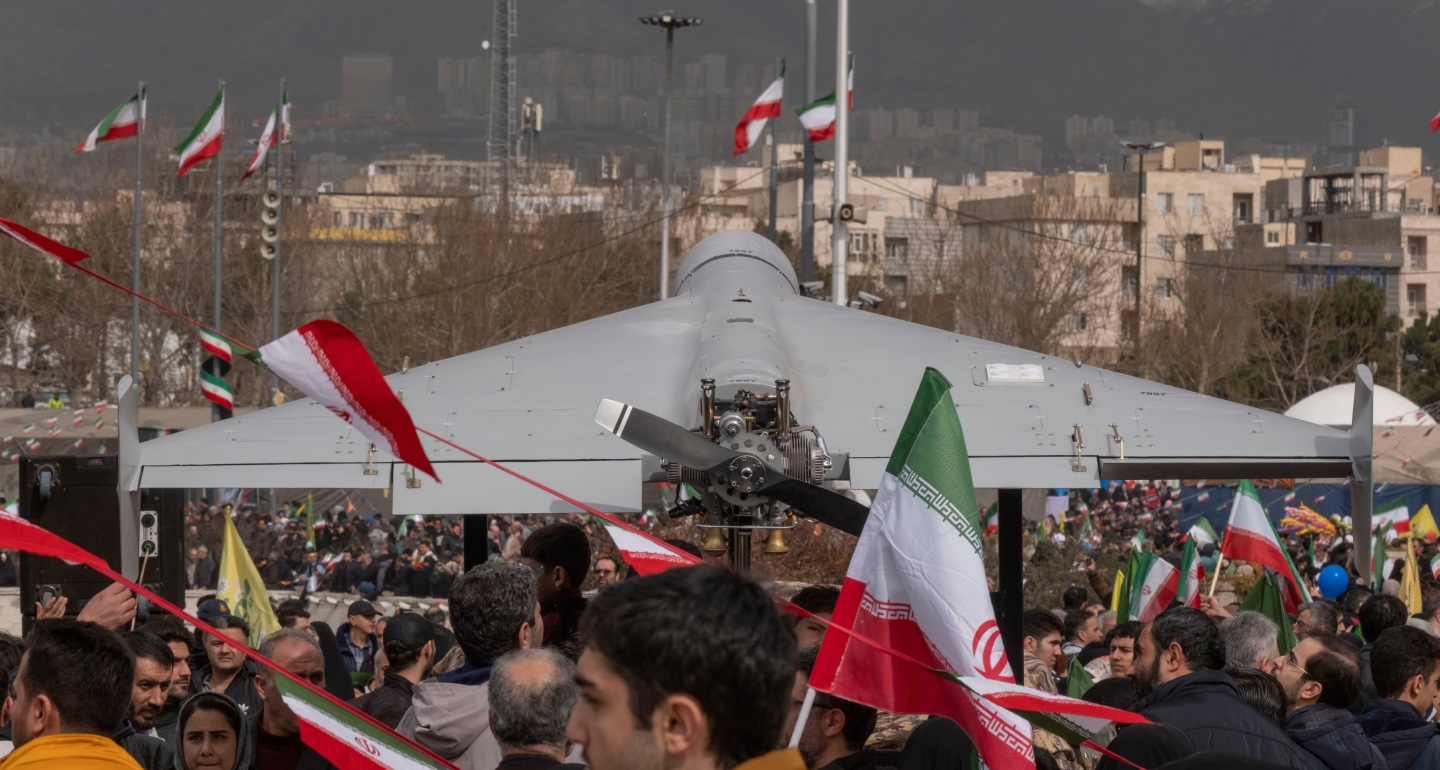
The Russian leadership wants to avoid a dangerous precedent in which it is squeezed out of Iran by the United States and Israel—and left powerless to respond in any meaningful way.

Nikita Smagin
One is hopeful. One is realistic. One is cautionary.

Andrew Leber, Sam Worby