

Paper
Ashley J. Tellis
{
  "authors": [
    "Ashley J. Tellis"
  ],
  "type": "legacyinthemedia",
  "centerAffiliationAll": "dc",
  "centers": [
    "Carnegie Endowment for International Peace"
  ],
  "collections": [],
  "englishNewsletterAll": "ctw",
  "nonEnglishNewsletterAll": "",
  "primaryCenter": "Carnegie Endowment for International Peace",
  "programAffiliation": "SAP",
  "programs": [
    "South Asia"
  ],
  "projects": [],
  "regions": [
    "North America",
    "United States",
    "South Asia",
    "India"
  ],
  "topics": [
    "Nuclear Policy"
  ]
}
Source: Getty
Missile defenses have come to reflect both an example of, and a means toward, the steady improvement in U.S.-Indian ties occurring in recent years. A deepening bilateral relationship has become part of New Delhi's larger solution to increasing India's capacity to defeat those threats requiring active defenses in the future.
Source: International Security

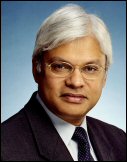
In International Security article, “The Evolution of U.S.-Indian Ties: Missile Defense in an Emerging Strategic Relationship,” Carnegie Senior Associate, Ashley J. Tellis argues that what is fascinating about this evolution is the manner in which missile defenses have come to reflect both an example of, and a means toward, the steady improvement in U.S.-Indian ties occurring in recent years. This, in turn, implies that a deepening bilateral relationship has become part of New Delhi's larger solution to increasing India's capacity to defeat those threats requiring active defenses in the future.
Click here for the full text of the article (Subscription Required).
Former Senior Fellow
Ashley J. Tellis was a senior fellow at the Carnegie Endowment for International Peace.
Recent Work
Ashley J. Tellis
Ashley J. Tellis
Carnegie does not take institutional positions on public policy issues; the views represented herein are those of the author(s) and do not necessarily reflect the views of Carnegie, its staff, or its trustees.
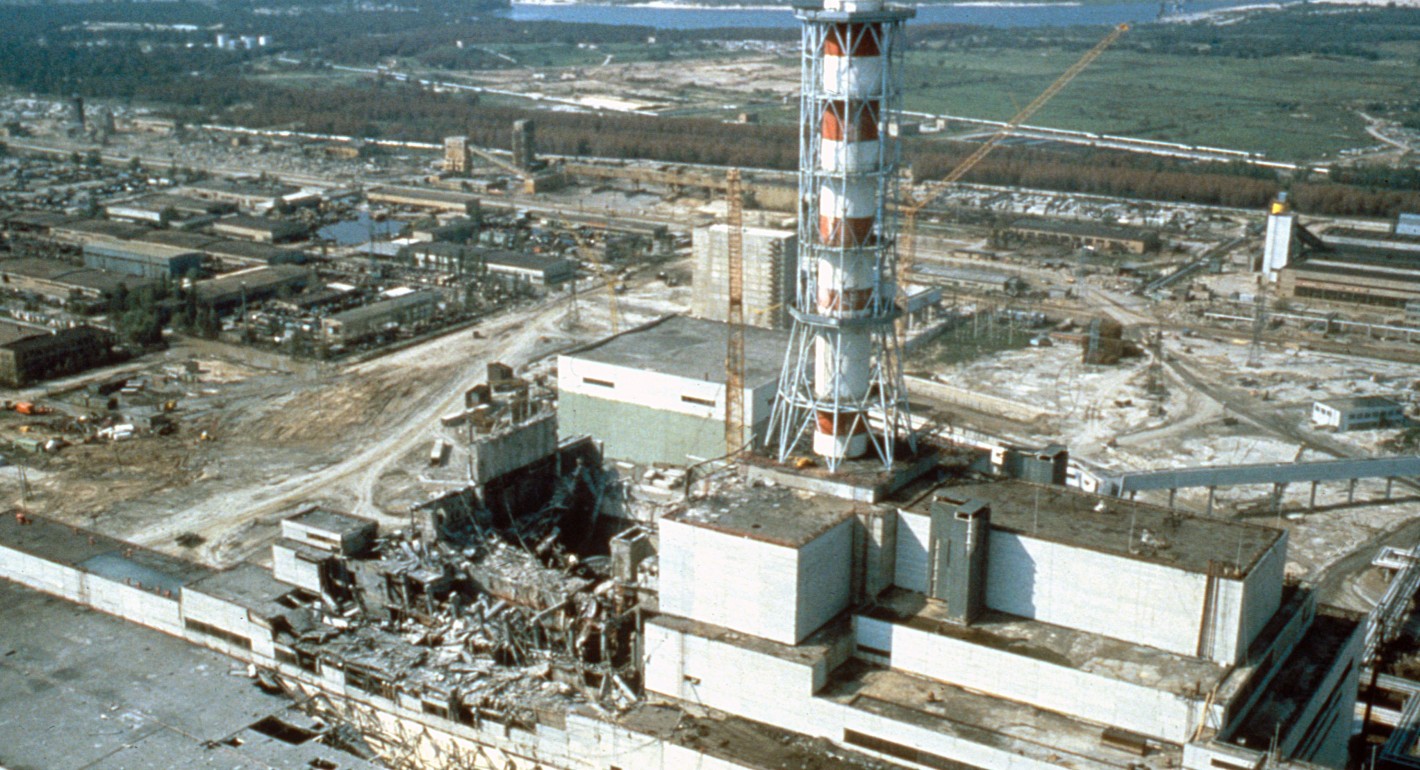
The 1986 incident showed that a nuclear accident anytime is a nuclear accident for all time.
Corey Hinderstein

In its version of an AI middle power strategy, Seoul is pursuing alignment with the United States not as an endpoint but as a strategy to build industrial and geopolitical leverage. Whether this balance holds remains an open question.

Darcie Draudt-Véjares, Seungjoo Lee
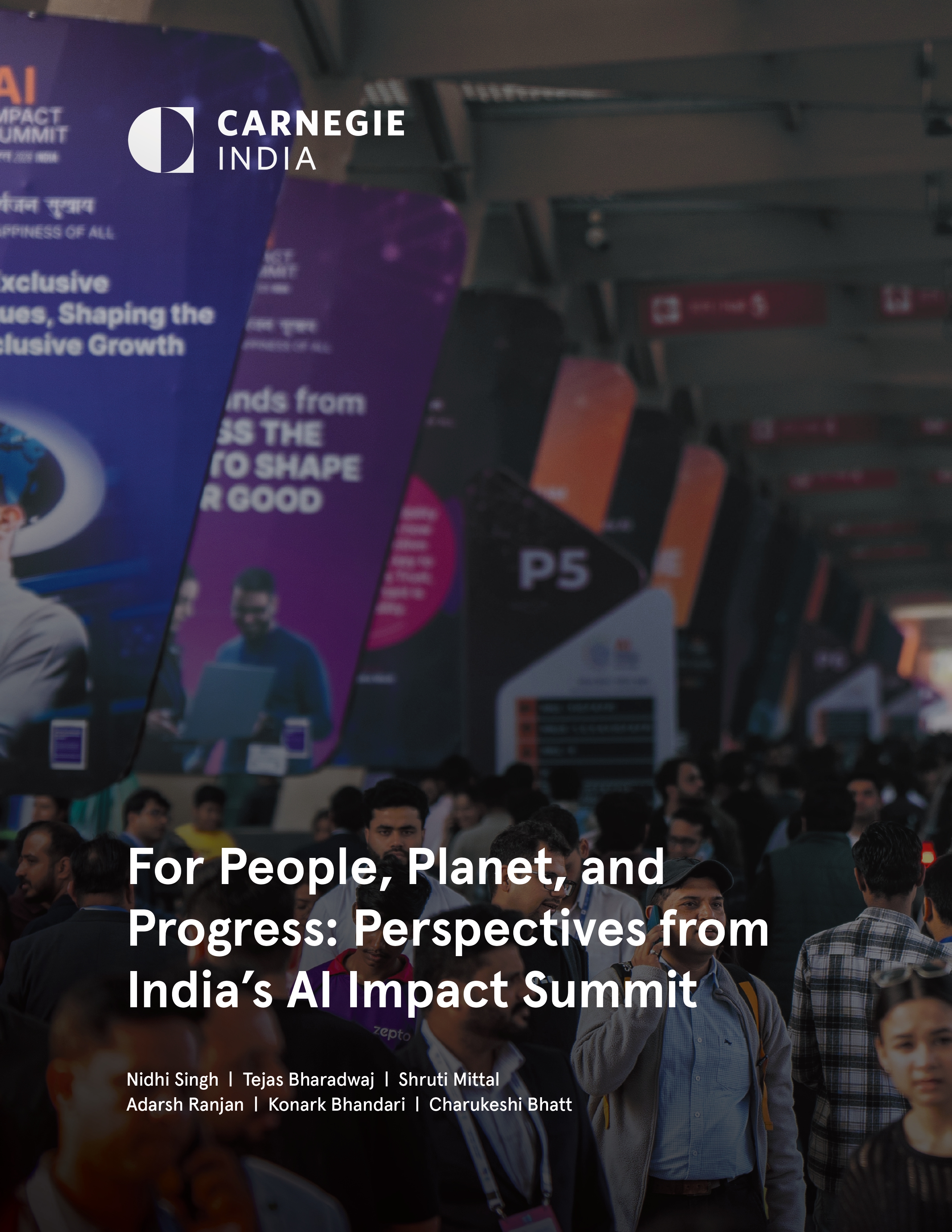
This collection of essays by scholars from Carnegie India’s Technology and Society program traces the evolution of the AI summit series and examines India’s framing around the three sutras of people, planet, and progress. Scholars have catalogued and assessed the concrete deliverables that emerged and assessed what the precedent of a Global South country hosting means for the future of the multilateral conversation.


Nidhi Singh, Tejas Bharadwaj, Shruti Mittal, …
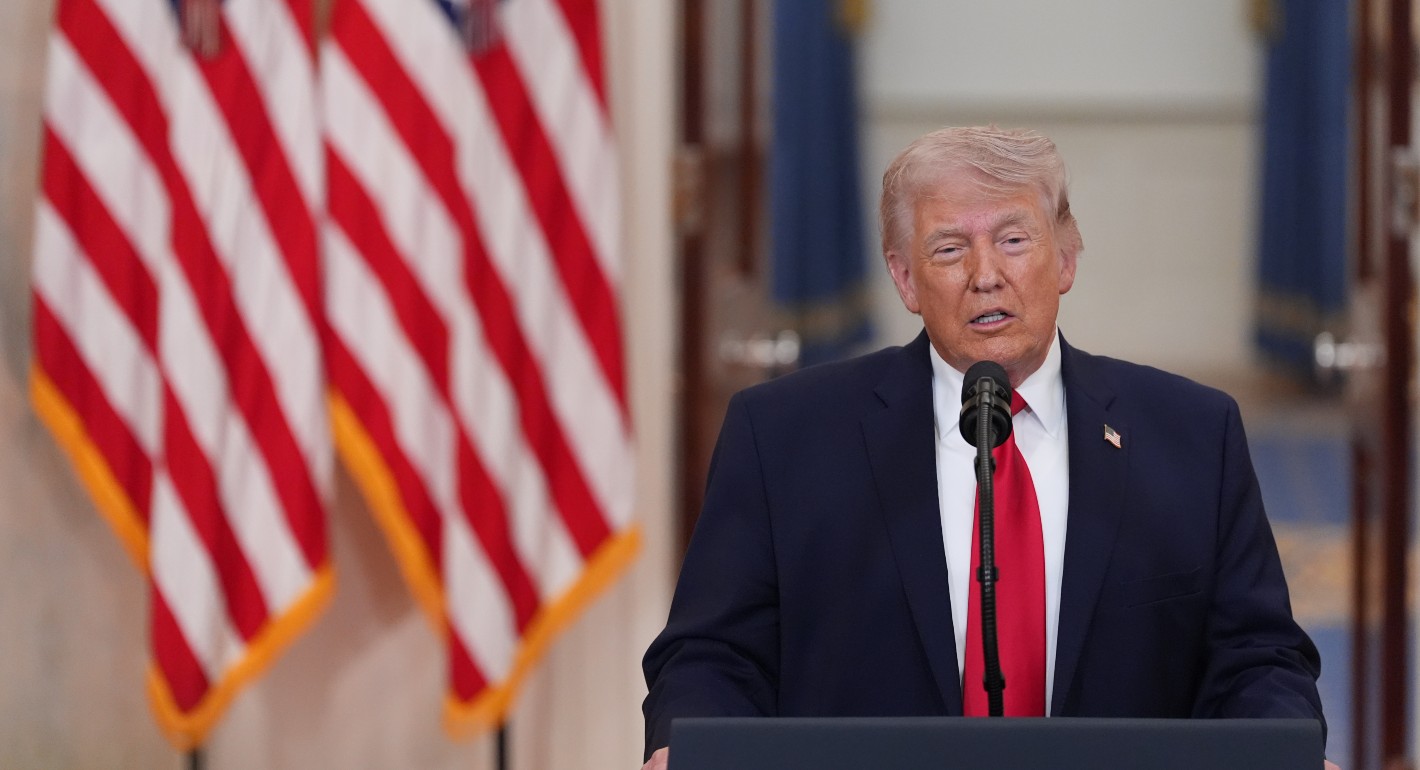
If Washington cannot adapt to the ongoing transformations of a multipolar world, its superiority will become a liability.

Amr Hamzawy
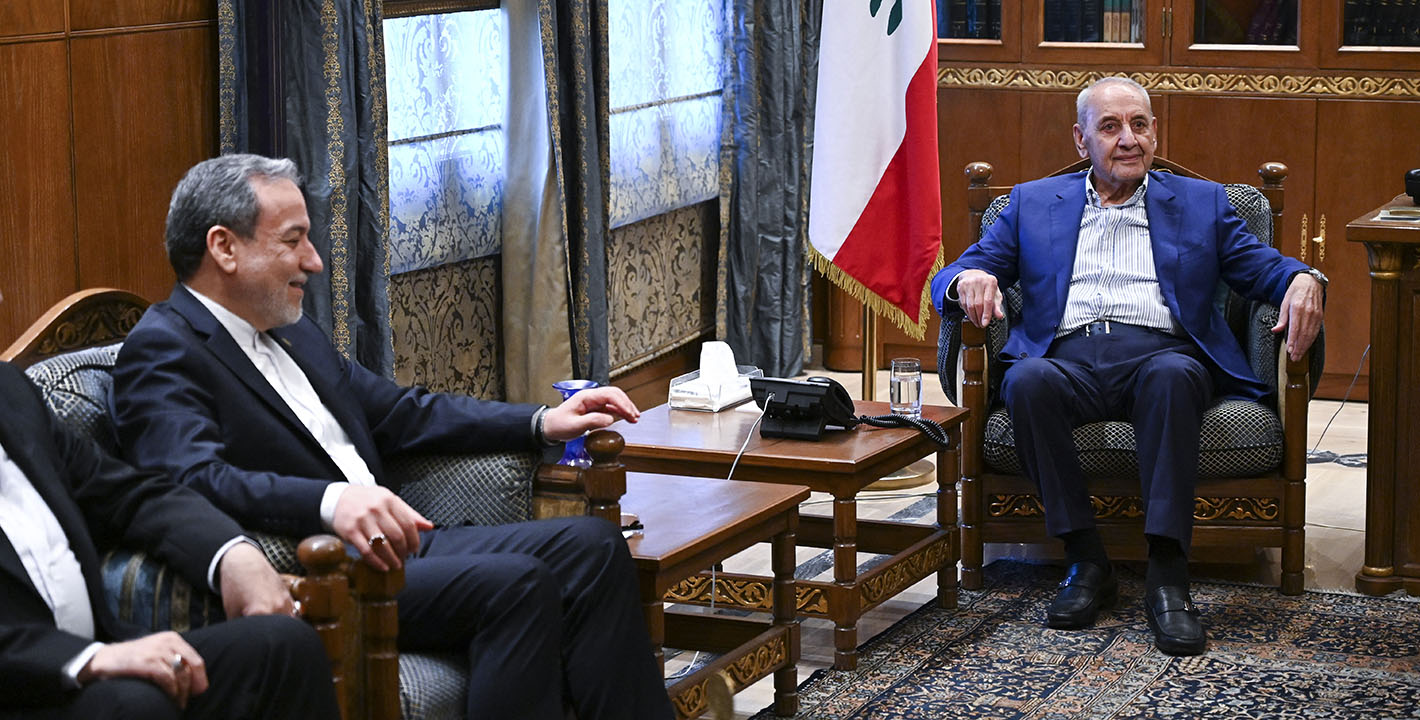
A prerequisite of serious talks is that the country’s leadership consolidates majority national support for such a process.

Michael Young