• Research
  • Emissary
  • About
  • Experts
Carnegie Global logoCarnegie lettermark logo
DemocracyIran
  • Donate
{
  "authors": [
    "Pierre Goldschmidt"
  ],
  "type": "testimony",
  "centerAffiliationAll": "dc",
  "centers": [
    "Carnegie Endowment for International Peace"
  ],
  "collections": [],
  "englishNewsletterAll": "",
  "nonEnglishNewsletterAll": "",
  "primaryCenter": "Carnegie Endowment for International Peace",
  "programAffiliation": "NPP",
  "programs": [
    "Nuclear Policy"
  ],
  "projects": [],
  "regions": [],
  "topics": [
    "Nuclear Policy"
  ]
}
Source: Getty

Testimony

International Perspectives on Strengthening the Nonproliferation Regime, June, 27, 2007

There are three priorities for strengthening the nonproliferation regime and combating nuclear proliferation: ratifying the Comprehensive Test Ban Treaty, addressing cases of non-compliance, and dissuading withdrawal from the nuclear Non-Proliferation Treaty.

Link Copied
By Pierre Goldschmidt
Published on Jun 27, 2007
Program mobile hero image

Program

Nuclear Policy

The Nuclear Policy Program aims to reduce the risk of nuclear war. Our experts diagnose acute risks stemming from technical and geopolitical developments, generate pragmatic solutions, and use our global network to advance risk-reduction policies. Our work covers deterrence, disarmament, arms control, nonproliferation, and nuclear energy.

Learn More

Source: Testimony by Pierre Goldschmidt before the House of Representatives Subcommittee on National Security and Foreign Affairs

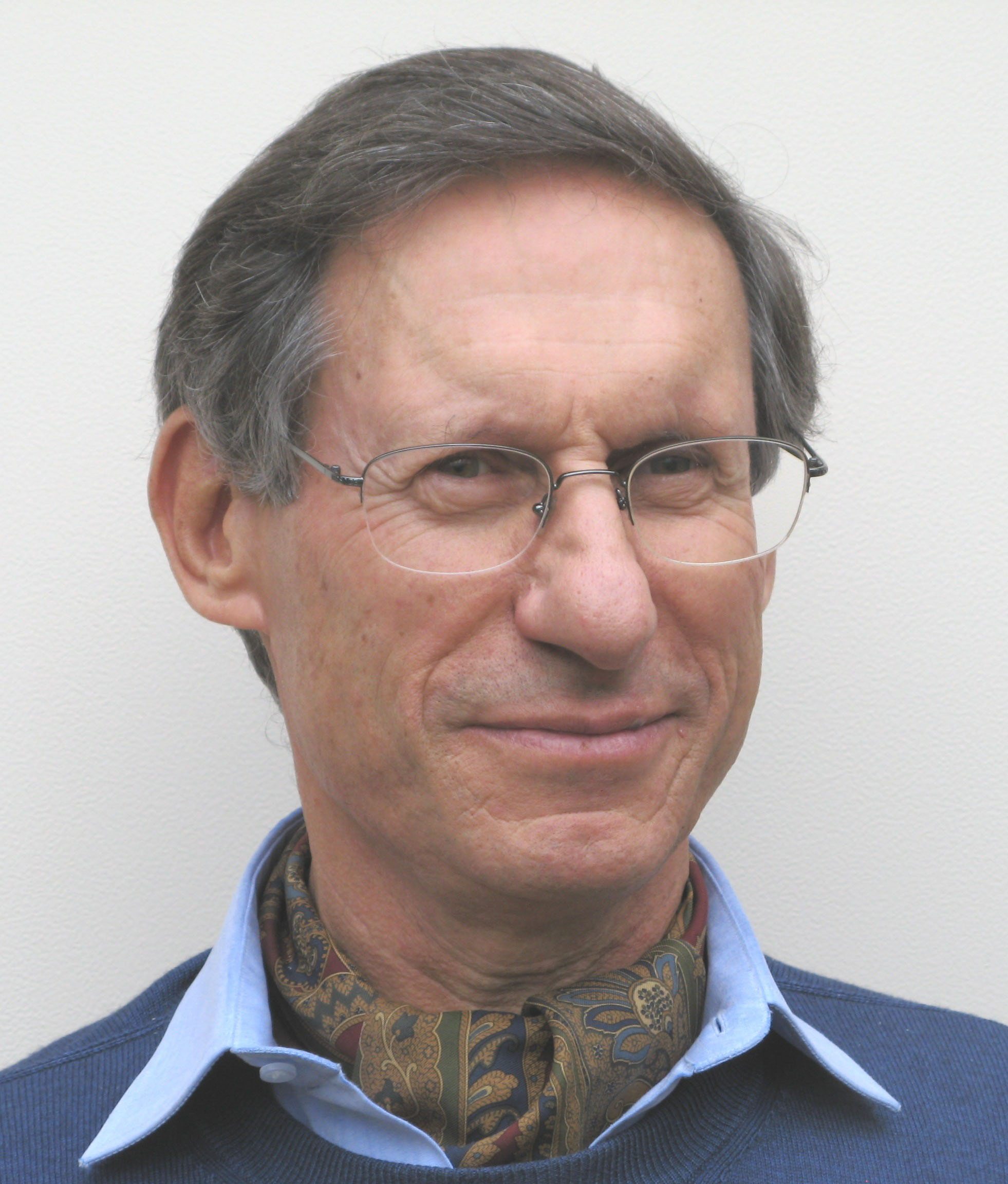
In testimony before the House of Representatives Subcommittee on National Security and Foreign Affairs, Carnegie's Pierre Goldschmidt discusses three priorities for strengthening the nonproliferation regime and combating nuclear proliferation: ratifying the Comprehensive Test Ban Treaty, addressing cases of non-compliance, and dissuading withdrawal from the nuclear Non-Proliferation Treaty.


About the Author

Pierre Goldschmidt

Former Nonresident Senior Associate, Nuclear Policy Program

Goldschmidt was a nonresident senior associate at the Carnegie Endowment.

    Recent Work

  • Article
    A Realistic Approach Toward a Middle East Free of WMD

      Pierre Goldschmidt

  • Article
    Serious Deficiencies Exposed by Latest IAEA Safeguards Implementation Report

      Pierre Goldschmidt

Pierre Goldschmidt
Former Nonresident Senior Associate, Nuclear Policy Program
Pierre Goldschmidt
Nuclear Policy

Carnegie does not take institutional positions on public policy issues; the views represented herein are those of the author(s) and do not necessarily reflect the views of Carnegie, its staff, or its trustees.
More Work from Carnegie Endowment for International Peace

  • Commentary
    Strategic Europe
    Macron Makes France a Great Middle Power

    France has stopped clinging to notions of being a great power and is embracing the middle power moment. But Emmanuel Macron has his work cut out if he is to secure his country’s global standing before his term in office ends.

      • Rym Momtaz

      Rym Momtaz

  • Escalation Dynamics Under the Nuclear Shadow—India’s Approach
    Paper
    Escalation Dynamics Under the Nuclear Shadow—India’s Approach

    An exploration into how India and Pakistan have perceived each other’s manipulations, or lack thereof, of their nuclear arsenals.

      • Rakesh Sood

      Rakesh Sood

  • Commentary
    Carnegie Politika
    For Putin, Increasing Russia’s Nuclear Threat Matters More Than the Triad’s Modernization

    For Putin, upgrading Russia’s nuclear forces was a secondary goal. The main aim was to gain an advantage over the West, including by strengthening the nuclear threat on all fronts. That made growth in missile arsenals and a new arms race inevitable.

      Maxim Starchak

  • A Quarter Century of Nuclear South Asia: Nuclear Noise, Signalling, and the Risk of Escalation in India-Pakistan Crises
    Paper
    A Quarter Century of Nuclear South Asia: Nuclear Noise, Signalling, and the Risk of Escalation in India-Pakistan Crises

    A close study of five crises makes clear that Cold War logic doesn’t apply to the South Asia nuclear powers.

      • Rizwan Zeb

      Moeed Yusuf, Rizwan Zeb

  • A New Era of Nuclear-Powered Submarines Is Making Waves in Nuclear-Weapon-Free Zones
    Research
    A New Era of Nuclear-Powered Submarines Is Making Waves in Nuclear-Weapon-Free Zones

    As states without nuclear weapons develop nuclear-powered submarines, can NWFZ regimes adapt to manage new technical, legal, procedural, and normative challenges?

      Jamie Kwong, ed., Toby Dalton, ed., Celia McDowall, ed.

Get more news and analysis from
Carnegie Endowment for International Peace
Carnegie global logo, stacked
1779 Massachusetts Avenue NWWashington, DC, 20036-2103Phone: 202 483 7600Fax: 202 483 1840
  • Research
  • Emissary
  • About
  • Experts
  • Donate
  • Programs
  • Events
  • Blogs
  • Podcasts
  • Contact
  • Annual Reports
  • Careers
  • Privacy
  • For Media
  • Government Resources
Get more news and analysis from
Carnegie Endowment for International Peace
© 2026 Carnegie Endowment for International Peace. All rights reserved.