

Commentary
Uri Dadush
{
  "authors": [
    "Uri Dadush"
  ],
  "type": "legacyinthemedia",
  "centerAffiliationAll": "",
  "centers": [
    "Carnegie Endowment for International Peace"
  ],
  "collections": [],
  "englishNewsletterAll": "",
  "nonEnglishNewsletterAll": "",
  "primaryCenter": "Carnegie Endowment for International Peace",
  "programAffiliation": "",
  "programs": [],
  "projects": [],
  "regions": [
    "North America"
  ],
  "topics": [
    "Economy"
  ]
}
Source: Getty
As major economies around the world return to growth, the discussion has shifted from recession to recovery. While the recovery has arrived, there are reasons to question its strength and sustainability.
Source: Foreign Exchange with Daljit Dhaliwal
As major economies around the world return to growth, economists and policy-makers shift their focus from recession to recovery. Uri Dadush discusses these developments, explaining that “we are at the turning point, or perhaps past the turning point...The big question...is not whether we are at the beginning of a recovery; the big question...is how strong a recovery it is going be, and whether it is going be sustained.” Threatening the global recovery is reduced demand, “because the consumer, in many countries, remains very reluctant to spend.”
The epicenter of the financial crisis, the United States, faces a more protracted recovery than many other countries. “Even though many economies were worse hit than the United States, initially, they are actually in a position to recover more rapidly whereas the United States will take more time.”

Former Senior Associate, International Economics Program
Dadush was a senior associate at the Carnegie Endowment for International Peace. He focuses on trends in the global economy and is currently tracking developments in the eurozone crisis.
Recent Work
Uri Dadush
Uri Dadush
Carnegie does not take institutional positions on public policy issues; the views represented herein are those of the author(s) and do not necessarily reflect the views of Carnegie, its staff, or its trustees.
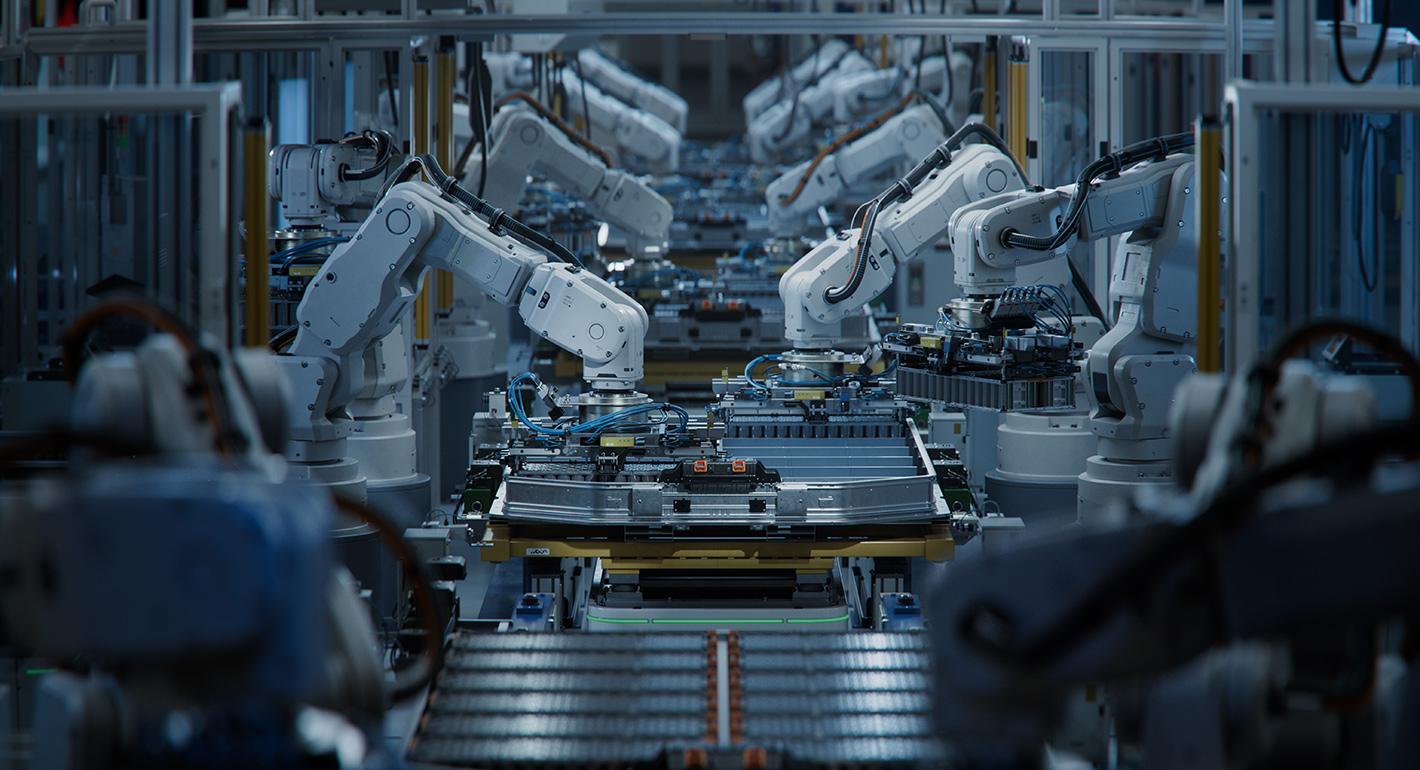
The debate over AI and work too often centers on displacement. Facing aging populations and shrinking workforces, East Asian policymakers view AI not as a threat, but as a cross-sectoral workforce strategy.

Darcie Draudt-Véjares, Sophie Zhuang

In its version of an AI middle power strategy, Seoul is pursuing alignment with the United States not as an endpoint but as a strategy to build industrial and geopolitical leverage. Whether this balance holds remains an open question.
Darcie Draudt-Véjares, Seungjoo Lee

China’s rapid technological progress and its first-rate infrastructure are often cited as refuting the claim that China has been systematically overinvesting in non-productive projects for many years. In fact, as the logic of overinvestment and the many historical precedents show, the former is all-too-often consistent with the latter.

Michael Pettis

On March 10, 2026, India’s Union Cabinet approved amendments to Press Note 3, a regulation that mandated government approval on all foreign direct investment (FDI) from countries sharing a land border with India. This amendment raises questions primarily about whether its stated benefits will materialize and if the risks have been adequately weighed. This piece will address the same.

Konark Bhandari
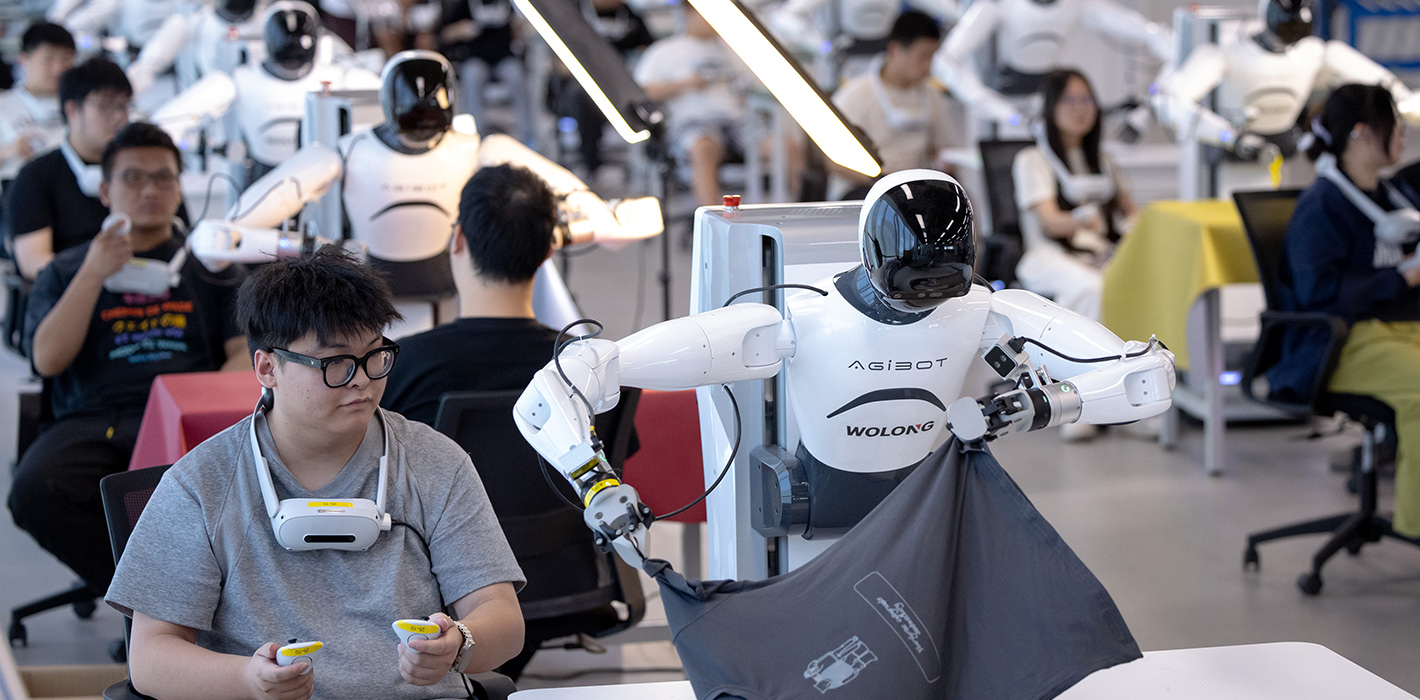
AI could hollow out jobs, reshape them gradually, create entirely new ones—or do all three at once. The case for starting to act now doesn’t depend on knowing which.

Teddy Tawil