

Q&A
Suzanne Maloney, Aaron David Miller, Karim Sadjadpour
{
  "authors": [
    "Karim Sadjadpour"
  ],
  "type": "legacyinthemedia",
  "centerAffiliationAll": "dc",
  "centers": [
    "Carnegie Endowment for International Peace"
  ],
  "collections": [],
  "englishNewsletterAll": "menaTransitions",
  "nonEnglishNewsletterAll": "",
  "primaryCenter": "Carnegie Endowment for International Peace",
  "programAffiliation": "MEP",
  "programs": [
    "Middle East"
  ],
  "projects": [],
  "regions": [
    "United States",
    "Middle East",
    "Iran"
  ],
  "topics": [
    "Security",
    "Military",
    "Foreign Policy",
    "Nuclear Policy"
  ]
}
Source: Getty
Iran's test-firing of a new, more advanced missile type with the capability to reach Israel, Europe or the Persian Gulf has increased tension over the Iranian nuclear program. The missile test will have a profound affect on the upcoming multilateral nuclear talks.
Source: The NewsHour with Jim Lehrer
The recent announcement of a second nuclear enrichment facility in Iran has put more pressure on Tehran to comply with the international community's demands for transparency and strengthened American and European resolve. Shortly after President Obama revealed that American knowledge of the second nuclear site, Iran proceeded with a previously scheduled test of its new sajjil missile, capable of reaching targets in Europe, Israel, and the Persian Gulf.
According to Karim Sadjadpour, this is a common response from the regime when it feels pressured, “this has long been the modus operandi of the Iranian regime, that when the world thinks you're under pressure, show the world that you're not going to compromise. So, I think this was a show of strength ahead of these negotiations, to project an image of defiance to the world.”

Senior Fellow, Middle East Program
Karim Sadjadpour is a senior fellow at the Carnegie Endowment for International Peace, where he focuses on Iran and U.S. foreign policy toward the Middle East.
Recent Work


Suzanne Maloney, Aaron David Miller, Karim Sadjadpour

Aaron David Miller, Karim Sadjadpour, Robin Wright
Carnegie does not take institutional positions on public policy issues; the views represented herein are those of the author(s) and do not necessarily reflect the views of Carnegie, its staff, or its trustees.
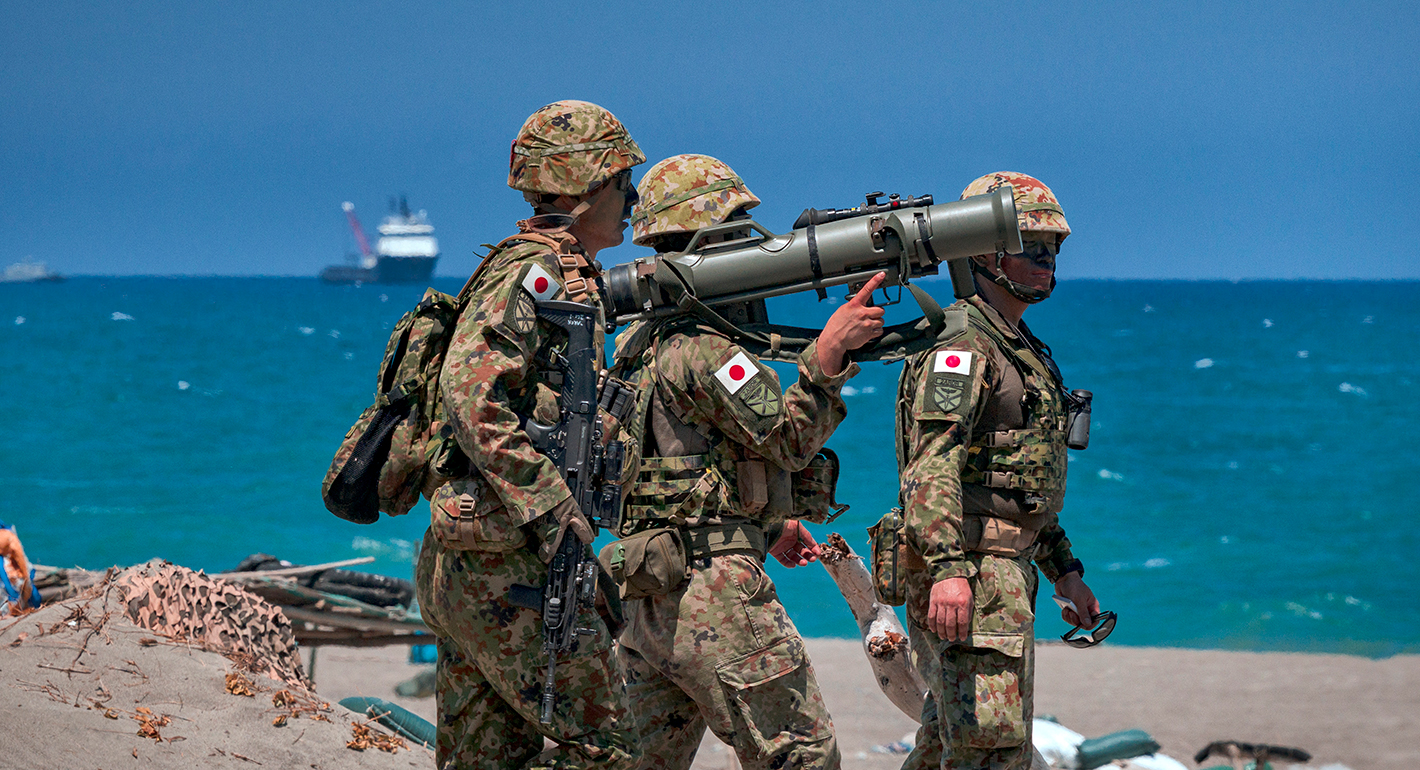
Japan’s revision of its three strategic documents reflects an intention to keep the United States engaged in the region while Japan fills any vacuums of U.S. power to preserve the Indo-Pacific order.
Ryo Sahashi
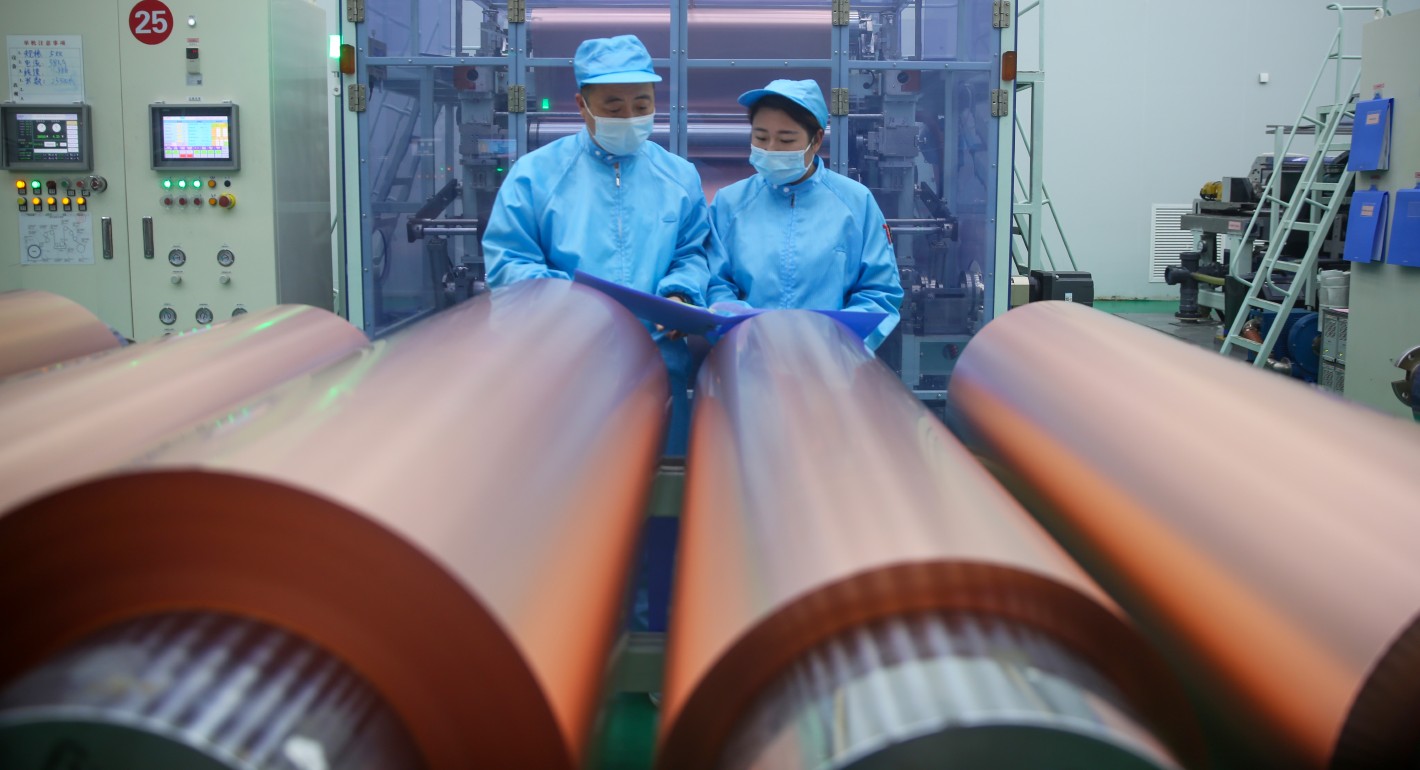
Over the past decade, China has moved from marginal player to major producer of all things batteries. The United States, Europe, and others are aiming to balance the market.

Milo McBride

A look at how public opinion influences the credibility of coercive nuclear threats,and how it enables and constrains strategies of nuclear coercion.
Lauren Sukin, Samuel Seitz
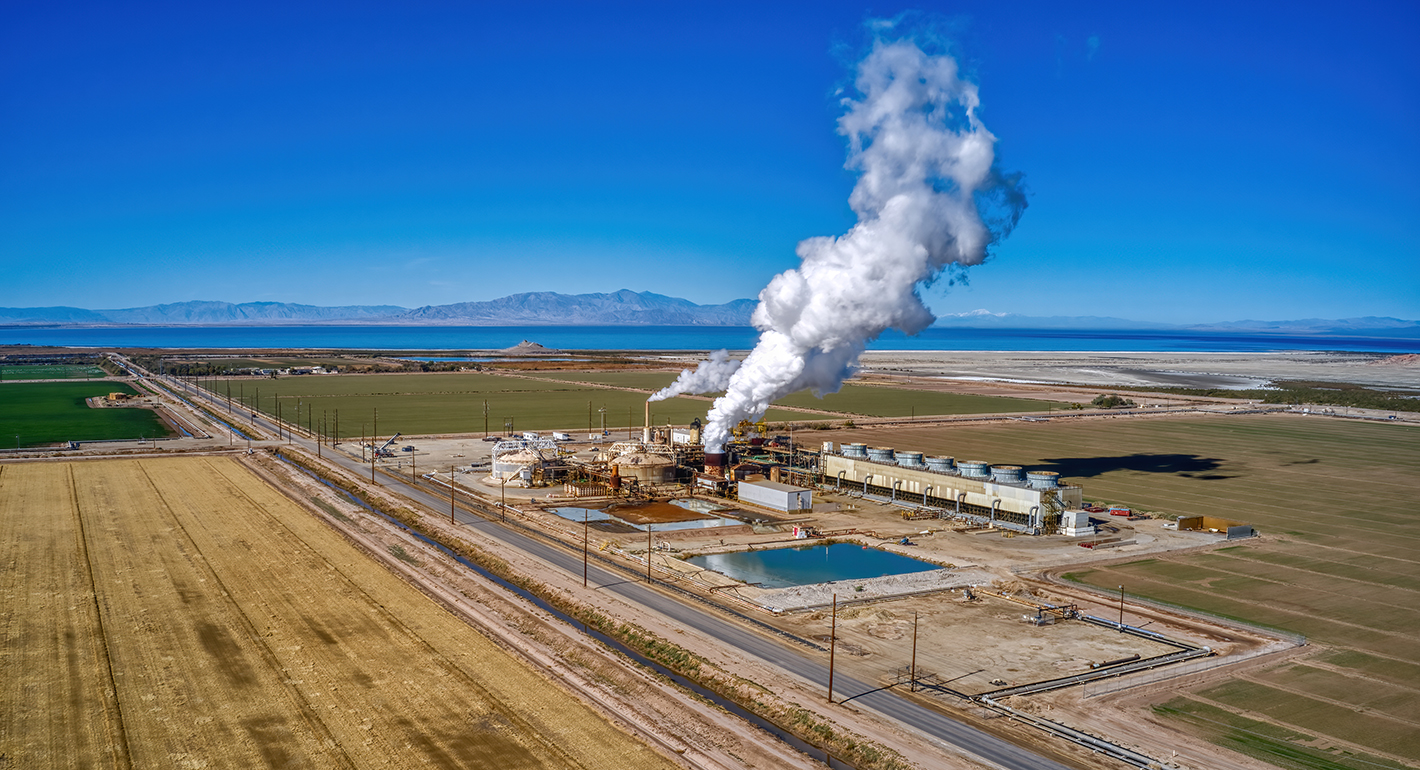
The DFC should focus on advanced, low-carbon energy sources, prioritizing areas where the United States has comparative advantages.
Noah Gordon, Liana Schmitter-Emerson
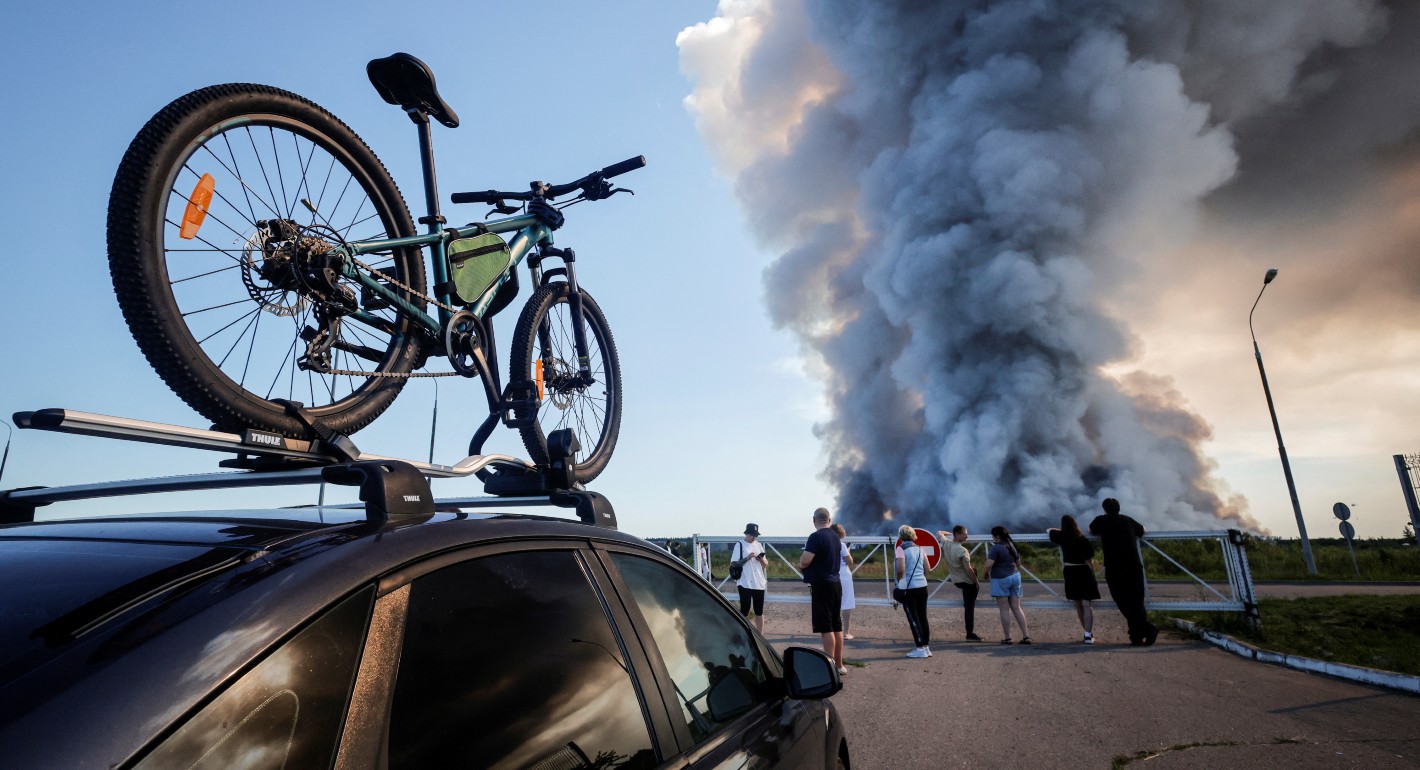
Media coverage suggests Kyiv’s fortunes have changed. That shift may be important, but it only goes so far.

Dara Massicot, Aaron David Miller, Andrew S. Weiss