• Research
  • Emissary
  • About
  • Experts
Carnegie Global logoCarnegie lettermark logo
DemocracyIran
  • Donate
{
  "authors": [
    "Pierre Goldschmidt"
  ],
  "type": "legacyinthemedia",
  "centerAffiliationAll": "dc",
  "centers": [
    "Carnegie Endowment for International Peace"
  ],
  "collections": [],
  "englishNewsletterAll": "ctw",
  "nonEnglishNewsletterAll": "",
  "primaryCenter": "Carnegie Endowment for International Peace",
  "programAffiliation": "NPP",
  "programs": [
    "Nuclear Policy"
  ],
  "projects": [],
  "regions": [],
  "topics": [
    "Nuclear Policy",
    "Nuclear Energy"
  ]
}
Source: Getty

In The Media

Multilateral Nuclear Fuel Supply Guarantees and Spent Fuel Management: What Are the Priorities?

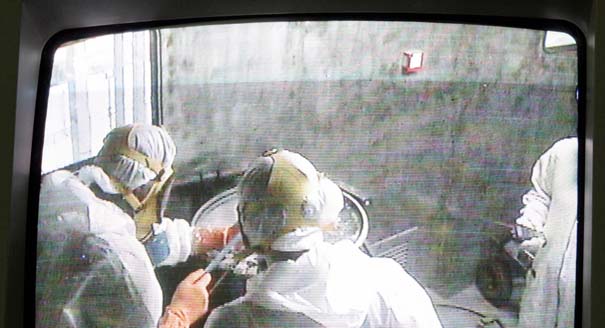
Improving the reliability of nuclear fuel supplies is best achieved by giving priority to fuel leasing contracts coupled with long-term generic export licenses, and last resort multilateral fuel supply arrangements.

Link Copied
By Pierre Goldschmidt
Published on Jan 1, 2010
Program mobile hero image

Program

Nuclear Policy

The Nuclear Policy Program aims to reduce the risk of nuclear war. Our experts diagnose acute risks stemming from technical and geopolitical developments, generate pragmatic solutions, and use our global network to advance risk-reduction policies. Our work covers deterrence, disarmament, arms control, nonproliferation, and nuclear energy.

Learn More

Source: Daedalus

Multilateral Nuclear Fuel Supply Guarantees and SpIn a special issue of Daedalus on the "Global Nuclear Future," published by the American Academy of Arts & Sciences, Pierre Goldschmidt posits that further improving the reliability of fuel supply is best achieved by giving priority to fuel leasing contracts coupled with long-term generic export licenses, and last resort multilateral fuel supply arrangements. Regarding the back-end of the fuel cycle, Goldschmidt argues that developing multinational fuel-storage and geological disposal facilities will be relegated to the distant horizon due to the prevailing "Not-In-My-Backyard" syndrome. He concludes that, as long as impediments to multinational spent fuel management remain high, it is most urgent to strengthen the IAEA’s verification authority and improve the likelihood of prompt and firm UN Security Council action when a state is found to be in non-compliance with its IAEA safeguards or NPT obligations.

About the Author

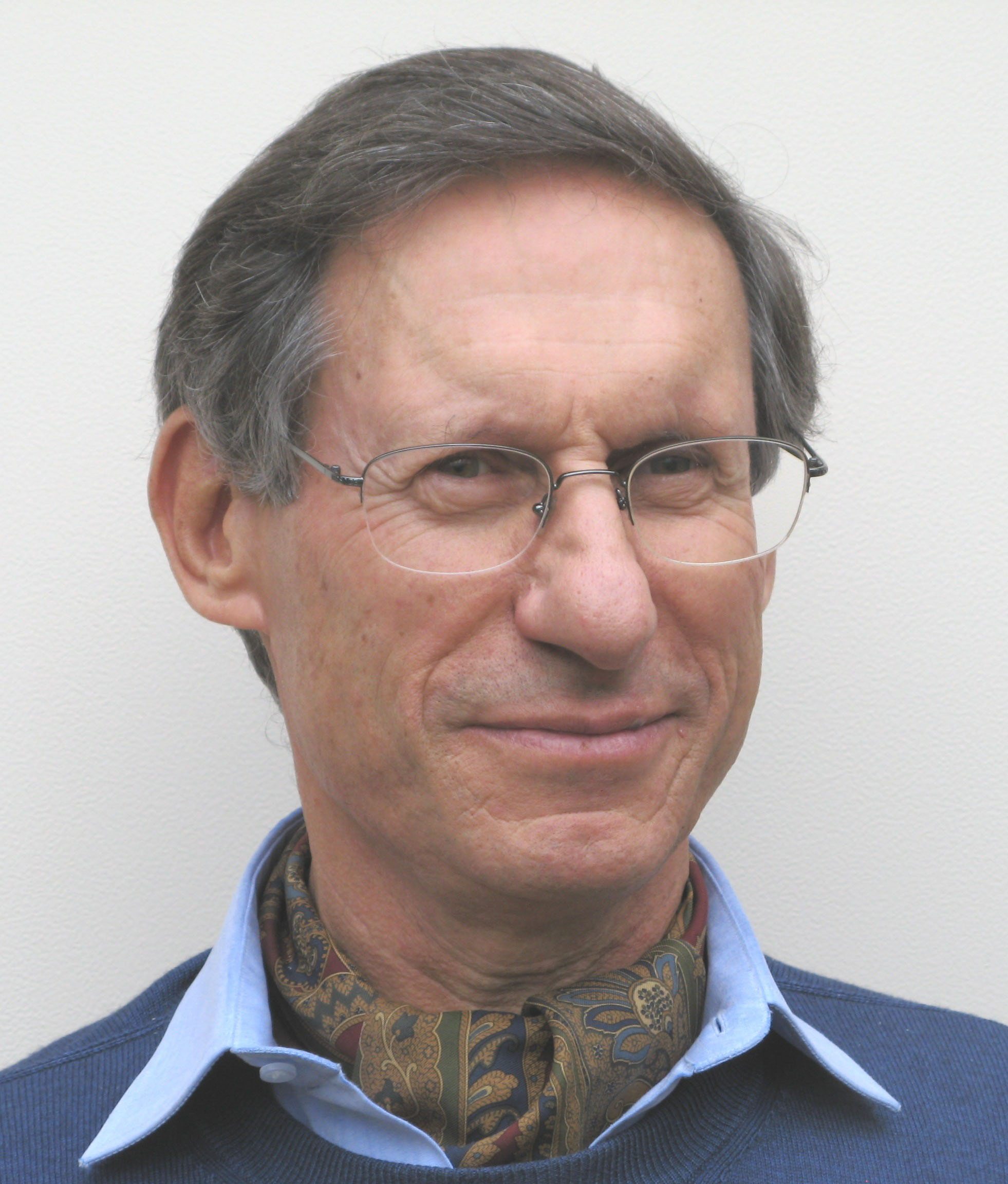
Pierre Goldschmidt

Former Nonresident Senior Associate, Nuclear Policy Program

Goldschmidt was a nonresident senior associate at the Carnegie Endowment.

    Recent Work

  • Article
    A Realistic Approach Toward a Middle East Free of WMD

      Pierre Goldschmidt

  • Article
    Serious Deficiencies Exposed by Latest IAEA Safeguards Implementation Report

      Pierre Goldschmidt

Pierre Goldschmidt
Former Nonresident Senior Associate, Nuclear Policy Program
Pierre Goldschmidt
Nuclear PolicyNuclear Energy

Carnegie does not take institutional positions on public policy issues; the views represented herein are those of the author(s) and do not necessarily reflect the views of Carnegie, its staff, or its trustees.
More Work from Carnegie Endowment for International Peace

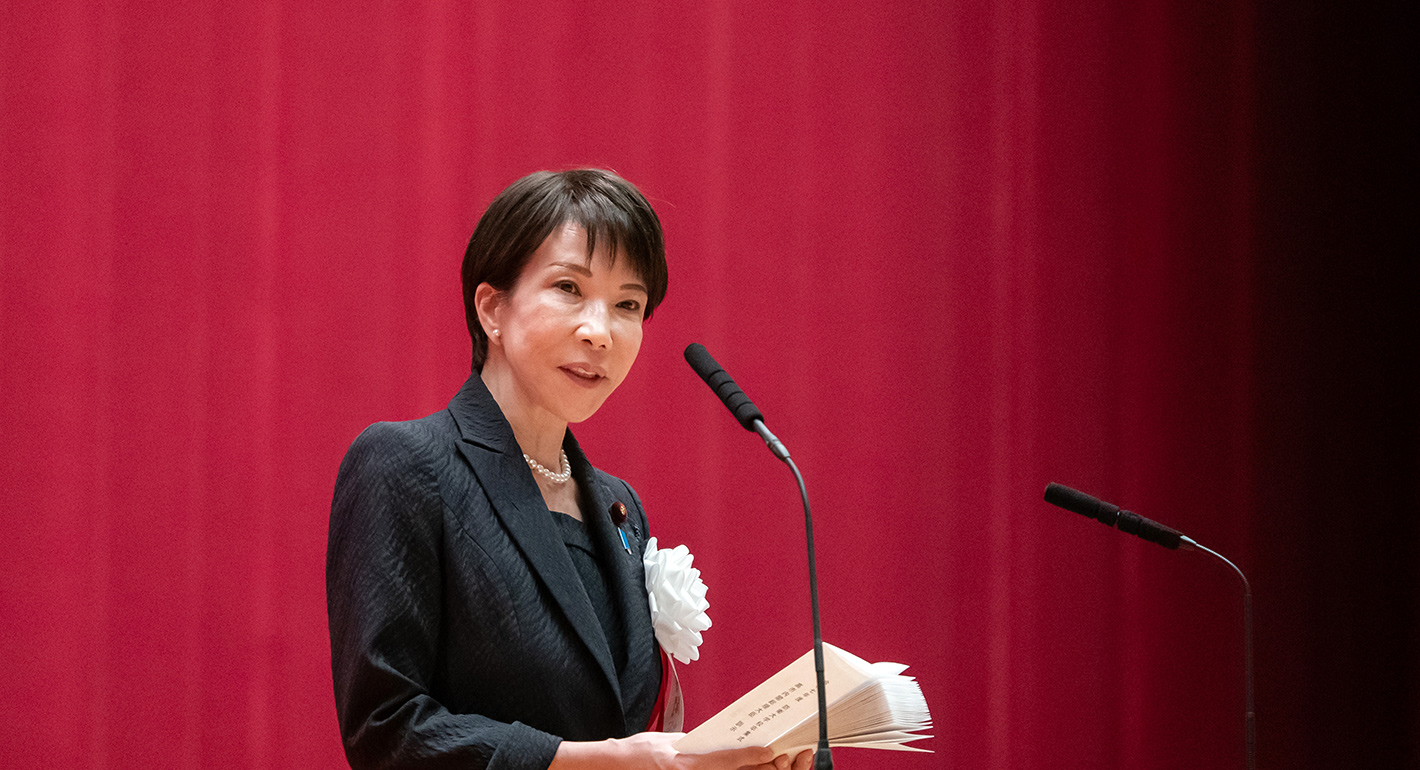
  • Japanese Prime Minister Sanae Takaichi delivers a speech during the graduation ceremony at the National Defense Academy of Japan on March 14, 2026 in Yokosuka, Kanagawa Prefecture, Japan.
    Article
    Revisiting Japan’s Non-Nuclear Principles: Between a Nuclear Allergy and Umbrella

    Japan’s prime minister, Takaichi Sanae, may kickstart a discussion on Japan’s non-nuclear principles.

      Shizuka Kuramitsu
  • Commentary
    Strategic Europe
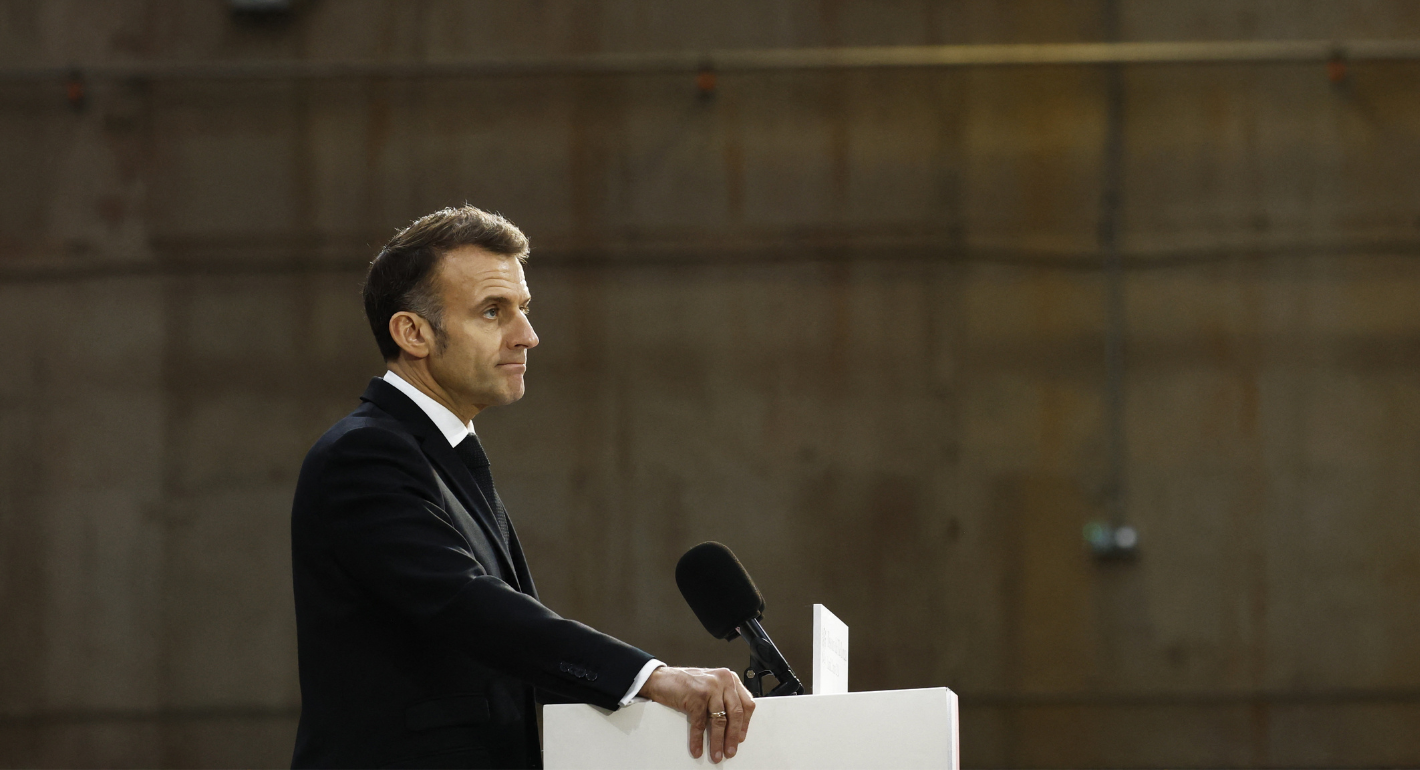
    Taking the Pulse: Is France’s New Nuclear Doctrine Ambitious Enough?

    French President Emmanuel Macron has unveiled his country’s new nuclear doctrine. Are the changes he has made enough to reassure France’s European partners in the current geopolitical context?

      • Rym Momtaz

      Rym Momtaz, ed.

  • Commentary
    Strategic Europe
    Europe on Iran: Gone with the Wind

    Europe’s reaction to the war in Iran has been disunited and meek, a far cry from its previously leading role in diplomacy with Tehran. To avoid being condemned to the sidelines while escalation continues, Brussels needs to stand up for international law.

      Pierre Vimont

  • Nuclear power plant reactor construction
    Article
    Promoting Responsible Nuclear Energy Conduct: An Agenda for International Cooperation

    These principles aim to codify core responsible practices and establish a common universal platform of high-level guidelines necessary to build trust that a nuclear energy resurgence can deliver its intended benefits.

      Ariel (Eli) Levite, Toby Dalton

  • Research
    The Unintended Consequences of German Deterrence

    Germany's sometimes ambiguous nuclear policy advocates nuclear weapons for deterrence purposes but at the same time adheres to non-proliferation. This dichotomy can turn into a formidable dilemma and increase proliferation pressures in Berlin once no nuclear protector is around anymore, a scenario that has become more realistic in recent years.

      Ulrich Kühn

Get more news and analysis from
Carnegie Endowment for International Peace
Carnegie global logo, stacked
1779 Massachusetts Avenue NWWashington, DC, 20036-2103Phone: 202 483 7600Fax: 202 483 1840
  • Research
  • Emissary
  • About
  • Experts
  • Donate
  • Programs
  • Events
  • Blogs
  • Podcasts
  • Contact
  • Annual Reports
  • Careers
  • Privacy
  • For Media
  • Government Resources
Get more news and analysis from
Carnegie Endowment for International Peace
© 2026 Carnegie Endowment for International Peace. All rights reserved.