• Research
  • Emissary
  • About
  • Experts
Carnegie Global logoCarnegie lettermark logo
DemocracyIran
  • Donate
{
  "authors": [
    "Karim Sadjadpour"
  ],
  "type": "legacyinthemedia",
  "centerAffiliationAll": "dc",
  "centers": [
    "Carnegie Endowment for International Peace"
  ],
  "collections": [],
  "englishNewsletterAll": "menaTransitions",
  "nonEnglishNewsletterAll": "",
  "primaryCenter": "Carnegie Endowment for International Peace",
  "programAffiliation": "MEP",
  "programs": [
    "Middle East"
  ],
  "projects": [],
  "regions": [
    "Middle East",
    "Iran"
  ],
  "topics": [
    "Political Reform",
    "Foreign Policy",
    "Nuclear Policy"
  ]
}
Source: Getty

In The Media

The Future of the Opposition and the Islamic Republic

Tehran faces both international and domestic challenges, as the Obama administration’s policy of engagement demonstrates Iran’s intransigence to the international community and the regime struggles to deal with a growing opposition movement.

Link Copied
By Karim Sadjadpour
Published on Feb 25, 2010
Program mobile hero image

Program

Middle East

The Middle East Program in Washington combines in-depth regional knowledge with incisive comparative analysis to provide deeply informed recommendations. With expertise in the Gulf, North Africa, Iran, and Israel/Palestine, we examine crosscutting themes of political, economic, and social change in both English and Arabic.

Learn More

Source: UCLA International Institute

The Obama administration chose to embark on a policy of engagement with the Iranian regime because of the critical role Tehran plays in several regional issues, including Iraq, Afghanistan, and the Israeli-Palestinian conflict. The Bush administration’s policy of shunning Iran produced no results and the Obama administration has gone to great lengths to engage in talks. Yet, as Karim Sadjadpour notes, “Iran has refused to engage in dialogue and this demonstrates its intransigence.”

Domestically, the opposition in Iran continues to remain vibrant after the June 12 presidential elections. However, “the opposition continues to be plagued by a generational and worldview gap between the leadership and the young foot soldiers on the ground,” asserts Sadjadpour.

About the Author

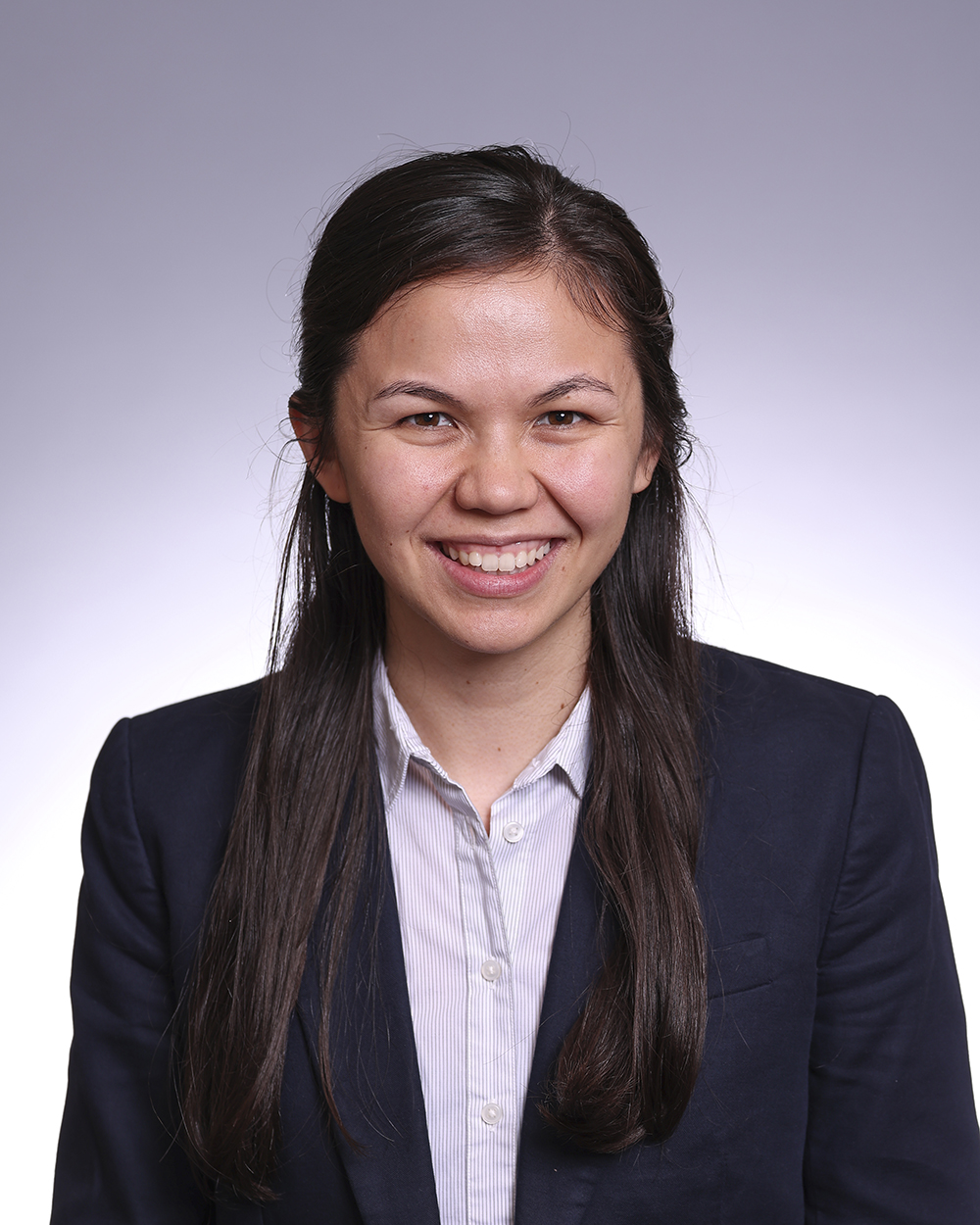
Karim Sadjadpour

Senior Fellow, Middle East Program

Karim Sadjadpour is a senior fellow at the Carnegie Endowment for International Peace, where he focuses on Iran and U.S. foreign policy toward the Middle East.

    Recent Work

  • Q&A
    Iran Wanted to Survive the War. Now What?

      Suzanne Maloney, Aaron David Miller, Karim Sadjadpour

  • Q&A
    What’s Keeping the Iranian Regime in Power—for Now

      Aaron David Miller, Karim Sadjadpour, Robin Wright

Karim Sadjadpour
Senior Fellow, Middle East Program
Karim Sadjadpour
Political ReformForeign PolicyNuclear PolicyMiddle EastIran

Carnegie does not take institutional positions on public policy issues; the views represented herein are those of the author(s) and do not necessarily reflect the views of Carnegie, its staff, or its trustees.
More Work from Carnegie Endowment for International Peace

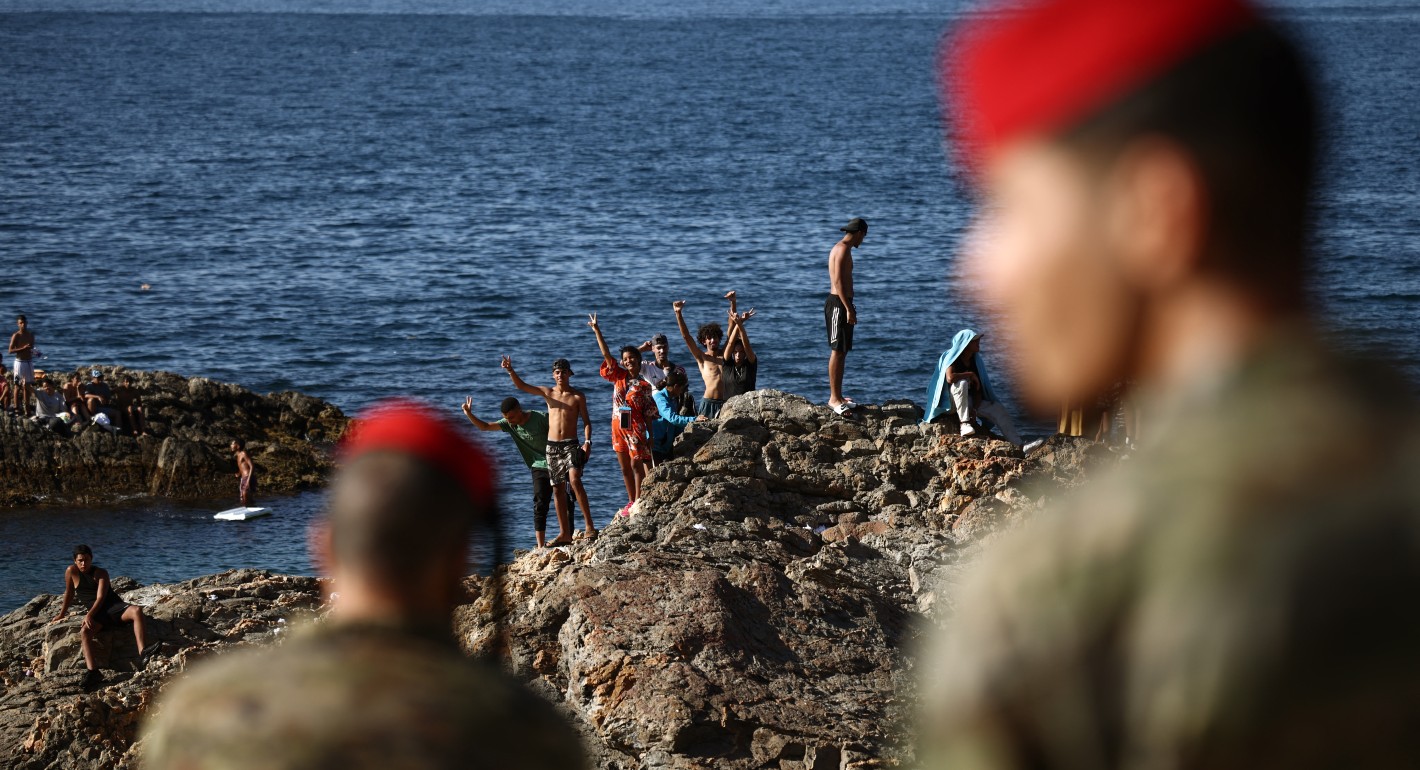
  • People standing on rocks in the ocean near the shore, with soldiers in the foreground
    Commentary
    Emissary
    The Migration Wave That Embarrassed Morocco and Rattled Europe

    Most migrants may have left Ceuta, but the effects may linger.

      • Alejandro Rodriguez
      • Sarah Yerkes

      Alejandro Martin Rodriguez, Sarah Yerkes

  • Supporters wave VOX and Spanish flags at the start of Patriots for Europe rally at Marriott Auditorium Hotel on February 08, 2025 in Madrid, Spain
    Paper
    How Populist Middle Powers Are—and Are Not—Reshaping Global Politics

    There is a transnational far-right populist movement that links middle powers in a global movement that extends well beyond Trump.

      • Christopher Chivvis

      Christopher S. Chivvis, Rohan Mukherjee, Milan Vaishnav

  • Commentary
    Carnegie Politika
    Russia Is Exporting Its Fuel Crisis to Central Asia

    When faced with fuel shortages in the past, Central Asian governments could always count on additional supplies from Moscow. That safety net no longer exists.

      Galiya Ibragimova

  • Shadowed figure lighting grocery store shelves
    Commentary
    Emissary
    Five Years After His Power Grab, Tunisia’s President Has Only Achieved Failure

    Saied’s main accomplishment has been to destroy a decade’s worth of democratic progress.

      • Sarah Yerkes

      Sarah Yerkes

  • Port cranes at sunset
    Commentary
    Emissary
    The Drone Attack on Egypt and the Widening Middle East War

    The targeting of Damietta Port appears to be more than a mere security message.

      Amr Hamzawy

Get more news and analysis from
Carnegie Endowment for International Peace
Carnegie global logo, stacked
1779 Massachusetts Avenue NWWashington, DC, 20036-2103Phone: 202 483 7600
  • Research
  • Emissary
  • About
  • Experts
  • Donate
  • Programs
  • Events
  • Blogs
  • Podcasts
  • Contact
  • Annual Reports
  • Careers
  • Privacy
  • For Media
  • Government Resources
Get more news and analysis from
Carnegie Endowment for International Peace
© 2026 Carnegie Endowment for International Peace. All rights reserved.