• Research
  • Emissary
  • About
  • Experts
Carnegie Global logoCarnegie lettermark logo
DemocracyIran
  • Donate
{
  "authors": [
    "Ariel (Eli) Levite"
  ],
  "type": "legacyinthemedia",
  "centerAffiliationAll": "dc",
  "centers": [
    "Carnegie Endowment for International Peace"
  ],
  "collections": [],
  "englishNewsletterAll": "",
  "nonEnglishNewsletterAll": "",
  "primaryCenter": "Carnegie Endowment for International Peace",
  "programAffiliation": "NPP",
  "programs": [
    "Nuclear Policy",
    "Middle East"
  ],
  "projects": [],
  "regions": [
    "Middle East",
    "Israel"
  ],
  "topics": [
    "Nuclear Policy",
    "Nuclear Energy"
  ]
}
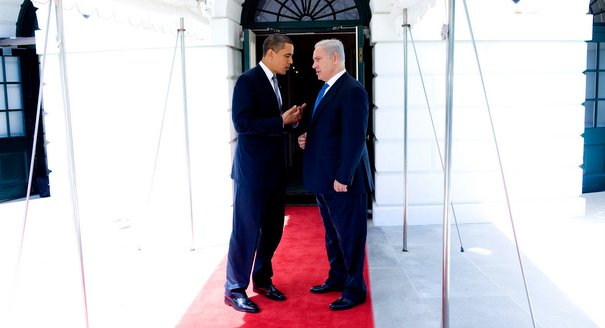
Source: Getty

In The Media

Global Zero: An Israeli Vision of Realistic Idealism

While Israel is likely sympathetic to the idea of achieving a world without nuclear weapons, it remains agnostic about the prospects of a nuclear-free world and realistic about the complicated process.

Link Copied
By Ariel (Eli) Levite
Published on Apr 30, 2010
Program mobile hero image

Program

Nuclear Policy

The Nuclear Policy Program aims to reduce the risk of nuclear war. Our experts diagnose acute risks stemming from technical and geopolitical developments, generate pragmatic solutions, and use our global network to advance risk-reduction policies. Our work covers deterrence, disarmament, arms control, nonproliferation, and nuclear energy.

Learn More
Program mobile hero image

Program

Middle East

The Middle East Program in Washington combines in-depth regional knowledge with incisive comparative analysis to provide deeply informed recommendations. With expertise in the Gulf, North Africa, Iran, and Israel/Palestine, we examine crosscutting themes of political, economic, and social change in both English and Arabic.

Learn More

Source: The Washington Quarterly

Global Zero: An Israeli Vision of Realistic IdealiTrying to portray the Israeli outlook on a nuclear-free world presents a formidable challenge. The issue is not merely the inability to access the inner thoughts of the government, considering that no official statements on the issue are available. More fundamentally, the challenge is to validly portray a national view on an issue that has not really captured the attention of the Israeli government, let alone yielded a coherent policy formulation on it. It is, however, feasible to reflect on some factors that may explain why the renewed international interest in a nuclear-weapons-free world has thus far failed to register in Israel.

To this end, it is useful to pull together some of the basic tenets that underlie the core Israeli outlook on disarmament and, from them, infer some propositions that would probably factor in any Israeli consideration of arms control and disarmament initiatives, including Global Zero. The ultimate result is, nevertheless, bound to be both tentative as well as very personal and should be treated as such. Ultimately, the key questions are: what are Israel's views on a nuclear-weapons-free world? And what role, if any, would it be likely to play in the Global Zero campaign presently underway?
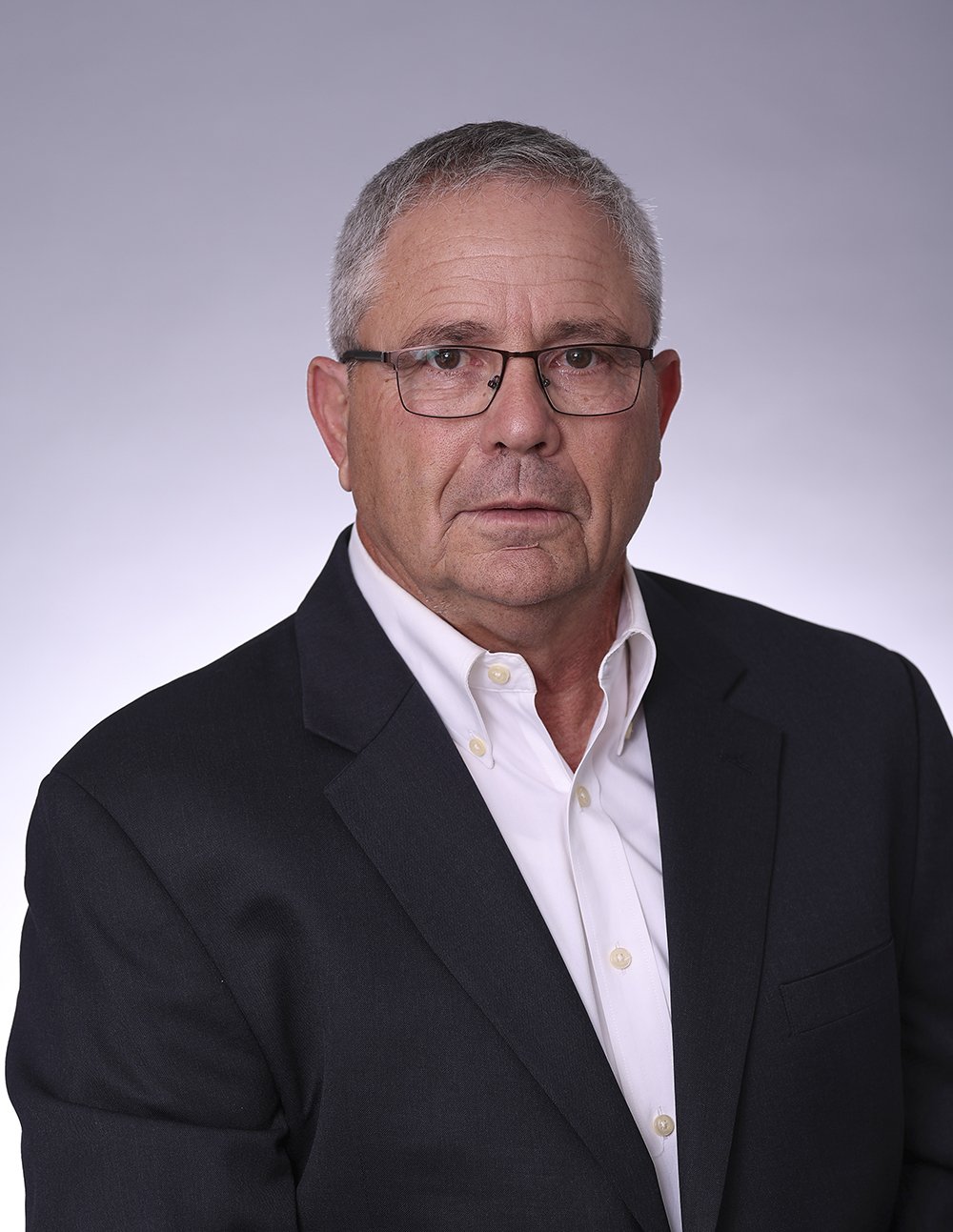
About the Author

Ariel (Eli) Levite

Senior Fellow, Nuclear Policy Program, Technology and International Affairs Program

Levite was the principal deputy director general for policy at the Israeli Atomic Energy Commission from 2002 to 2007.

    Recent Work

  • Article
    Promoting Responsible Nuclear Energy Conduct: An Agenda for International Cooperation

      Ariel (Eli) Levite, Toby Dalton

  • Other
    Unpacking Trump’s National Security Strategy
      • Cecily Brewer
      • +18

      James M. Acton, Saskia Brechenmacher, Cecily Brewer, …

Ariel (Eli) Levite
Senior Fellow, Nuclear Policy Program, Technology and International Affairs Program
Ariel (Eli) Levite
Nuclear PolicyNuclear EnergyMiddle EastIsrael

Carnegie does not take institutional positions on public policy issues; the views represented herein are those of the author(s) and do not necessarily reflect the views of Carnegie, its staff, or its trustees.
More Work from Carnegie Endowment for International Peace

  • Commentary
    Diwan
    Firepower Against Willpower

    In an interview, Naysan Rafati assesses the first week that followed the U.S. and Israeli attack on Iran.

      Michael Young

  • Crowds holding Iranian flags and photos of the late Khamenei
    Commentary
    Emissary
    Who Will Be Iran’s Next Supreme Leader?

    If the succession process can be carried out as Khamenei intended, it will likely bring a hardliner into power.

      • Eric Lob

      Eric Lob

  • A missile tail embedded in the ground in an open field with green ground cover and a blue sky.
    Commentary
    Emissary
    Turkey Has Two Key Interests in the Iran Conflict

    But to achieve either, it needs to retain Washington’s ear.

      Alper Coşkun

  • Commentary
    Diwan
    What Is Israel’s Plan in Lebanon?

    At heart, to impose unconditional surrender on Hezbollah and uproot the party among its coreligionists.

      Yezid Sayigh

  • people watching smoke rising at sunrise from rooftops
    Commentary
    Emissary
    Bombing Campaigns Do Not Bring About Democracy. Nor Does Regime Change Without a Plan.

    Just look at Iraq in 1991.

      Marwan Muasher

Get more news and analysis from
Carnegie Endowment for International Peace
Carnegie global logo, stacked
1779 Massachusetts Avenue NWWashington, DC, 20036-2103Phone: 202 483 7600Fax: 202 483 1840
  • Research
  • Emissary
  • About
  • Experts
  • Donate
  • Programs
  • Events
  • Blogs
  • Podcasts
  • Contact
  • Annual Reports
  • Careers
  • Privacy
  • For Media
  • Government Resources
Get more news and analysis from
Carnegie Endowment for International Peace
© 2026 Carnegie Endowment for International Peace. All rights reserved.