

Commentary
The targeting of Damietta Port appears to be more than a mere security message.
Amr Hamzawy
{
  "authors": [],
  "type": "pressRelease",
  "centerAffiliationAll": "dc",
  "centers": [
    "Carnegie Endowment for International Peace"
  ],
  "collections": [],
  "englishNewsletterAll": "menaTransitions",
  "nonEnglishNewsletterAll": "",
  "primaryCenter": "Carnegie Endowment for International Peace",
  "programAffiliation": "MEP",
  "programs": [
    "Middle East"
  ],
  "projects": [],
  "regions": [
    "Middle East",
    "Palestine"
  ],
  "topics": []
}
REQUIRED IMAGE
The international community’s understandable admiration for Palestinian Prime Minister Salam Fayyad and his efforts to rebuild the West Bank obscures a dangerous regression in democracy and human rights.
WASHINGTON, July 1—The international community’s understandable admiration for Palestinian Prime Minister Salam Fayyad and his efforts to rebuild the West Bank obscures a dangerous regression in democracy and human rights. Just back from the West Bank, Nathan J. Brown contends that the United States is once again confusing support for an admirable individual with sound policy.
Key Conclusions
“To the extent that Fayyadism is building institutions, it is unmistakably doing so in an authoritarian context,” writes Brown. “There is no reason to associate Fayyad personally with the most egregious aspects of this new authoritarianism, but there is no way his cabinet could have been created or sustained in a more democratic environment.”
“Palestinian authoritarianism in 2010 is different from Palestinian authoritarianism under Arafat—it is less venal and probably less capricious. But it is also more stultifying.”
###
NOTES
Carnegie does not take institutional positions on public policy issues; the views represented herein are those of the author(s) and do not necessarily reflect the views of Carnegie, its staff, or its trustees.
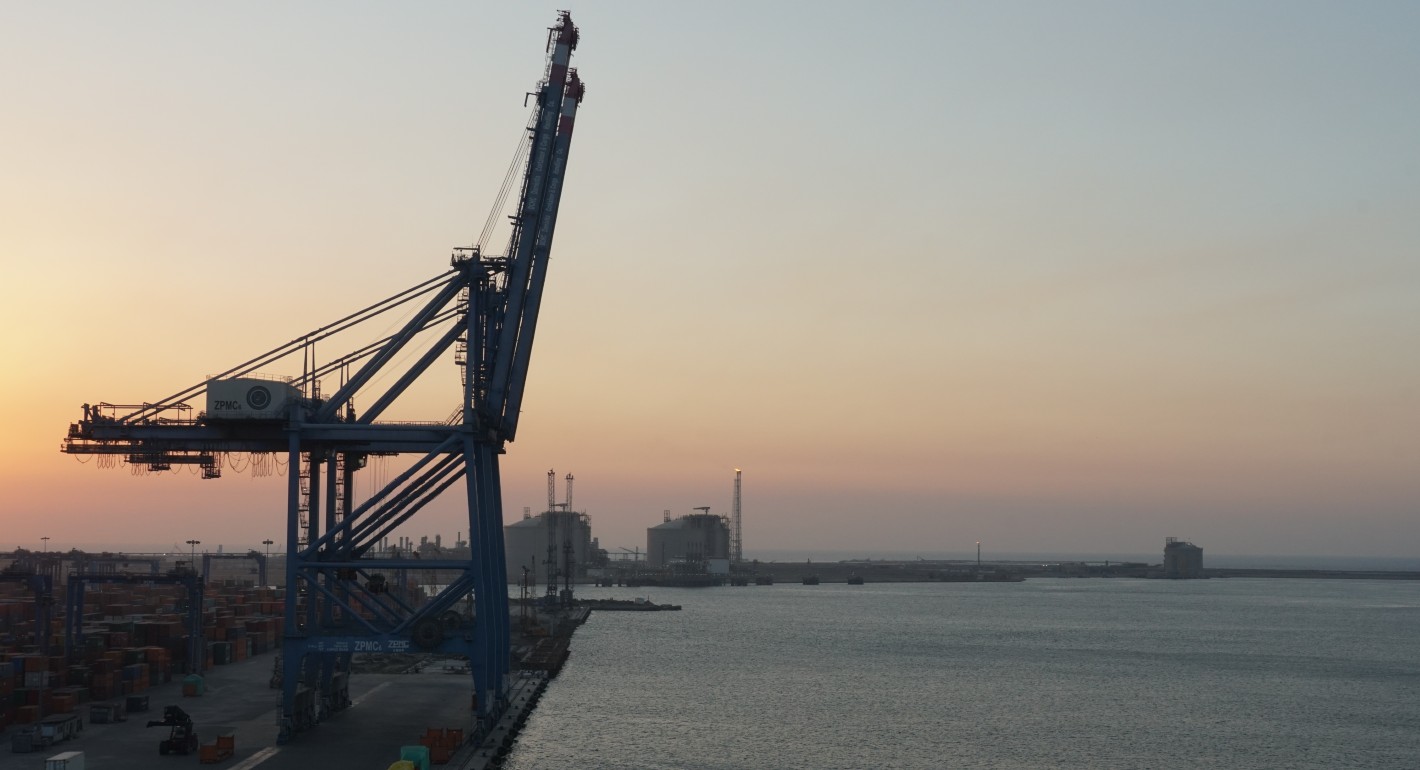
The targeting of Damietta Port appears to be more than a mere security message.

Amr Hamzawy
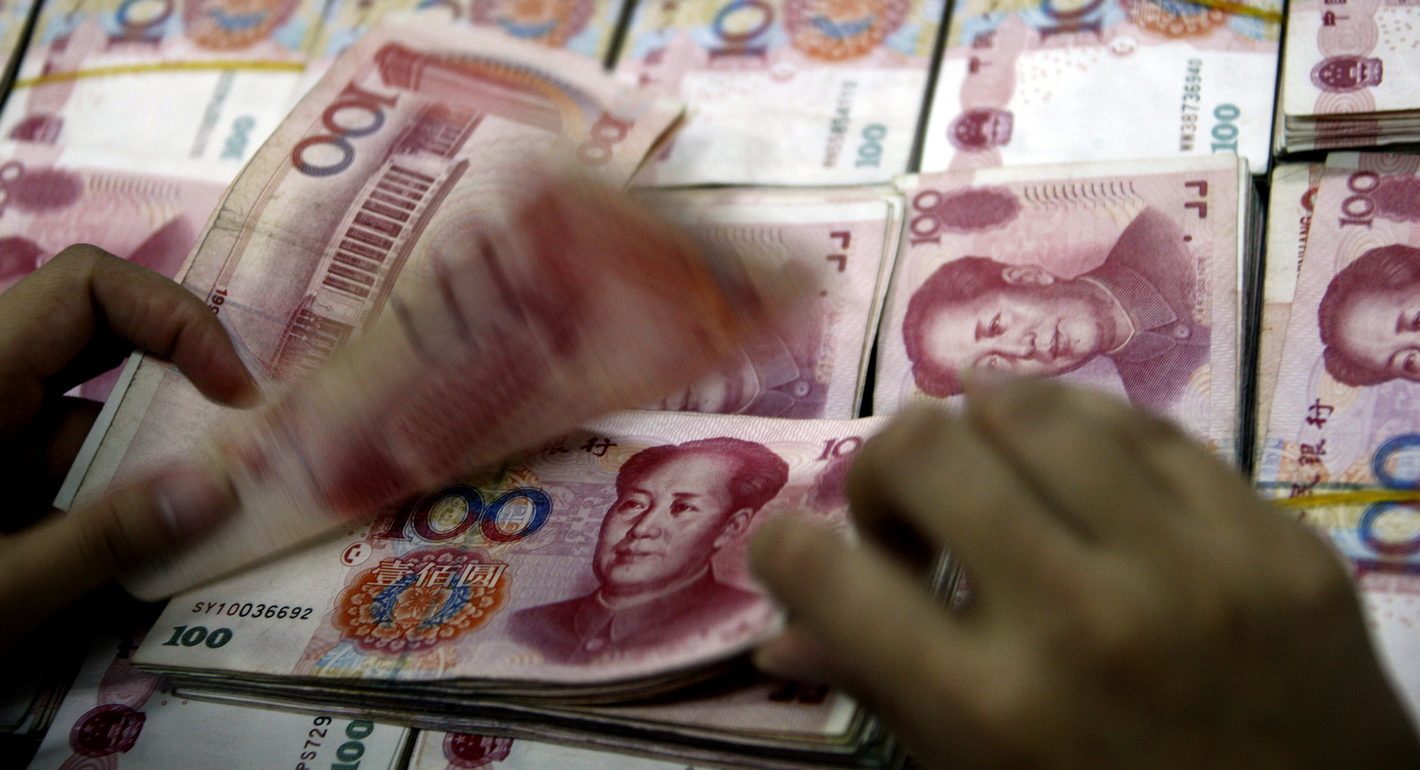
Is the Gulf moving beyond the dollar? This article examines how China is expanding the renminbi's role across Gulf markets, what that means for regional finance, and why the future of global currencies is more complex than the de-dollarization debate suggests.

Andrew Bonney
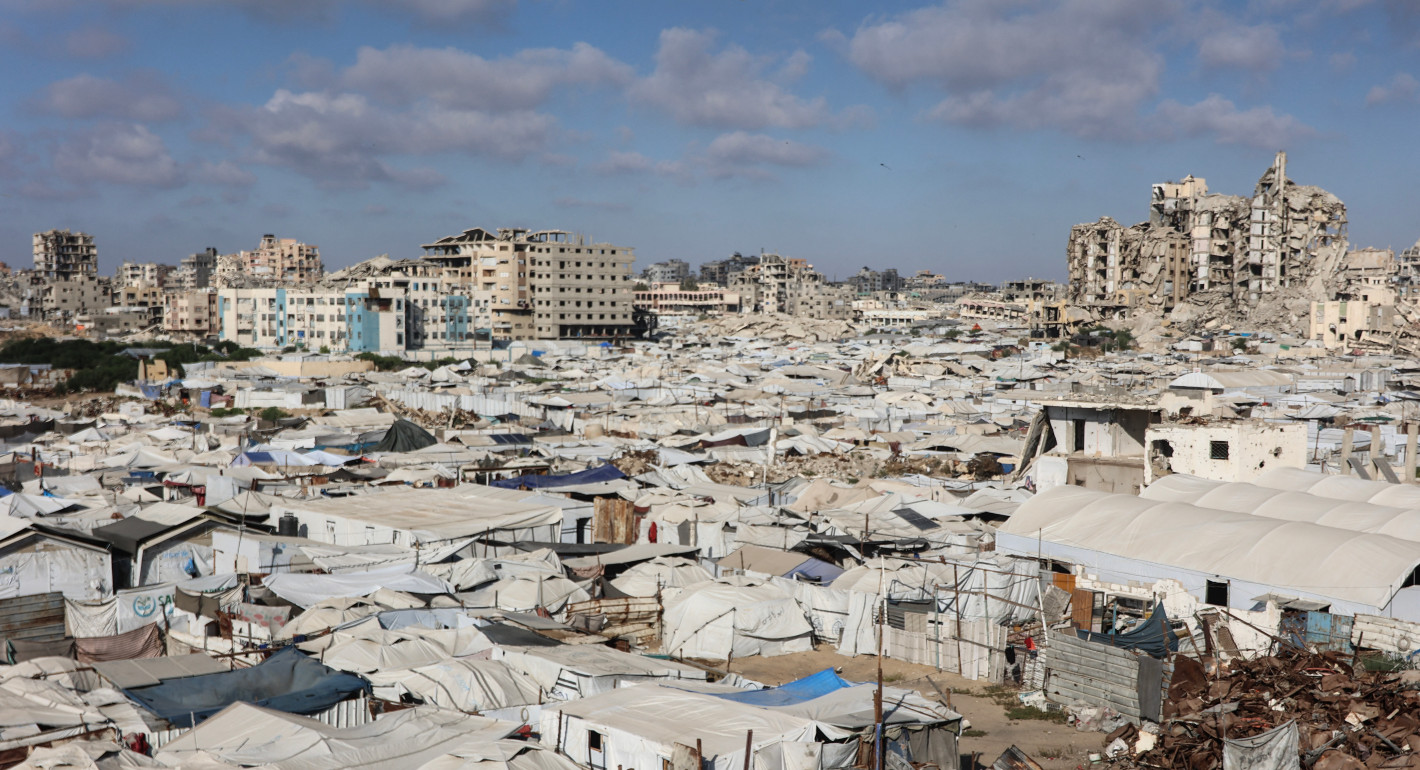
The Trump-led board has laid out blueprints for “voluntary emigration” and land confiscation.
Zaha Hassan
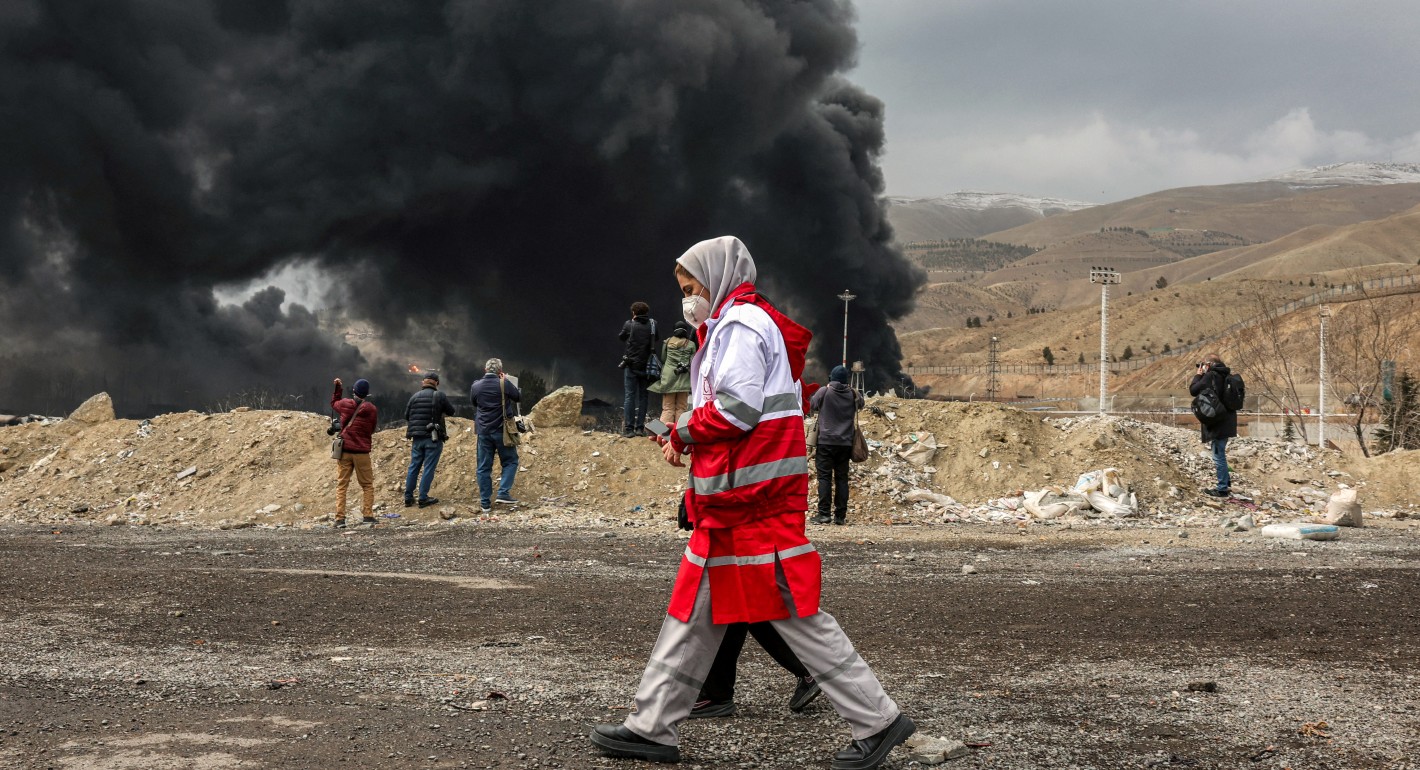
Acknowledging these harms strengthens the case for ethical limits on the weaponization of critical infrastructure.

Alia Sajjadian, Andrew Leber
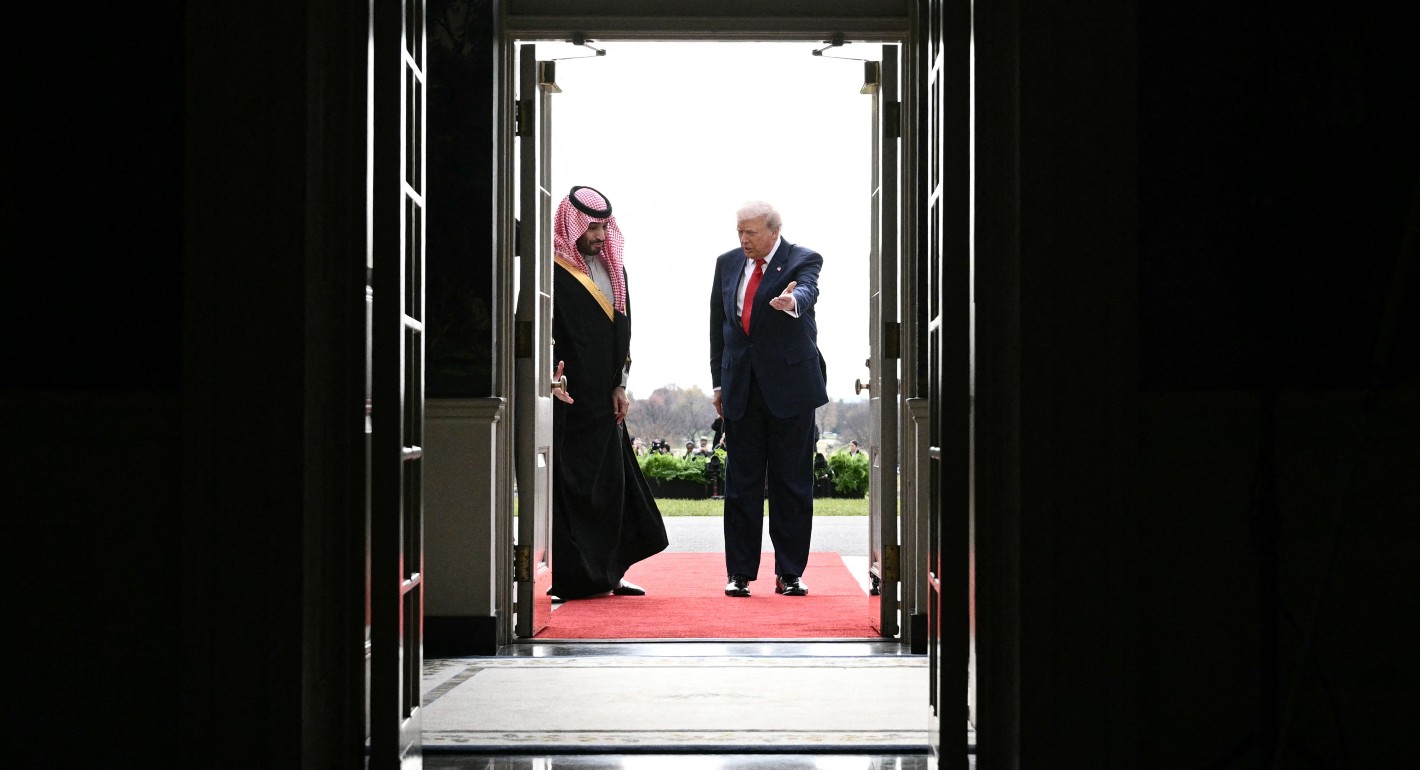
Despite the agreement’s uncertainty, it’s still a significant development in regional and nuclear policy.

Andrew Leber, Jane Darby Menton