

Commentary
With the growth in points of friction between the great powers, organizations like the SCO will continue to play a role in the strategic adaptation of the smaller powers caught between them.
Temur Umarov
{
  "authors": [],
  "type": "pressRelease",
  "centerAffiliationAll": "dc",
  "centers": [
    "Carnegie Endowment for International Peace"
  ],
  "collections": [],
  "englishNewsletterAll": "ctw",
  "nonEnglishNewsletterAll": "",
  "primaryCenter": "Carnegie Endowment for International Peace",
  "programAffiliation": "SAP",
  "programs": [
    "South Asia"
  ],
  "projects": [],
  "regions": [
    "South Asia",
    "India"
  ],
  "topics": []
}
REQUIRED IMAGE
President Obama departs for India in November on his first presidential visit to the world’s largest democracy.
WASHINGTON, October 28—President Obama departs for India next week on his first presidential visit to the world’s largest democracy. In a new paper, Ashley J. Tellis writes that Obama has a unique opportunity to cement a global partnership with a rapidly emerging power—and India has the potential to be America’s most important strategic partner. A strong bilateral relationship with New Delhi will help Washington manage China’s rise, promote democracy globally, and protect broader American interests.
Key Recommendations for the United States:
"By reaffirming the U.S. commitment to aid India’s growth in power and emphasizing America’s fellowship with India, Obama can help bring the two countries together on shared interests and move their relationship forward significantly," Tellis writes.
NOTES
Click here to read the full paper
Ashley J. Tellis is a senior associate in the Carnegie South Asia Program. He specializes in international security, defense, and Asian strategic issues and was intimately involved in the negotiations associated with the U.S.–India civil nuclear agreement. Previously, he was a senior adviser to the U.S. ambassador to India and was a special assistant to the president and senior director for strategic planning and Southwest Asia in the National Security Council.
The Carnegie South Asia Program informs policy debates relating to the region's security, economy, and political development. From the war in Afghanistan to Pakistan's internal dynamics to U.S. engagement with India, the Program's renowned team of experts offer in-depth analysis derived from their unique access to the people and places defining South Asia's most critical challenges.
Press Contact: Kendra Galante, 202-939-2233, pressoffice@ceip.org
Carnegie does not take institutional positions on public policy issues; the views represented herein are those of the author(s) and do not necessarily reflect the views of Carnegie, its staff, or its trustees.

With the growth in points of friction between the great powers, organizations like the SCO will continue to play a role in the strategic adaptation of the smaller powers caught between them.

Temur Umarov
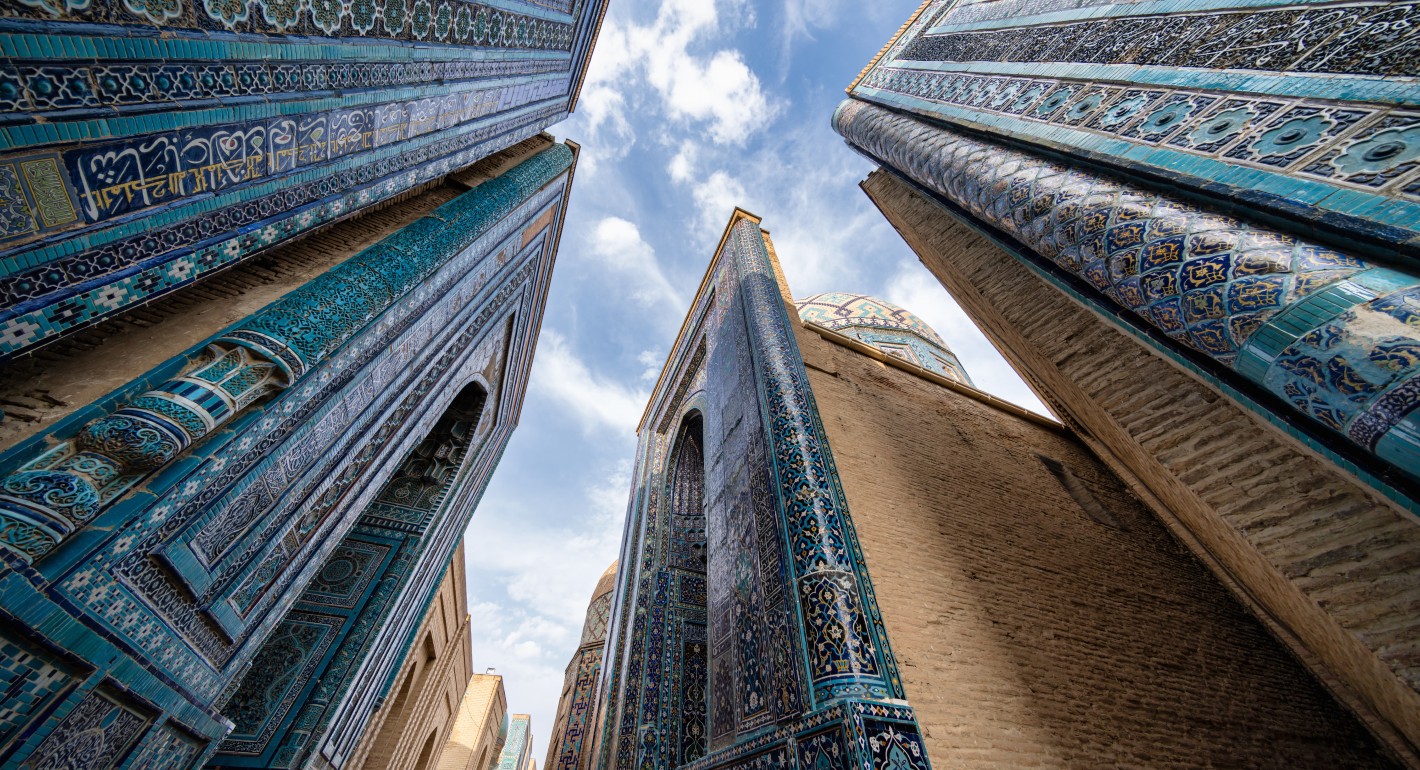
Xi, Putin, and other regional leaders are back-slapping in Bishkek, but the SCO has yet to answer the most serious questions about continental Asia's economic future.

Evan A. Feigenbaum

In any defense establishment, change is an ongoing process. However, despite the best of intentions, existing bureaucracies, bound by habit and years of socialization, have their limits in implementing transformative change.

Anit Mukherjee

As AI grows more sophisticated, as the supply chains that power it become more contested, and as access to frontier models becomes geopolitically charged, India must begin to ask a different set of questions. Not what applications it can build on someone else’s infrastructure but what the world needs.

Konark Bhandari
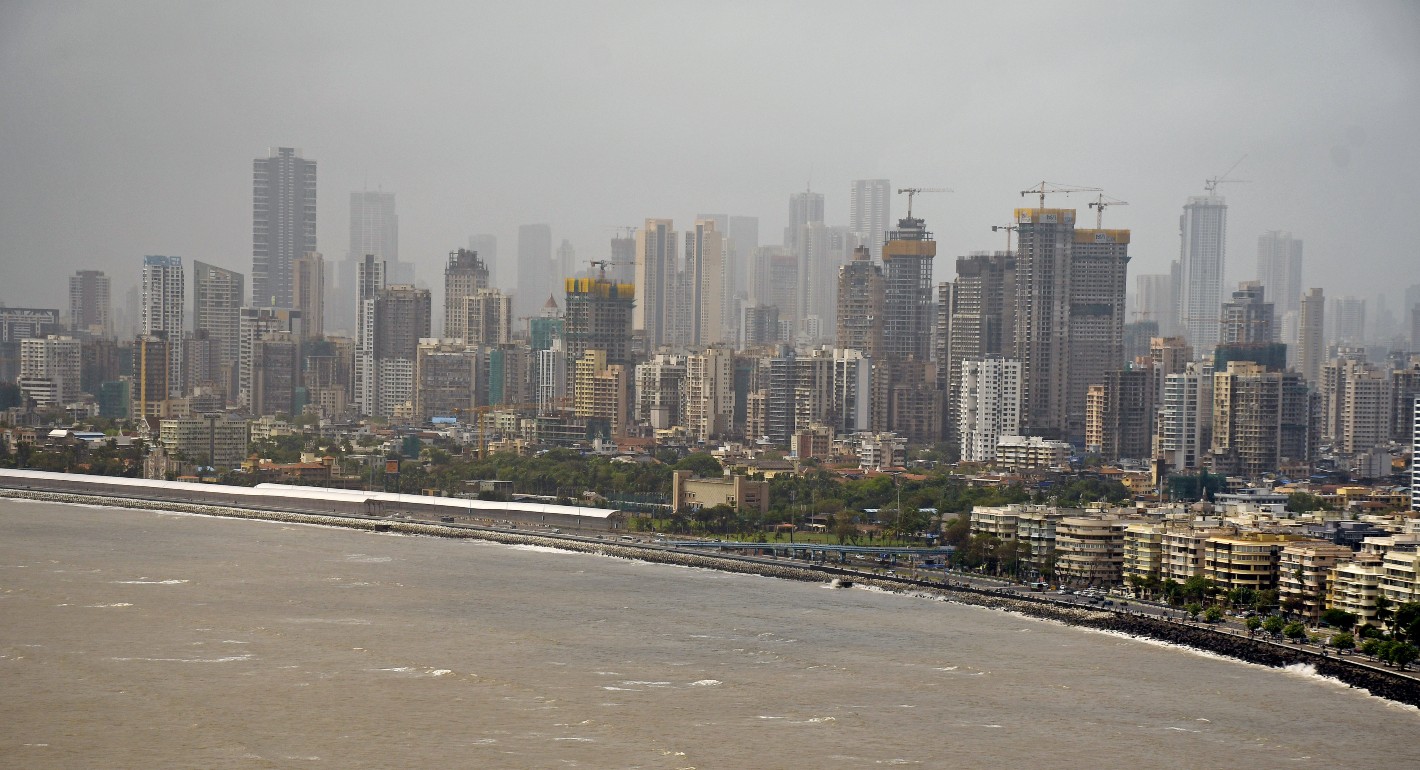
As India undergoes a demographic transition, its cities will be its economic powerhouse—but only if it accurately captures city growth and empowers cities to support their citizens.
Apoorva Jadhav