

Paper
James M. Acton, Ankit Panda
{
  "authors": [
    "James M. Acton"
  ],
  "type": "legacyinthemedia",
  "centerAffiliationAll": "dc",
  "centers": [
    "Carnegie Endowment for International Peace"
  ],
  "collections": [],
  "englishNewsletterAll": "ctw",
  "nonEnglishNewsletterAll": "",
  "primaryCenter": "Carnegie Endowment for International Peace",
  "programAffiliation": "NPP",
  "programs": [
    "Nuclear Policy"
  ],
  "projects": [],
  "regions": [
    "East Asia",
    "Japan"
  ],
  "topics": [
    "Nuclear Policy",
    "Nuclear Energy"
  ]
}
Source: Getty
As the crisis progresses at Japan's Daiichi nuclear reactors in Fukushima, authorities are struggling to determine the extent of radiation released and its health effects and to decide if and when the reactors should be entombed.
Source: Fox News
After Japan’s recent earthquake and subsequent tsunami triggered a crisis at Fukushima’s Daiichi nuclear reactors, Tokyo tap water has been declared sufficiently radioactive that the it should not be gievn to infants. Carnegie’s James Acton, speaking on Fox News’ Happening Now, explained that, barring further considerable releases of radiation from the Fukushima reactors, the radiation levels will decay steadily. One half of the remaining material decays every eight days, Acton said. At very low levels, exposure to radiation is not a problem and Acton added that the current levels of radiation in the Tokyo tap water are probably not dangerous to adults.
Acton also discussed the pressing question facing Japanese authorities of when and whether to entomb the reactors. He explained that the preferable scenario is for Japanese engineers to get the reactors under control and then encase them in concrete to prevent further radiation leakage.

Jessica T. Mathews Chair, Co-director, Nuclear Policy Program
Acton holds the Jessica T. Mathews Chair and is co-director of the Nuclear Policy Program at the Carnegie Endowment for International Peace.
Recent Work

James M. Acton, Ankit Panda
James M. Acton
Carnegie does not take institutional positions on public policy issues; the views represented herein are those of the author(s) and do not necessarily reflect the views of Carnegie, its staff, or its trustees.

The nuclear relationship between China and the United States is increasingly shaped by widening perception gaps rather than deliberate strategic design.

Tong Zhao

U.S. trading partners in Asia are closely watching the dispute for signs of how it may affect their own interests.

Barbara Weisel
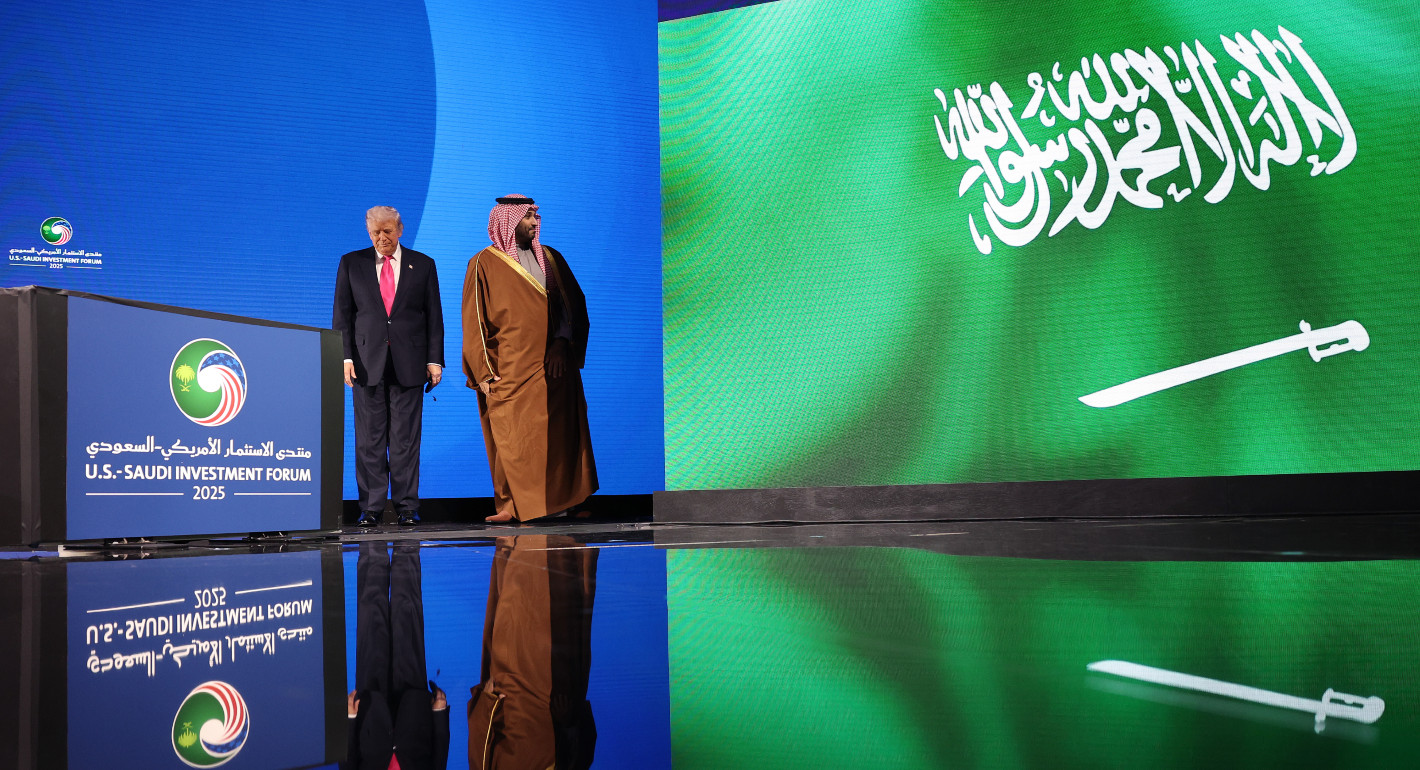
Congress should ask tough questions about the agreement’s more unique features and whether they advance U.S. interests or compromise them.

Jane Darby Menton
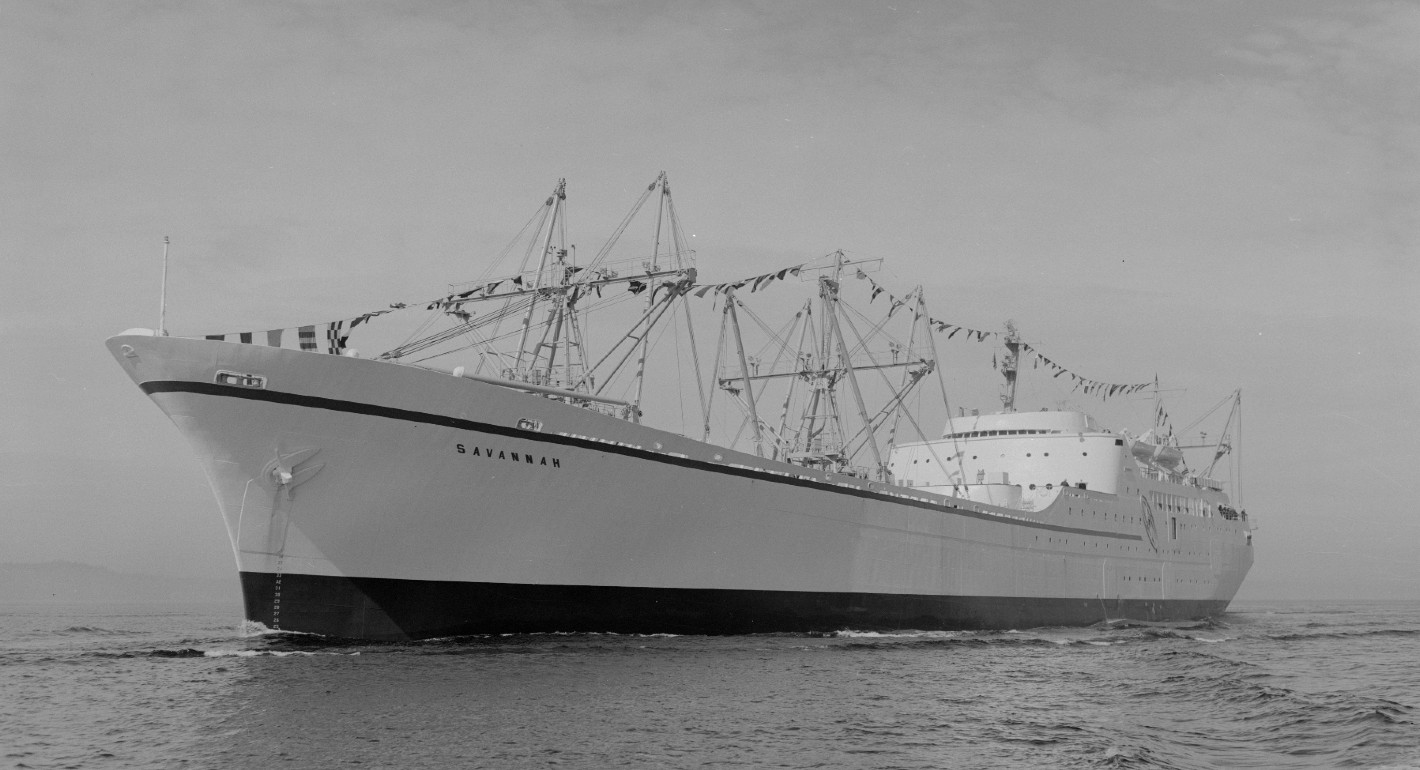
Nuclear and maritime communities face a long and challenging journey to deploy commercial nuclear applications at sea.


Jamie Kwong, Toby Dalton
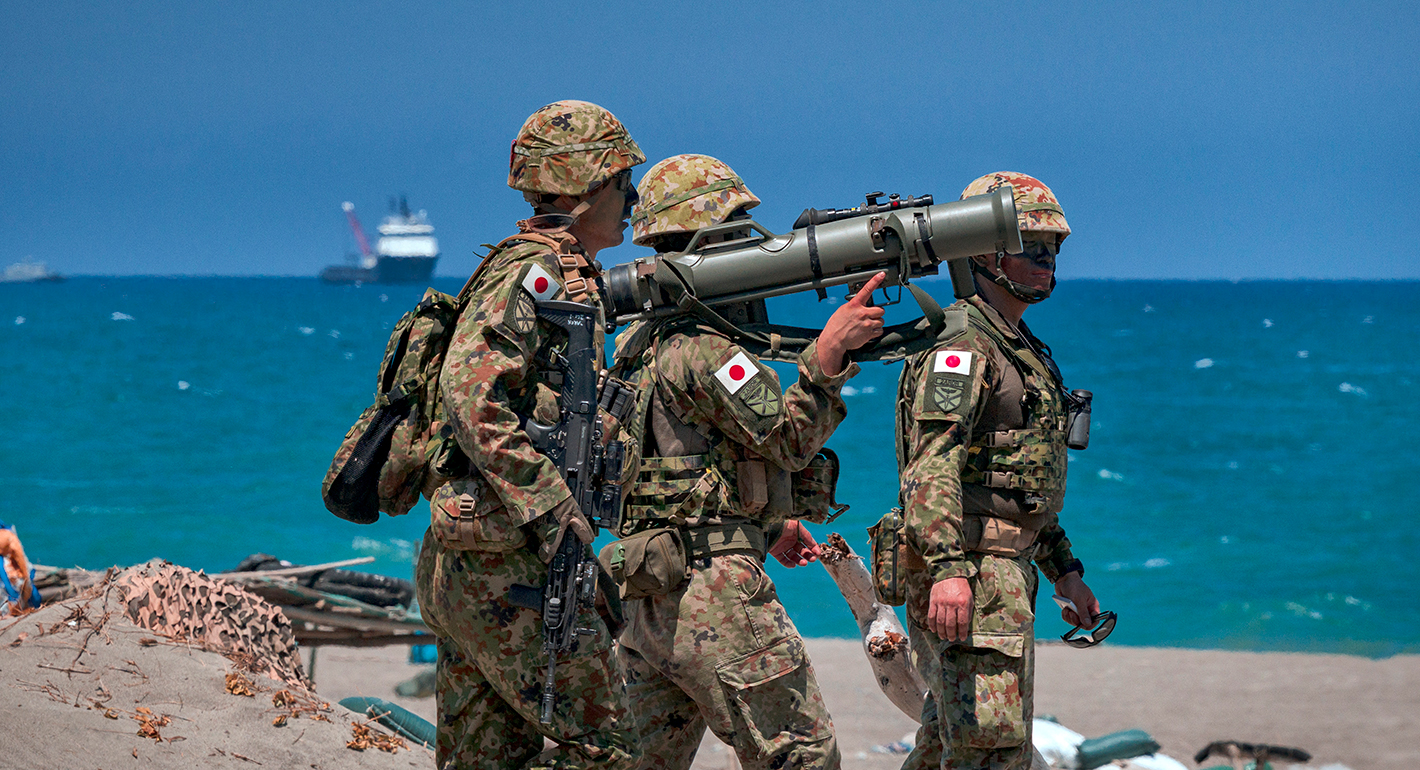
Japan’s revision of its three strategic documents reflects an intention to keep the United States engaged in the region while Japan fills any vacuums of U.S. power to preserve the Indo-Pacific order.
Ryo Sahashi