

Paper
James M. Acton, Ankit Panda
{
  "authors": [
    "James M. Acton"
  ],
  "type": "legacyinthemedia",
  "centerAffiliationAll": "dc",
  "centers": [
    "Carnegie Endowment for International Peace"
  ],
  "collections": [],
  "englishNewsletterAll": "ctw",
  "nonEnglishNewsletterAll": "",
  "primaryCenter": "Carnegie Endowment for International Peace",
  "programAffiliation": "NPP",
  "programs": [
    "Nuclear Policy"
  ],
  "projects": [],
  "regions": [
    "East Asia",
    "Japan"
  ],
  "topics": [
    "Nuclear Policy",
    "Nuclear Energy"
  ]
}
Source: Getty
As Japanese plant operators attempt to cool the remaining reactor cores at the damaged Fukushima nuclear plant, they must work with limited information, since the reactor buildings are highly radioactive, making it too dangerous to send workers in to get more accurate readings.
Source: Fox News
The lack of reliable information is making it difficult for analysts examining the crisis at Fukushima’s Daiichi nuclear reactors. Carnegie’s James Acton spoke on Fox News’ Happening Now about why so little is known about the status of the three reactor cores and six spent fuel pools in Fukushima. He explained that the reactor buildings are highly radioactive and filled with steam; making it too dangerous to send workers into the buildings. Measurement gauges in the buildings have been badly damaged. Accordingly, Acton said, plant operators are working to mitigate a crisis they did not anticipate and without detailed and accurate knowledge about the progression of the crisis.
Asked about the possibility of the reactor core exploding at one of the three remaining reactors where the core has yet to cool, Acton emphasized that such a scenario is extremely unlikely. However, he said that smaller explosions in the reactor building – but not in the core – are possible.

Jessica T. Mathews Chair, Co-director, Nuclear Policy Program
Acton holds the Jessica T. Mathews Chair and is co-director of the Nuclear Policy Program at the Carnegie Endowment for International Peace.
Recent Work

James M. Acton, Ankit Panda
James M. Acton
Carnegie does not take institutional positions on public policy issues; the views represented herein are those of the author(s) and do not necessarily reflect the views of Carnegie, its staff, or its trustees.

U.S. trading partners in Asia are closely watching the dispute for signs of how it may affect their own interests.

Barbara Weisel

Congress should ask tough questions about the agreement’s more unique features and whether they advance U.S. interests or compromise them.

Jane Darby Menton

Nuclear and maritime communities face a long and challenging journey to deploy commercial nuclear applications at sea.


Jamie Kwong, Toby Dalton
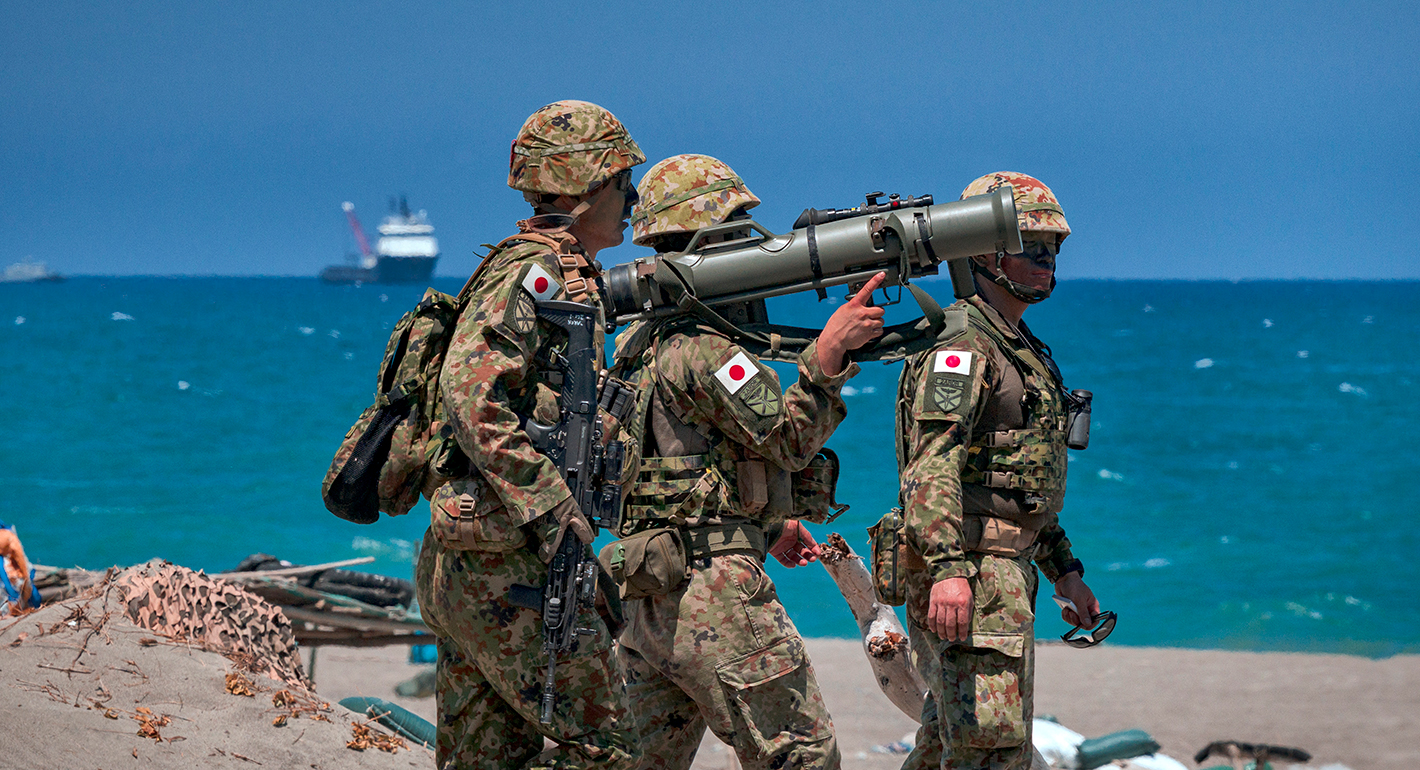
Japan’s revision of its three strategic documents reflects an intention to keep the United States engaged in the region while Japan fills any vacuums of U.S. power to preserve the Indo-Pacific order.
Ryo Sahashi

Chinese biotech companies have been on the receiving end of U.S. economic coercion. Yet their responses have differed significantly because firm and state interests are not uniformly aligned. For Washington, treating all Chinese tech firms the same, irrespective of their actual interests, risks pushing them farther into Beijing’s corner.

Xue Gong