

Paper
James M. Acton, Ankit Panda
{
  "authors": [
    "James M. Acton"
  ],
  "type": "legacyinthemedia",
  "centerAffiliationAll": "dc",
  "centers": [
    "Carnegie Endowment for International Peace"
  ],
  "collections": [],
  "englishNewsletterAll": "ctw",
  "nonEnglishNewsletterAll": "",
  "primaryCenter": "Carnegie Endowment for International Peace",
  "programAffiliation": "NPP",
  "programs": [
    "Nuclear Policy"
  ],
  "projects": [],
  "regions": [
    "East Asia",
    "Japan"
  ],
  "topics": [
    "Nuclear Policy",
    "Nuclear Energy"
  ]
}
Source: Getty
Much remains unknown as Japan attempts to cool the nuclear reactors and spent fuel rods at its damaged Fukushima nuclear plant, including whether restoring electricity to the cooling systems will help prevent the crisis from growing.
Source: CBS
KATIE COURIC, CBS: James Acton with the Carnegie Endowment for International Peace is a physicist and an expert on nuclear safety. James, Japanese officials acknowledged what U.S. officials said yesterday, those spent fuel rods, more than 11,000 of them in rapidly evaporating pools are the real danger. Why initially were there two different assessments of the situation?
JAMES ACTON, Carnegie Endowment for International Peace: In many ways I think there probably still are two different assessments of the situation. There`s no question that the evaporating fuel pools is serious. Without all of that water as shielding, this site is going to become much more heavily irradiated and consequently harder to move around and work it. But I think there`s a genuine disagreement here over the chances that without the cooling effect of water these fuel rods could ignite. And there`s a disagreement over how risky that is compared to the consequences of a meltdown.
COURIC: Are helicopters and water hoses really the best solution to this crisis?
ACTON: Probably yes is the answer to that one. We’re far beyond the playbook on this. There`s no manual, there`s no emergency equipment, to deal with this kind of extreme situation. So right now the Japanese government are being forced to improvise.
COURIC: If the power comes on, will that solve the problem?
ACTON: I don`t know, but this is going to be a pivotal moment when the power comes on because if the cooling systems in the reactors and fuel ponds are basically sound and then the power comes on, then that -- We might look at that moment as the beginning of the end of this crisis. If, however, the cooling systems are damaged and the power comes on, they might not function correctly and this crisis could continue.
COURIC: James Acton of the Carnegie Endowment. Thank you.
ACTON: Thank you, Katie.

Jessica T. Mathews Chair, Co-director, Nuclear Policy Program
Acton holds the Jessica T. Mathews Chair and is co-director of the Nuclear Policy Program at the Carnegie Endowment for International Peace.
Recent Work

James M. Acton, Ankit Panda
James M. Acton
Carnegie does not take institutional positions on public policy issues; the views represented herein are those of the author(s) and do not necessarily reflect the views of Carnegie, its staff, or its trustees.

U.S. trading partners in Asia are closely watching the dispute for signs of how it may affect their own interests.

Barbara Weisel
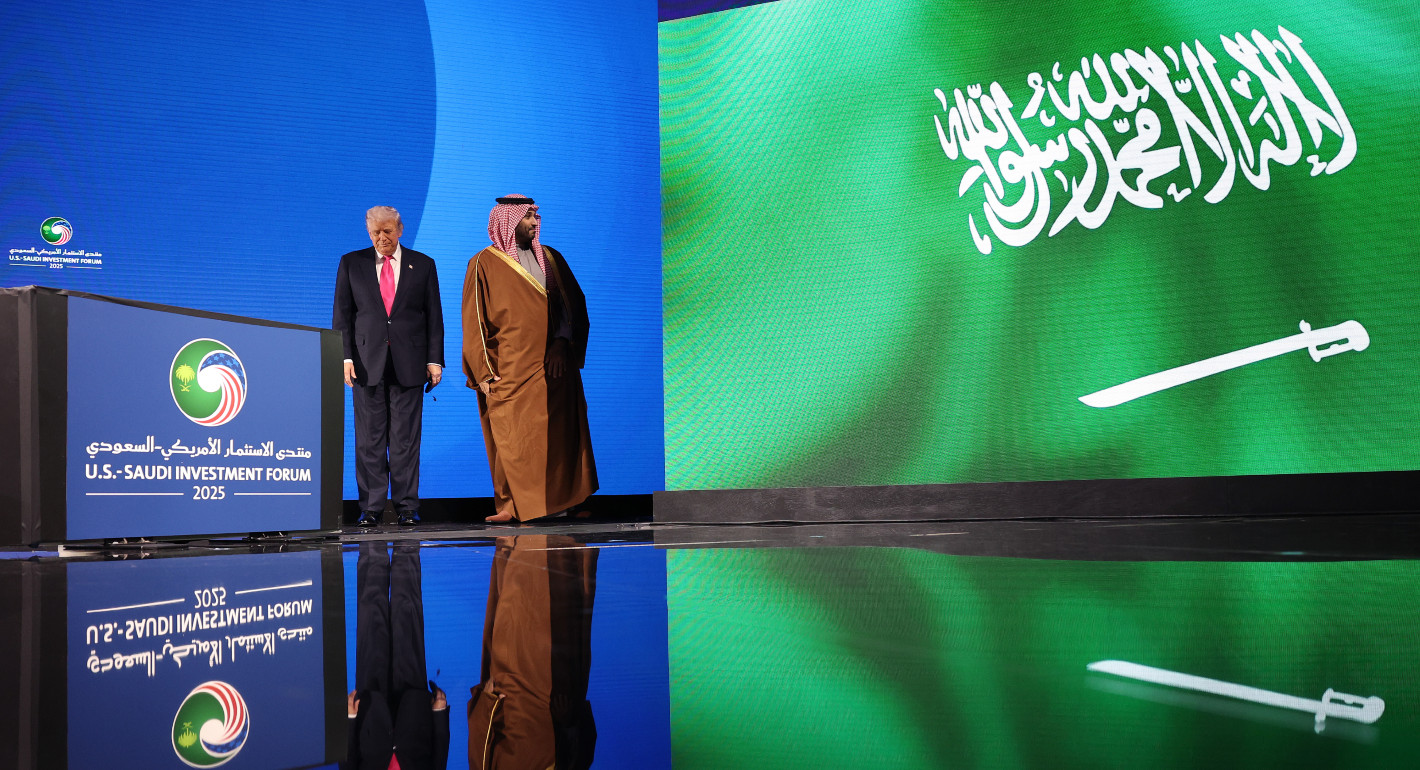
Congress should ask tough questions about the agreement’s more unique features and whether they advance U.S. interests or compromise them.

Jane Darby Menton
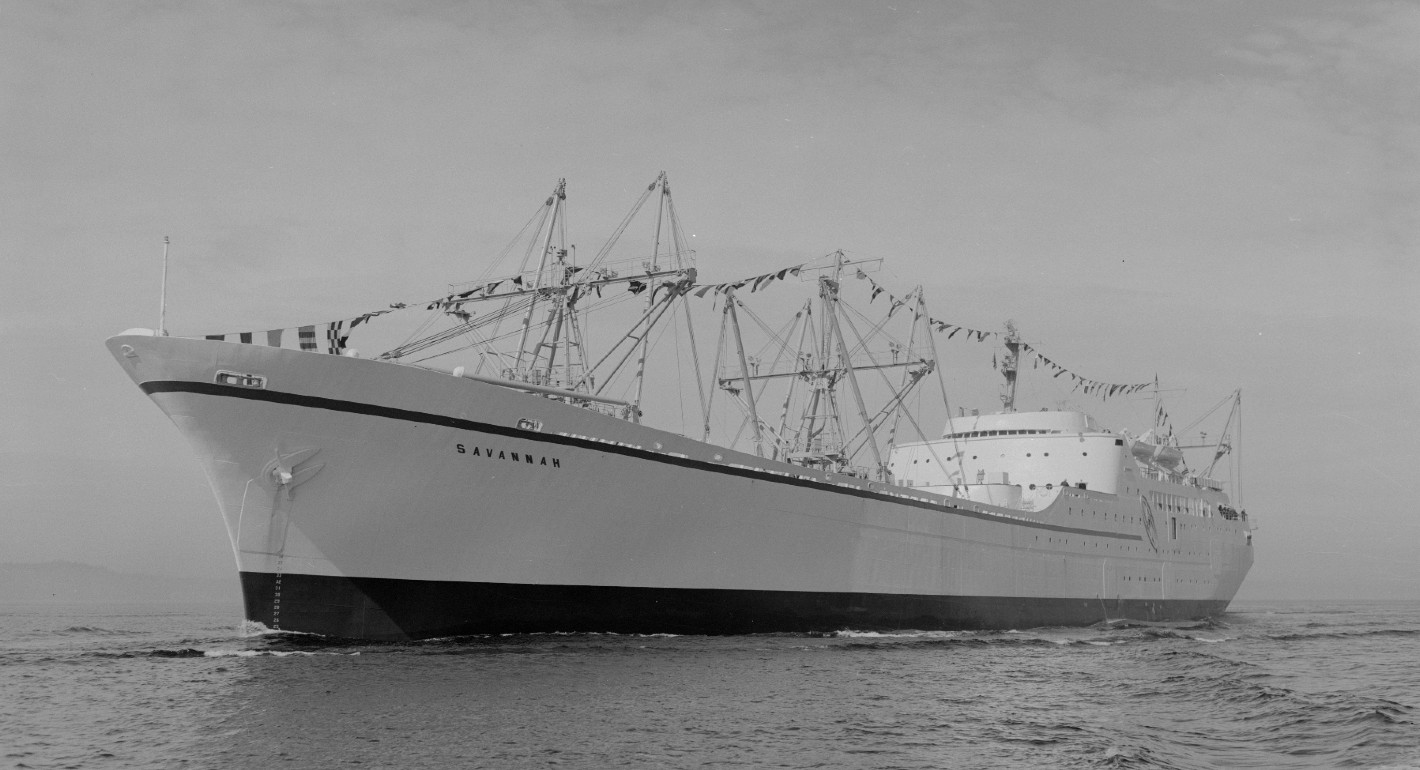
Nuclear and maritime communities face a long and challenging journey to deploy commercial nuclear applications at sea.


Jamie Kwong, Toby Dalton
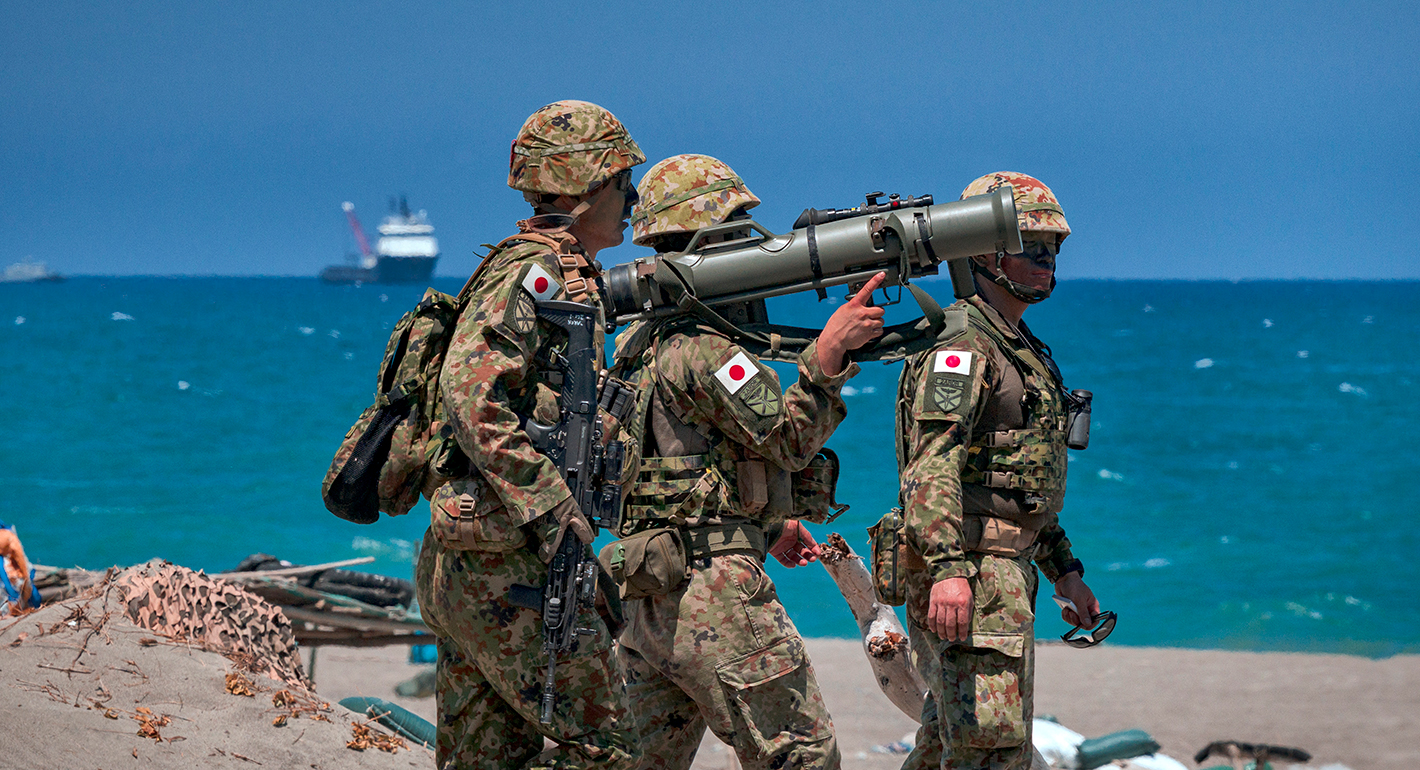
Japan’s revision of its three strategic documents reflects an intention to keep the United States engaged in the region while Japan fills any vacuums of U.S. power to preserve the Indo-Pacific order.
Ryo Sahashi

Chinese biotech companies have been on the receiving end of U.S. economic coercion. Yet their responses have differed significantly because firm and state interests are not uniformly aligned. For Washington, treating all Chinese tech firms the same, irrespective of their actual interests, risks pushing them farther into Beijing’s corner.

Xue Gong