

Commentary
Nuclear and maritime communities face a long and challenging journey to deploy commercial nuclear applications at sea.
Jamie Kwong, Toby Dalton
{
  "authors": [],
  "type": "pressRelease",
  "centerAffiliationAll": "dc",
  "centers": [
    "Carnegie Endowment for International Peace"
  ],
  "collections": [],
  "englishNewsletterAll": "ctw",
  "nonEnglishNewsletterAll": "",
  "primaryCenter": "Carnegie Endowment for International Peace",
  "programAffiliation": "NPP",
  "programs": [
    "Nuclear Policy"
  ],
  "projects": [],
  "regions": [],
  "topics": [
    "Nuclear Policy"
  ]
}
REQUIRED IMAGE
Toby Dalton, a former director and senior adviser on nonproliferation issues for the U.S. Department of Energy, has joined the Carnegie Endowment as the deputy director of its Nuclear Policy Program.
WASHINGTON, March 11—Toby Dalton, a former director and senior adviser on nonproliferation issues for the U.S. Department of Energy, has joined the Carnegie Endowment as the deputy director of its Nuclear Policy Program.
Making the announcement, George Perkovich, vice president for studies and director of the Carnegie Nuclear Policy Program, said:
“Toby’s leadership at the Department of Energy on nonproliferation and nuclear security issues will be invaluable as Carnegie seeks to reduce the role and number of nuclear weapons in the world. His on-the-ground experience overseeing U.S. nonproliferation initiatives in Pakistan—and his highly regarded expertise on emerging nuclear powers, such as India, China, and North Korea—will help Carnegie advance the message that realism about the political and security drivers of nuclear policies should make people more interested in seeking disarmament, not less. It’s an added pleasure to welcome Toby back to the Endowment, where his career began.”
Dalton said:
“I’m thrilled to be back with many former colleagues at Carnegie and to be supporting its critical work on nuclear security and nonproliferation. This is a particularly challenging time for the disarmament community, both in Asia and internationally. I look forward to bringing attention to practical solutions that will ensure the continued security of nuclear weapons while leading to their elimination.”
NOTES
Toby Dalton is the deputy director of the Nuclear Policy Program at the Carnegie Endowment. An expert on nonproliferation and nuclear energy, his research focuses on cooperative nuclear security initiatives and the management of nuclear challenges in South Asia and East Asia.
From 2002-2010, Dalton served in a variety of high-level leadership positions at the U.S. Department of Energy (DOE). Most recently, he was acting director for the Office of Nuclear Safeguards and Security, where he implemented the U.S. Next Generation Safeguards Initiative and international nuclear security programs.
Previously, he established and led the department’s office at the U.S. embassy in Pakistan, managing critical bilateral and multilateral nonproliferation issues and overseeing the implementation of U.S. nonproliferation and counterproliferation initiatives. While at DOE, Dalton also was senior policy adviser to the office of nonproliferation and international security on issues relating to International Atomic Energy Agency (IAEA) safeguards, the nonproliferation regime, and a range of countries, including Pakistan, India, China, North Korea, and Israel. He also was detailed to the Senate Foreign Relations Committee to provide support and guidance on nonproliferation and arms sales issues.
Prior to his work at DOE, Dalton was named a Luce Scholar for the Institute for Far Eastern Studies in Seoul, South Korea, a research associate at the National Bureau of Asian Research, and a project associate for the Carnegie Nuclear Policy Program. Dalton has authored numerous op-eds and journal articles, and contributed to the book Understanding New Political Realities in Seoul: Working toward a Common Approach to Strengthen U.S.-Korea Relations.
The Carnegie Nuclear Policy Program is an internationally acclaimed source of expertise and policy thinking on nuclear industry, nonproliferation, security, and disarmament. Its multinational staff stays at the forefront of nuclear policy issues in the United States, Russia, China, Northeast Asia, South Asia, and the Middle East.
Press Contact: Karly Schledwitz, +1 202 939 2233, pressoffice@ceip.org
Carnegie does not take institutional positions on public policy issues; the views represented herein are those of the author(s) and do not necessarily reflect the views of Carnegie, its staff, or its trustees.

Nuclear and maritime communities face a long and challenging journey to deploy commercial nuclear applications at sea.


Jamie Kwong, Toby Dalton

A look at how public opinion influences the credibility of coercive nuclear threats,and how it enables and constrains strategies of nuclear coercion.

Lauren Sukin, Samuel Seitz
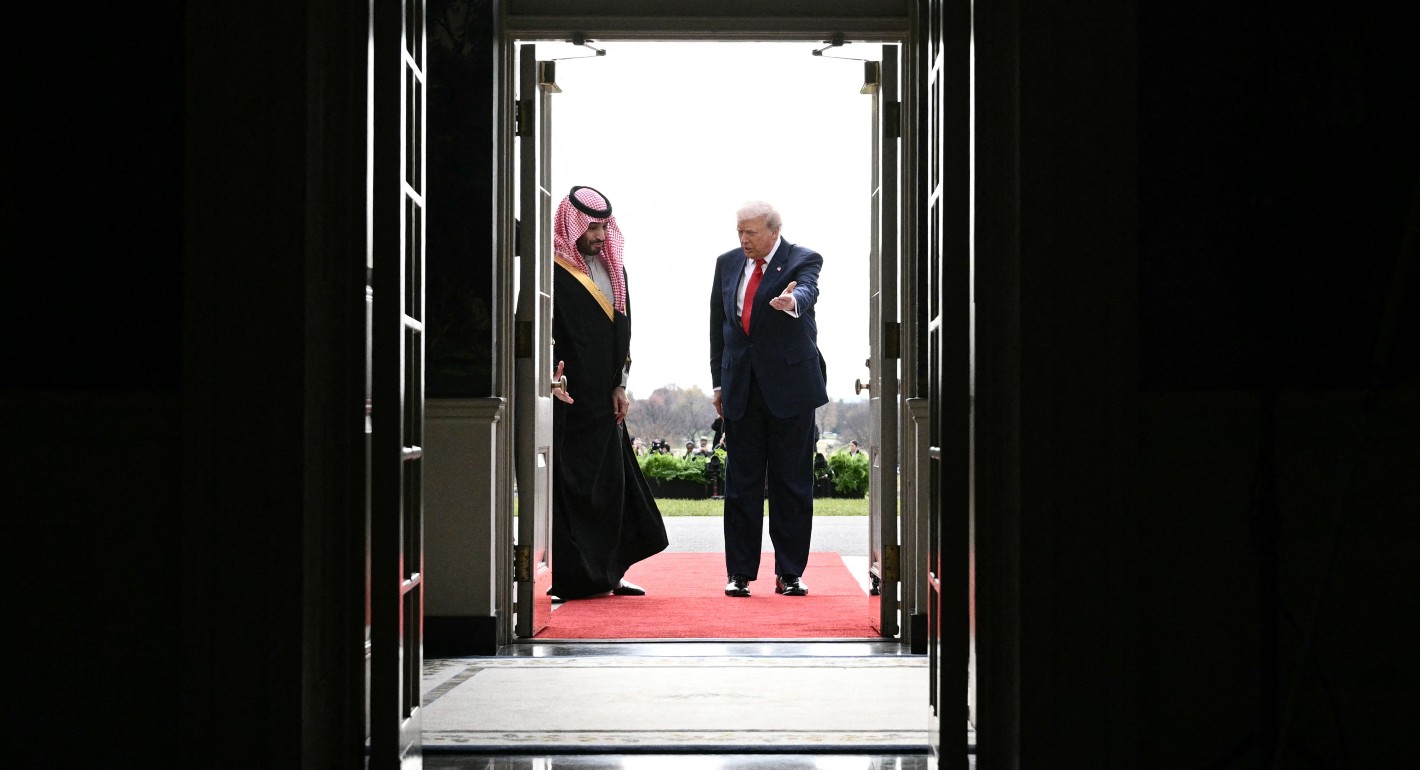
Despite the agreement’s uncertainty, it’s still a significant development in regional and nuclear policy.


Andrew Leber, Jane Darby Menton
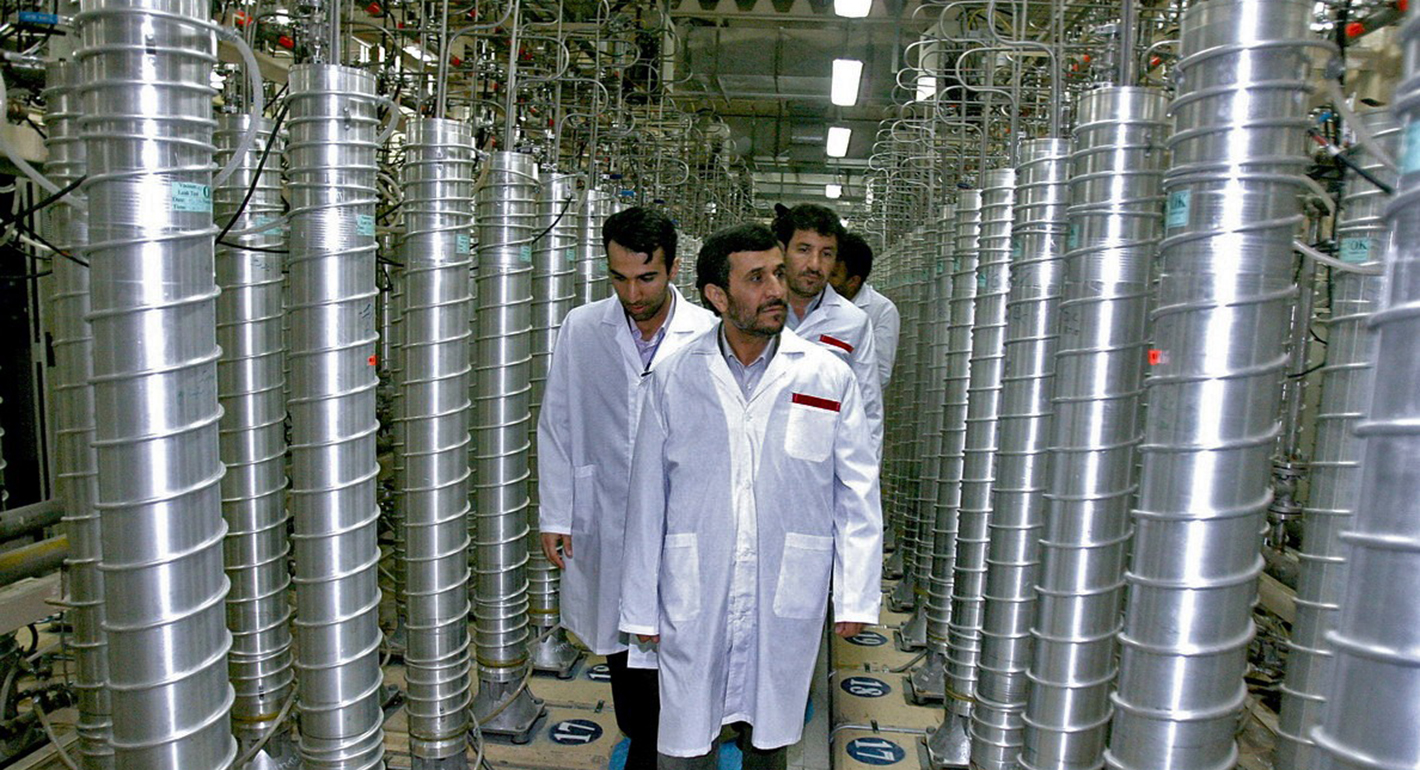
The nuclear weapons threshold is increasingly important for proliferation strategy and policy. Policymakers should better understand the implications of the threshold phenomenon in the current international security environment and plausible strategies to deal with the growing challenge that it presents.

Ariel (Eli) Levite, Toby Dalton
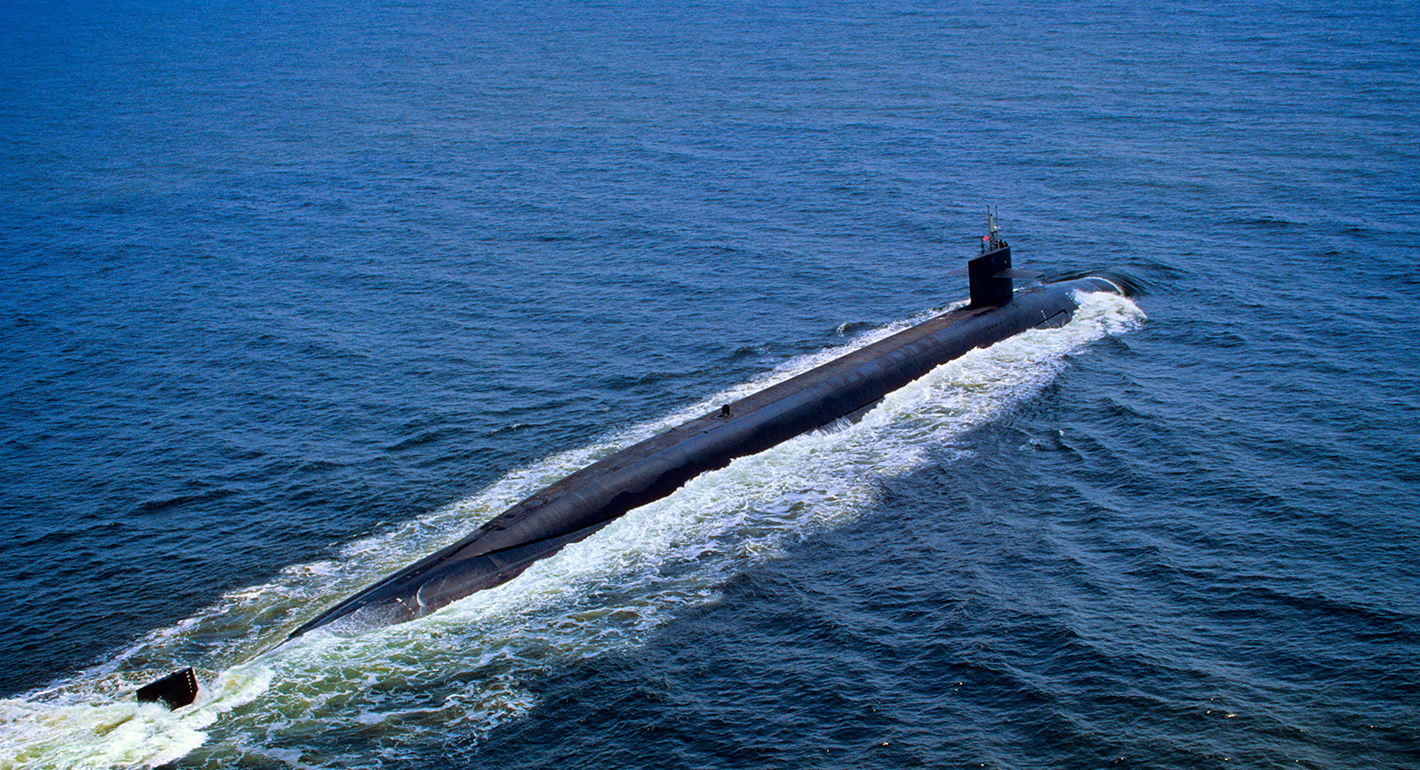
It seems likely that, no matter what, the power of the U.S. nuclear arsenal will face erosion, not least in the credibility of its commitments to defend allies and the political durability of those alliances.


James M. Acton, Ankit Panda