

Commentary
Nathalie Tocci, Jan Techau
{
  "authors": [
    "Jan Techau"
  ],
  "type": "legacyinthemedia",
  "centerAffiliationAll": "",
  "centers": [
    "Carnegie Endowment for International Peace",
    "Carnegie Europe"
  ],
  "collections": [
    "Transatlantic Cooperation",
    "Brexit and UK Politics"
  ],
  "englishNewsletterAll": "",
  "nonEnglishNewsletterAll": "",
  "primaryCenter": "Carnegie Europe",
  "programAffiliation": "",
  "programs": [],
  "projects": [],
  "regions": [
    "Europe",
    "North America"
  ],
  "topics": [
    "Foreign Policy"
  ]
}
Source: Getty
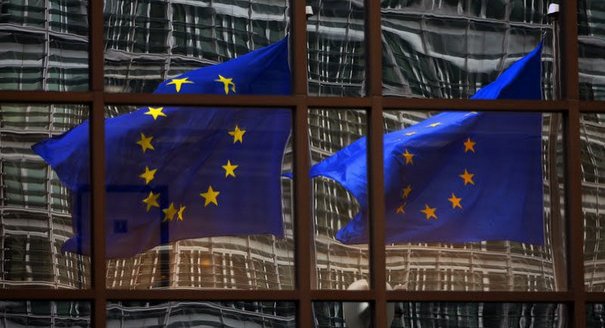
When it comes to Europe’s security, the EU should focus on strengthening its transatlantic relationship, rather than continue to support the problematic Common Security and Defence Policy.
Source: The European Council on Foreign Relations

One of the all-time classics of EU inaptness is its Common Security and Defence Policy (CSDP). CSDP, despite a handful of missions and lots of symbolism, is in a deep coma – a coma it will most likely never get out of. But that is not as disastrous as it might sound, because there is an alternative for Europeans seeking to keep their continent free and safe. It’s the transatlantic relationship. In the end, it’s Americans who will guarantee Europe’s security, no matter how difficult this will be for proud Europeans to accept. Here is why.
Four severe shortcomings render CSDP expendable: lack of legitimacy, lack of ability, lack of motivation and lack of necessity.
Legitimacy: Any political system needs both output legitimacy: i.e. the capability to produce tangible benefits for its subjects, and input legitimacy, i.e. the ability of citizens to participate in the system’s decision-making. The EU, so far, has operated almost entirely on output legitimacy. The capacity for Europeans to make their voices heard on EU affairs is systematically underdeveloped, an issue that seriously undermines efforts to widen and deepen integration. For CSDP, this poses an almost insurmountable obstacle. A fully developed CSDP – creating one EU voice, a useful crisis management toolbox (both civilian and military), streamlined decision-making, unified training and doctrine and common command structures – would need a new sovereignty bargain creating entirely new sources of legitimacy. Much more political participation would have to be allowed, which would require a European body politic, thereby inevitably leading to questions of European statehood – a subject that is anathema to basically everyone in Europe today. The current set-up does not deliver such huge quantities of legitimacy for the EU. But without it, a more substantial CSDP has no foundation.
Ability: Europe’s striking lack of operational capacities in both the civilian and military sectors are in stark contrast to the absolute amount of funds invested in them. Many European militaries resemble job schemes, not fighting machines. Even the limited capabilities available today are being further reduced. With most European countries being basically broke, military spending will be cut further. France, Germany, the United Kingdom, Italy, and the Netherlands are already downsizing their troop and civilian capacities. The Libya mission, much heralded as the blueprint for a more independent European defence posture, would have fallen apart without American logistics, reconnaissance, command and control, and, most embarrassingly, ammunition. In short: even if EU member states wanted to make the CSDP a reality, they would neither be able to do it now, nor would they be likely to in the future.
Motivation: The biggest problem about CSDP is the fact that member states basically don’t want it. Budgets are the best indicator for where real political priorities lie, and neither the EU budget nor national budgets indicate that EU leaders host serious ambitions about security and defence. Another indicator is what’s actually happening on the ground. Thirteen CSDP missions are being conducted at the moment, most of which are small in scale, limited in scope and minute in effect. None of these missions are commensurate to the size, the potential, the responsibility, and the proclaimed ambition of the EU. France and the UK prefer to organise their cooperation outside the EU, a German senior official speaks openly about the EU “not being the place for security cooperation” and the wider public, oblivious to strategic concerns and steeped in a simplistic culture of pacifism, wants nothing to do with measures to address global stability. The European Defence Agency is underused, and the EU-NATO deadlock knows no end. And European leaders, devoid of any unpopular ambition, show no sign of leadership to do change all that. Does anyone want CSDP?
Necessity: Even in an ideal world, with increased capabilities, strong legitimacy and ample political will, CSDP would still not be enough to keep Europe safe and free. Even in the best of circumstances, Europe would not have the expeditionary forces, global surveillance assets or other required tools to protect its global interests. Nor would it have the conventional forces to effectively defend itself, should that need arise. It would not have a replacement for the US nuclear umbrella that keeps it protected from political blackmail by outside powers. Europe would still depend on imported security to retain its comfortable lifestyle. But here comes the big point: Europe does not need to create all that herself, because her American ally has been providing all these services at a relatively moderate price and will continue to do so. What Americans want in return is a visible contribution to burden sharing, and creative ideas and concepts on how to manage the vagaries of a multipolar world. The United States, even when more isolationist and less affluent, won’t abandon Europe as it has a strong interest in a stable counter-coast in the Atlantic, its large business interests in Europe, and a balance of power in the Eurasian region. Also, Europeans are, by and large, the most reliable (and culturally familiar) allies America will ever have.
In sum, Europeans don’t have the mandate to do CSDP, they don’t have the means to do it, they really don’t want to do it and they also don’t have to do it. Then why do it? Europeans will be reliant on the US with or without CSDP. Their aspiration should therefore not be to follow futile strategies of independence or counterbalancing. Rather, Europe should stop building a Potemkin village called CSDP when what it really needs will be delivered in return for some solid cultivation of the transatlantic link. In a world in which the West gets relatively weaker, this is more warranted than ever.
This article was originally published by The European Council on Foreign Relations.

Director, Europe Team, Eurasia Group
Techau is director with Eurasia Group's Europe team, covering Germany and European security from Berlin. Previously, he was director of Carnegie Europe.
Recent Work

Nathalie Tocci, Jan Techau
Jan Techau
Carnegie does not take institutional positions on public policy issues; the views represented herein are those of the author(s) and do not necessarily reflect the views of Carnegie, its staff, or its trustees.
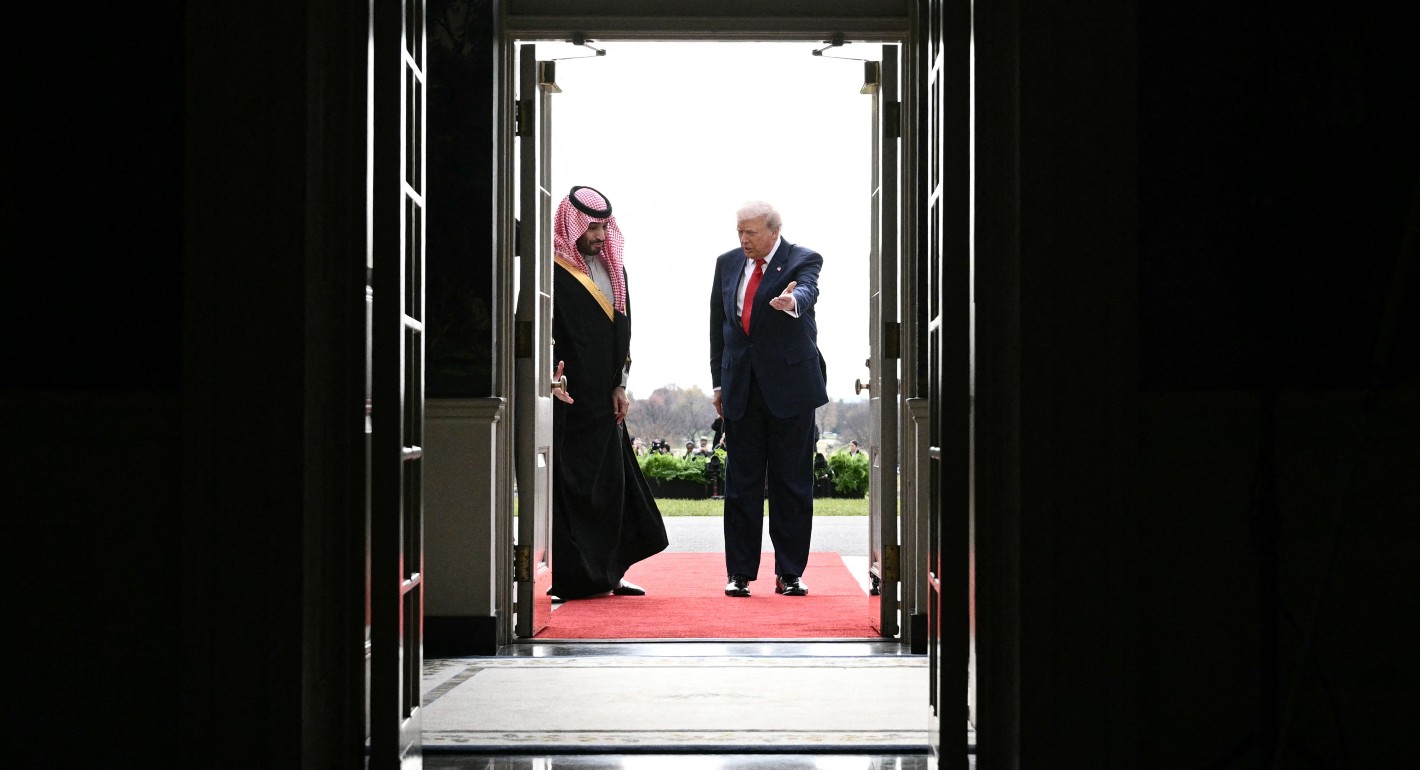
Despite the agreement’s uncertainty, it’s still a significant development in regional and nuclear policy.


Andrew Leber, Jane Darby Menton
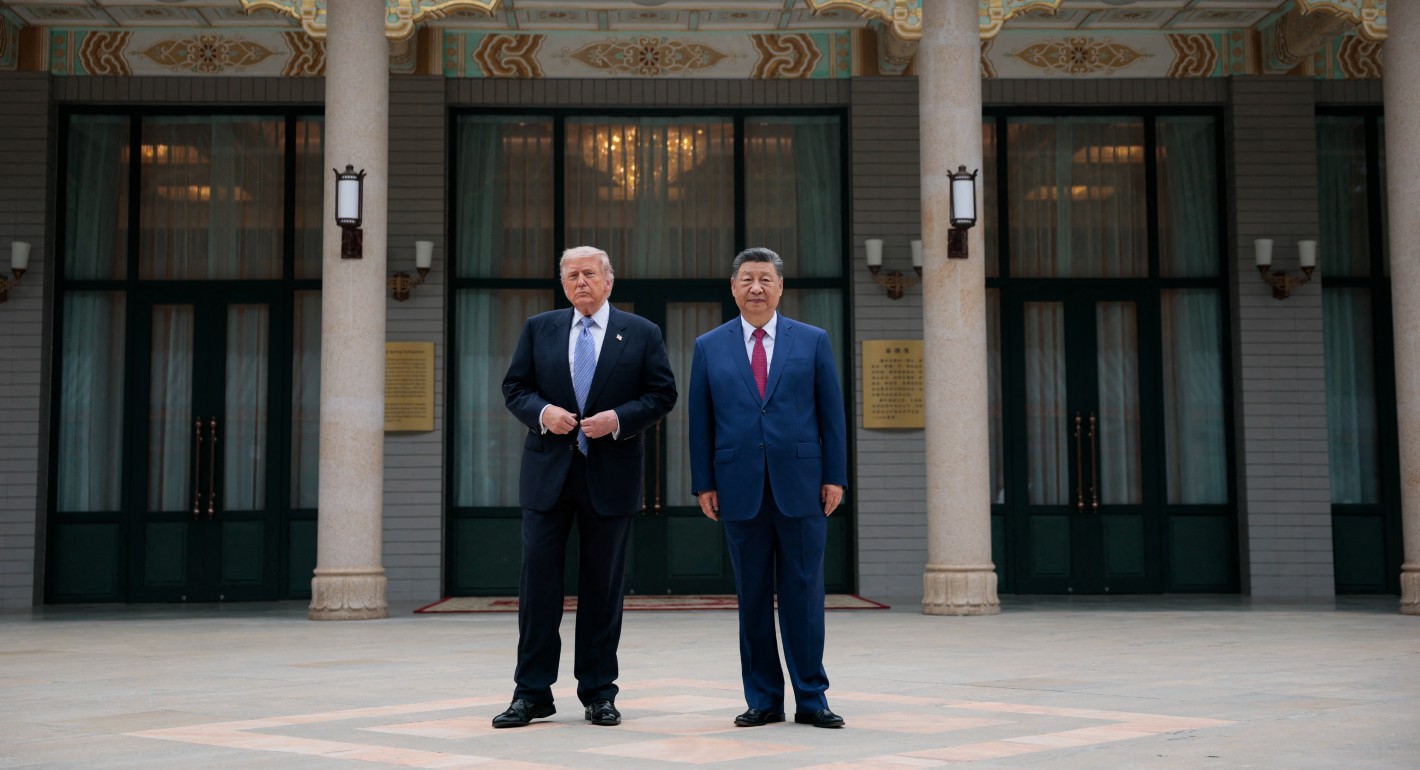
“AI safety in parallel” is modest and pragmatic but vital.

Matt Sheehan

Trump is distracted and Ukraine wants Europe to step up. The continent’s leaders must find their voice and assert it in talks with Russia.

Alissa de Carbonnel
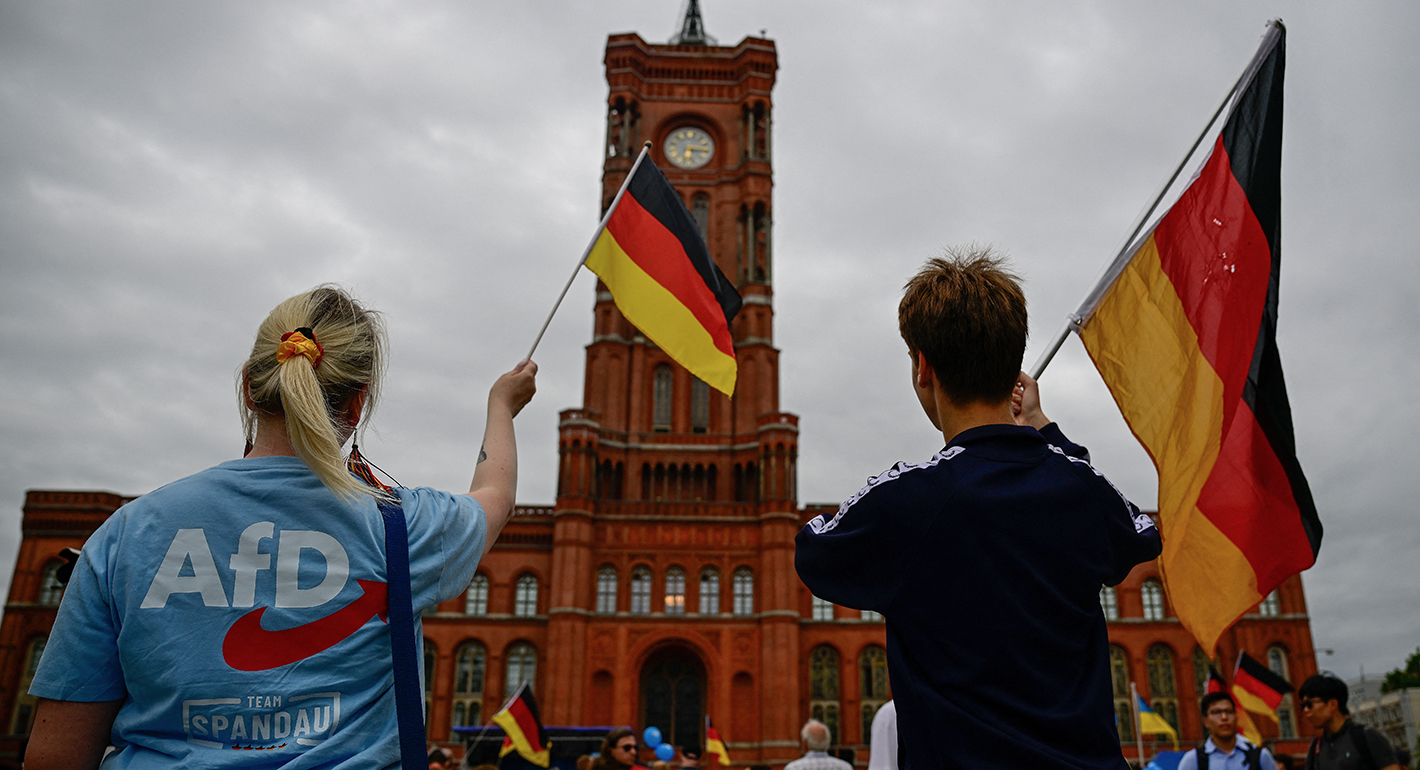
Unresolved tensions within the AfD may ultimately constrain the its potential as a leader among European and global populist forces.
Jeremy Cliffe

There is a deeply rooted assumption in post–Cold War American statecraft that overwhelming military and economic power translates directly into favorable political outcomes. But force alone is rarely enough. To meet the challenges of the mid-21st century, Washington needs a cultural shift toward a mindset that takes negotiation far more seriously.

Cecily Brewer