

Report
Shin-pei Tsay, Victoria Herrmann
{
  "authors": [
    "Shin-pei Tsay"
  ],
  "type": "legacyinthemedia",
  "centerAffiliationAll": "dc",
  "centers": [
    "Carnegie Endowment for International Peace"
  ],
  "collections": [],
  "englishNewsletterAll": "ctw",
  "nonEnglishNewsletterAll": "",
  "primaryCenter": "Carnegie Endowment for International Peace",
  "programAffiliation": "SCP",
  "programs": [
    "Sustainability, Climate, and Geopolitics"
  ],
  "projects": [],
  "regions": [
    "North America",
    "United States"
  ],
  "topics": [
    "Climate Change"
  ]
}
Source: Getty
The United State should focus on the construction of livable communities composed of walkable, mixed-use, transit-served neighborhoods.
Source: New York Times

Unfortunately, decades-old policies and laws discourage sprawl-free developments in much of the country. Local laws are shaped by federal policy. The current national transportation bill continues to focus on highway development at the expense of walking, biking and public transit.
Federal Housing Administration limits on financing of commercial developments essentially cap the mixed-use districts Ms. Mozingo and Mr. Leinberger wrote about. Moreover, the mortgage interest tax deduction continues to support overfinancing of outsized homes in the suburbs.
It’s time that we updated our nation’s policies so that we can begin a new chapter in American metropolitan development. If we continue to use outmoded 20th-century tools to solve 21st-century problems, especially in an age of diminishing public funds and heightened climate and security concerns, we will go nowhere fast.

Former Nonresident Associate, Energy and Climate Program
Shin-pei Tsay was a nonresident associate in the Energy and Climate Program at the Carnegie Endowment for International Peace.
Recent Work
Shin-pei Tsay, Victoria Herrmann
Shin-pei Tsay, Victoria Herrmann
Carnegie does not take institutional positions on public policy issues; the views represented herein are those of the author(s) and do not necessarily reflect the views of Carnegie, its staff, or its trustees.

The acknowledgment has sparked fears of a new arms race with China and Russia.

Chris O’Meara

Smaller powers cannot go it alone, but Canadian history shows that integration with the United States will not always be benign.
Paul Samson
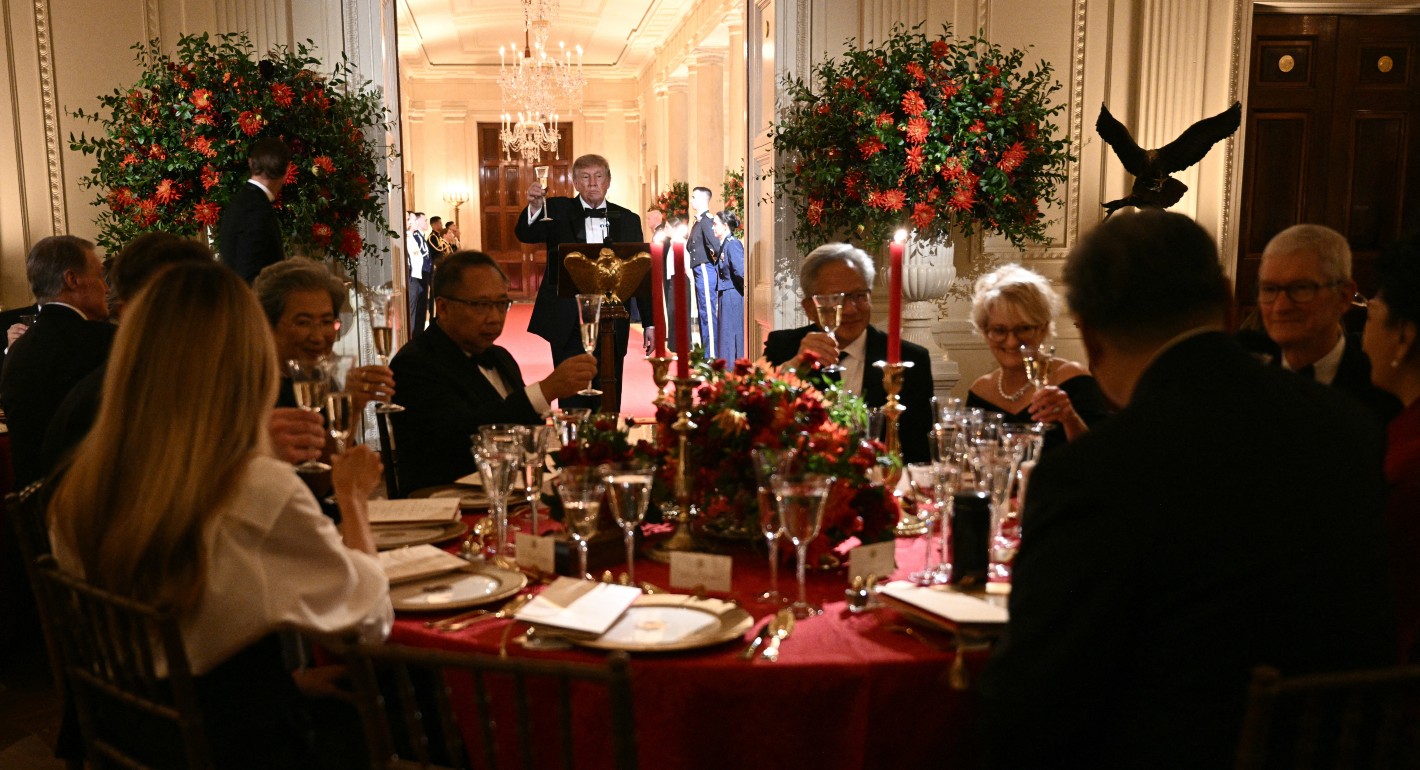
The summit may be remembered as a fatal blunder, when Washington, Beijing, and the AI industry collectively chose ceremony over action.
Jeffrey Prescott

European NATO countries are wrestling with the possibility of U.S. disengagement from the alliance. With the continent’s security increasingly uncertain, governments must restore the credibility of their collective defense.



Hans-Dieter Lucas, Adam Thomson, Pierre Vimont
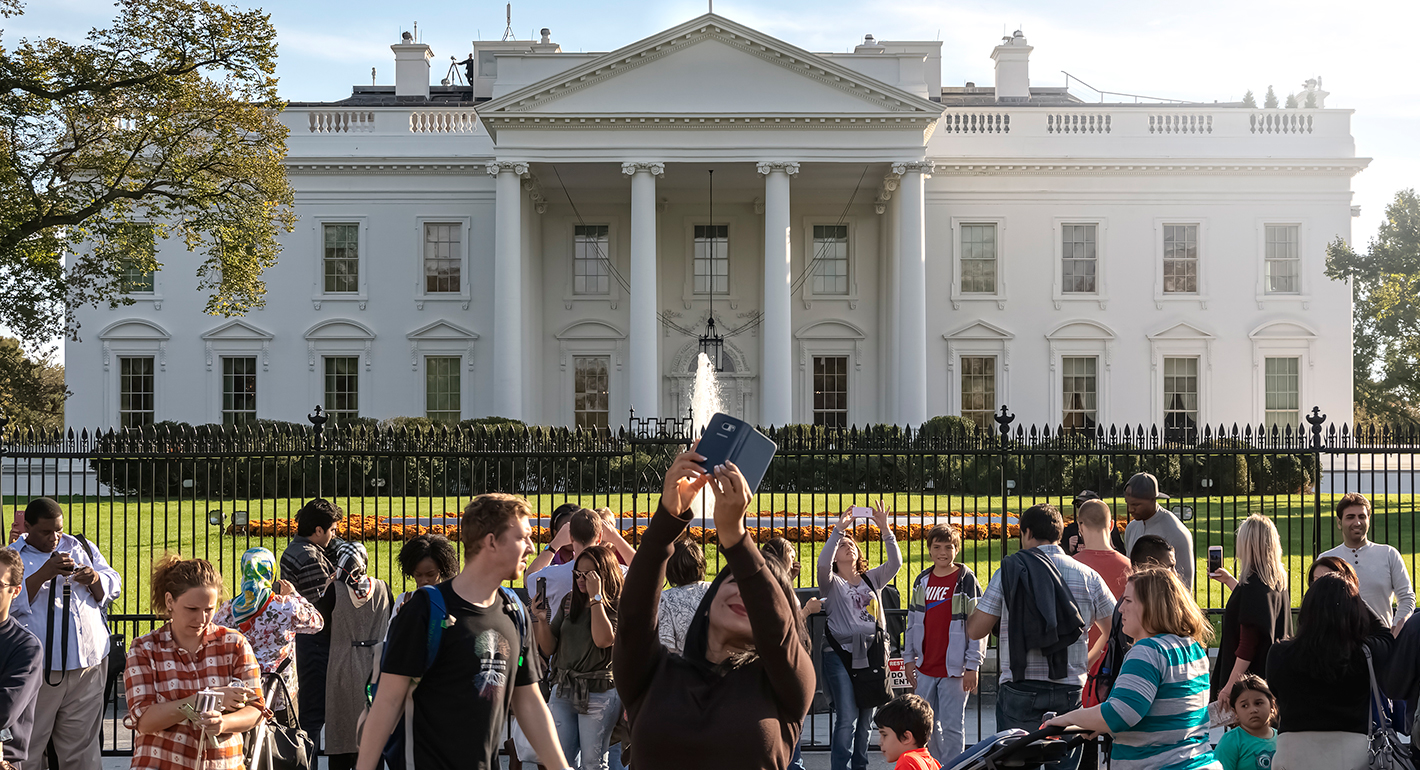
Soft power on its own is insufficient to meet U.S. national security needs, but hard power also has its limits. Soft power allows for more effective and efficient use of hard power than hard power alone, as it encourages cooperation and compliance which deters the need for hard power.

Sarah Yerkes