

Commentary
- +1
Paul Haenle, Xue Gong, Ngeow Chow Bing, …
{
  "authors": [
    "Paul Haenle"
  ],
  "type": "legacyinthemedia",
  "centerAffiliationAll": "",
  "centers": [
    "Carnegie Endowment for International Peace",
    "Carnegie China"
  ],
  "collections": [
    "U.S.-China Relations",
    "China’s Foreign Relations"
  ],
  "englishNewsletterAll": "",
  "nonEnglishNewsletterAll": "",
  "primaryCenter": "Carnegie China",
  "programAffiliation": "",
  "programs": [],
  "projects": [],
  "regions": [],
  "topics": [
    "Security",
    "Economy"
  ]
}
Source: Getty
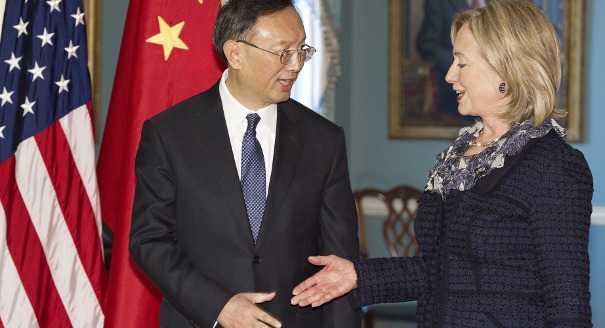
Although the U.S.-China relationship benefits from deep economic and trade ties, the military-to-military relationship between the two nations is not as strong as it should be.
Source: State on Demand
Speaking on State on Demand, Carnegie's Paul Haenle explained that although the United States and China benefit from deep economic and trade ties, the military-to-military relationship between the two nations is not as strong as it should be. “The United States is concerned that certain aspects of the PLA’s capabilities appear to be developed for the specific purpose of denying the United States the ability to involve itself in some sort of conflict in the region,” Haenle said.
Haenle also elaborated on President Obama’s ‘Pivot to Asia’, stating that given the Asia-Pacific’s importance to the United States in terms of trade and economic issues, it made sense for U.S. foreign policy to become more focused on this region. This pivot is not just an effort to enhance U.S. military presence in the region, he explained, but also intended to enhance diplomatic and economic ties.

Former Maurice R. Greenberg Director’s Chair, Carnegie China
Paul Haenle held the Maurice R. Greenberg Director’s Chair at the Carnegie Endowment for International Peace and is a visiting senior research fellow at the East Asian Institute, National University of Singapore. He served as the White House China director on the National Security Council staffs of former presidents George W. Bush and Barack Obama.
Recent Work


Paul Haenle, Xue Gong, Ngeow Chow Bing, …

Paul Haenle, Chong Ja Ian

China’s banking crisis in the 2000s was resolved by transferring the costs to households through financial repression—a decision that recapitalized the banks while exacerbating the structural imbalances that continue to shape the Chinese economy today.

Michael Pettis
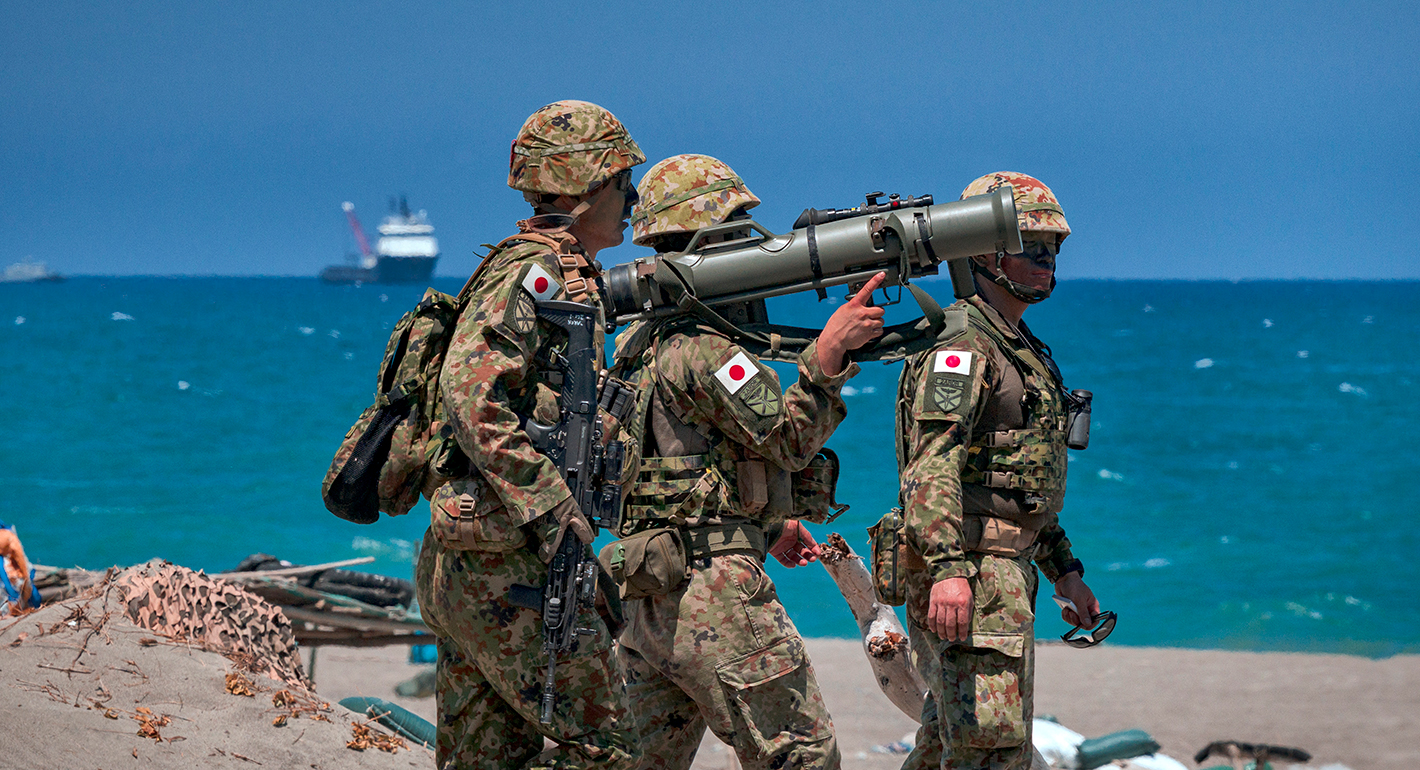
Japan’s revision of its three strategic documents reflects an intention to keep the United States engaged in the region while Japan fills any vacuums of U.S. power to preserve the Indo-Pacific order.
Ryo Sahashi
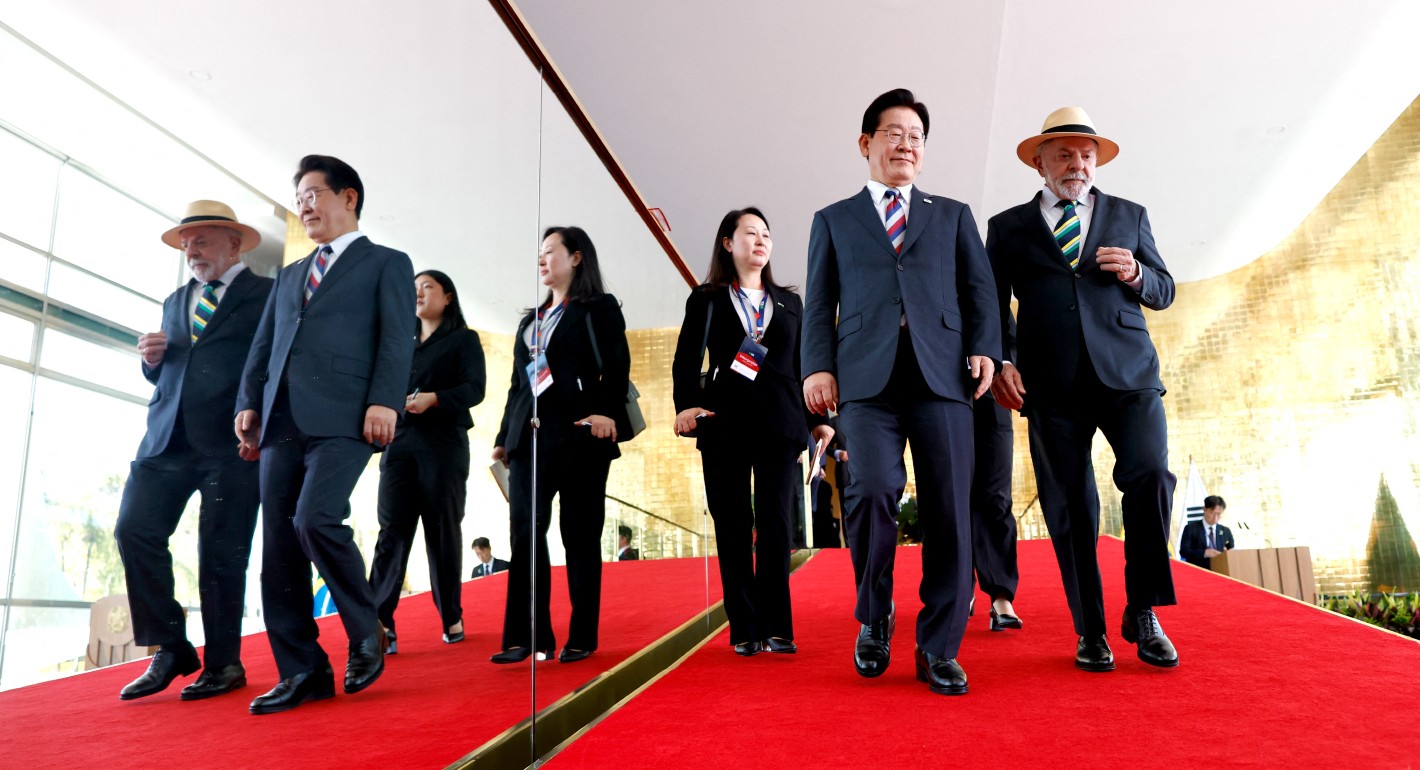
Lee’s tour shows how Seoul is reorganizing its diplomacy away from Pyongyang and toward industrial networks and the geography of the compute economy.

Darcie Draudt-Véjares

Most migrants may have left Ceuta, but the effects may linger.


Alejandro Martin Rodriguez, Sarah Yerkes
Saied’s main accomplishment has been to destroy a decade’s worth of democratic progress.
Sarah Yerkes