

Commentary
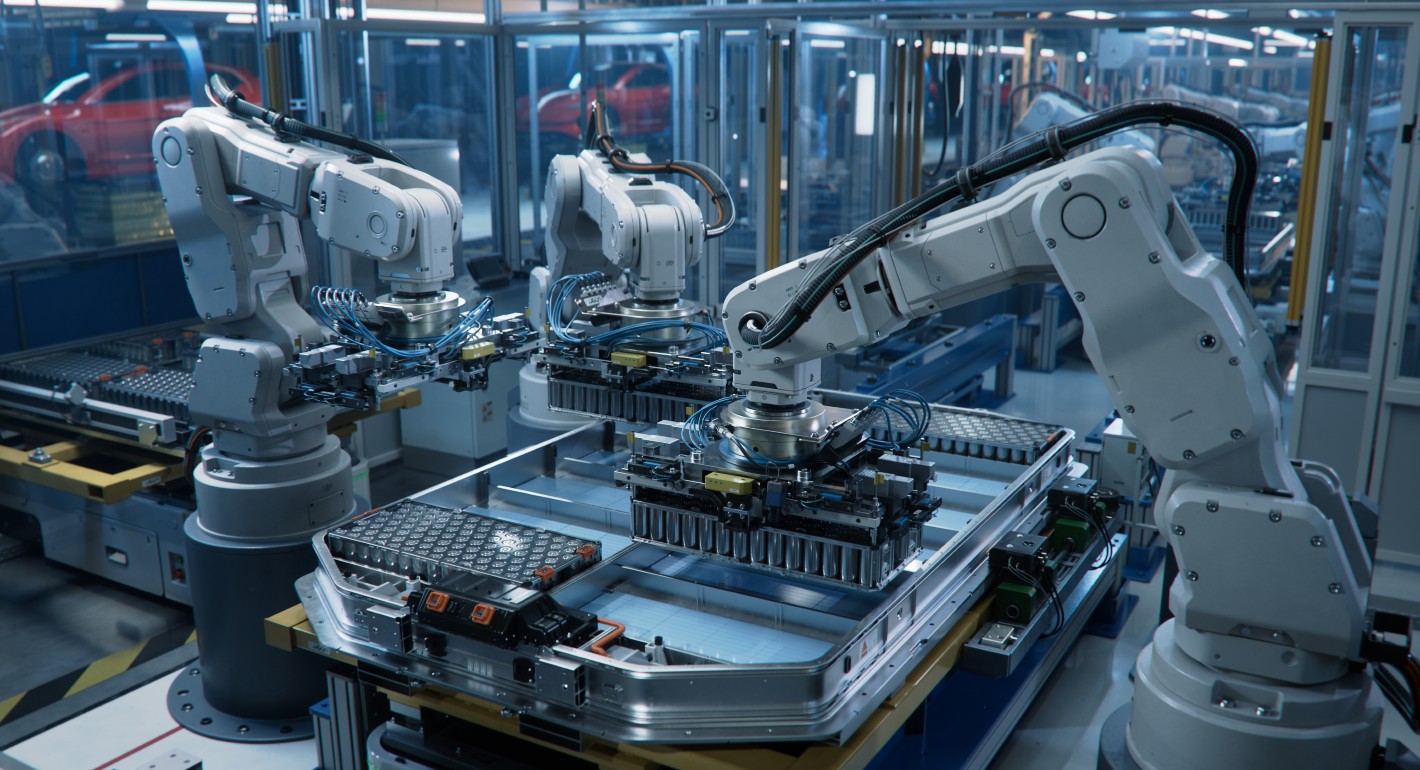
In an increasingly competitive landscape, Seoul should expand its current partnership with Washington and deepen ties with Brussels and New Delhi.
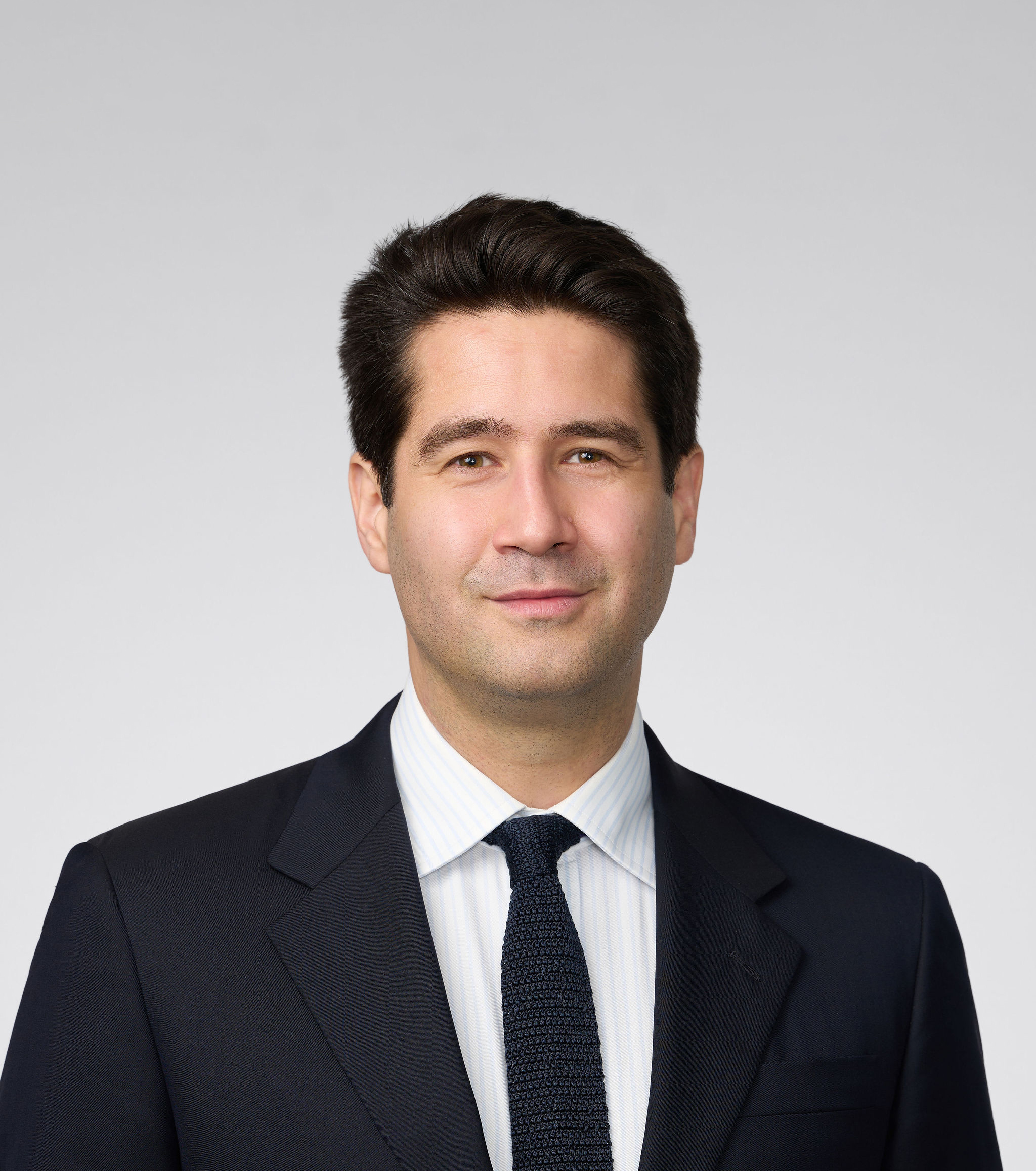
Darcie Draudt-Véjares, Milo McBride
{
  "authors": [
    "Zhang Chuanjie"
  ],
  "type": "legacyinthemedia",
  "centerAffiliationAll": "",
  "centers": [
    "Carnegie Endowment for International Peace",
    "Carnegie China"
  ],
  "collections": [
    "U.S.-China Relations",
    "China’s Foreign Relations"
  ],
  "englishNewsletterAll": "",
  "nonEnglishNewsletterAll": "",
  "primaryCenter": "Carnegie China",
  "programAffiliation": "",
  "programs": [],
  "projects": [],
  "regions": [],
  "topics": [
    "Economy"
  ]
}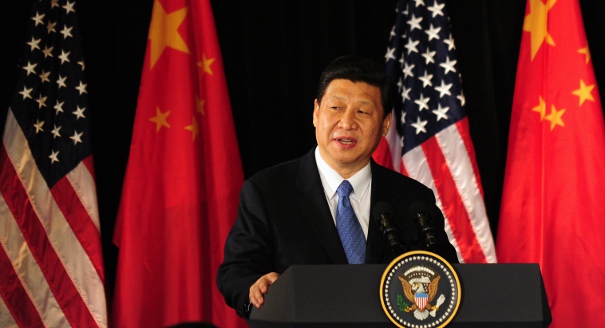
Source: Getty
Xi Jinping’s visit to the United States provided Beijing and Washington with the opportunity to enhance relations and engage in dialogue to help resolve more challenging issues.
Source: CNTV
Speaking on CNTV, Carnegie’s Zhang Chuanjie elaborated on the importance of Xi Jinping’s visit to the United States, particularly in light of the upcoming presidential elections in the United States and leadership transition in China. “Both countries will experience some leadership changes this year and this is the first time in the history of the U.S.-China relationship,” Zhang said.
Zhang asserted that since Nixon’s visit some 40 years ago, the U.S.-China relationship has undergone tremendous changes and is affected by challenges and competition between the two nations. Nevertheless, strong trade links have helped keep U.S.-China relations on track, he concluded.

Zhang Chuanjie
Former Resident Scholar, Carnegie-Tsinghua Center for Global Policy
Zhang Chuanjie was a resident scholar at the Carnegie-Tsinghua Center until June 2020.
Carnegie does not take institutional positions on public policy issues; the views represented herein are those of the author(s) and do not necessarily reflect the views of Carnegie, its staff, or its trustees.
In an increasingly competitive landscape, Seoul should expand its current partnership with Washington and deepen ties with Brussels and New Delhi.

Darcie Draudt-Véjares, Milo McBride

Voters sent mixed messages about funding priorities.


Mark Baldassare, Ian Klaus

A sizeable funding shortfall looks increasingly likely to hit Ukraine in 2027. Can the Europeans, with their strained budgets and economies, come up with the cash without seizing frozen Russian assets?

Rym Momtaz, ed.
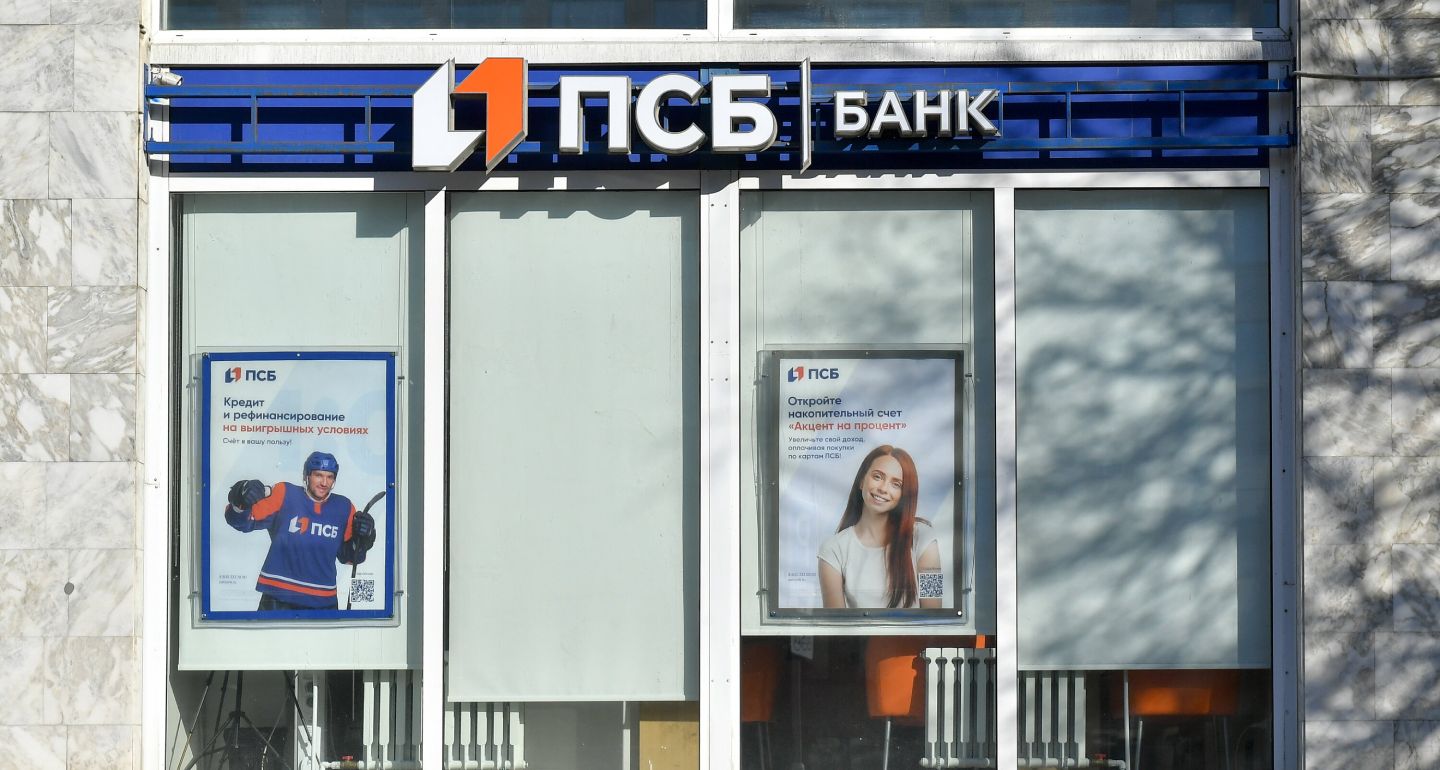
Russia’s banking sector is sinking ever deeper into a crisis that the authorities are simply managing rather than trying to fix.


Alexander Kolyandr, Alexandra Prokopenko
Even if the administration maintains its broader trade policy, it should use tariffs more strategically and work with U.S. partners, not against them.
Barbara Weisel