• Research
  • Emissary
  • About
  • Experts
Carnegie Global logoCarnegie lettermark logo
DemocracyIran
  • Donate
{
  "authors": [
    "Douglas H. Paal"
  ],
  "type": "legacyinthemedia",
  "centerAffiliationAll": "dc",
  "centers": [
    "Carnegie Endowment for International Peace",
    "Carnegie China"
  ],
  "collections": [
    "China’s Foreign Relations"
  ],
  "englishNewsletterAll": "asia",
  "nonEnglishNewsletterAll": "",
  "primaryCenter": "Carnegie Endowment for International Peace",
  "programAffiliation": "AP",
  "programs": [
    "Asia"
  ],
  "projects": [],
  "regions": [
    "East Asia",
    "China",
    "Southeast Asia"
  ],
  "topics": [
    "Security"
  ]
}
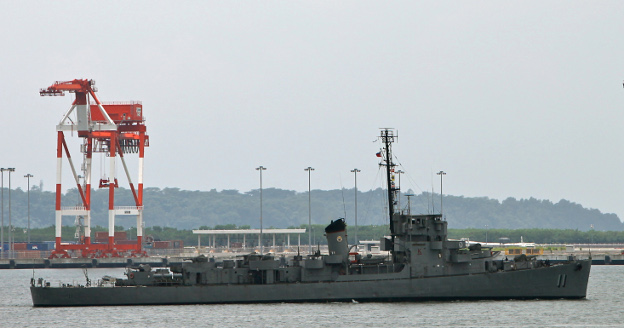
Source: Getty

In The Media

Doug Paal on South China Sea

Countries involved in South China Sea disputes should refrain from nationalist rhetoric and focus on diplomatic negotiations that promote shared interests.

Link Copied
By Douglas H. Paal
Published on Sep 20, 2012
Program mobile hero image

Program

Asia

The Asia Program in Washington studies disruptive security, governance, and technological risks that threaten peace, growth, and opportunity in the Asia-Pacific region, including a focus on China, Japan, and the Korean peninsula.

Learn More

Source: RTE News

Highlights of the interview:

  • Vietnam’s first successful drilling for oil in disputed areas of the South China Sea fired the starting gun for conflict. China has not initiated tensions, but has reacted strongly to actions taken by its neighbors.
     
  • Despite heated rhetoric, territorial positions are not immutable. The current “nine-dashed line” representing China’s claim changed after negotiations successfully defined the border between Chinese and Vietnamese territory.
     
  • Uncontrolled competition for resources threatens common goals. With fishing stocks in decline, countries are more aggressively exploiting fishing areas farther afield. Disputes over energy resources do not reflect sensible economics, as overall oil and gas deposits are small or very difficult to extract.
     
  • Tensions have been driven by national ego—a way forward is to focus on solving individual resource issues, and devising sensible, sustainable, responsible solutions for harvesting common goods.
     
  • Countries involved, as well as the United States, should dial down language that could be perceived as counterproductive and aggressive.

Listen to the podcast here.

About the Author

Douglas H. Paal

Distinguished Fellow, Asia Program

Paal previously served as vice chairman of JPMorgan Chase International and as unofficial U.S. representative to Taiwan as director of the American Institute in Taiwan.

    Recent Work

  • Paper
    America’s Future in a Dynamic Asia

      Douglas H. Paal

  • Q&A
    U.S.-China Relations at the Forty-Year Mark
      • +1

      Douglas H. Paal, Tong Zhao, Chen Qi, …

Douglas H. Paal
Distinguished Fellow, Asia Program
Douglas H. Paal
SecurityEast AsiaChinaSoutheast Asia

Carnegie does not take institutional positions on public policy issues; the views represented herein are those of the author(s) and do not necessarily reflect the views of Carnegie, its staff, or its trustees.
More Work from Carnegie Endowment for International Peace

  • Commentary
    Strategic Europe
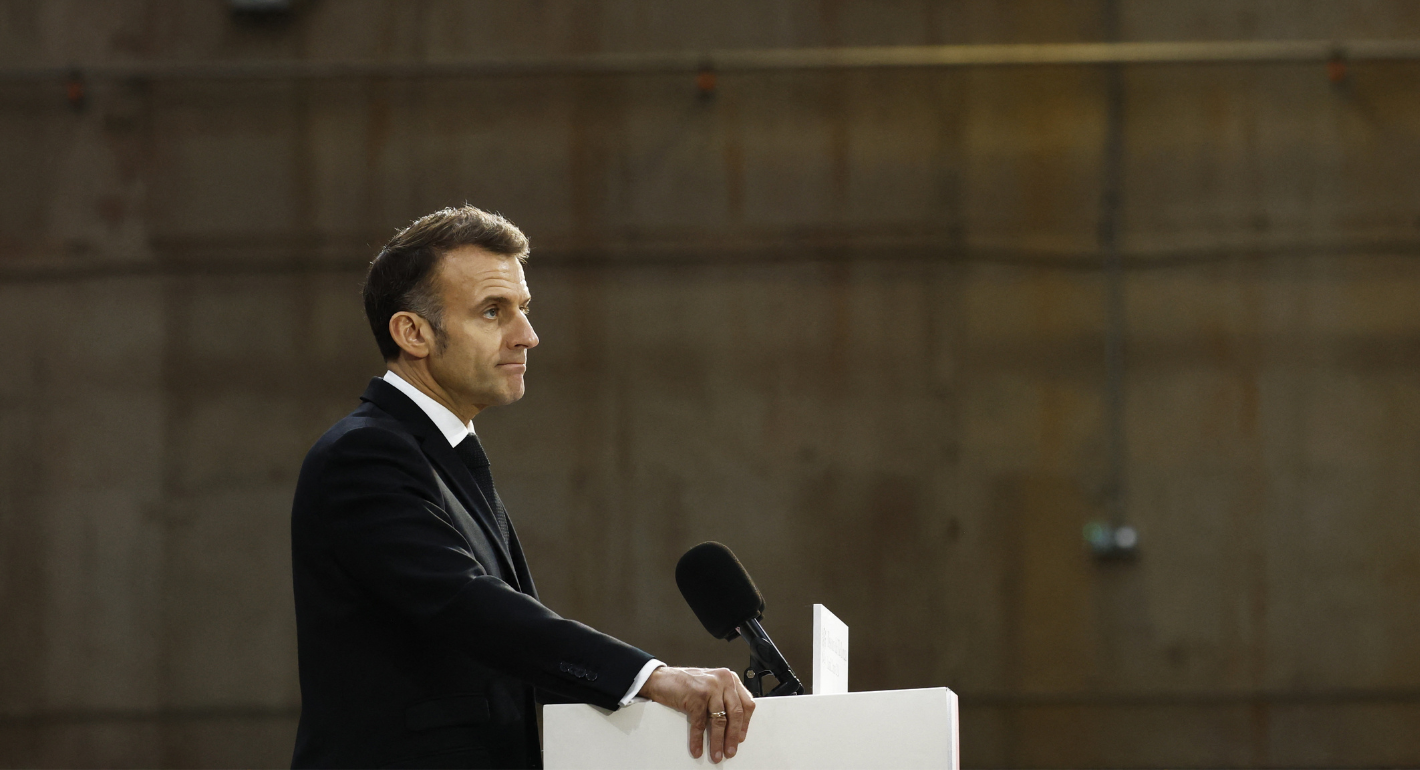
    Taking the Pulse: Is France’s New Nuclear Doctrine Ambitious Enough?

    French President Emmanuel Macron has unveiled his country’s new nuclear doctrine. Are the changes he has made enough to reassure France’s European partners in the current geopolitical context?

      • Rym Momtaz

      Rym Momtaz, ed.

  • Commentary
    The Iran War’s Dangerous Fallout for Europe

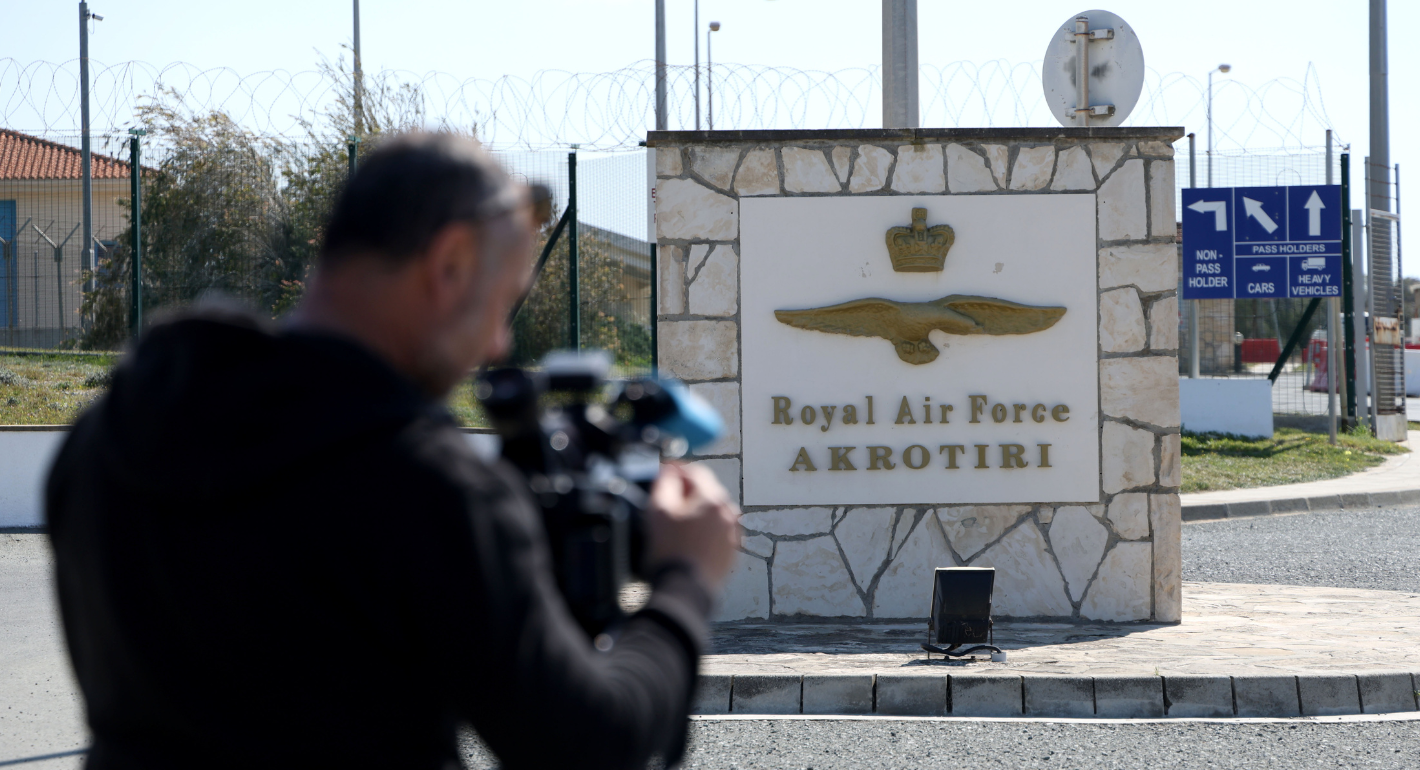
    The drone strike on the British air base in Akrotiri brings Europe’s proximity to the conflict in Iran into sharp relief. In the fog of war, old tensions in the Eastern Mediterranean risk being reignited, and regional stakeholders must avoid escalation.

      Marc Pierini
  • Trump United Nations multilateralism institutions 2236462680
    Article
    Resetting Cyber Relations with the United States

    For years, the United States anchored global cyber diplomacy. As Washington rethinks its leadership role, the launch of the UN’s Cyber Global Mechanism may test how allies adjust their engagement.
      • Christopher Painter

      Patryk Pawlak, Chris Painter

  • People visit the World Artificial Intelligence Conference (WAIC) at the Shanghai World Expo and Convention Center in Shanghai on July 28, 2025.
    Article
    China’s AI-Empowered Censorship: Strengths and Limitations

    Censorship in China spans the public and private domains and is now enabled by powerful AI systems.

      Nathan Law
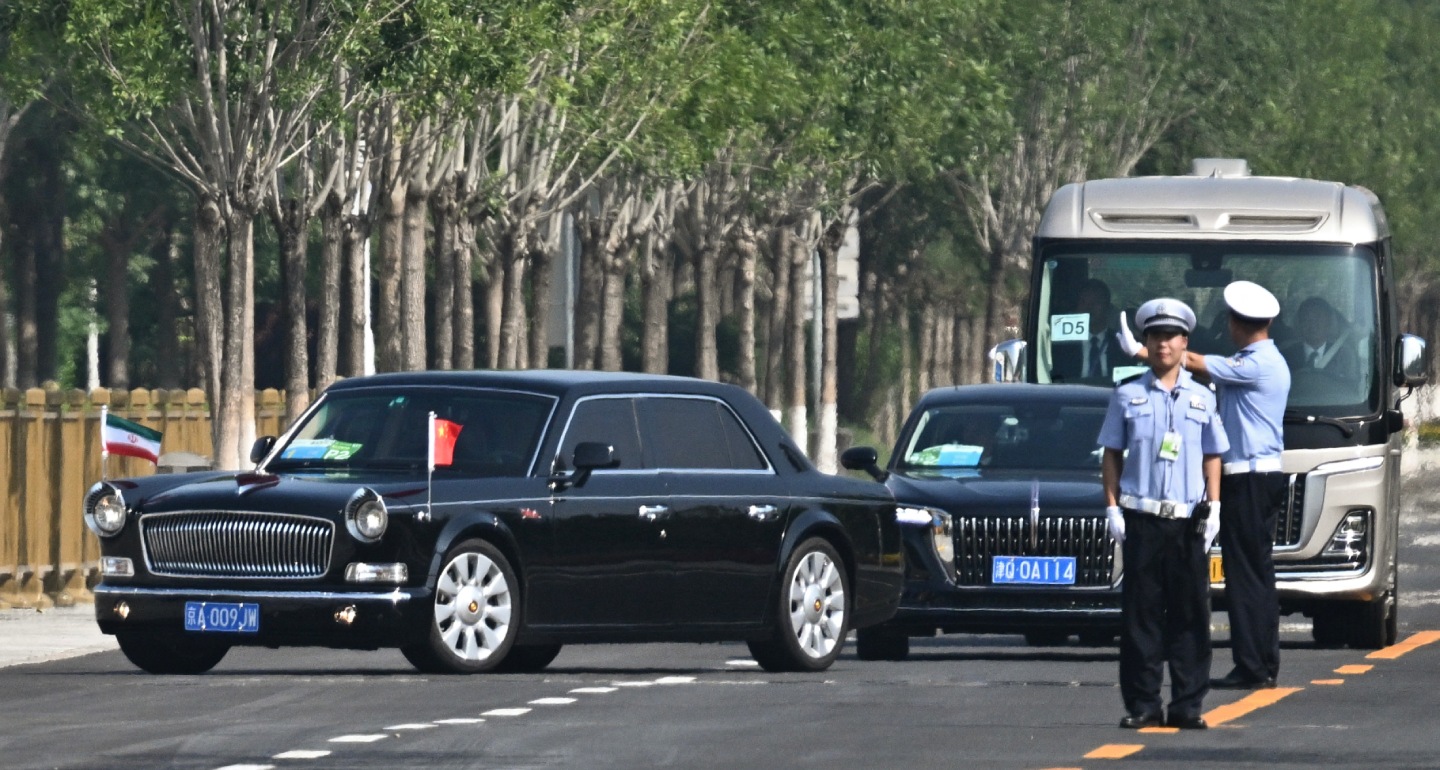
  • Commentary
    Carnegie Politika
    Why Are China and Russia Not Rushing to Help Iran?

    Most of Moscow’s military resources are tied up in Ukraine, while Beijing’s foreign policy prioritizes economic ties and avoids direct conflict.   

      • Alexander Gabuev

      Alexander Gabuev, Temur Umarov

Get more news and analysis from
Carnegie Endowment for International Peace
Carnegie global logo, stacked
1779 Massachusetts Avenue NWWashington, DC, 20036-2103Phone: 202 483 7600Fax: 202 483 1840
  • Research
  • Emissary
  • About
  • Experts
  • Donate
  • Programs
  • Events
  • Blogs
  • Podcasts
  • Contact
  • Annual Reports
  • Careers
  • Privacy
  • For Media
  • Government Resources
Get more news and analysis from
Carnegie Endowment for International Peace
© 2026 Carnegie Endowment for International Peace. All rights reserved.