

Article
Wang Tao
{
  "authors": [
    "Wang Tao"
  ],
  "type": "legacyinthemedia",
  "centerAffiliationAll": "",
  "centers": [
    "Carnegie Endowment for International Peace",
    "Carnegie China"
  ],
  "collections": [],
  "englishNewsletterAll": "",
  "nonEnglishNewsletterAll": "",
  "primaryCenter": "Carnegie China",
  "programAffiliation": "",
  "programs": [],
  "projects": [],
  "regions": [],
  "topics": []
}
Source: Getty
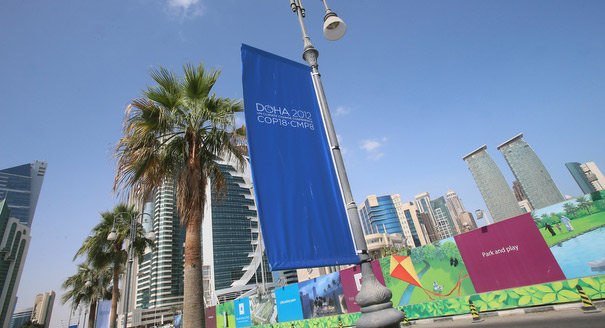
In the run-up to Doha, China has made its commitment to curbing fossil fuel emissions clear.
Source: CNTV
Speaking on CCTV, Carnegie's Wang Tao explained that China has ambitious plans to reduce its carbon intensity by 2020. Beijing has announced that it would implement domestically any commitments China agreed to at the international level. While this type of commitment is rare compared to other major emitters, Tao added that China’s steps thus far are not as strong as they should be.
Tao asserted that the second commitment phase of the Kyoto protocol is the most important topic at the Doha negotiations. If a second commitment can be reached it would show the dedication of major emitters to reducing fossil fuel consumption and curbing climate change, Tao concluded.
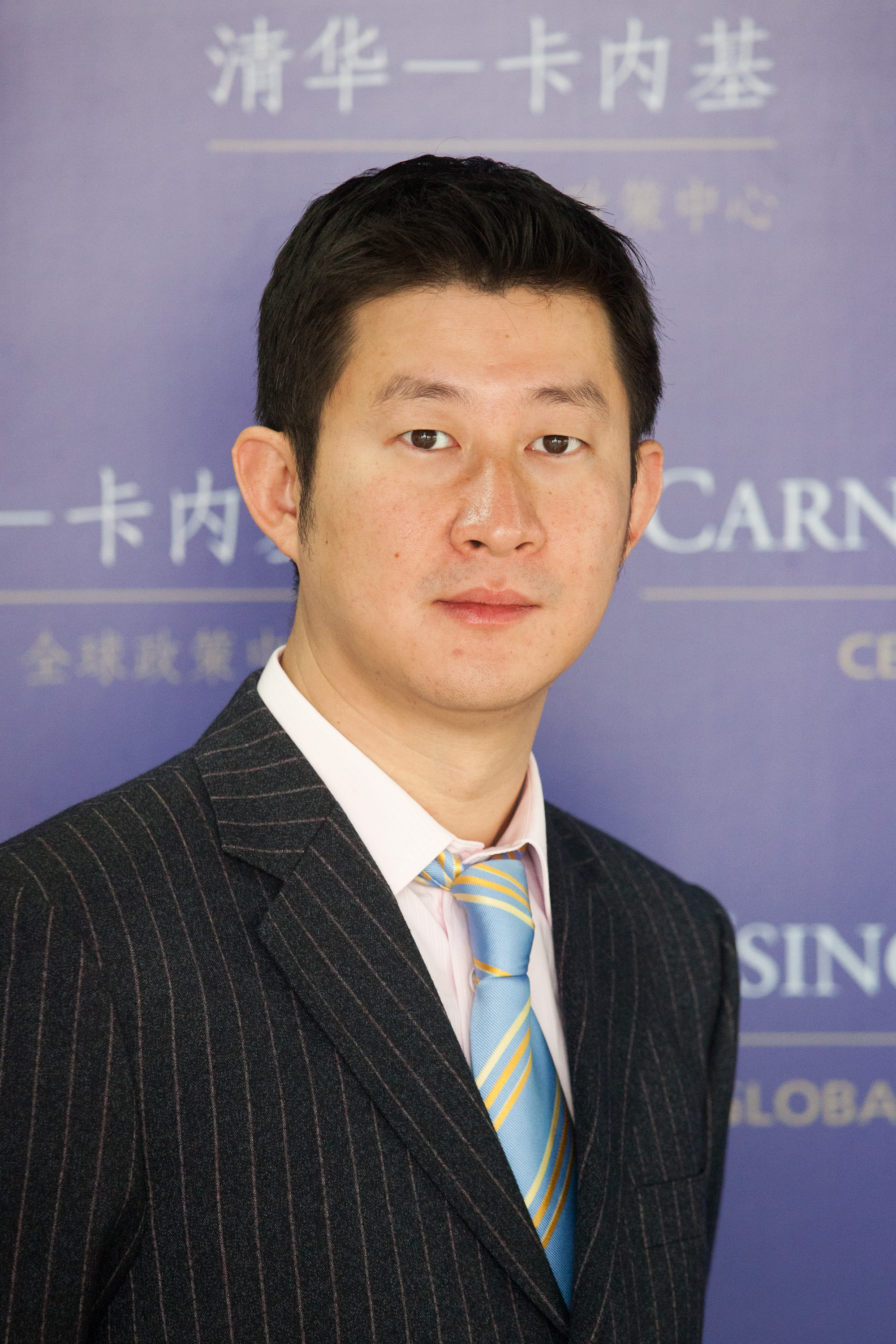
Former Nonresident Scholar, Carnegie-Tsinghua Center for Global Policy
Wang Tao was a nonresident scholar in the Energy and Climate Program based at the Carnegie–Tsinghua Center for Global Policy.
Recent Work
Wang Tao
Wang Tao, Yang Yifang
Carnegie does not take institutional positions on public policy issues; the views represented herein are those of the author(s) and do not necessarily reflect the views of Carnegie, its staff, or its trustees.