

Q&A
Suzanne Maloney, Aaron David Miller, Karim Sadjadpour
{
  "authors": [
    "Karim Sadjadpour"
  ],
  "type": "legacyinthemedia",
  "centerAffiliationAll": "dc",
  "centers": [
    "Carnegie Endowment for International Peace",
    "Malcolm H. Kerr Carnegie Middle East Center"
  ],
  "collections": [],
  "englishNewsletterAll": "menaTransitions",
  "nonEnglishNewsletterAll": "",
  "primaryCenter": "Carnegie Endowment for International Peace",
  "programAffiliation": "MEP",
  "programs": [
    "Middle East"
  ],
  "projects": [],
  "regions": [
    "Middle East",
    "Iran",
    "Syria",
    "Levant"
  ],
  "topics": [
    "Political Reform",
    "Security",
    "Foreign Policy"
  ]
}
Source: Getty
As long as Iran sees itself embroiled in a zero-sum game in Syria, a half-way meeting point, however desirable, will likely remain elusive.
Source: New York Times
Chinese philosopher Sun Tzu famously advised that during times of conflict, “build your opponent a golden bridge to retreat across."
As America contemplates military force against the Assad regime in Syria, is there a potential golden bridge or dignified accommodation to offer Iran, Bashar al-Assad’s indispensable supporter?Iran considers Syria its key geopolitical ally — a partner in an “Axis of Resistance” — and its critical geographic link to the Lebanese Shiite militia Hezbollah, Tehran’s prized regional asset.
While the arrival of more pragmatic Iranian politicians — namely President Hassan Rouhani and U.S.-educated foreign minister Javad Zarif — has understandably renewed hopes for diplomacy with Tehran, Iran’s alliance with Syria has long been maintained by the country’s Revolutionary Guards, not its diplomats.
Qassim Suleimani, the commander believed to manage Iranian operations in Syria, just yesterday declared that Tehran “will support Syria to the end.” Even more moderate figures, like former president, Ali Akbar Hashemi Rafsanjani, have implored continued support for Syria as a bulwark against Israel.
In this context, successful diplomatic engagement with Iran is hampered by the fact that outside powers — be it the U.S., Russia, or the Arab world — cannot offer Tehran assurances that a post-Assad government in Syria will remain friendly to Iranian interests.
Tehran's complicity in helping Assad kill tens of thousands of rebels has significantly diminished this prospect.
Ironically, the collapse of the Assad regime would produce a common interest for Washington and Tehran in making sure that radical Sunni Islamists, who hate Shiite Iran even more than America, do not rule Damascus.
Until then, as long as Iran sees itself embroiled in a zero-sum game in Syria, a half-way meeting point, however desirable, will likely remain elusive.
This article was originally published in the New York Times.

Senior Fellow, Middle East Program
Karim Sadjadpour is a senior fellow at the Carnegie Endowment for International Peace, where he focuses on Iran and U.S. foreign policy toward the Middle East.
Recent Work


Suzanne Maloney, Aaron David Miller, Karim Sadjadpour

Aaron David Miller, Karim Sadjadpour, Robin Wright
Carnegie does not take institutional positions on public policy issues; the views represented herein are those of the author(s) and do not necessarily reflect the views of Carnegie, its staff, or its trustees.

A review of a detailed account of how antipathy toward Tehran has assumed a life and logic of its own in Washington, DC.

Jane Darby Menton
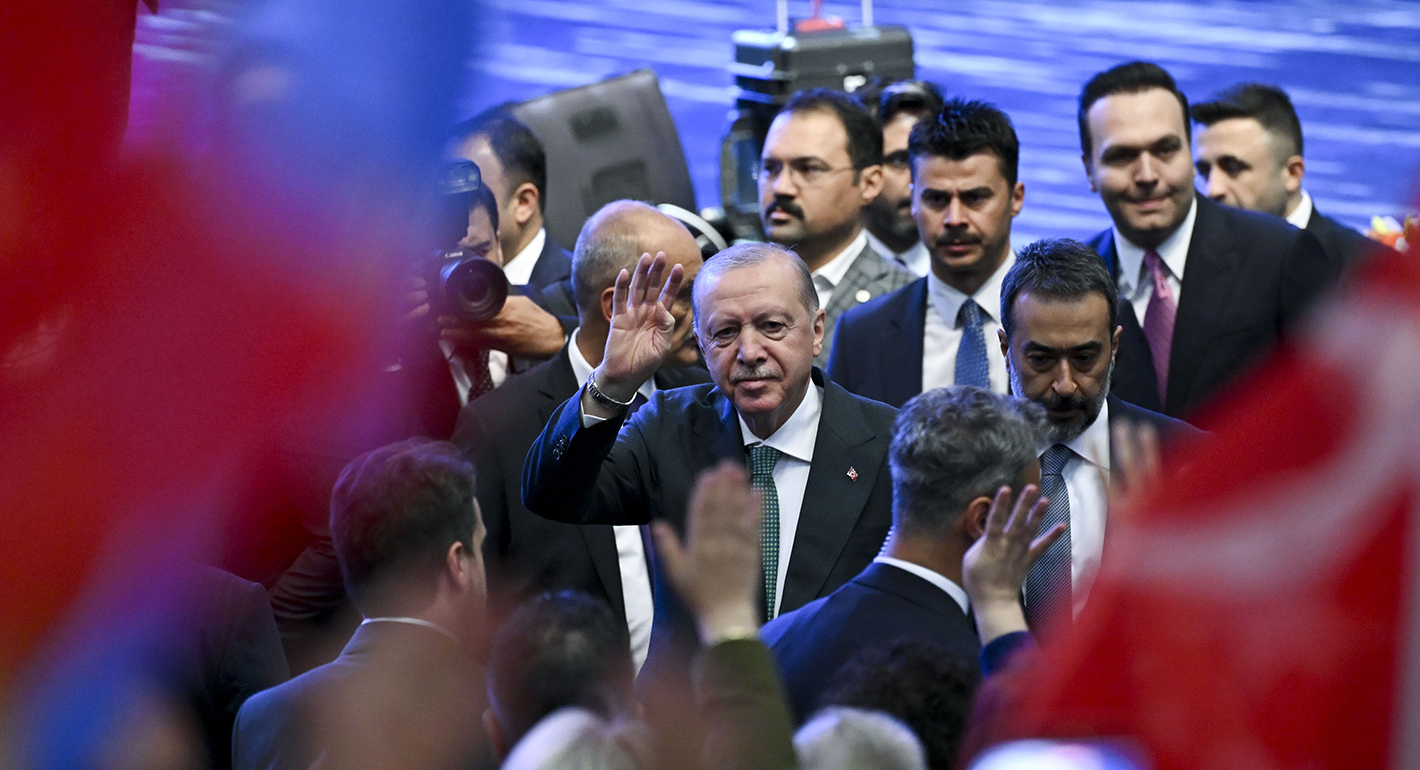
Turkish right-wing populists have been trying to advance the country’s middle-power goals based on perceptions of what the public wants, but they have been doing so in ways that reinforce their project of autocratic political consolidation.
Murat Somer

In Colombia and elsewhere in the region, the United States is trying to shape election outcomes—but at what cost?
Oliver Stuenkel, Adrian Feinberg
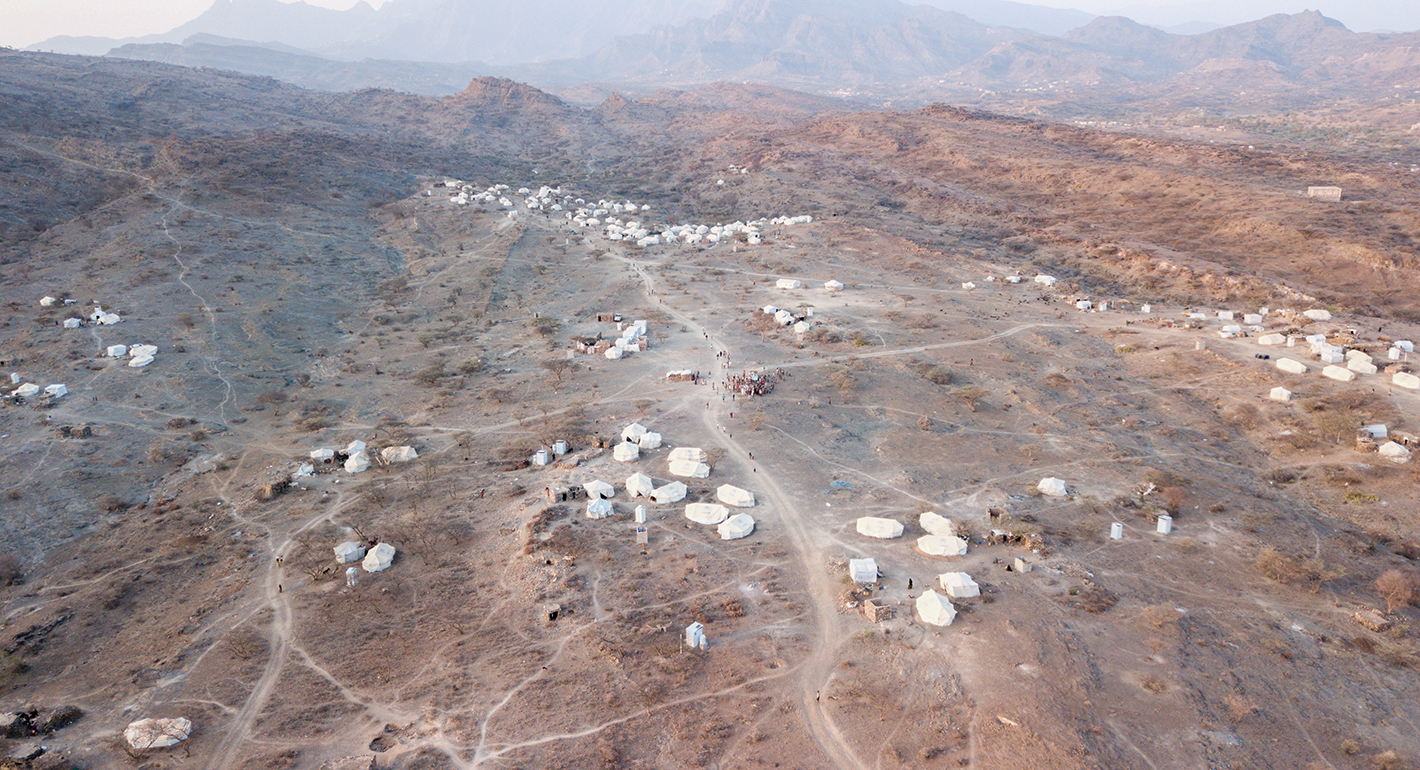
The world’s climate adaptation funds must adapt to address the ways that climate change is deepening state fragility.
Ray Salvatore Jennings, Paul Andrew Mayewski
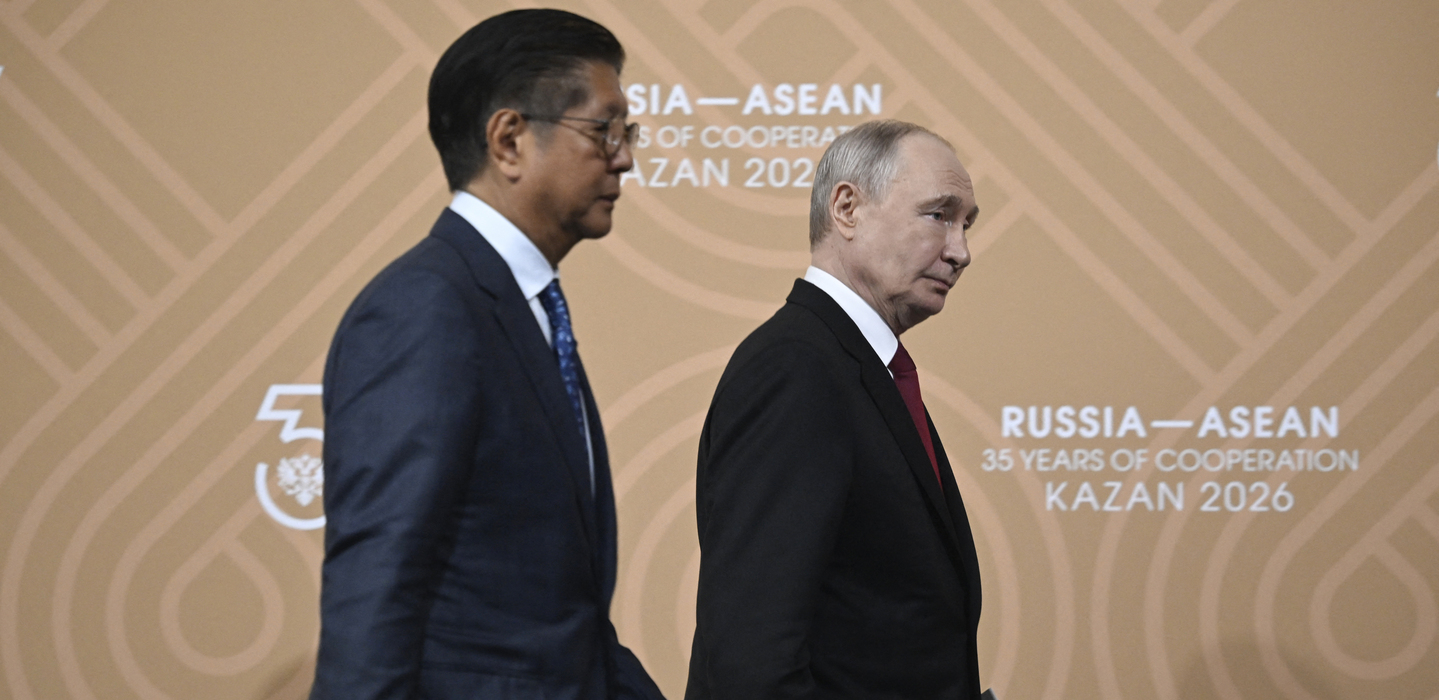
Russia looks set to reap economic benefits from closer ties with Southeast Asian countries that are keen to find reliable energy suppliers and diversify trade ties.

Alexander Gabuev