

In The Media
Vikram Nehru
{
  "authors": [
    "Vikram Nehru"
  ],
  "type": "legacyinthemedia",
  "centerAffiliationAll": "dc",
  "centers": [
    "Carnegie Endowment for International Peace"
  ],
  "collections": [],
  "englishNewsletterAll": "asia",
  "nonEnglishNewsletterAll": "",
  "primaryCenter": "Carnegie Endowment for International Peace",
  "programAffiliation": "AP",
  "programs": [
    "Asia"
  ],
  "projects": [],
  "regions": [
    "Southeast Asia"
  ],
  "topics": [
    "Political Reform",
    "Democracy"
  ]
}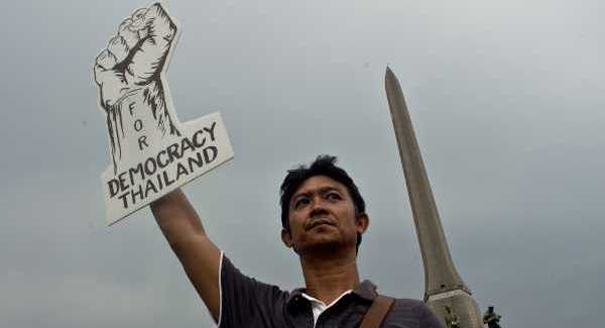
Source: Getty
Thailand’s coup is rooted in the clash between the rising voice of the rural poor and the established power of the Bangkok elite. The resolution of this clash will determine the character of Thai democracy.
Source: Diplomat
Carnegie’s Vikram Nehru sat down with Shannon Tiezzi of the Diplomat to discuss the recent ouster of Thailand’s democratically elected government by the Thai military and constitutional court. In the interview, he explained why this coup is unique in Thailand’s long history of over a dozen coups, and examined the rising political power of the rural poor in the north and northeast of the country, the role of the monarchy in Thai politics and the coup, the implications of the coup for the region, and the steps that will be necessary to reach a democratic resolution. In particular, he emphasized the importance of ensuring political voice for both the increasingly influential rural poor and for the established Bangkok elite. How any proposed resolution handles the issue of federalism, the entrenched role of the Bangkok elite, and the establishment and entrenchment of non-partisan political institutions that stand above the fray will be the key issues to watch and will determine the nature and trajectory of Thailand’s democracy going forward, he concluded.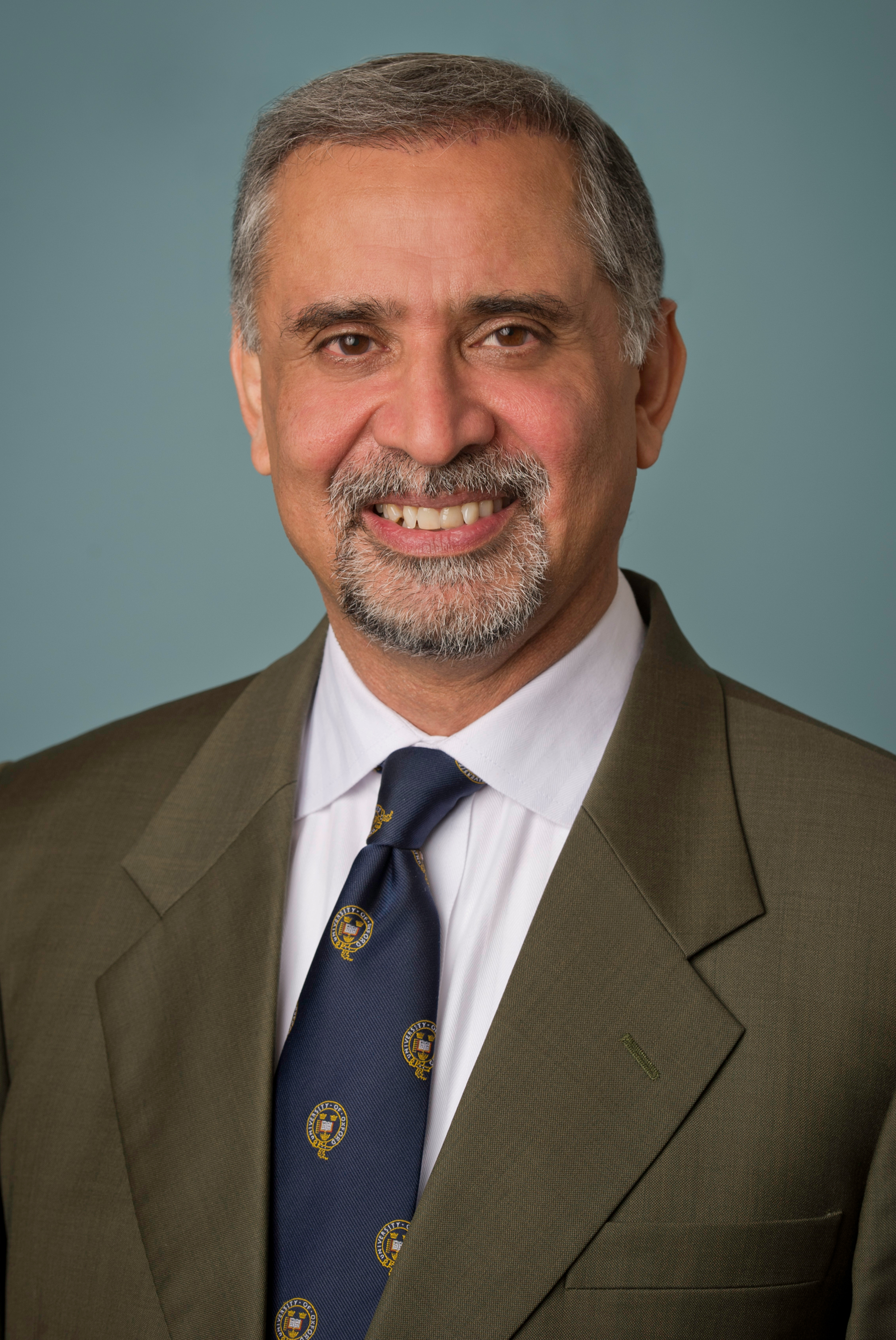
Former Nonresident Senior Fellow, Asia Program
Nehru was a nonresident senior fellow in the Carnegie Asia Program. An expert on development economics, growth, poverty reduction, debt sustainability, governance, and the performance and prospects of East Asia, his research focuses on the economic, political, and strategic issues confronting Asia, particularly Southeast Asia.
Recent Work
Vikram Nehru
Vikram Nehru
Carnegie does not take institutional positions on public policy issues; the views represented herein are those of the author(s) and do not necessarily reflect the views of Carnegie, its staff, or its trustees.
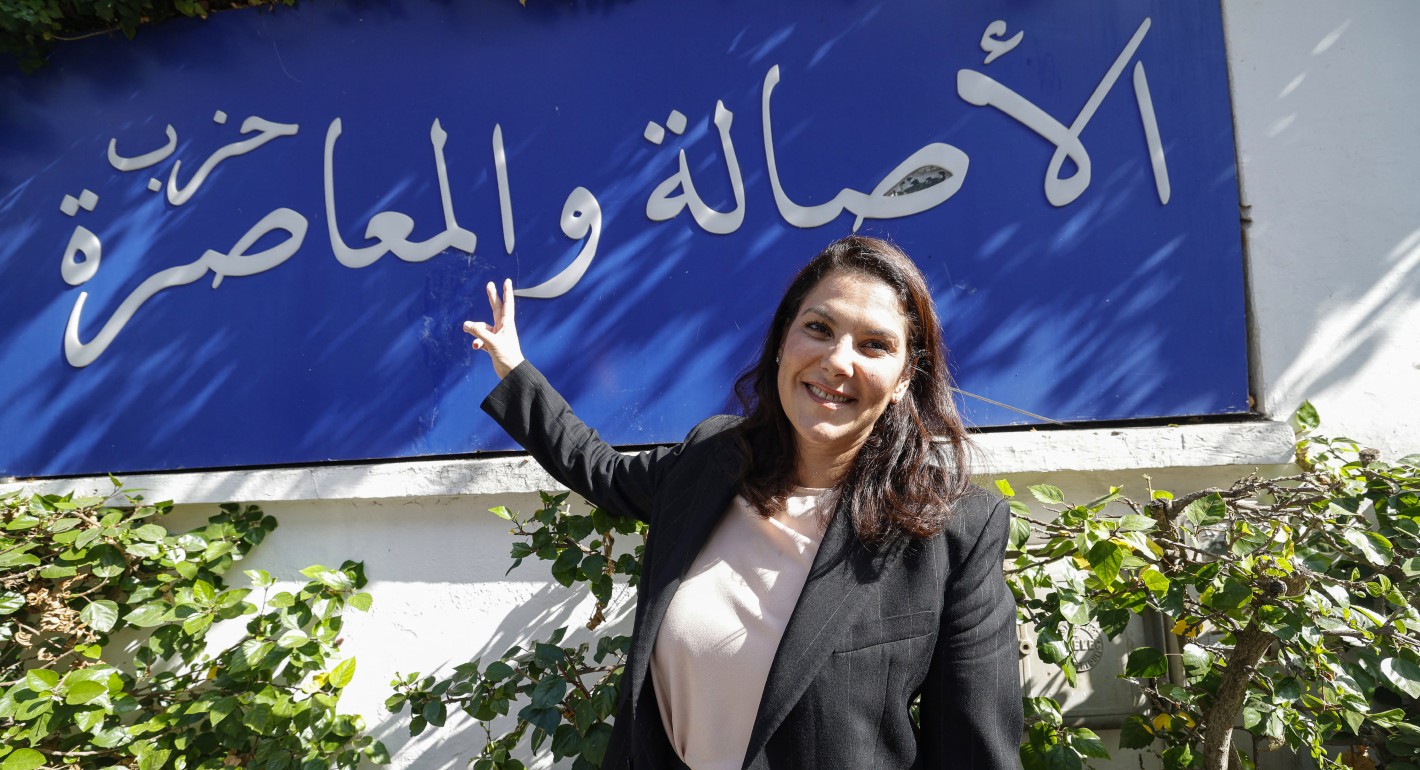
Fatima El Mansouri is the country’s first female prime minister. She’s also a privileged insider in a largely ceremonial position.

Sarah Yerkes

The domestic impacts of how long it is taking to end the war in Ukraine have pushed the French electorate to the political extremes and compromised the country’s diplomatic capacity.

Rym Momtaz

Sergei Kiriyenko used Russia’s parliamentary vote to further hone his strategy of corporate mobilization that is designed to maximize votes for United Russia.

Andrey Pertsev

Before the next wave of EU enlargement takes place, the union needs to grapple with thorny questions of how power is distributed among its members.


Emil Sondaj Hansen, Ditte Brasso Sørensen

The European far right might fail to steer EU policy in the direction Russia wants, but they will create enough chaos inside Europe to benefit the Kremlin.

Dimitar Bechev