

Commentary
For every ruble allocated to social policy, health, and education in 2027, double that amount is earmarked for the army, the police, and the security services.
Alexandra Prokopenko
{
  "authors": [
    "Akio Kawato"
  ],
  "type": "commentary",
  "centerAffiliationAll": "",
  "centers": [
    "Carnegie Endowment for International Peace",
    "Carnegie Russia Eurasia Center"
  ],
  "collections": [],
  "englishNewsletterAll": "",
  "nonEnglishNewsletterAll": "",
  "primaryCenter": "Carnegie Russia Eurasia Center",
  "programAffiliation": "",
  "programs": [],
  "projects": [],
  "regions": [
    "North America",
    "United States",
    "Russia",
    "Eastern Europe",
    "Ukraine"
  ],
  "topics": [
    "Foreign Policy"
  ]
}
Source: Getty
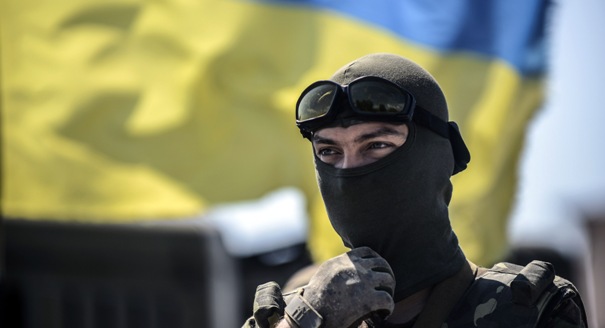
The United States seems intent to force Russia into capitulation over Ukraine, a situation caused by a poor understanding of economics on the part of Putin’s advisers. While low intensity battle will likely linger on, Russia remains in a more maneuverable position to offer a deal to the United States.
In Eastern Ukraine, the inert confrontation between Russia and the United States further escalates, cynically ignoring the lives of the local people. For Russia, this is a matter of national pride and even of her own existence; should Ukraine be lost to NATO, Russia will be doomed to an isolated and weak position. The United States, offended by unnecessarily audacious challenges by Russia, is intent to force Russia into capitulation. But President Barack Obama’s unnecessarily blunt words about Russian weakness, largely intended for home consumption, antagonize the Russians and rally them around Putin or his possible successor, forcing the latter to adopt an even more nationalist position. Though neither Russia nor the United States would risk a full-fledged warfare, low intensity battle will linger on.
The Russians, dazzled by this ephemeral achievement, thought wrongly that the U.S. economy was finished after the Lehman Brothers financial crisis in 2008, and embarked upon building the Eurasian Union. They never realized the fact that the United States keeps the reign of global financial transactions, that the United States never relinquished the position as the largest industrial (I mean manufacturing) power in the world, and that the United States maintains the leading position in technological and business model innovation.
All this strongly reminds me of Japan before World War Two. Japan thought that the United States was weakened after the Great Depression in 1929, so clung to the ownership of Manchuria, her “vital interest,” and aspired to build the (unsolicited) “Greater East Asia Co-Prosperity Sphere.” Japan had her own allies, but Germany and Italy were too far and too busy with their own business. The United States strengthened sanctions against Japan, and the latter finally rose against the United States simply to be flattened. The thing is that the U.S. economy was not “finished” at that time, either. On the contrary, she doubled the size of her economy on military production.
Some Russians may consider that Russia is not as weak as Japan and that she still has diplomatic resources to shore up her position, by instigating Iran to revive confrontation with the United States, for example, or by asking for the support of China. But Iran’s position is weakened because of the growing entente between Saudi Arabia, Israel, Turkey, and Egypt. Xi Jinping, China’s leader, has now settled with his opponent Zhou Yongkang, former police chief, and probably will enjoy a free hand in promoting more cooperative relations with the United States and neighboring countries. Therefore, the odds for Russia are not high.
However, there are snags for the United States, too. While some Americans have become so adamant about Russia that they would not mind causing a regime change in Russia, Obama may well hesitate from dealing a decisive blow through military intervention. Even if the “regime” changes in Russia, the next leader, as I already said, will be no less nationalistic than Putin. Thus, the United States will have to confront three major powers simultaneously: China, Russia, and Iran.
In this stalemate, Russia is in a more maneuverable position to offer a deal to the United States, as was the case with Syria and her chemical weapons last September. And no matter what, someone should break the spiral of animosity and stop the vain destruction of people’s lives in East Ukraine.
Akio Kawato
Writer
Akio Kawato is a former Japanese diplomat and blogger.
Carnegie does not take institutional positions on public policy issues; the views represented herein are those of the author(s) and do not necessarily reflect the views of Carnegie, its staff, or its trustees.

For every ruble allocated to social policy, health, and education in 2027, double that amount is earmarked for the army, the police, and the security services.

Alexandra Prokopenko

The acknowledgment has sparked fears of a new arms race with China and Russia.

Chris O’Meara
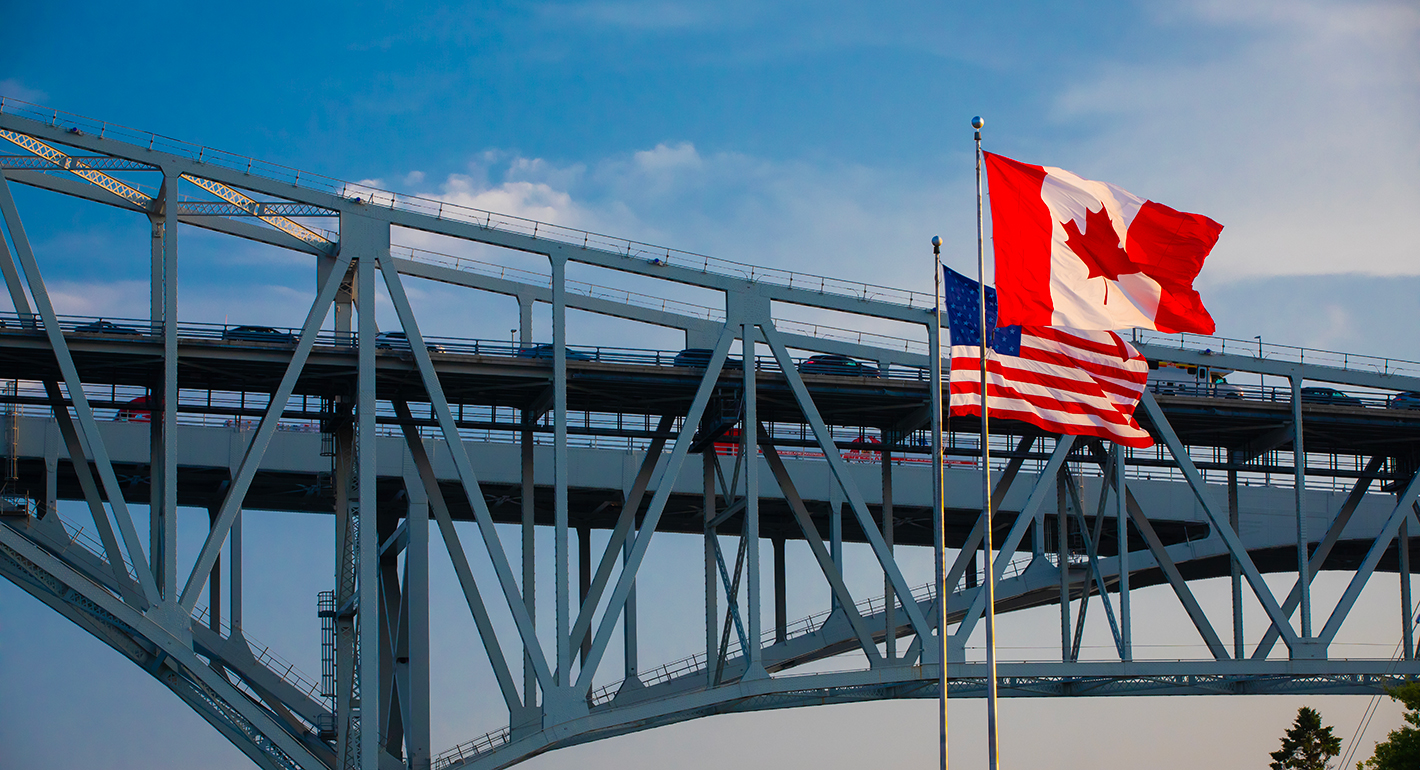
Smaller powers cannot go it alone, but Canadian history shows that integration with the United States will not always be benign.
Paul Samson

The European Commissioner for Trade is headed to China. But after President Xi’s bridge-building visit to Washington, can a more isolated EU overcome Beijing’s stranglehold on critical raw materials? Who will blink first?

Rym Momtaz, ed.
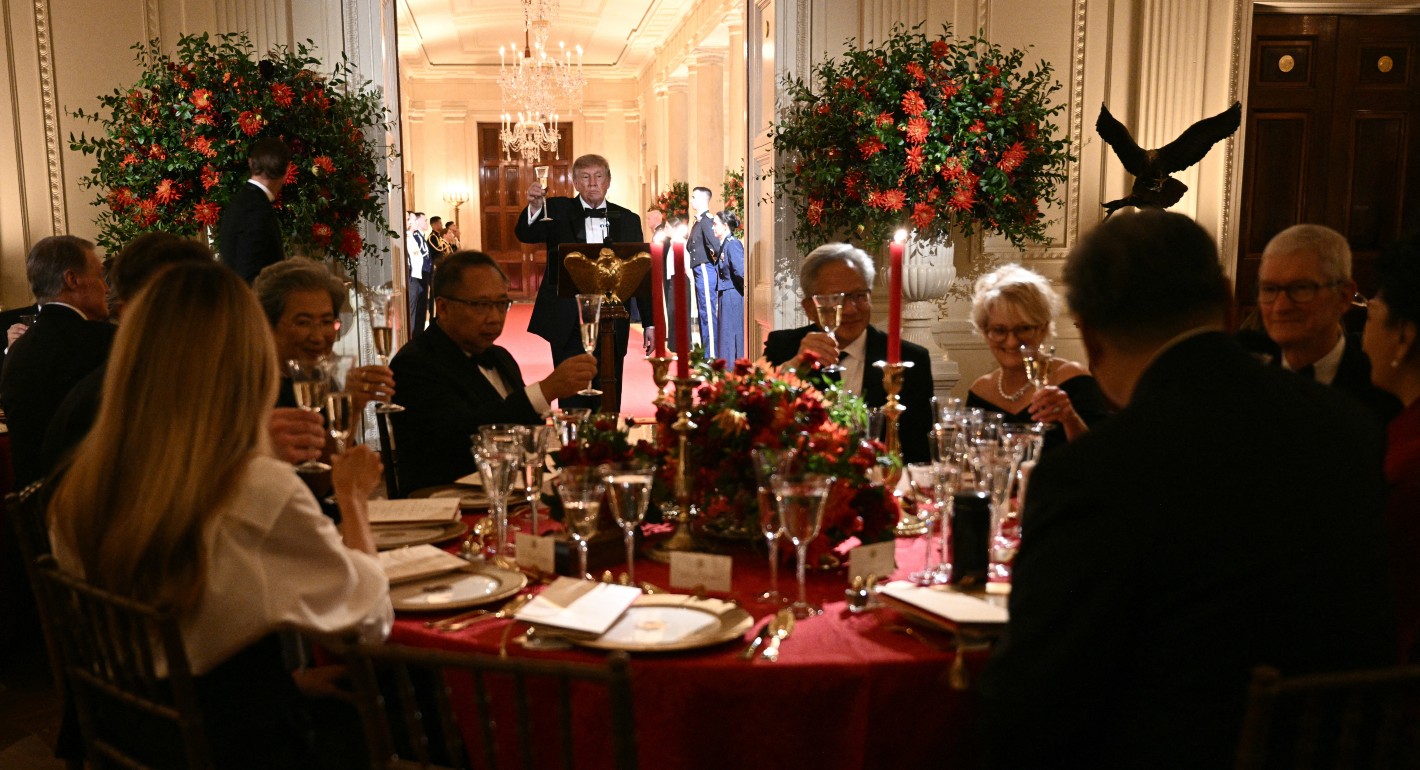
The summit may be remembered as a fatal blunder, when Washington, Beijing, and the AI industry collectively chose ceremony over action.
Jeffrey Prescott