

In The Media
Lina Khatib
{
  "authors": [
    "Lina Khatib"
  ],
  "type": "legacyinthemedia",
  "centerAffiliationAll": "dc",
  "centers": [
    "Carnegie Endowment for International Peace",
    "Malcolm H. Kerr Carnegie Middle East Center"
  ],
  "collections": [],
  "englishNewsletterAll": "menaTransitions",
  "nonEnglishNewsletterAll": "",
  "primaryCenter": "Malcolm H. Kerr Carnegie Middle East Center",
  "programAffiliation": "MEP",
  "programs": [
    "Middle East"
  ],
  "projects": [],
  "regions": [
    "Levant",
    "Lebanon",
    "Middle East"
  ],
  "topics": [
    "Political Reform",
    "Security"
  ]
}
Source: Getty
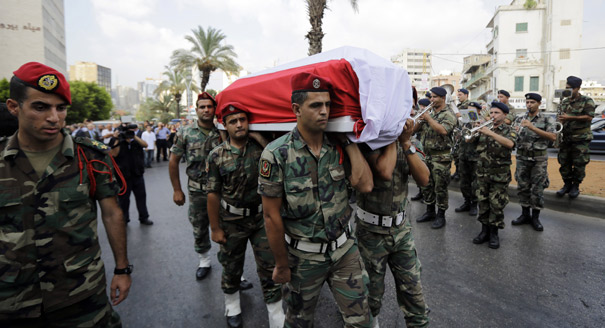
Lebanon’s official policy of disassociation with the war in neighboring Syria hasn’t kept the conflict at bay.
Source: BBC World Service Newshour
PRESENTER: Now another family is confronting the death of one of its members in the most brutal of ways. I mean to identify photographs that were posted online by the Sunni jihadist group Islamic State which purport to show a beheading. This time it’s not the family of a journalist—but of a soldier. 20-year-old Abbas Medlej, the second Lebanese soldier, that would appear, has been beheaded by the Sunni group, which has been rampaging through Iraq and Syria, but is also reached Lebanon. The country’s official policy of disassociation with the war in neighboring Syria hasn’t kept the conflict at bay. Well joining me now to discuss this here in the studio—Lina Khatib, who’s the director of the Carnegie Middle East Center in Beirut.
This interview was originally broadcasted on BBC World Service Newshour.
Former Director, Middle East Center
Khatib was director of the Carnegie Middle East Center in Beirut. Previously, she was the co-founding head of the Program on Arab Reform and Democracy at Stanford University’s Center on Democracy, Development, and the Rule of Law.
Recent Work
Lina Khatib
Lina Khatib
Carnegie does not take institutional positions on public policy issues; the views represented herein are those of the author(s) and do not necessarily reflect the views of Carnegie, its staff, or its trustees.
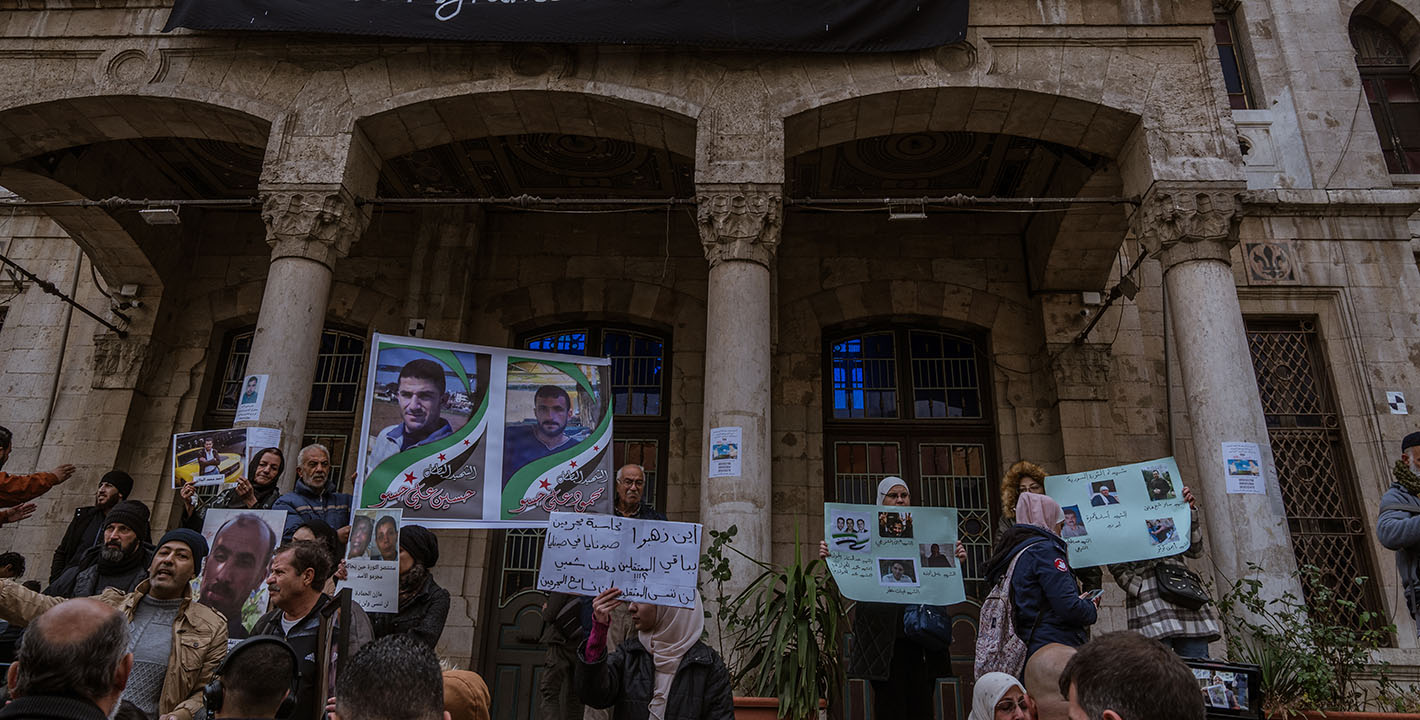
Reconciliation councils are emerging throughout the country to mediate in intracommunal disputes, many from the war years.
Natacha Danon
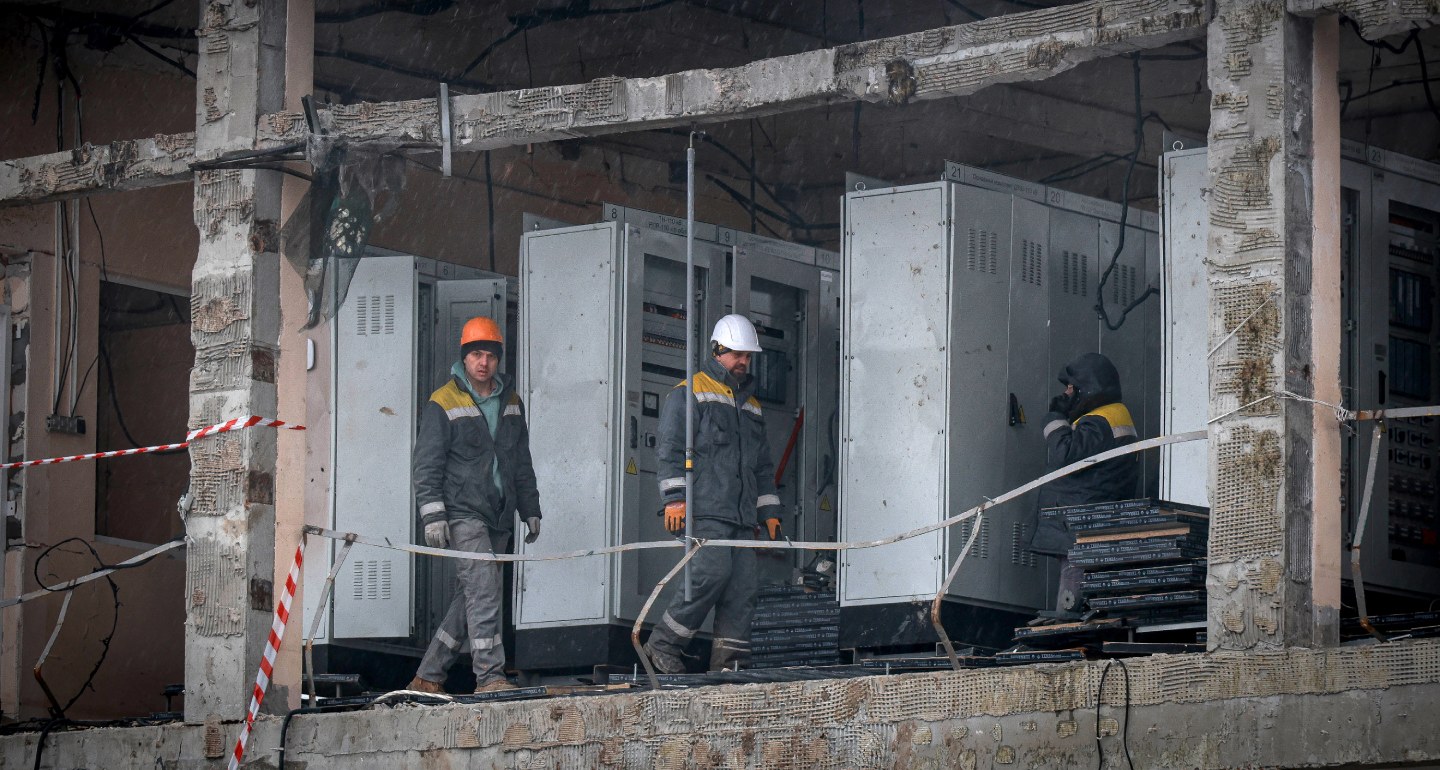
Russian strikes are weakening the economy sustaining Ukraine’s war effort. Closing the growing funding gap will require more European support and politically contentious reforms in Kyiv.
Balázs Jarábik
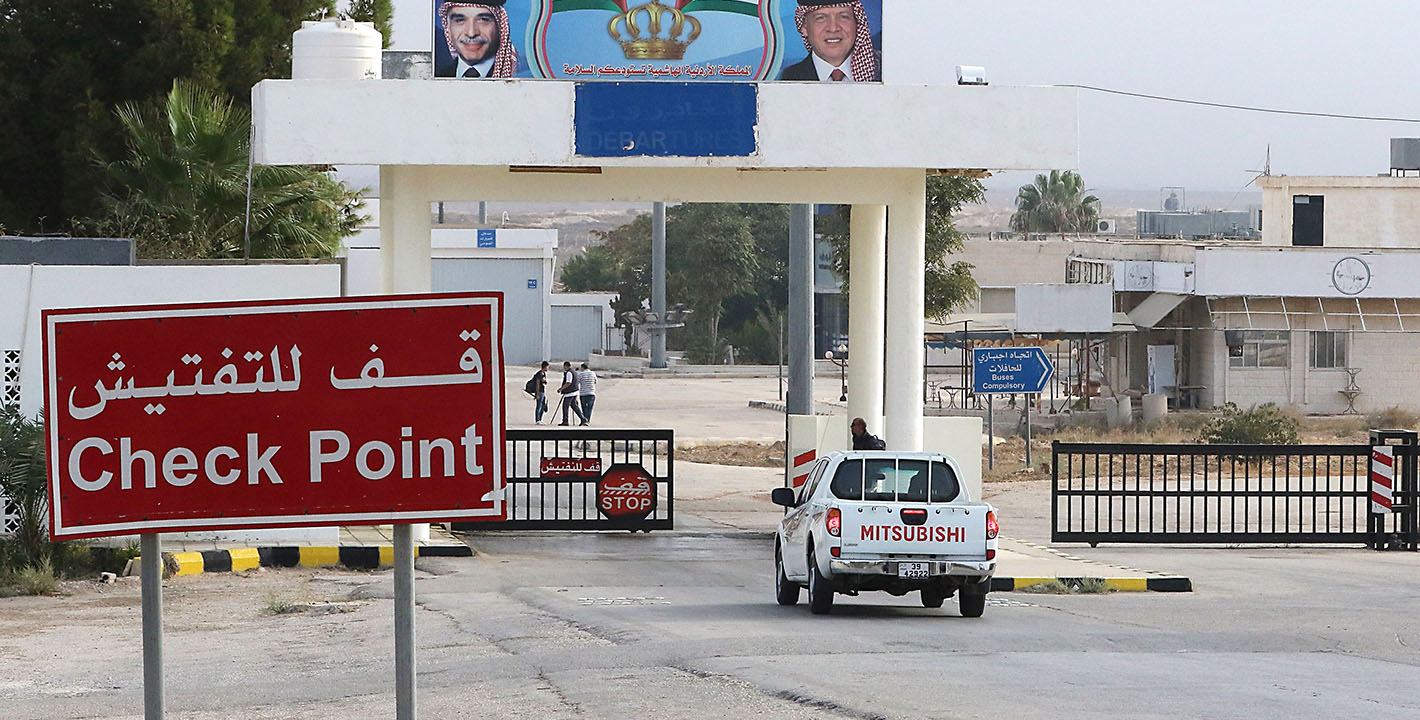
The civil war in Syria may have ended, but the country continues to serve as a source for the trafficking of illegal substances into and via Jordanian territory.
Armenak Tokmajyan, Laith Qerbaa
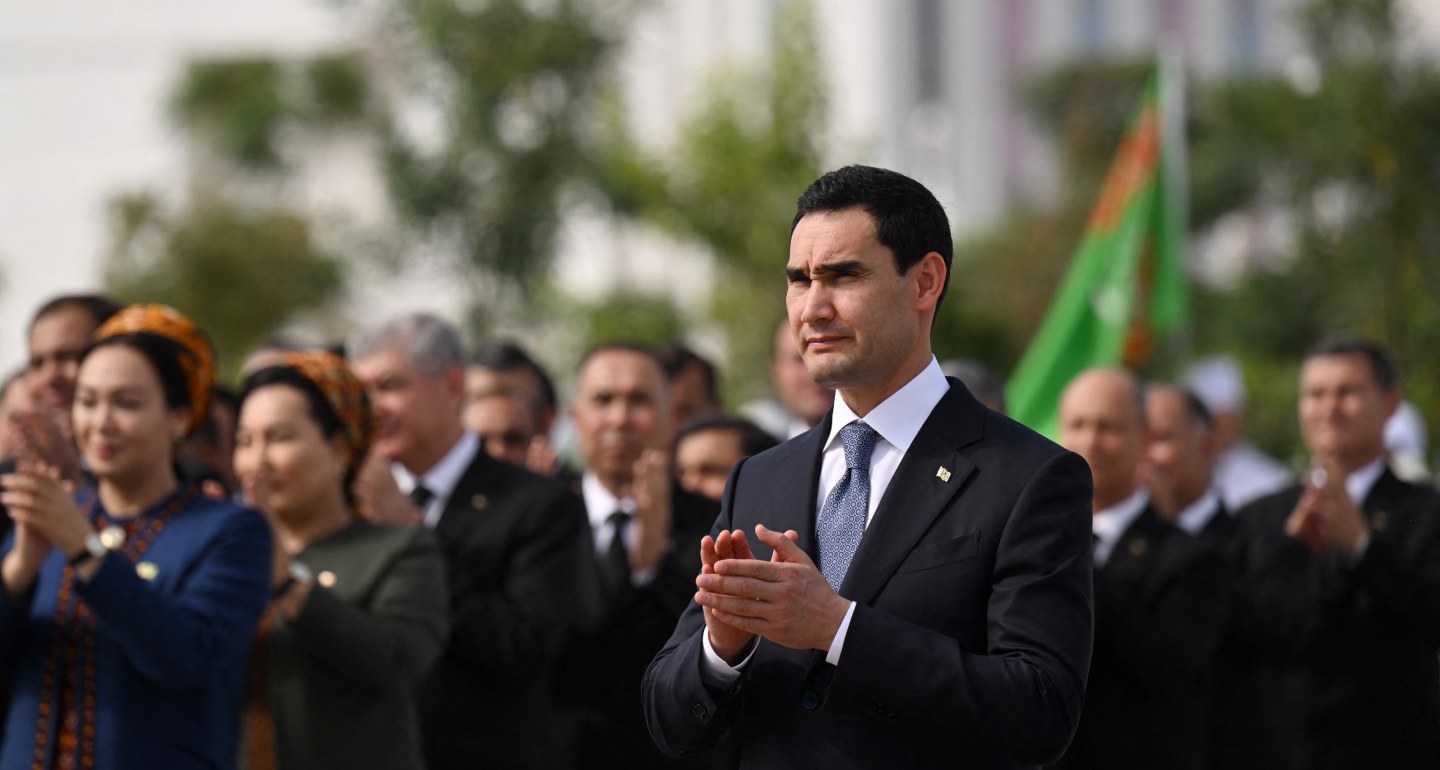
Ex-president Gurbanguly Berdimuhamedov remains interested in politics, but his son Serdar, Turkmenistan’s current president, is becoming increasingly independent and willing to break with his father’s legacy. If their covert rivalry goes too far, both risk losing power.
Galiya Ibragimova
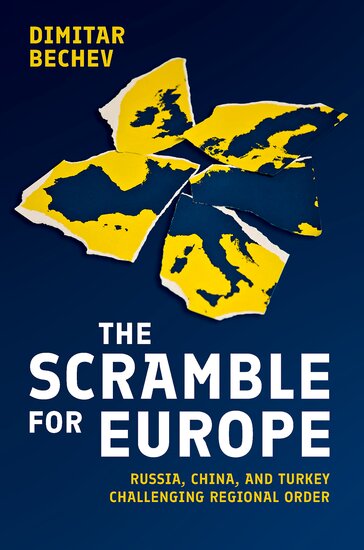
Europe is facing rising populism internally as well as external pressures from Russia, China, Turkey, and the United States.

Dimitar Bechev