

Commentary
Judy Dempsey
{
  "authors": [
    "Judy Dempsey"
  ],
  "type": "legacyinthemedia",
  "centerAffiliationAll": "dc",
  "centers": [
    "Carnegie Endowment for International Peace",
    "Carnegie Europe"
  ],
  "collections": [
    "Europe’s Eastern Neighborhood",
    "Transatlantic Cooperation"
  ],
  "englishNewsletterAll": "ctw",
  "nonEnglishNewsletterAll": "",
  "primaryCenter": "Carnegie Europe",
  "programAffiliation": "EP",
  "programs": [
    "Europe"
  ],
  "projects": [],
  "regions": [
    "Russia",
    "Europe",
    "Western Europe",
    "Iran"
  ],
  "topics": [
    "Security"
  ]
}
Source: Getty
Despite its military exercises and decision to boost the defenses of the Baltic States, NATO is wholly unprepared for a competition with Russia.
Source: The Moscow Times
“Russia is preparing for a conflict with NATO and NATO is preparing for a possible confrontation with Russia.” These are provocative words from the European Leadership Network, a British think tank. The think tank argues that the recent spate of exercises conducted by NATO and Russia is increasing tensions between both sides. They are threatening European security.
Europe’s security architecture was completely undermined when Russia annexed Crimea in March 2014. Since then, Russian-backed separatists have destabilized large parts of eastern Ukraine.
The result is that Europe’s post-Cold War security architecture has lost any kind of predictability. Russia’s violation of internationally recognized borders has led to a certain kind of insecurity in Europe, with growing fears by the Baltic states and other NATO members about Russia’s long-term intentions along NATO’s eastern and northern flanks.
That is why over the past few months NATO has been conducting exercises in the region. The largest, held in June, consisted of 15,000 troops. Belatedly, NATO has agreed to boost the defenses of the Baltic states, Poland and the Alliance’s southern flank in order to reassure its allies.Such reassurances fall short of permanently deploying NATO forces in any of these countries. There is neither the political will nor the military capabilities to do so. Germany, for one, opposes any such permanent deployment among NATO’s eastern members.
Furthermore, the majority of NATO countries have no intention of spending more on defense. Any chance that NATO members will each meet the target of spending 2 percent of gross domestic product on defense that was agreed in principle during the NATO summit in Cardiff, Wales last year, is slight to say the least.
For all that, Russia continues to goad NATO.
Its ‘snap exercise’ held last March consisted of 80,000 military personnel. Russia has repeatedly violated the airspace of several NATO countries.
The kidnapping nearly a year ago of Eston Kohver, a counter-intelligence officer in Estonia’s security agency shows how far Russia is willing to go to rattle small NATO member states. Kohver was sentenced yesterday by a Russian court to 15 years in prison.
On a bigger scale, Russia is also trying to carve out its own sphere of influence in the Arctic region, moves that both NATO members (Denmark, Iceland and Norway) and non-NATO members, Sweden and Finland are particularly worried about.
Indeed, along with Poland and the Baltic states, it is this group of countries that see Russia as a major threat to their security and not just because of what Russia is doing in Ukraine.
Just as Ukraine has become a competition over values between Russia and the European Union, the Arctic region and Ukraine are becoming new sources of strategic competition between Russia and the West.
Despite its military exercises and decision to boost the defenses of the Baltic States, NATO is wholly unprepared for this kind of competition.
Its 28 members still do not share a common threat perception. The southern members, particularly Spain, Italy, Greece and Turkey are understandably more worried about the turmoil engulfing the Middle East than what Russia is doing in Ukraine.
NATO countries are also divided over any future enlargement of the Alliance. The small Western Balkan country of Montenegro is lobbying hard to be admitted to NATO at its next summit that will be held in Warsaw, Poland. Even at that, it is not certain that Montenegro’s efforts will be rewarded.
As for Macedonia that has met all of NATO’s criteria for membership, Greece will continue to block its entry because of disagreements over what name Macedonia — cumbersomely called the former Yugoslav Republic of Macedonia — should be called.
There is absolutely no appetite by several big NATO countries to even offer Georgia the Membership Action Plan that would put it firmly on the path toward NATO membership. Several NATO countries said they don’t want to provoke Russia or send the wrong signal to Russia. In reality, this view amounts to Russia having a veto over further NATO enlargement.
Most European members of NATO are woefully unprepared to compensate for the American pivot to Asia and its gradual withdrawal from Europe. The U.S. is NATO’s security guarantee for the Western alliance.
That security guarantee has been consistently taken for granted by the Europeans. A poll conducted by the Pew Research Center concluded that it would be the U.S. and Canada, not the Europeans, that would defend any ally attacked by Russia. So much for NATO’s collective defense doctrine and its commitment to Article 5 that obliges a member to assist any other member that is attacked.
The longer the Europeans refuse to understand the changing dynamics of the transatlantic relationship the more Russia will try and exploit to its advantage the weaknesses of the Alliance. That is exactly what Russia is trying to do in Ukraine, its ambitions in the Arctic and its big military exercises.
NATO’s response and resolve will only be really tested if Russia moves the conflict to an Alliance member.

Nonresident Senior Fellow, Carnegie Europe
Judy Dempsey is a nonresident senior fellow at Carnegie Europe
Recent Work
Judy Dempsey
Judy Dempsey
Carnegie does not take institutional positions on public policy issues; the views represented herein are those of the author(s) and do not necessarily reflect the views of Carnegie, its staff, or its trustees.
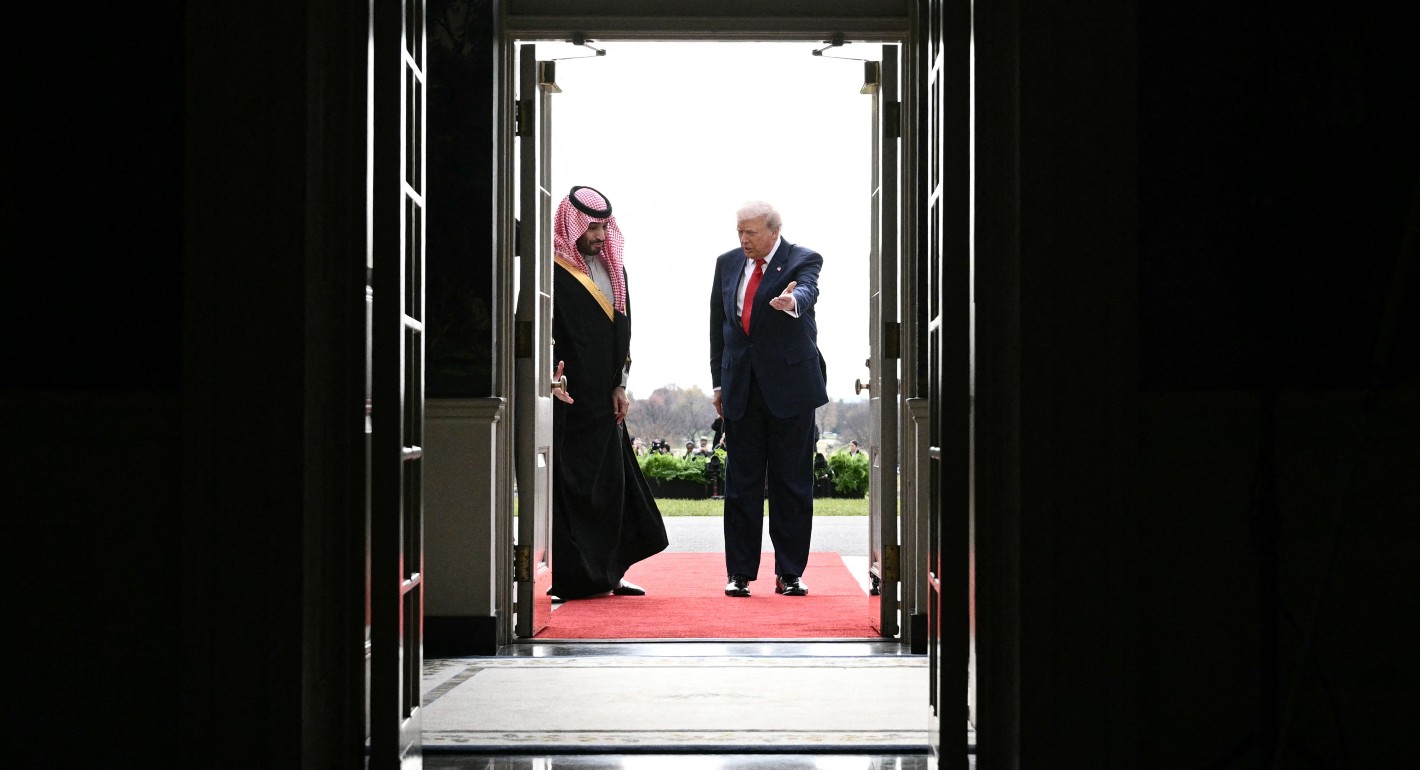
Despite the agreement’s uncertainty, it’s still a significant development in regional and nuclear policy.


Andrew Leber, Jane Darby Menton

Trump is distracted and Ukraine wants Europe to step up. The continent’s leaders must find their voice and assert it in talks with Russia.

Alissa de Carbonnel
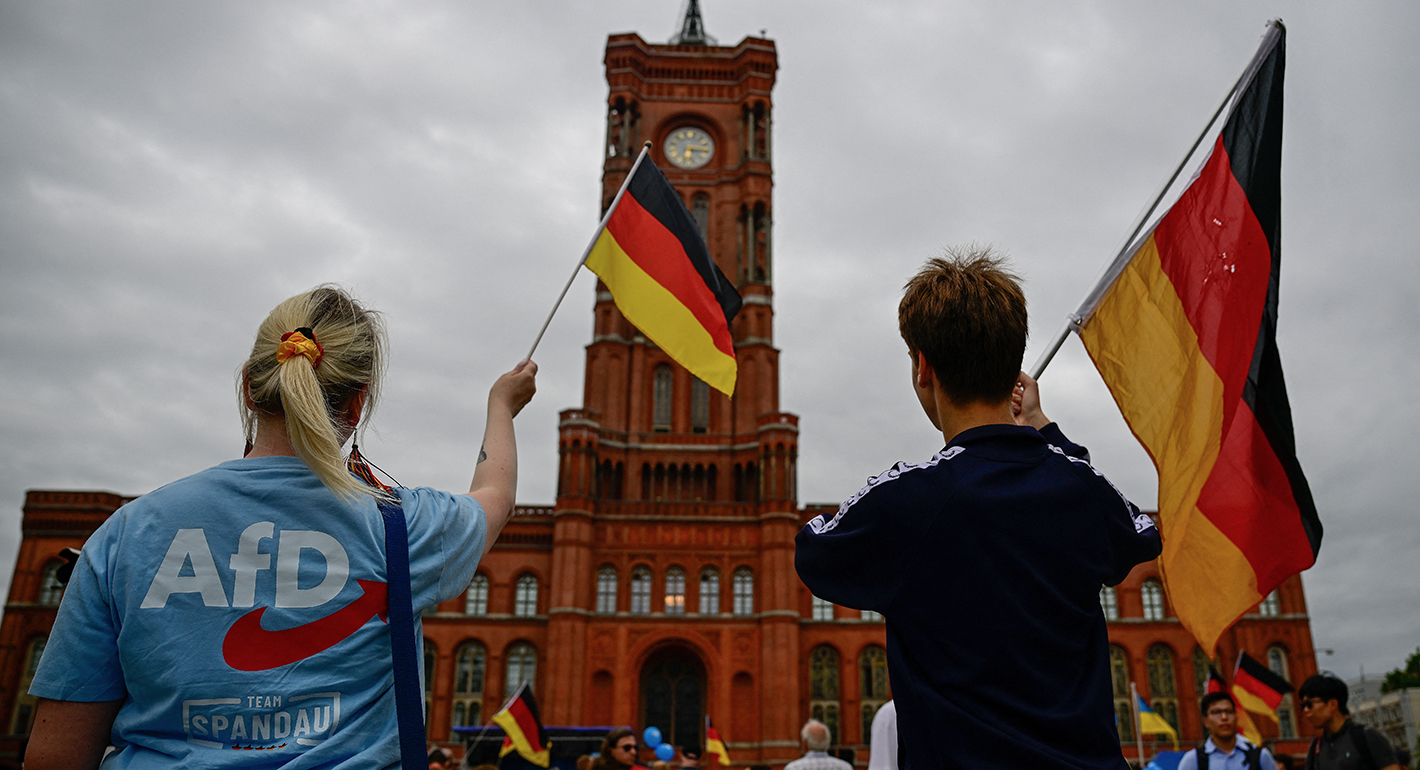
Unresolved tensions within the AfD may ultimately constrain the its potential as a leader among European and global populist forces.
Jeremy Cliffe

Mounting economic strain and battlefield losses will not necessarily make the Kremlin less dangerous. They could instead push Moscow toward a more aggressive hybrid campaign designed to test NATO’s Eastern flank, exploit allied hesitation, and fracture European resolve.

Maksym Beznosiuk
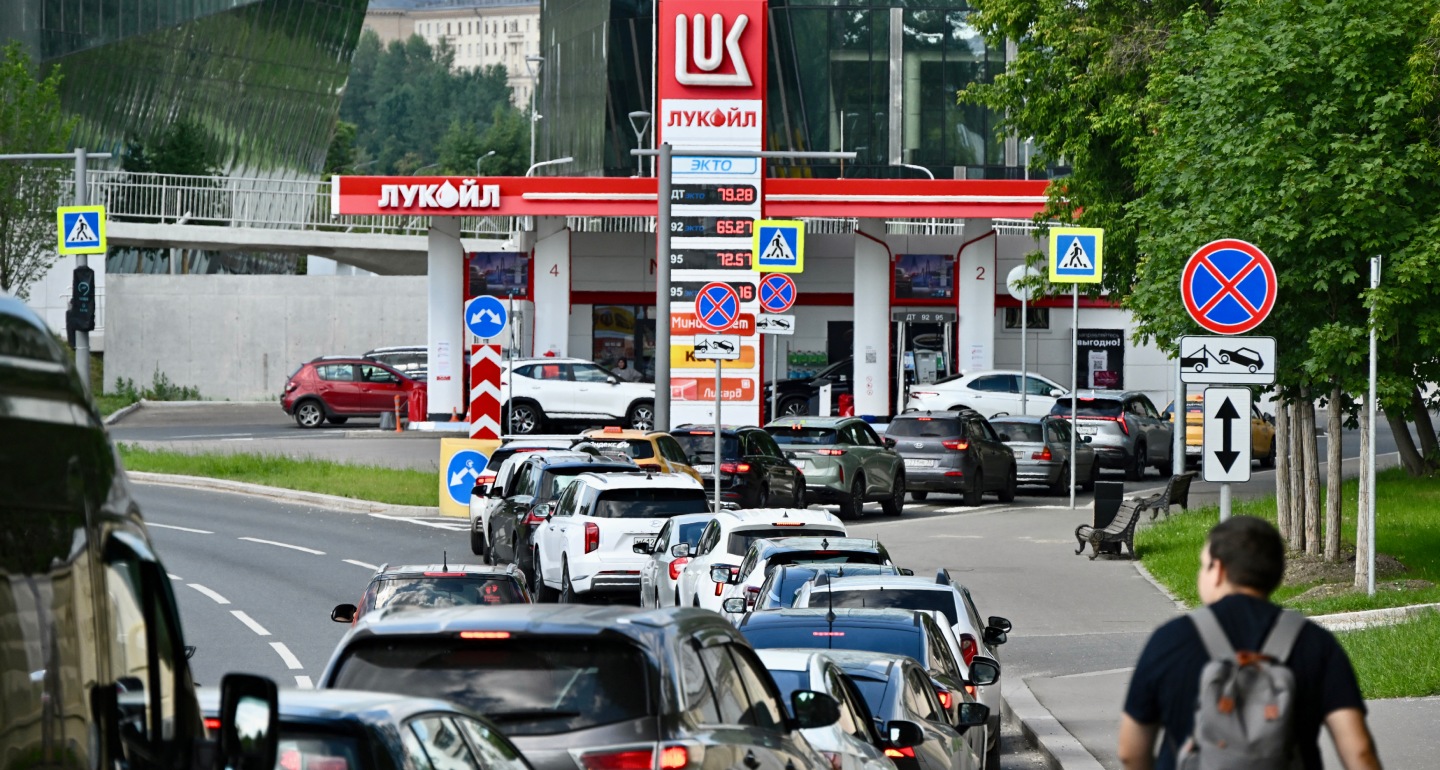
Official discussions about mini oil refineries are unlikely to come to anything—but the mere fact they’re happening reveals the regime is failing to deliver a functioning economy.

Sergey Vakulenko