

Commentary
It should address the shortcomings of previous crisis communication efforts and adapt to the demands of frontier AI.
Lucy Luo
{
  "authors": [],
  "type": "pressRelease",
  "centerAffiliationAll": "",
  "centers": [
    "Carnegie Endowment for International Peace"
  ],
  "collections": [],
  "englishNewsletterAll": "",
  "nonEnglishNewsletterAll": "",
  "primaryCenter": "Carnegie Endowment for International Peace",
  "programAffiliation": "",
  "programs": [],
  "projects": [],
  "regions": [],
  "topics": [
    "Foreign Policy"
  ]
}
REQUIRED IMAGE
William J. Burns, Michèle Flournoy, and Nancy Lindborg announced today the launch of an independent and non-partisan Study Group on Fragility.
WASHINGTON—William J. Burns, Michèle Flournoy, and Nancy Lindborg announced today the launch of an independent and non-partisan Study Group on Fragility. The Study Group’s aim is to identify principles and recommendations for a strategic and effective U.S. foreign policy response to the interrelated security, humanitarian, and development challenges posed by fragile states.
Burns, a former deputy secretary of state; Flournoy, a former undersecretary of defense for policy, and Lindborg, a former assistant administrator for the Bureau for Democracy, Conflict and Humanitarian Assistance at the U.S. Agency for International Development, are the leaders of the Carnegie Endowment for International Peace, the Center for a New American Security, and the U.S. Institute of Peace, respectively.
“The upheaval we’ve seen over the past few years, from the Arab uprisings to the spread of extremism, and the global displacement crisis to the Ebola outbreak, underscores the stakes and urgency of addressing fragility with renewed emphasis,” said Burns. “American interests are often at play, as are those of key allies and partners who look to American leadership to help galvanize a response.”
The Study Group includes a Senior Advisory Group, consisting of former members of Congress, senior executive branch officials and experts from academia, think-tanks, non-governmental organizations, and the private sector.
“After the 2016 elections, the new Congress and next administration – regardless of political affiliation – should demand better ideas about whether and how to engage, prioritize, and invest in these challenges,” said Flournoy. “This Study Group will identify principles to underscore where the stakes are most significant and concrete recommendations that build on America’s strengths.”
“More than a billion people now live in states deemed fragile, which is where conflict, violence, and poverty are deeply concentrated,” said Lindborg. “A vital challenge for the coming administration will be to get ahead of crises that routinely emerge from these states in order to save lives and improve our security.”
The Study Group will publish its findings and recommendations during the summer of 2016.
Carnegie does not take institutional positions on public policy issues; the views represented herein are those of the author(s) and do not necessarily reflect the views of Carnegie, its staff, or its trustees.
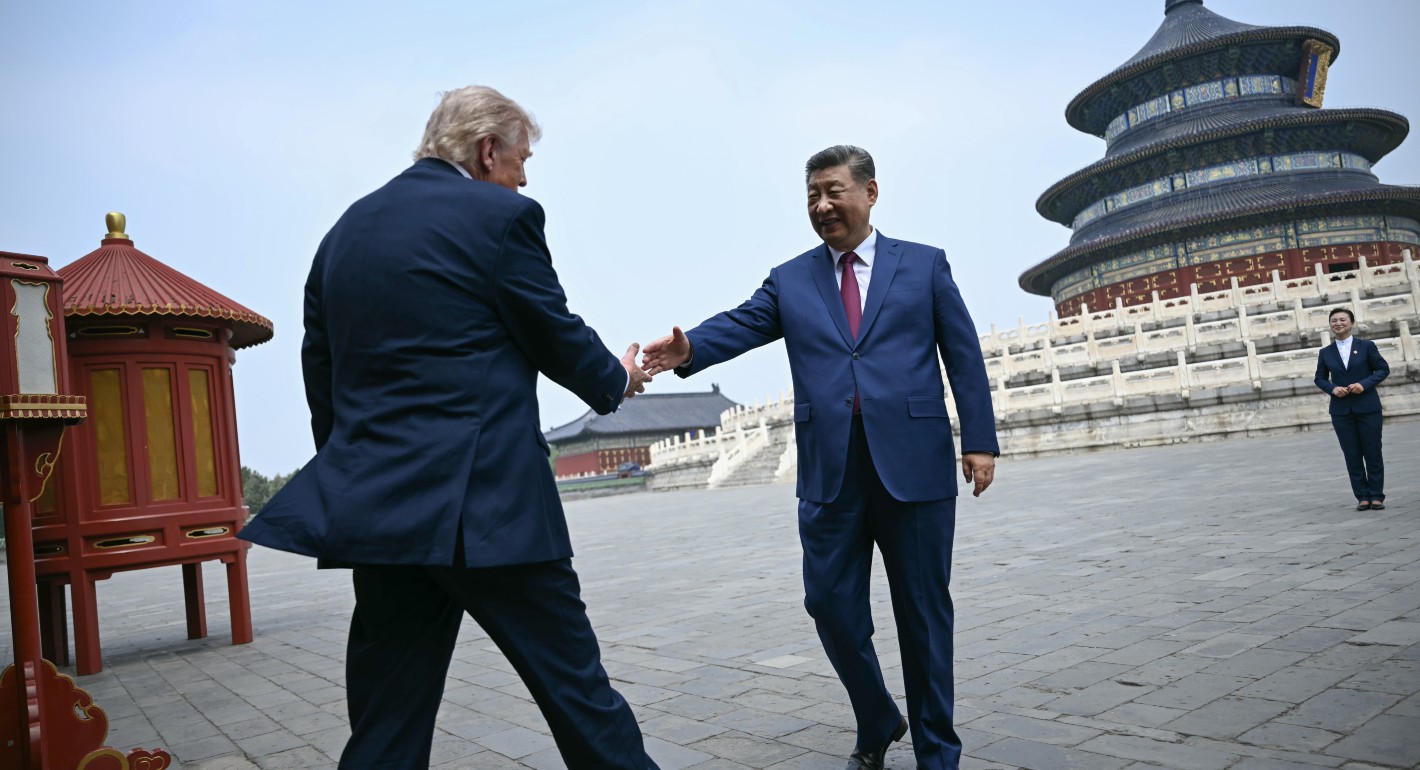
It should address the shortcomings of previous crisis communication efforts and adapt to the demands of frontier AI.

Lucy Luo
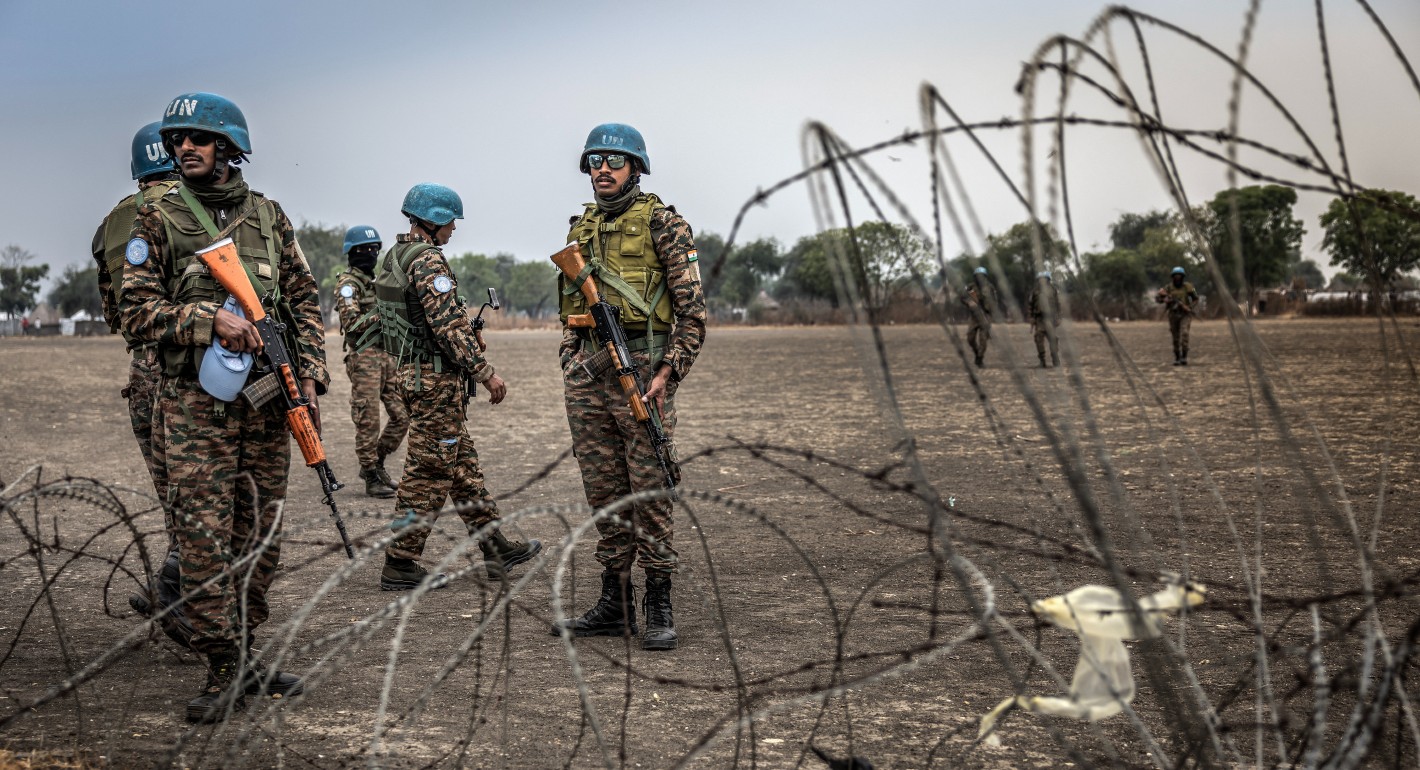
Washington’s decision to support some UN functions while letting others wither is pulling the organization apart at the seams.

Stewart Patrick, Theodore Zaritsky

Are Germany’s economic, industrial, and political struggles becoming a liability for the EU’s ability to rise to the geopolitical moment?

Rym Momtaz, ed.

China’s police training infrastructure construction projects provide benefits to recipient countries, promote China’s image as a major global security provider, and are likely to reinforce alignment between Beijing’s security priorities and those of countries in the Global South.


Cameron Waltz, Sheena Chestnut Greitens, Kim Nguyen, …

The Bureau of Industry and Security needs to adjust its focus and practices to maintain its position as the U.S. government’s primary champion of international technological competition.

Geoffrey Irving