

Paper
Renad Mansour, Faleh A. Jabar
{
  "authors": [
    "Renad Mansour"
  ],
  "type": "legacyinthemedia",
  "centerAffiliationAll": "",
  "centers": [
    "Carnegie Endowment for International Peace",
    "Malcolm H. Kerr Carnegie Middle East Center"
  ],
  "collections": [],
  "englishNewsletterAll": "",
  "nonEnglishNewsletterAll": "",
  "primaryCenter": "Malcolm H. Kerr Carnegie Middle East Center",
  "programAffiliation": "",
  "programs": [],
  "projects": [],
  "regions": [
    "Levant",
    "Iraq",
    "Middle East"
  ],
  "topics": [
    "Political Reform"
  ]
}
Source: Getty
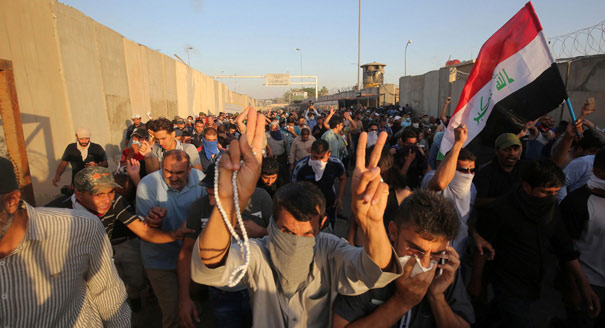
Iraqi Prime Minister Abadi is going to have to pay attention to demands for institutional and structural change coming from the protests led by Shia cleric Muqtada Al-Sadr.
Source: TRT World
Carnegie’s Renad Mansour joined TRT World to dicuss on-going significant developments in Iraqi politics. Primarily, Mansour commented on the protests led by Shia cleric Muqtada Al-Sadr and Iraqi Prime Minister Abadi’s cabinet reshuffle and reforms.
Mansour argued that Abadi would have to listen to Al-Sadr’s demands for institutional and structural change, and Abadi knows it. He reiterated that Abadi himself is moving in the direction of reform and working towards establishing a technocratic cabinet.
Mansour discussed how Al-Sadr was able to mobilize large support for sit-ins and protests both inside and outside the Green Zone. Al-Sadr’s support primarily comes from southern Iraq and Baghdad but his increased acceptance and support is related to Al-Sadr’s efforts to rebrand himself as an Iraqi nationalist.
Former El-Erian Fellow, Middle East Center
Mansour was an El-Erian fellow at the Carnegie Middle East Center, where his research focuses on Iraq, Iran, and Kurdish affairs.
Recent Work
Renad Mansour, Faleh A. Jabar
Renad Mansour
Carnegie does not take institutional positions on public policy issues; the views represented herein are those of the author(s) and do not necessarily reflect the views of Carnegie, its staff, or its trustees.

In the discussions made possible by the State Duma election campaign, one question is being asked more and more loudly. “What next?”

Andrey Pertsev
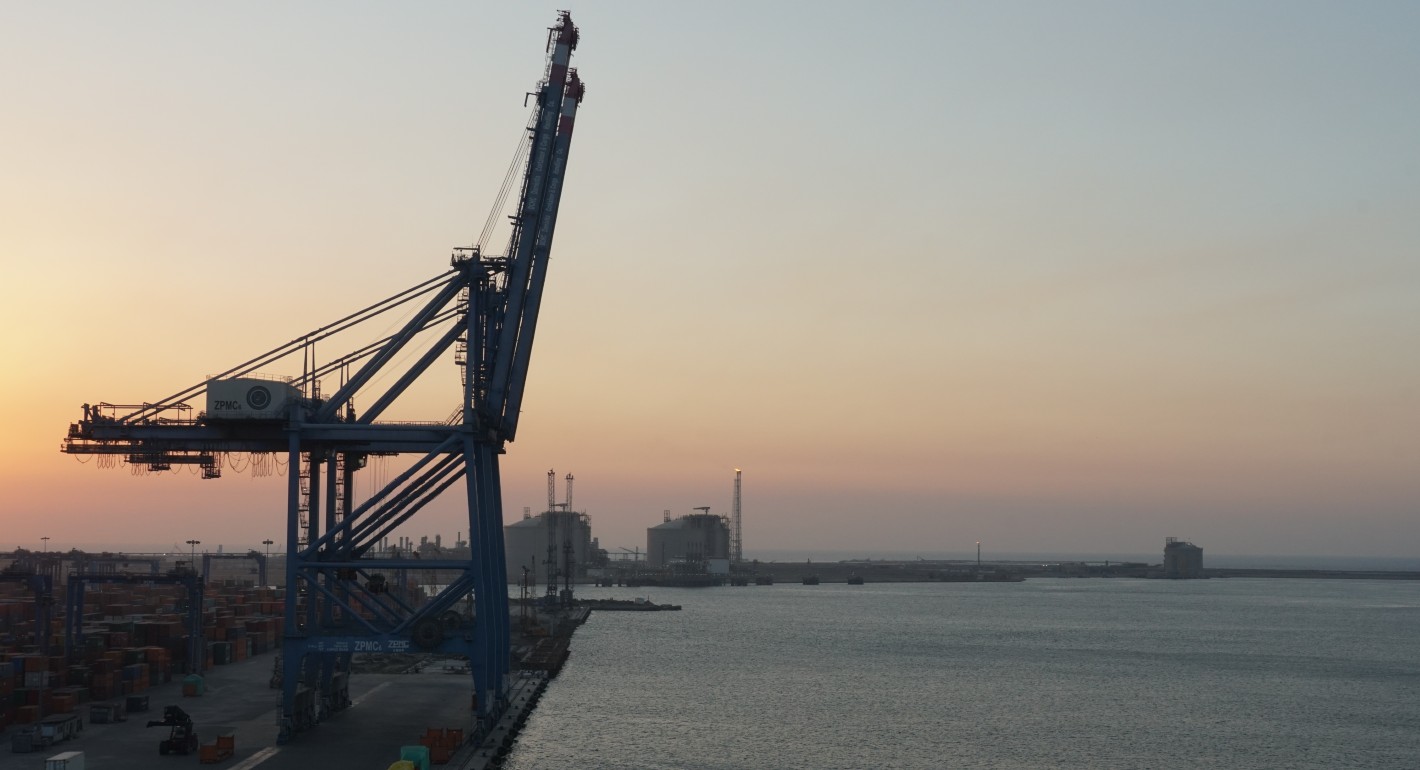
The targeting of Damietta Port appears to be more than a mere security message.

Amr Hamzawy
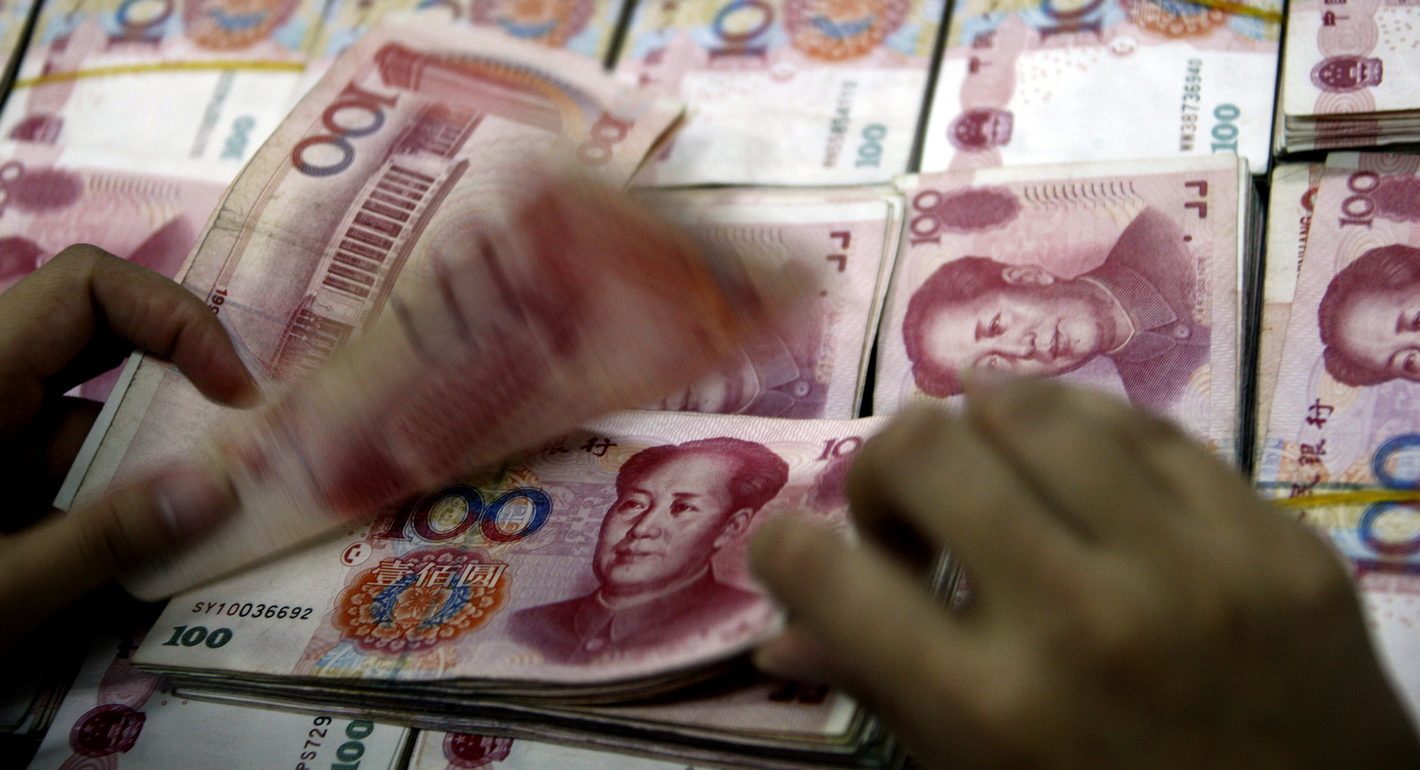
Is the Gulf moving beyond the dollar? This article examines how China is expanding the renminbi's role across Gulf markets, what that means for regional finance, and why the future of global currencies is more complex than the de-dollarization debate suggests.
Andrew Bonney
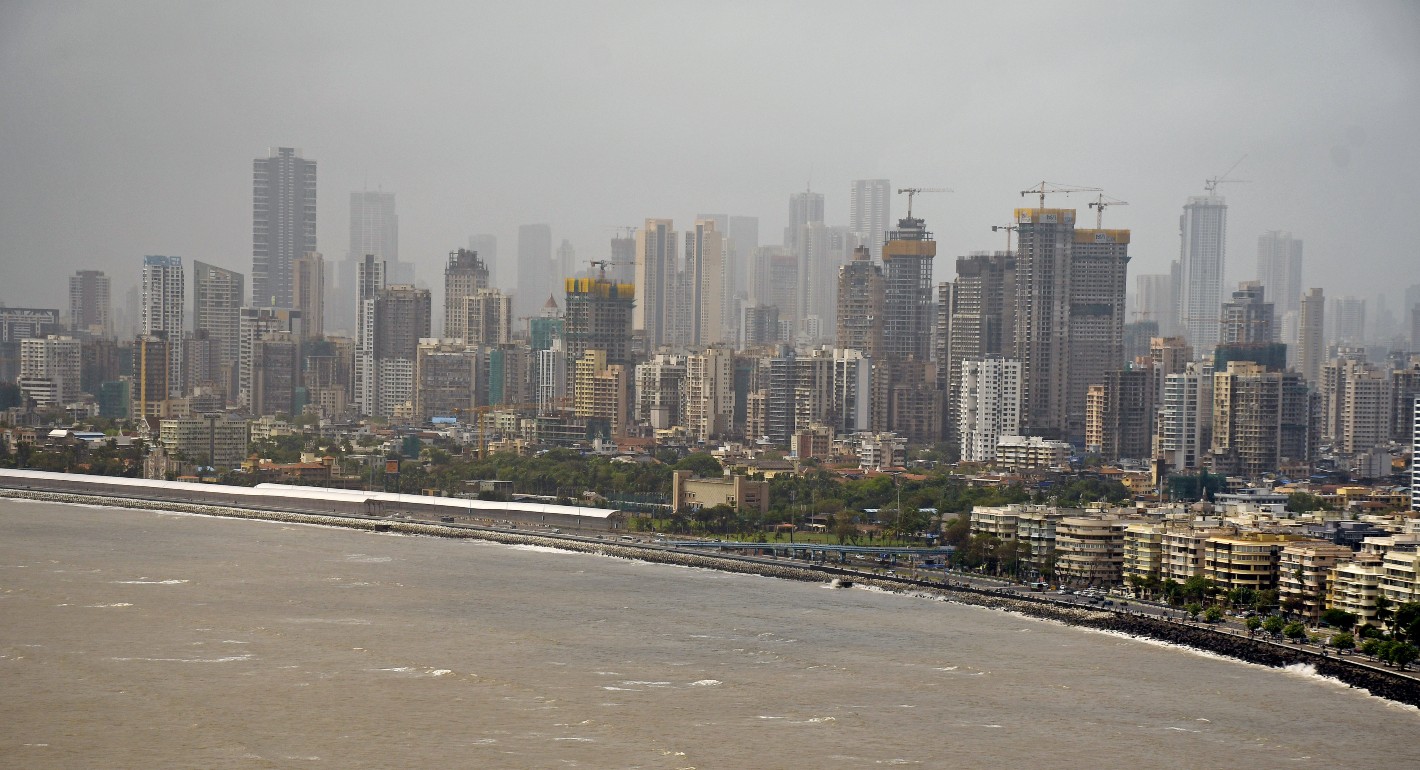
As India undergoes a demographic transition, its cities will be its economic powerhouse—but only if it accurately captures city growth and empowers cities to support their citizens.
Apoorva Jadhav
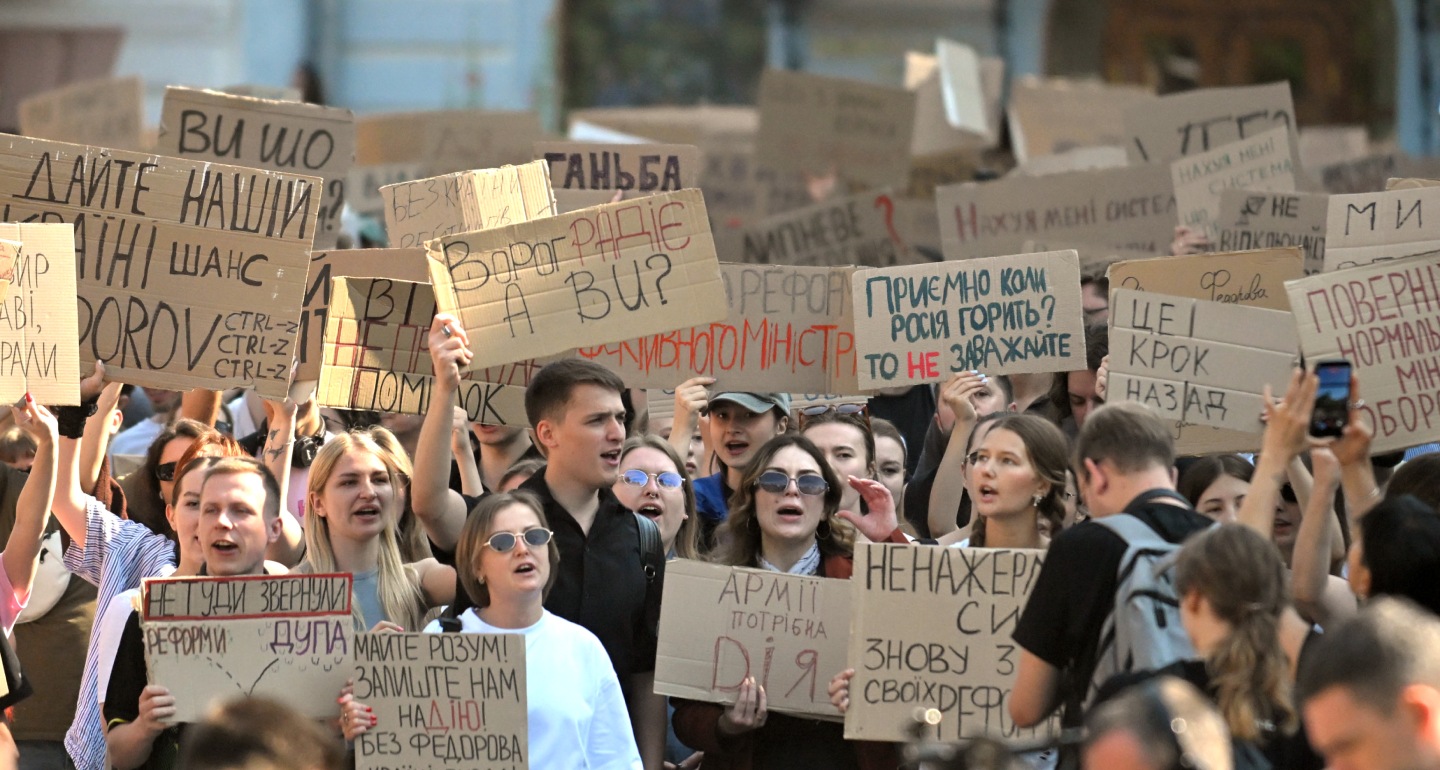
Even if the terms of a ceasefire or peace settlement are satisfactory to most Ukrainians, the country’s democracy will face its fair share of challenges.
Petro Burkovskyi, Olexiy Haran