

Article
Muthiah Alagappa
{
  "authors": [
    "Muthiah Alagappa"
  ],
  "type": "legacyinthemedia",
  "centerAffiliationAll": "dc",
  "centers": [
    "Carnegie Endowment for International Peace"
  ],
  "collections": [],
  "englishNewsletterAll": "asia",
  "nonEnglishNewsletterAll": "",
  "primaryCenter": "Carnegie Endowment for International Peace",
  "programAffiliation": "AP",
  "programs": [
    "Asia"
  ],
  "projects": [],
  "regions": [
    "Southeast Asia"
  ],
  "topics": [
    "Political Reform",
    "Democracy"
  ]
}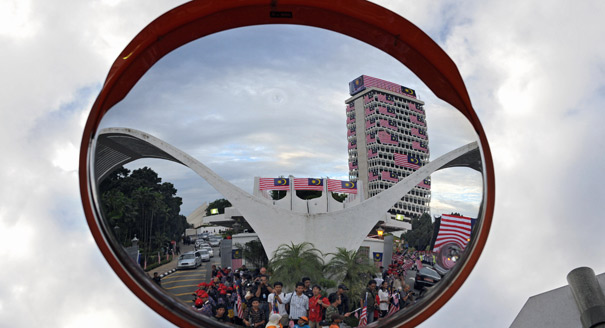
Source: Getty
Building a cohesive nation and developing an effective state are long-term processes that may take several decades, if not centuries.
Source: Edge Malaysia
Prominent banker Datuk Nazir Razak has again articulated the need for a second National Consultative Council (NCC2). This call has been supported by a number of political parties, including certain parties within the governing Barisan Nasional and senior politicians Tan Sri Rafidah Aziz, who was the former minister of international trade and industry.
I strongly endorse the need for NCC2 and future NCCs as they become necessary for Malaysia to become a cohesive nation and an effective state. Building a cohesive nation and developing an effective state are long-term processes that may take several decades, if not centuries….
This piece was originally published in the Edge Malaysia. It was published with a mistake; the original says ‘On nation-building, my view is that measures should be instituted to strengthen democracy in the country …’. It should say ‘On state-building, my view is that measures should be instituted to strengthen democracy in the country …’
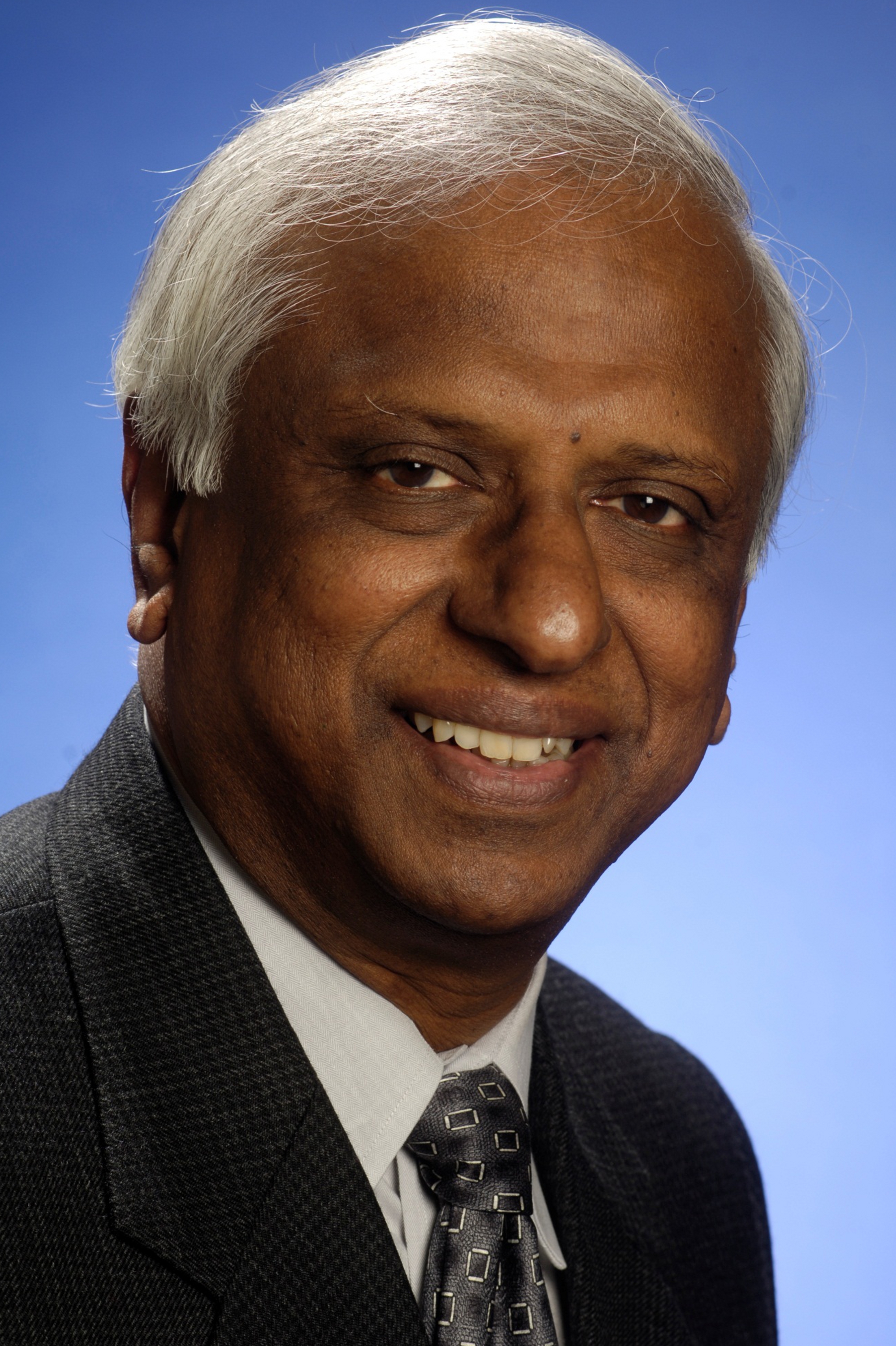
Former Nonresident Senior Fellow, Asia Program
Alagappa, formerly a nonresident senior fellow in the Asia Program, was the first holder of the Tun Hussein Onn Chair in international studies at the Institute of Strategic and International Studies in Kuala Lumpur, Malaysia. His research focuses primarily on Asian security, the political legitimacy of governments, civil society and political change, and the political role of the military in Asia.
Recent Work
Muthiah Alagappa
Muthiah Alagappa
Carnegie does not take institutional positions on public policy issues; the views represented herein are those of the author(s) and do not necessarily reflect the views of Carnegie, its staff, or its trustees.
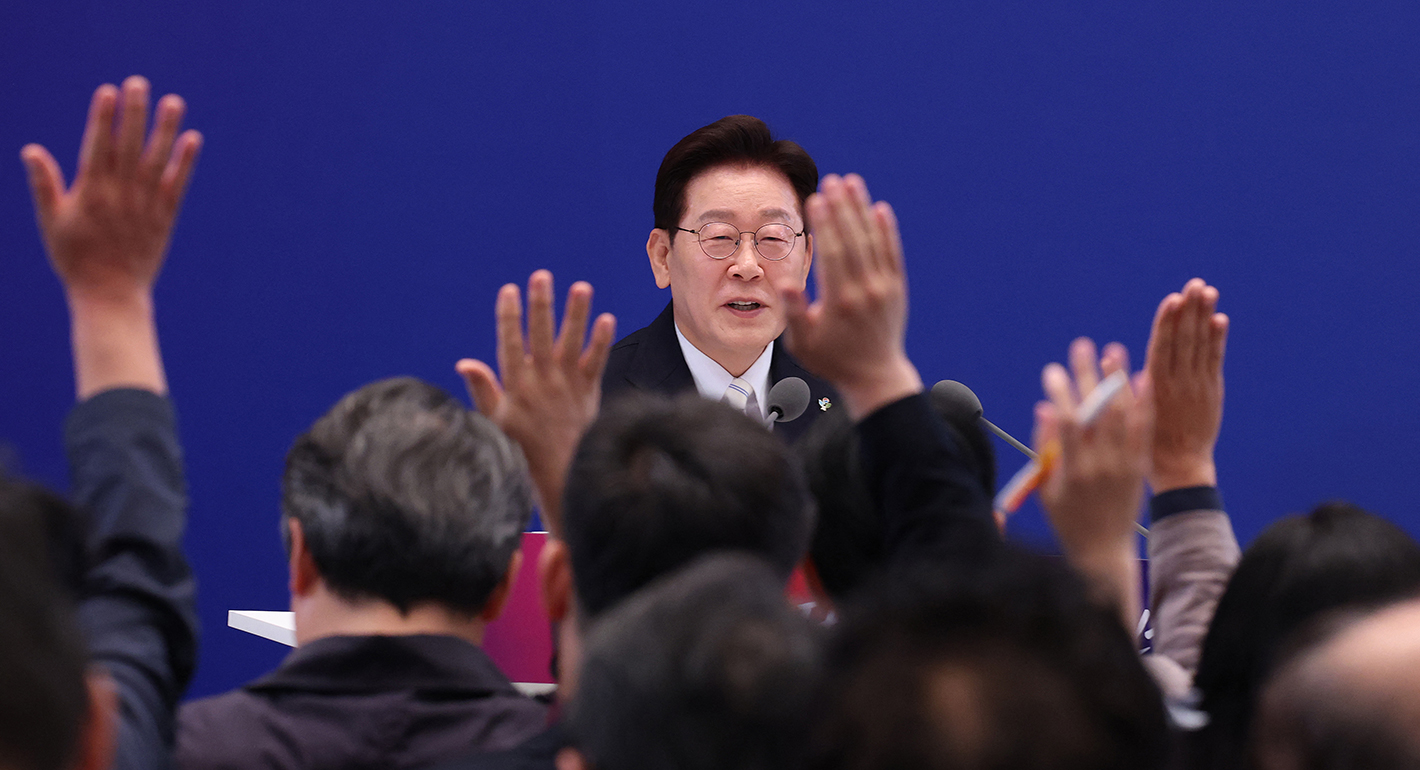
President Lee marked his first year in office after one of the most tumultuous periods in South Korean politics. Though Lee has enjoyed a high approval rating, a large majority in the National Assembly, and foreign policy victories, Lee and his party’s political fortunes depend on generating economic growth, learning the right lessons from the recent local elections, and managing contentious factional strife within his political base.
Chung Min Lee
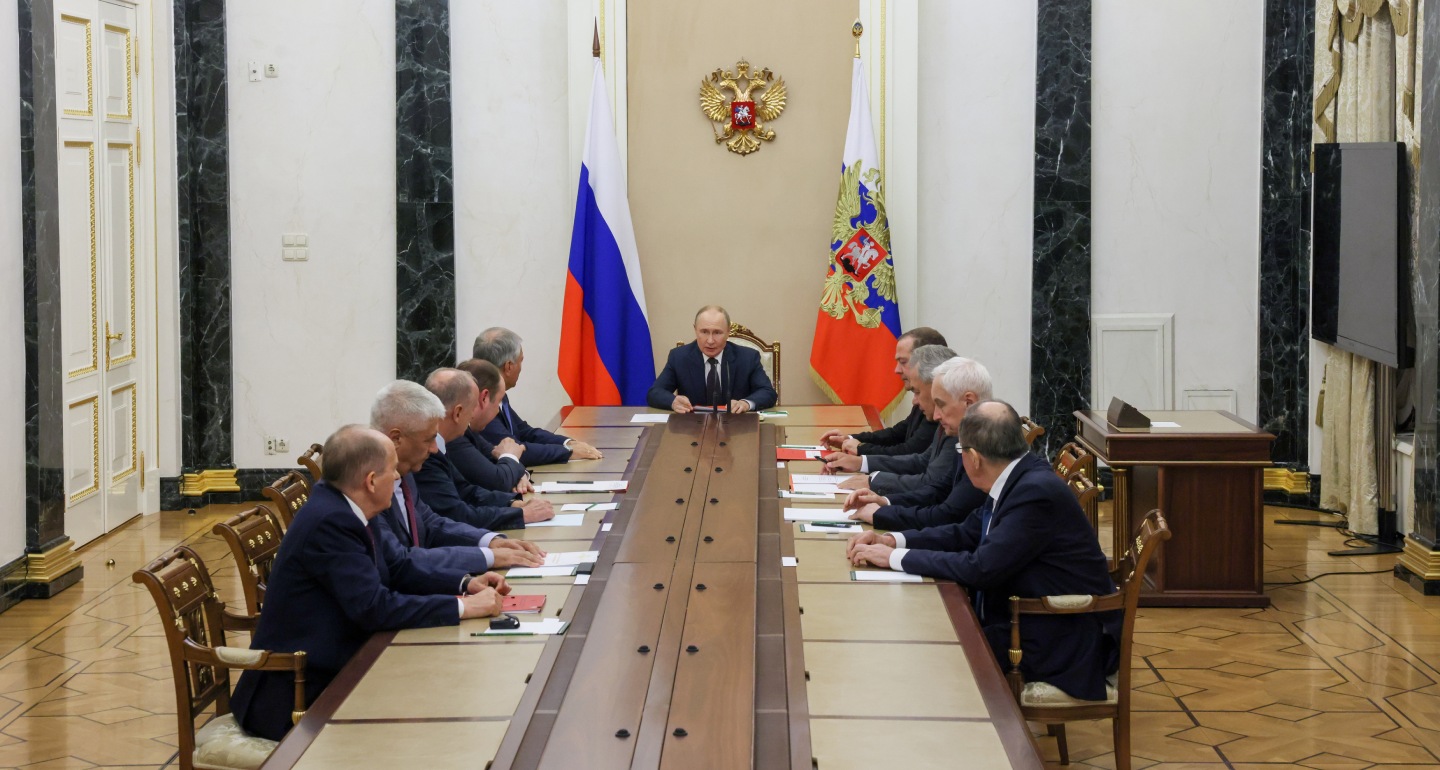
The ruling elites in contemporary Russia are not a political class, but a community of managers who are not subject to competition or public accountability. The state is becoming an operating apparatus without any internal autonomy.

Alexandra Prokopenko
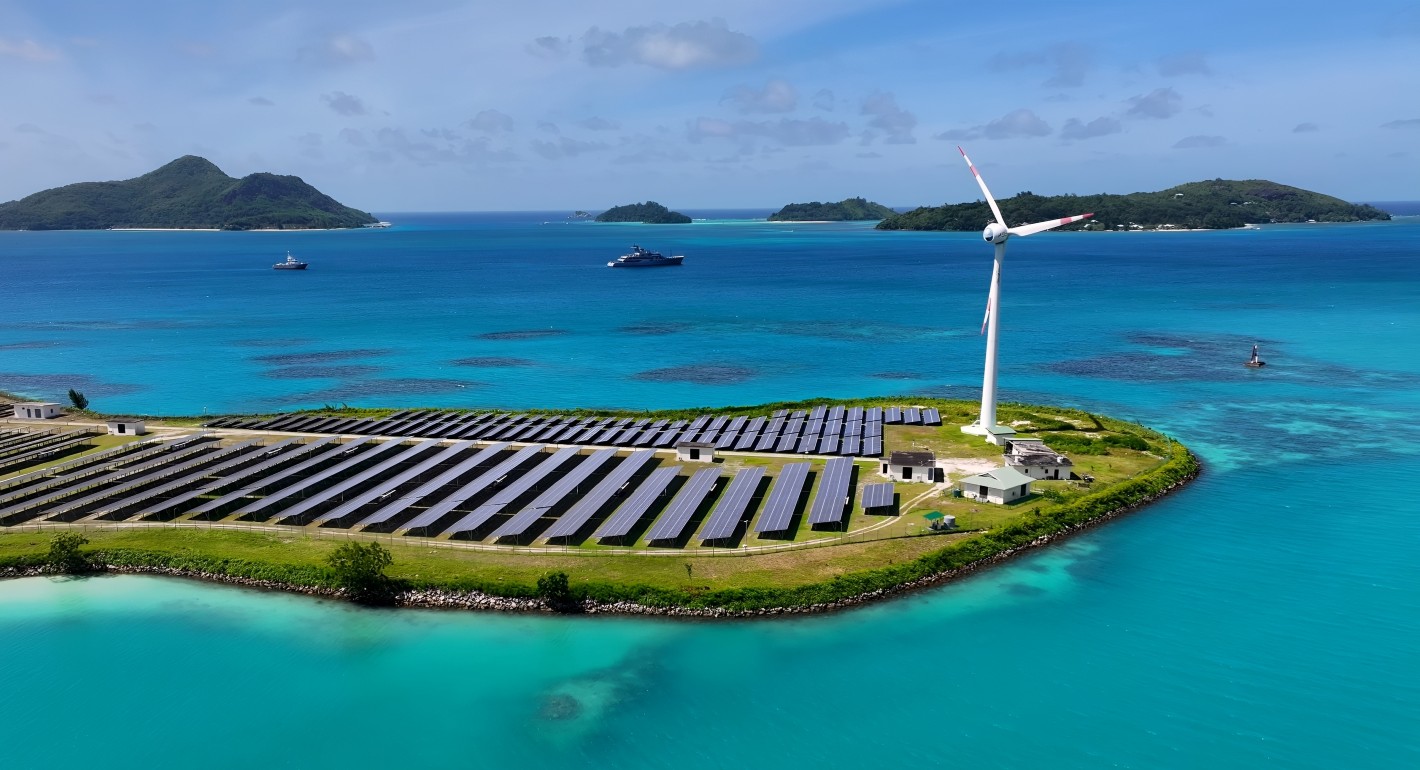
China’s central bank swap lines could help developing world leaders drive their energy transition—if they harness conditionality to protect their interests.
Ebipere K. Clark

Pashinyan’s pro-European party has been re-elected with a decisive victory. But the pro-Russian opposition could still slow Armenia’s progress toward peace with Azerbaijan and rapprochement with Europe.
Mikayel Zolyan
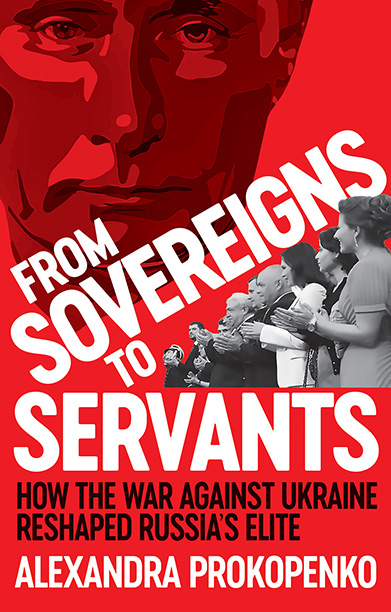
How did Putin co-opt Russia’s political and economic elites, ensuring no more than fitful resistance to the regime’s war on Ukraine?
Alexandra Prokopenko