

Article
Deborah Gordon, Stephen D. Ziman
{
  "authors": [
    "Deborah Gordon"
  ],
  "type": "legacyinthemedia",
  "centerAffiliationAll": "dc",
  "centers": [
    "Carnegie Endowment for International Peace"
  ],
  "collections": [],
  "englishNewsletterAll": "ctw",
  "nonEnglishNewsletterAll": "",
  "primaryCenter": "Carnegie Endowment for International Peace",
  "programAffiliation": "SCP",
  "programs": [
    "Sustainability, Climate, and Geopolitics"
  ],
  "projects": [
    "Carnegie Oil Initiative"
  ],
  "regions": [
    "North America",
    "United States"
  ],
  "topics": [
    "Climate Change"
  ]
}
Source: Getty
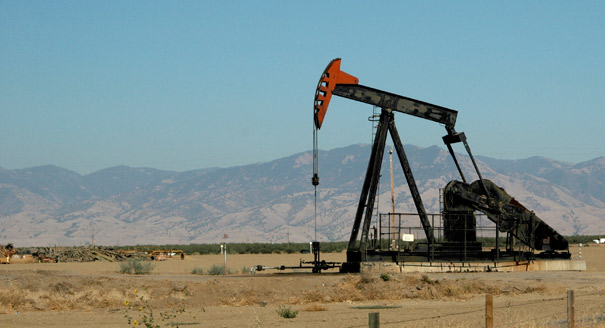
California faces hidden climate risks from its oils.
Source: Capital Public Radio
Carnegie senior fellow, Deborah Gordon, spoke with Capital Public Radio, a Sacramento based NPR-affliate about California’s hidden climate risks—its oils—some of which may be among the dirtiest in the world, much like the Canadian oils sands.
“And those are the same oil sands that California didn’t want to take because they were so dirty, but California produces some of its own really dirty oils,” Gordon explained.
The interview referenced two new case studies from Carnegie, Need to Know: The Case for Oil Transparency in California and Drilling Down on Oil: The Case of California’s Complex Midway Sunset Field, which explore the need for greater oil data transparency in order to better understand the risks these fields pose—transparency which would set a standard internationally and continue California’s legacy as a climate leader globally.
Gordon also noted that some of the world’s cleanest oils are produced in the state. “I was shocked right from the beginning at how wide-ranging these emissions were and how little we talk about oil [as] anything other than being an average standard barrel of oil,” said Gordon.
Still, the authors noted that uncertainty abounds without the release of chemical assays, a sort of finger-print for an oil’s composition, which help show how these fields, and their emissions, are changing.
Gordon added that “there are really big differences between oils, and that really conjures up the challenges involved in managing them well.”
The interview audio and original broadcast can be found on Capital Public Radio.
Former Director and Senior Fellow, Energy and Climate Program
Gordon was director of Carnegie’s Energy and Climate Program, where her research focuses on oil and climate change issues in North America and globally.
Recent Work
Deborah Gordon, Stephen D. Ziman
Deborah Gordon, Smriti Kumble, David Livingston
Carnegie does not take institutional positions on public policy issues; the views represented herein are those of the author(s) and do not necessarily reflect the views of Carnegie, its staff, or its trustees.

To remain effective, organizations need to master new media and legitimacy markers to make a once-in-a-century shift.
Renée DiResta, Rachel Kleinfeld, Margot Treadwell
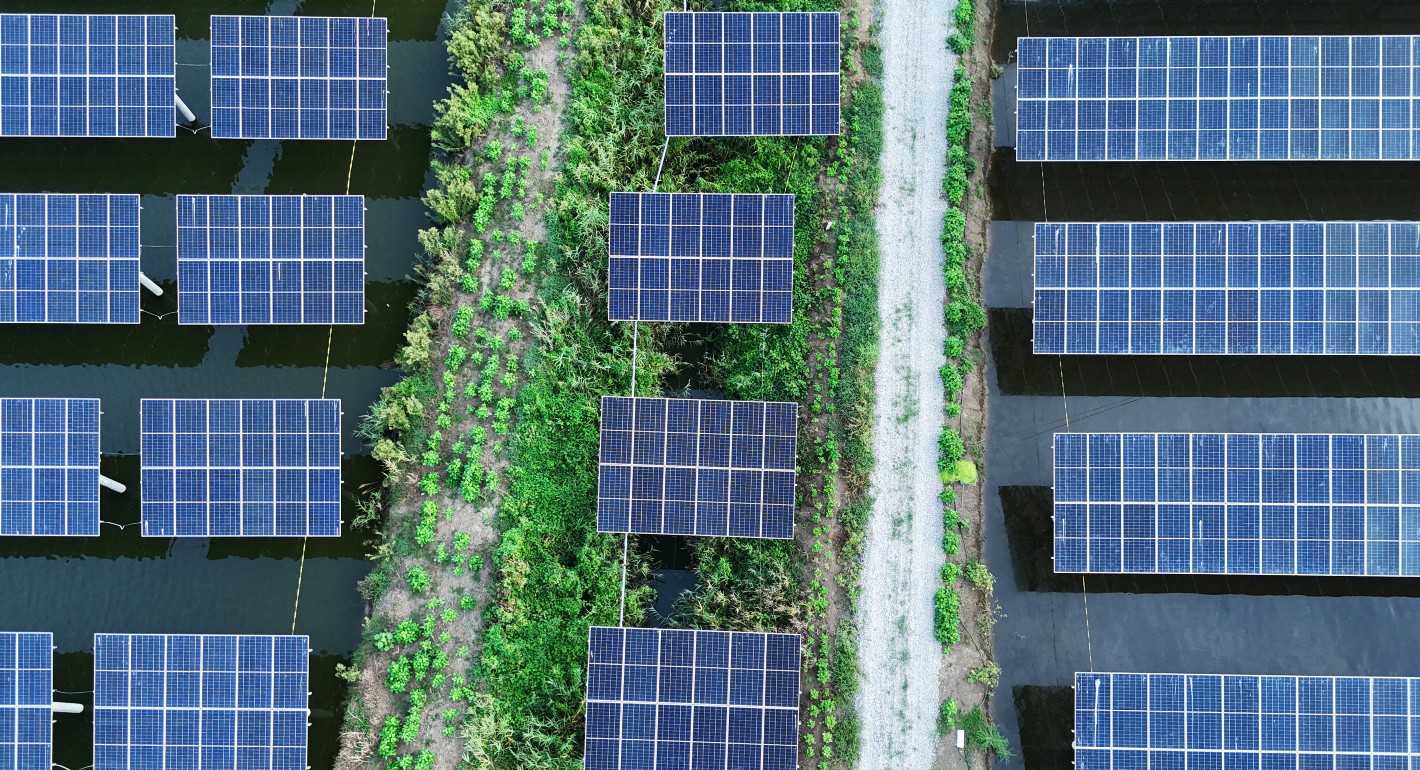
Congress needs to step up and make EXIM a low-carbon financing powerhouse.
Jesse Young

Canadian Prime Minister Mark Carney has twice inspired praise for standing up to U.S. President Donald Trump: at the 2026 World Economic Forum in Davos and on Canada-U.S. trade negotiations. Is Carney showing a third way better than the EU has in dealing with the Trump administration?

Rym Momtaz, ed.

Middle Eastern states should welcome an accelerated U.S. disengagement from their region.

Michael Young

In an interview, former ambassador Charles Freeman assesses the Trump administration’s war against Iran.
Michael Young