

Article
A notable degree of participative democracy has firmly arrived in Europe. But to have more far-reaching impact, democratic deliberation needs to move into a radically new phase.
Richard Youngs
{
  "authors": [
    "Saskia Brechenmacher",
    "Thomas Carothers"
  ],
  "type": "legacyinthemedia",
  "centerAffiliationAll": "dc",
  "centers": [
    "Carnegie Endowment for International Peace"
  ],
  "collections": [
    "Civic Activism"
  ],
  "englishNewsletterAll": "democracy",
  "nonEnglishNewsletterAll": "",
  "primaryCenter": "Carnegie Endowment for International Peace",
  "programAffiliation": "DCG",
  "programs": [
    "Democracy, Conflict, and Governance"
  ],
  "projects": [],
  "regions": [],
  "topics": [
    "Democracy"
  ]
}
Source: Getty
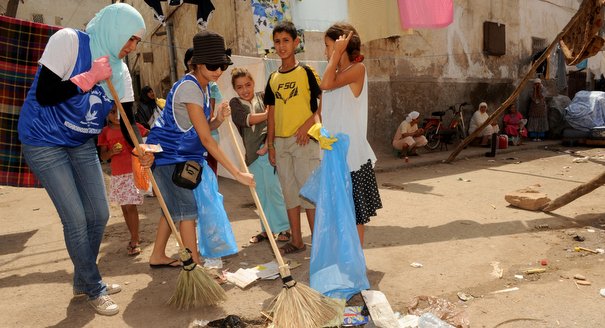
Civil society organizations can take certain steps to shore up their own legitimacy despite growing hostility to their work.
Source: From Poverty to Power
Pressure on civic space keeps increasing around the world, driven by the toxic mix of rising authoritarianism, growing populism, and wobbly democracy.
Battles over legitimacy are central to this trend. Powerholders don’t just attack specific civic groups carrying out activities they find bothersome. They go after the legitimacy of civil society itself, questioning what right unelected civic groups have to insert themselves into policy debates and dismissing civic groups as inauthentic elite actors working at the behest of foreign powers. Such attacks often find resonance among citizens sympathetic to larger currents of nationalism and xenophobia, and feed on real weaknesses within civil society. For example, sociopolitical polarization in many countries weakens solidarity among civic groups, rendering them more vulnerable to accusations of partisanship.
Pressed to defend their very existence, civic groups and their supporters face a question they often neglected in earlier, less hostile times—from where does civil society derive its legitimacy? Or more bluntly, how is legitimacy earned? In donor and policy debates, two ideas repeatedly re-surface—that civic groups need to develop wider constituencies and more local funding. A more comprehensive examination has been lacking.
To go deeper, we asked a set of civic activists and analysts from a diverse set of places, such as Colombia, Kenya, Thailand, and Turkey, what sources of legitimacy they draw on in their work and what approaches have proven most effective at countering negative government narratives and building public support.
Not surprisingly, no silver bullets turned up. Yet taken together, our contributors suggest a range of potential legitimacy sources that organizations can cultivate.
First, civic groups can gain legitimacy from who they are, their identity as societal actors. For example, organizations based in and led by the communities they seek to represent are often more difficult to dismiss as illegitimate than those that advocate on behalf of others. In Guatemala, for example, the Center for the Study of Equity and Governance in Health Systems found that offering low-profile support to indigenous activist networks has proven much more effective than lobbying the government on their behalf. Of course, local rootedness is not necessarily a sufficient defense in hostile contexts. In Hungary, for example, grassroots organizations defending refugee rights have been key targets of the Orban government.
Leaders who enjoy local credibility nevertheless tend to be better positioned to fend off government smear campaigns. Tunisia provides a useful counter-example: extravagant lifestyles and wasteful spending by some Tunisian pro-democracy activists have damaged their links to potential supporters.
Second, civic organizations’ legitimacy is shaped by what they do, the issues that they work on. Not surprisingly, civic actors can build public support by working on issues that directly affect people’s lives—which may require reframing specific causes in ways that are more locally resonant rather than relying on international frameworks. For some groups, working in multiple areas has also opened up space to tackle more politically difficult topics. For example, when ActionAid came under attack in Uganda, it could point to achievements in areas such as health, education, and agriculture to make its case.
Civil society organizations also accrue legitimacy based on how they do their work. Three core principles stand out: downward accountability, transparency, and political independence. Downward accountability is crucial to ensuring local legitimacy. Transparency about objectives and methods—and “bringing your own house in order”—in turn can help counteract government accusations of corruption or subversion. In polarized political contexts, civic groups can take extra steps to avoid accusations of partisanship: embedding advocacy in international or domestic law, eschewing government funding, bridging cross-partisan divisions, and not taking sides in election campaigns.
Fourth, civic organizations draw legitimacy from those with whom they work. Our contributors highlight the importance of building sectoral cohesion, bridging societal divides, and reaching out to new allies. In the United States, for example, a wide range of humanitarian aid organizations rallied behind the Islamic Relief Service when the latter was threatened in Congress, demonstrating the power of sectoral solidarity. In polarized societies, building stronger alliances may require overcoming legacies of mistrust and reframing causes in ways that ensure broader buy-in.
Finally, civil society organizations build legitimacy based on what impact they have. The feminist fund Mama Cash, for example, has purposefully invested in research examining the local impact of their work and leveraged external research to underscore the importance of its core mission.
In sum, multiple strategies exist for civic actors seeking to build legitimacy and defend it in the face of attacks by hostile governments or other actors. Not all of the strategies are available in every context. No one approach will necessarily beat back the attack dogs that hostile governments unleash. Yet given the punishing currents of the current global political moment, it is crucial for all civic actors and their international supporters to carefully think through the full range of actions they can take to meet the legitimacy challenge.
This article was originally published on From Poverty to Power.

Senior Fellow, Democracy, Conflict, and Governance Program
Saskia Brechenmacher is a senior fellow in Carnegie’s Democracy, Conflict, and Governance Program, where her research focuses on democratic erosion, gender, and civic activism in the United States and globally. She also serves on the board of the International Center for Not-for-Profit Law.

Harvey V. Fineberg Chair for Democracy Studies; Senior Fellow, Democracy, Conflict, and Governance Program
Thomas Carothers, a senior fellow in the Carnegie Endowment for International Peace’s Democracy, Conflict, and Governance Program, is a leading expert on comparative democratization and international support for democracy.
Carnegie does not take institutional positions on public policy issues; the views represented herein are those of the author(s) and do not necessarily reflect the views of Carnegie, its staff, or its trustees.

A notable degree of participative democracy has firmly arrived in Europe. But to have more far-reaching impact, democratic deliberation needs to move into a radically new phase.

Richard Youngs
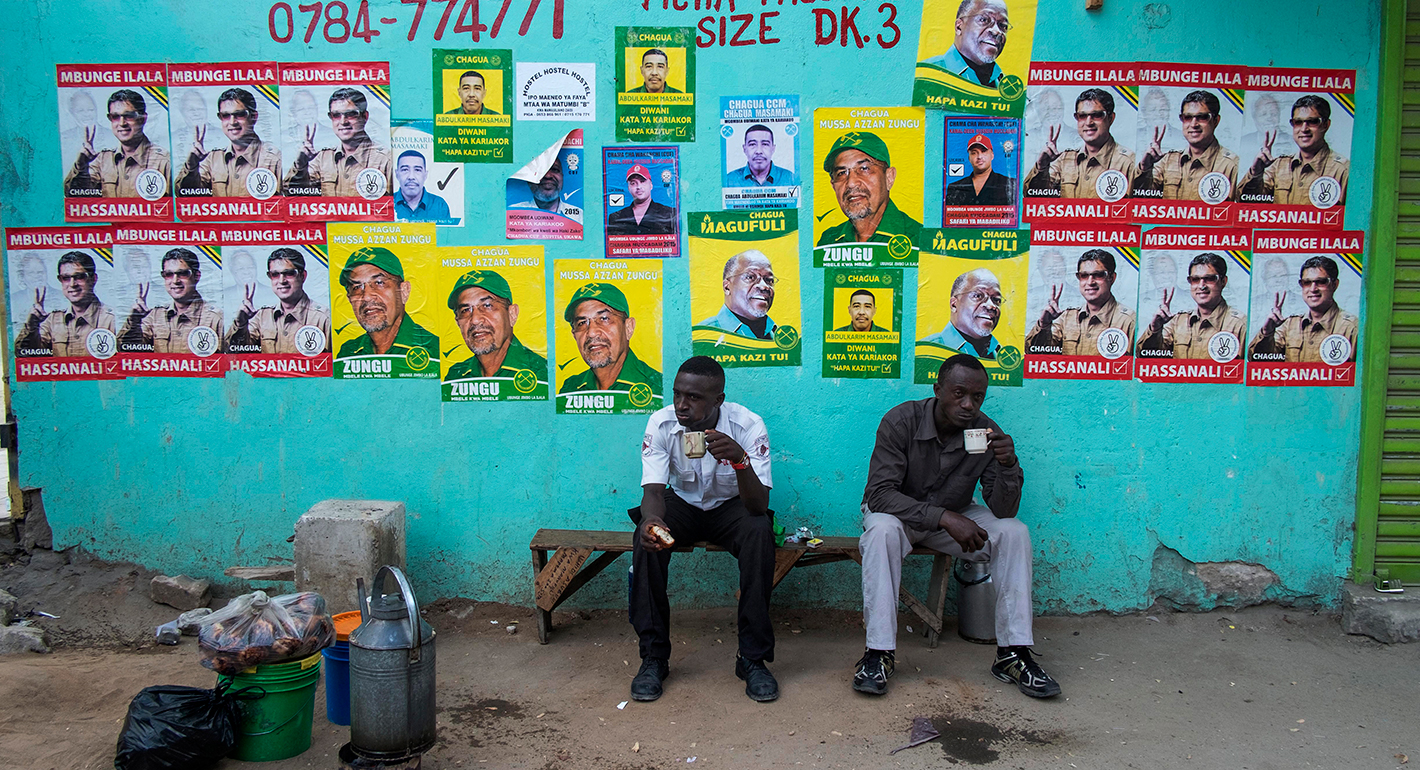
Today’s global democratic recession is partly rooted in a common perception that democracies have a delivery problem, with many citizens in both autocracies and democracies alike now believing that strongmen can achieve better governance outcomes. But a study of four countries in Africa reveals that democratic-leaning governments have demonstrated better governance performance than autocratic governments.


Sarah Yerkes, Natalie Triche, Amr Hamzawy
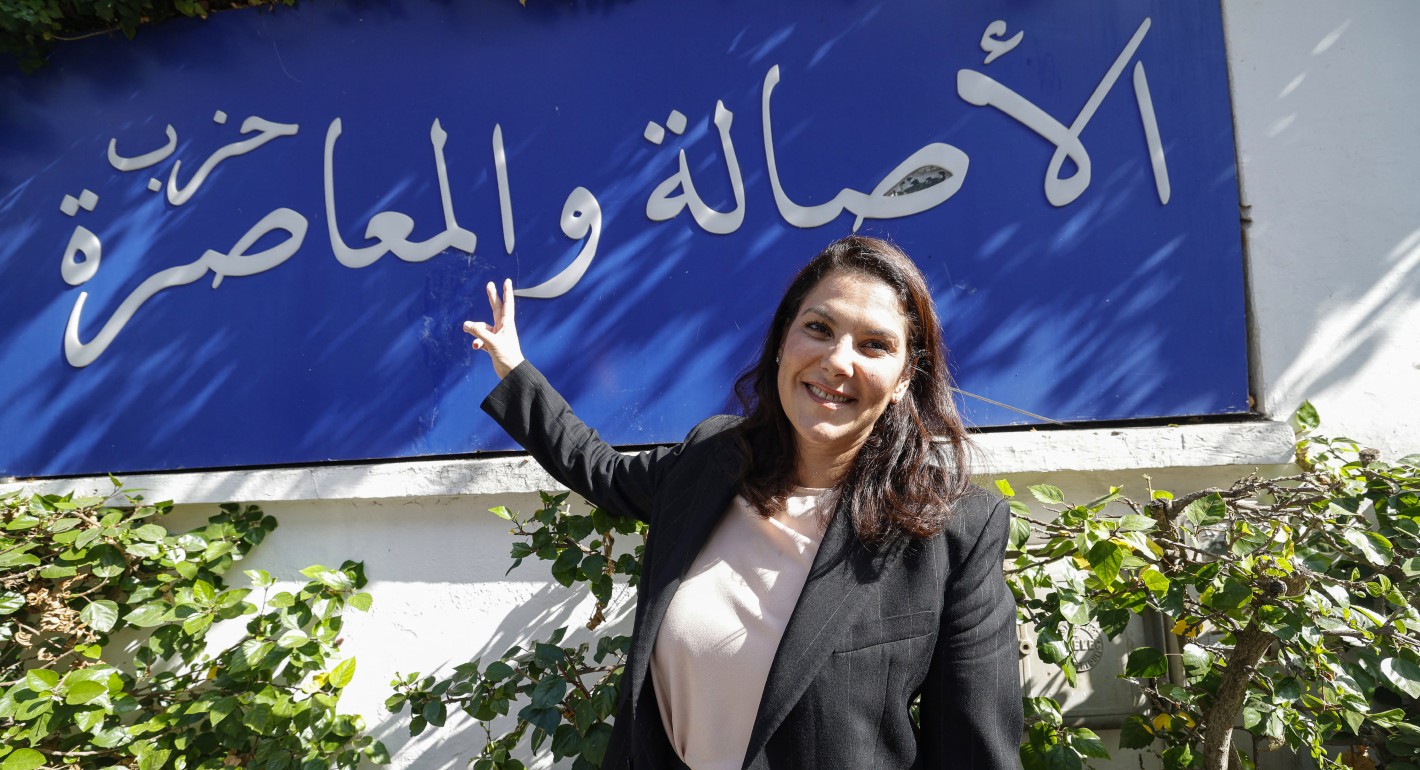
Fatima El Mansouri is the country’s first female prime minister. She’s also a privileged insider in a largely ceremonial position.
Sarah Yerkes

The domestic impacts of how long it is taking to end the war in Ukraine have pushed the French electorate to the political extremes and compromised the country’s diplomatic capacity.

Rym Momtaz

Before the next wave of EU enlargement takes place, the union needs to grapple with thorny questions of how power is distributed among its members.


Emil Sondaj Hansen, Ditte Brasso Sørensen