

Paper
Ashley J. Tellis
{
  "authors": [
    "Ashley J. Tellis"
  ],
  "type": "legacyinthemedia",
  "centerAffiliationAll": "",
  "centers": [
    "Carnegie Endowment for International Peace"
  ],
  "collections": [],
  "englishNewsletterAll": "",
  "nonEnglishNewsletterAll": "",
  "primaryCenter": "Carnegie Endowment for International Peace",
  "programAffiliation": "",
  "programs": [],
  "projects": [],
  "regions": [
    "South Asia",
    "India",
    "East Asia",
    "China",
    "Taiwan"
  ],
  "topics": [
    "Economy",
    "Trade",
    "Security",
    "Military"
  ]
}
Source: Getty
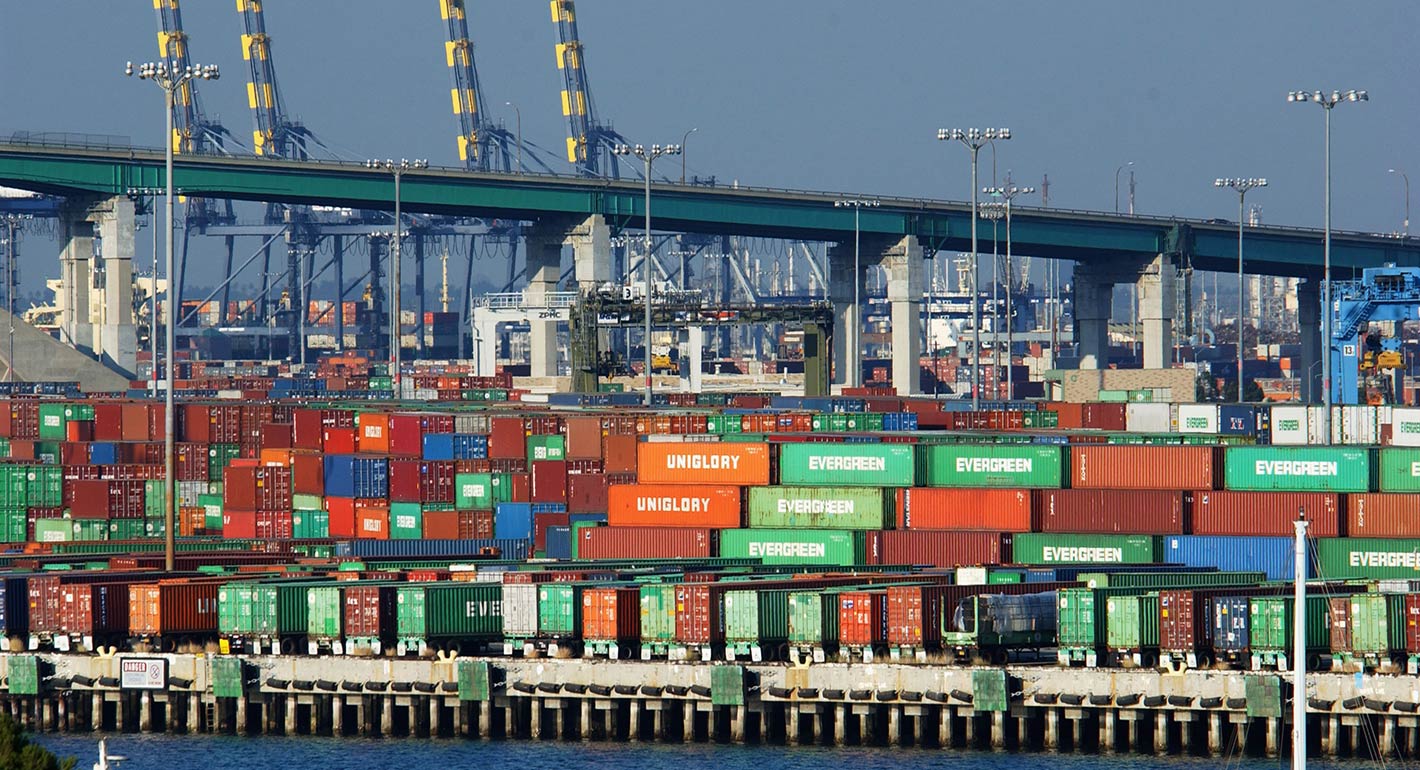
Free trade with Taiwan would secure U.S. economic interests while strengthening U.S. alliances with China’s rivals.
Source: Wall Street Journal
As President Trump pursues bilateral free-trade agreements with Japan and South Korea, one East Asian country has fallen off the radar: Taiwan. This lapse may prove economically and strategically costly for the U.S.
The Trump administration’s obsession with bilateral trade deals, rather than multilateral agreements, is controversial. But its ambitions to secure better terms of trade while deepening strategic partnerships with China’s rivals should not be. A trade deal with Taiwan would advance both objectives splendidly.
For a small, diplomatically isolated country, Taiwan plays an outsize role in global trade, especially in strategically vital sectors like communication technologies, chemicals and transportation. Taiwan is America’s 11th-largest trading partner, with two-way trade approaching $90 billion annually, according to the American Institute in Taiwan. The island nation attracted more than $24 billion in foreign direct investment from the U.S. in 2016, and it’s also America’s seventh-largest export market for agricultural goods. A free-trade agreement with Taipei would significantly expand commerce with a country that does not threaten U.S. interests.
In addition to its technological excellence, Taiwan’s strategic isolation makes it an especially attractive economic partner. The threat from China means Taiwan has a strong incentive to deepen ties to the U.S. Accordingly, it doesn’t seek preferential access to the U.S. market, as developing Asian countries often do. It merely wants stable commercial access to the U.S. to increase its growth rate and improve its political survivability. This gives the Trump administration an opportunity to negotiate a good deal, which could take effect speedily and then become a model for other agreements with Asian states.
A deal with Taiwan could also help secure U.S. and allied supply chains. Before the 1980s, many foreign producers of sensitive technologies, including South Korea, Taiwan and Japan, produced them in their home countries for direct export to the U.S. One consequence of accelerated globalization is that the production of many sophisticated electronic components, such as chip sets and optronics—which are crucial for advanced defense systems—is migrating to China.
But as Chinese assertiveness has grown, Taiwanese and Japanese companies have been looking for opportunities to shift their investments either to friendly countries or back home. A U.S.-Taiwan pact would accelerate the reorganization of Asian supply chains away from China and reduce China’s ability to coerce America and its East Asian allies in times of crisis.
Finally, a free-trade agreement would demonstrate American solidarity with Taiwan at a time when China is intensifying its efforts to deny the small island nation international representation and diplomatic ties with other countries. A deal would help limit and reverse this isolation, while also promoting U.S. prosperity and economic security. There is a big win here, waiting for the Trump administration to seize it.
This article was originally posted in the Wall Street Journal.
Former Senior Fellow
Ashley J. Tellis was a senior fellow at the Carnegie Endowment for International Peace.
Recent Work
Ashley J. Tellis
Ashley J. Tellis

A leak of Russian gas price data helps establish that China is paying Russia far less than Central Asian countries and Gazprom’s former European customers.

Sergey Vakulenko

China’s political future will be shaped between now and next October. As the Communist Party enters its intense “campaign season” to prepare for a major political transition in 2027, reading Beijing's actions and responses may become more difficult as domestic politics weigh on its behavior more than usual.

Damien Ma
Rubio’s recent visit brought welcome attention, but more capital requires governance changes that may be a hard sell for regional governments.

Jennifer B. Murtazashvili

Japan’s long-term security policy is driven by concerns about China, and there is little appetite for (or interest in) pursuing a confrontation with Moscow.

James D.J. Brown

Russia is testing the waters of NATO’s mutual defense clause. What do strikes in Romanian territorial waters mean for the alliance’s posture toward Moscow?

Dimitar Bechev