

Commentary
Richard Youngs
{
  "authors": [
    "Richard Youngs"
  ],
  "type": "legacyinthemedia",
  "centerAffiliationAll": "",
  "centers": [
    "Carnegie Endowment for International Peace",
    "Carnegie Europe"
  ],
  "collections": [
    "Transatlantic Cooperation",
    "Civic Activism"
  ],
  "englishNewsletterAll": "",
  "nonEnglishNewsletterAll": "",
  "primaryCenter": "Carnegie Europe",
  "programAffiliation": "",
  "programs": [],
  "projects": [],
  "regions": [
    "Asia",
    "Russia",
    "Europe",
    "North America"
  ],
  "topics": [
    "Democracy"
  ]
}
Source: Getty
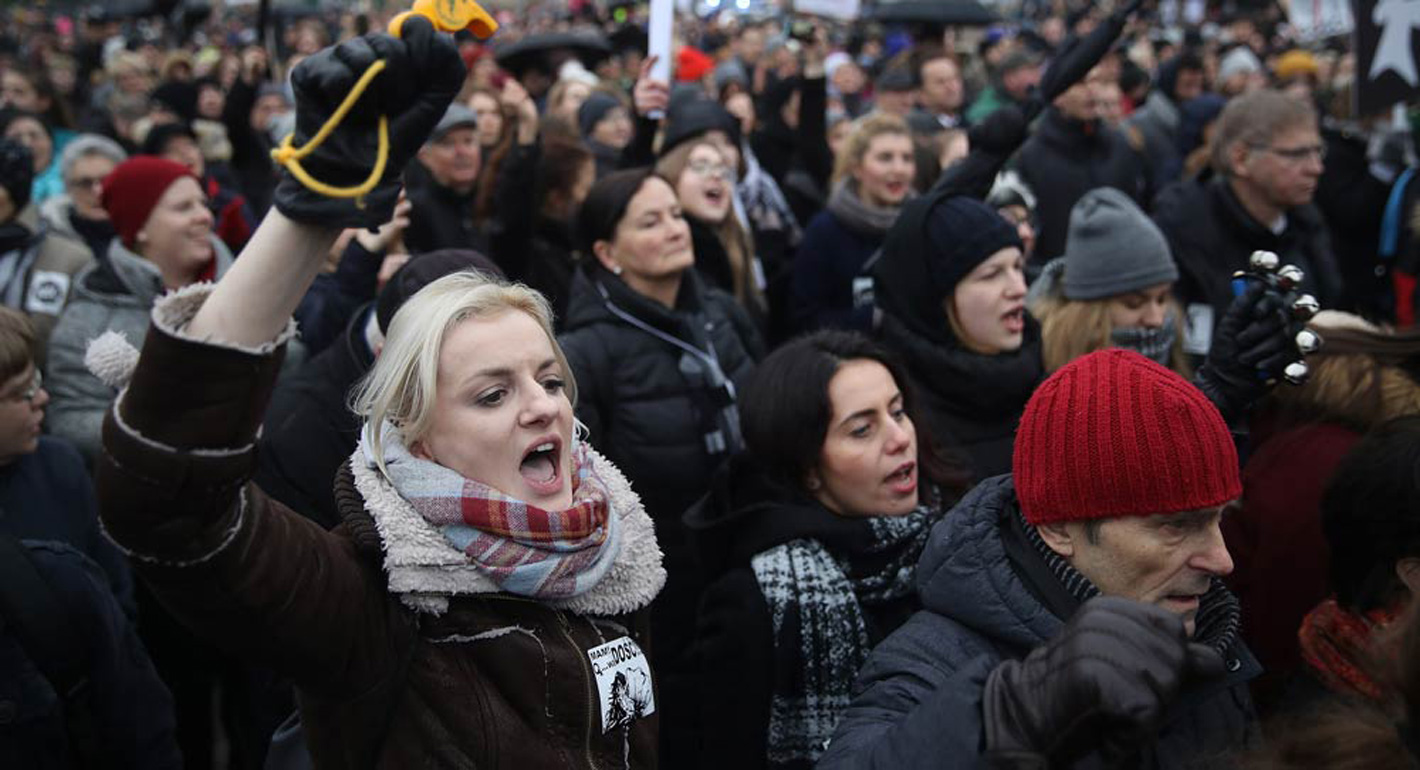
Does the recent surge of citizen activism and anger, which is just the most recent swell in what has been a decade-long tide of large-scale protests, offer some broader lessons about the state of democracy?
Source: World Politics Review
It seems that everywhere you look today, people are taking to the streets. Recent mass protests have exploded in a dizzyingly diverse range of countries, including France, Hungary, Romania, Zimbabwe, Thailand, Sudan, Venezuela, Greece, as well as Gaza, and most recently Algeria. Does this surge of citizen activism and anger, which is just the most recent swell in what has been a decade-long tide of large-scale protests, offer some broader lessons about the state of democracy?
Some protests may look like a sign of democratic decay amid a rise of populism and alienation with the political status quo—for example, in Brazil, the United States or France. Others may look like a futile rattling of the political cage under growing illiberalism and authoritarianism, such as in Hungary, Morocco or Thailand. More optimistically, protests in places like Algeria, Venezuela and Sudan may signal a heartening indicator of the persistent aspiration for democracy and peoples’ willingness to fight for it in very different parts of the world.
Understanding the impact of these protests first requires dispelling several misconceptions that have accumulated about street politics over the past decade. A common view is that protests, though loud and disruptive, achieve little. But while many demonstrations fail dismally—consider attempts to overturn repressive regimes in Russia, China or Egypt—others achieve even beyond their initial aims. In just the past few years, popular movements have had a hand in throwing out governments in Armenia, Brazil, Ethiopia, Gambia, Guatemala, South Korea, Peru, Tunisia and Ukraine. Until recently, Venezuela belonged in the group of countries where protests failed against an entrenched regime, but now it may be on the cusp of moving into the category of more effective cases.
This article was originally published by World Politics Review.

Senior Fellow, Democracy, Conflict, and Governance Program
Richard Youngs is a senior fellow in the Democracy, Conflict, and Governance Program, based at Carnegie Europe. He works on EU foreign policy and on issues of international democracy.
Recent Work
Richard Youngs

Richard Youngs, Erik Jones, Dan Baer, …
Carnegie does not take institutional positions on public policy issues; the views represented herein are those of the author(s) and do not necessarily reflect the views of Carnegie, its staff, or its trustees.
Blurring the line between humans and animals is a long-standing tradition in social utopian prose. In his latest novel, Leonid Bershidsky reminds us that in social experiments, people are often treated no differently than animals.

Alexander Baunov

The aftermath of the Ceuta crisis shows Europe has drawn the wrong lessons. Rather than doubling down on failed migration policies, the EU needs to address the underlying roots of such episodes.
Richard Youngs
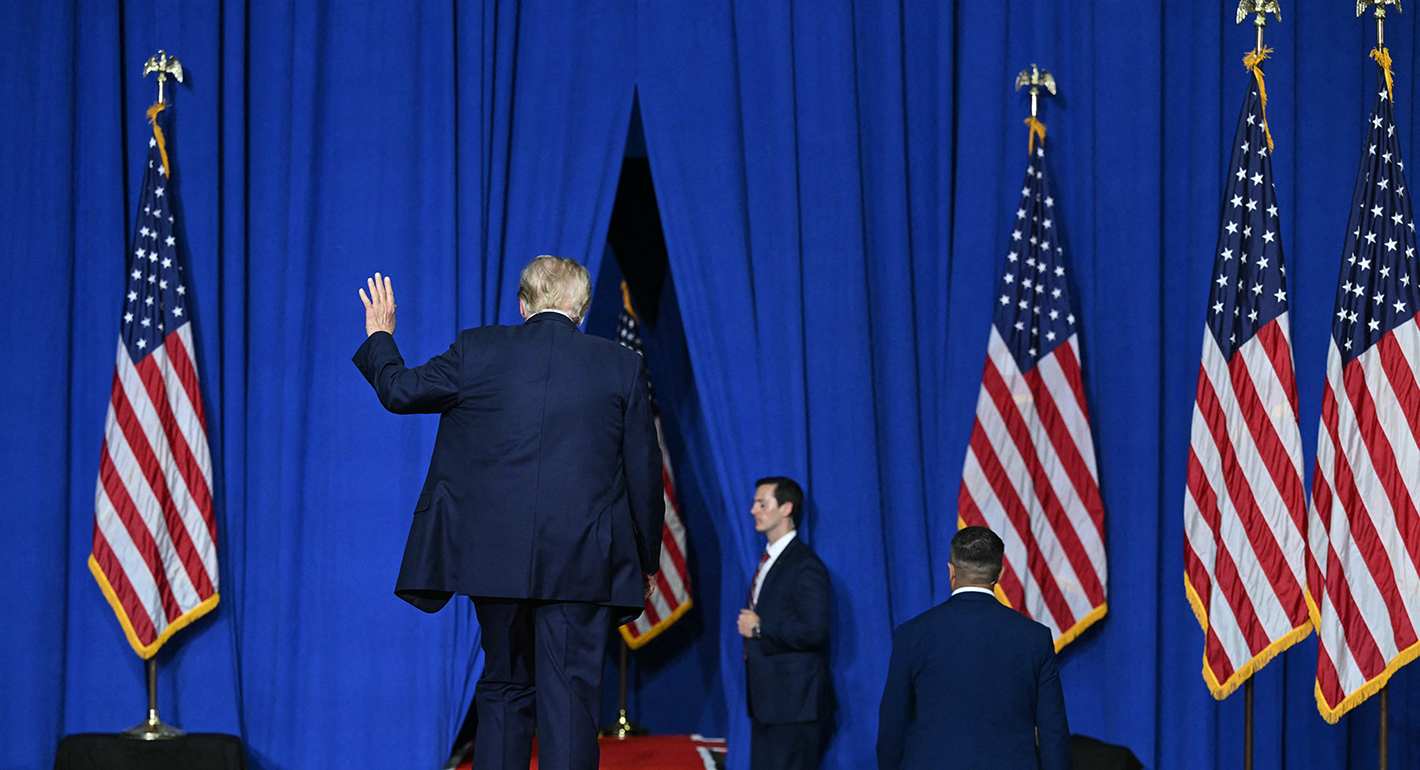
By abandoning past U.S. pro-democracy policies and adopting several lines of pro-autocratic action, the Trump administration has fundamentally repositioned the United States vis-à-vis democracy in the world.

Thomas Carothers
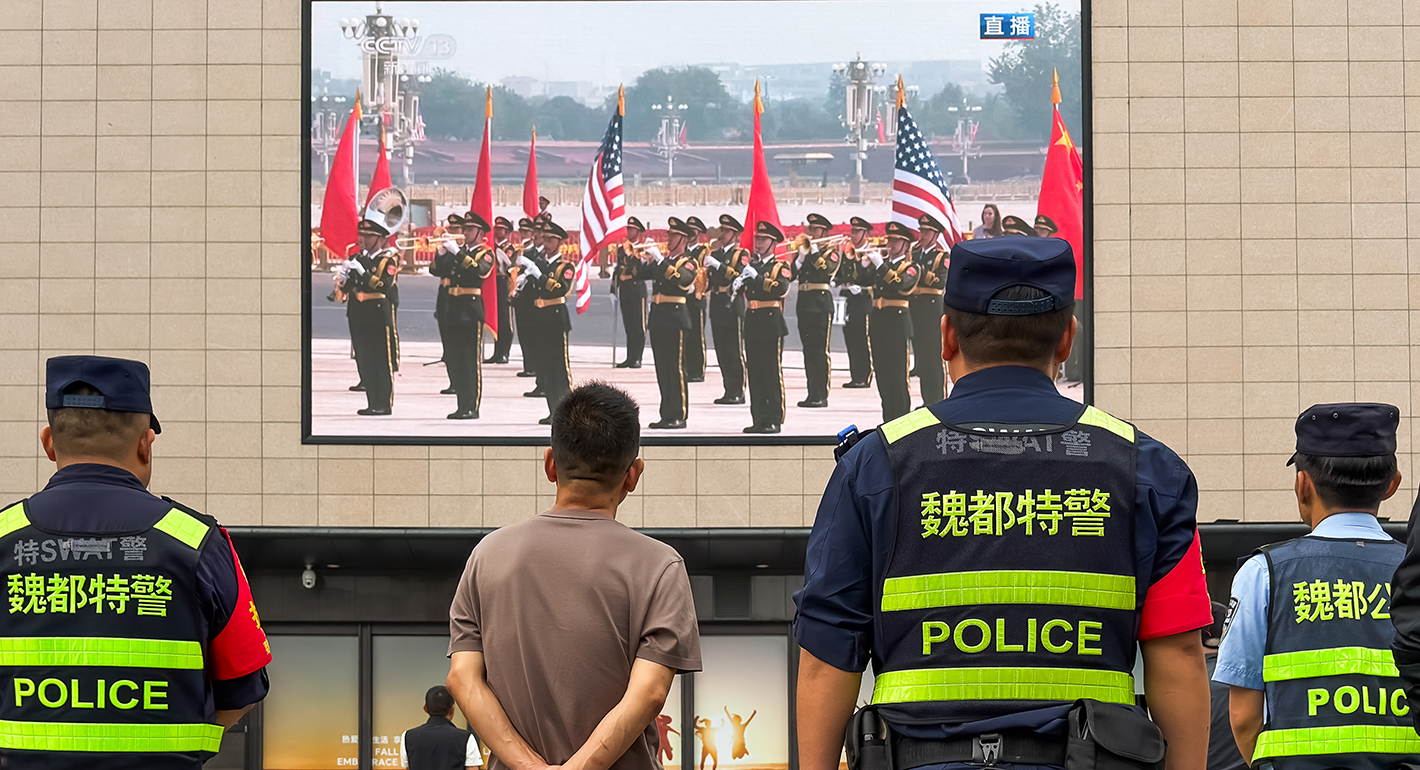
Chinese strategists are once again debating whether American power is declining and whether U.S. hegemony is experiencing irreversible decay.
Wu Xinbo
While France and Australia are seeking to establish the legal obligations of messaging apps like Telegram, Russia wants total subordination.

Maria Kolomychenko