

Research
- +11
Frances Z. Brown, Nate Reynolds, Priyal Singh, …
{
  "authors": [
    "Frederic Wehrey"
  ],
  "type": "other",
  "centerAffiliationAll": "dc",
  "centers": [
    "Carnegie Endowment for International Peace",
    "Malcolm H. Kerr Carnegie Middle East Center"
  ],
  "collections": [],
  "englishNewsletterAll": "menaTransitions",
  "nonEnglishNewsletterAll": "",
  "primaryCenter": "Carnegie Endowment for International Peace",
  "programAffiliation": "MEP",
  "programs": [
    "Middle East"
  ],
  "projects": [],
  "regions": [
    "North Africa",
    "Libya"
  ],
  "topics": [
    "Political Reform"
  ]
}
Source: Getty
Beyond his testimony about the depredations of interwar imperialism, there are other reasons to revisit Knud Holmboe. The arc of his life, with its stark conversions, straddled the schisms and categories that divide the world still.
Source: New York Review of Books
In the summer of 1931, the security services in French-controlled Syria detained and deported a Danish journalist who had the previous year spent time in the Italian colonies of Tripolitania and Cyrenaica in North Africa, part of what would later become the modern state of Libya. The Italian fascists had reportedly contacted the French to request the expulsion of the twenty-eight-year-old traveler on the grounds that he was a dangerous subversive. French officials in Syria needed little convincing: the tall, blue-eyed Dane’s reputation had preceded his arrival and some of his reporting about Libya, they believed, had inspired anti-Italian riots in Syria that had left several dead. Soon after these disturbances, an article in the British press called the young man a “Danish Lawrence,” referring to T.E. Lawrence, the British military officer in World War I better known as “Lawrence of Arabia.”
This article was originally published in the New York Review of Books.

Senior Fellow, Middle East Program
Frederic Wehrey is a senior fellow in the Middle East Program at the Carnegie Endowment for International Peace, where his research focuses on governance, conflict, and security in Libya, North Africa, and the Persian Gulf.
Recent Work

Frances Z. Brown, Nate Reynolds, Priyal Singh, …
Charles H. Johnson, Frederic Wehrey
Carnegie does not take institutional positions on public policy issues; the views represented herein are those of the author(s) and do not necessarily reflect the views of Carnegie, its staff, or its trustees.
The incoming government has swept Nepal’s election. The real work begins now.
Amish Raj Mulmi
In key sectors such as critical minerals, specialty agriculture, and fintech, Africa can become a global powerhouse by investing more in manufacturing, value-add, and scaling.
Kholofelo Kugler, Georgia Schaefer-Brown
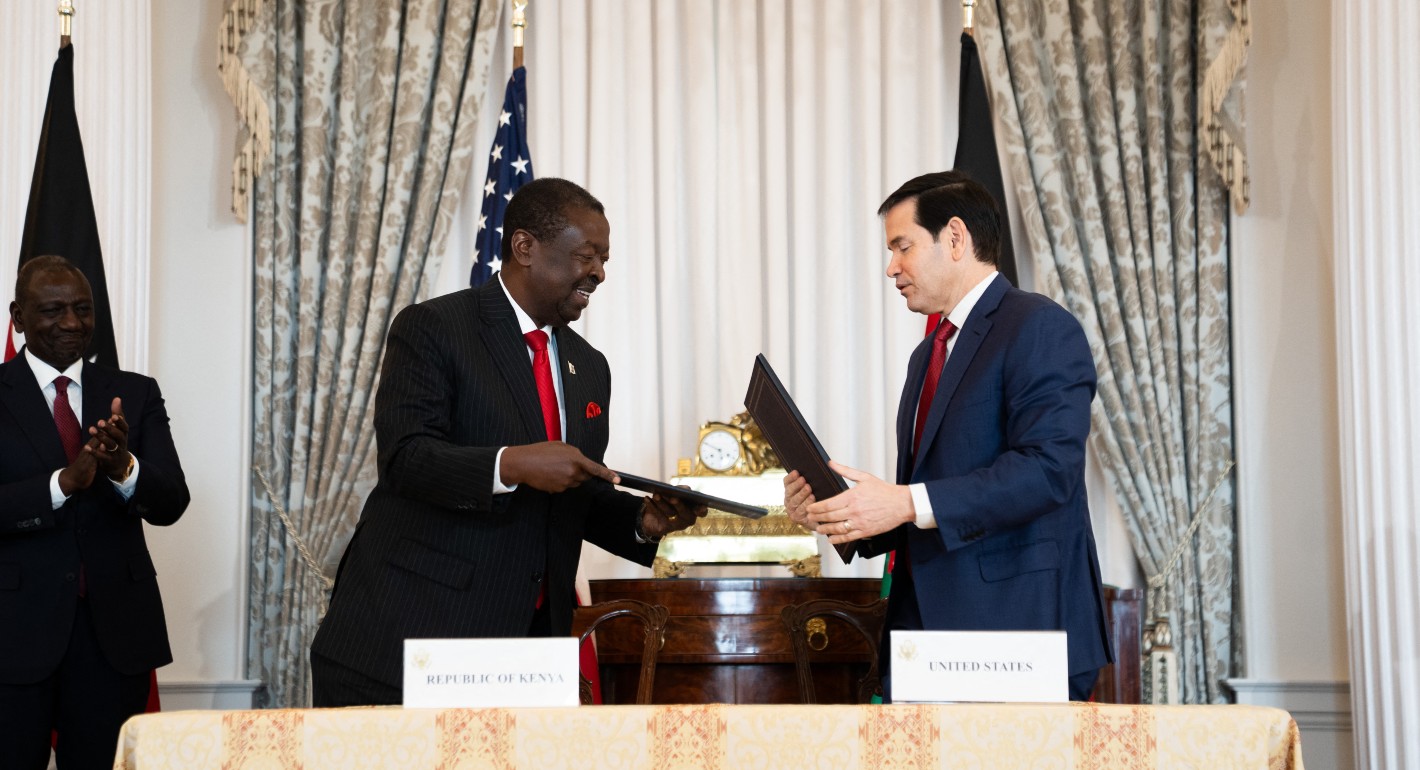
U.S. agreements must contend with national data protection laws to make durable foreign policy instruments.
Jane Munga, Rose Mosero
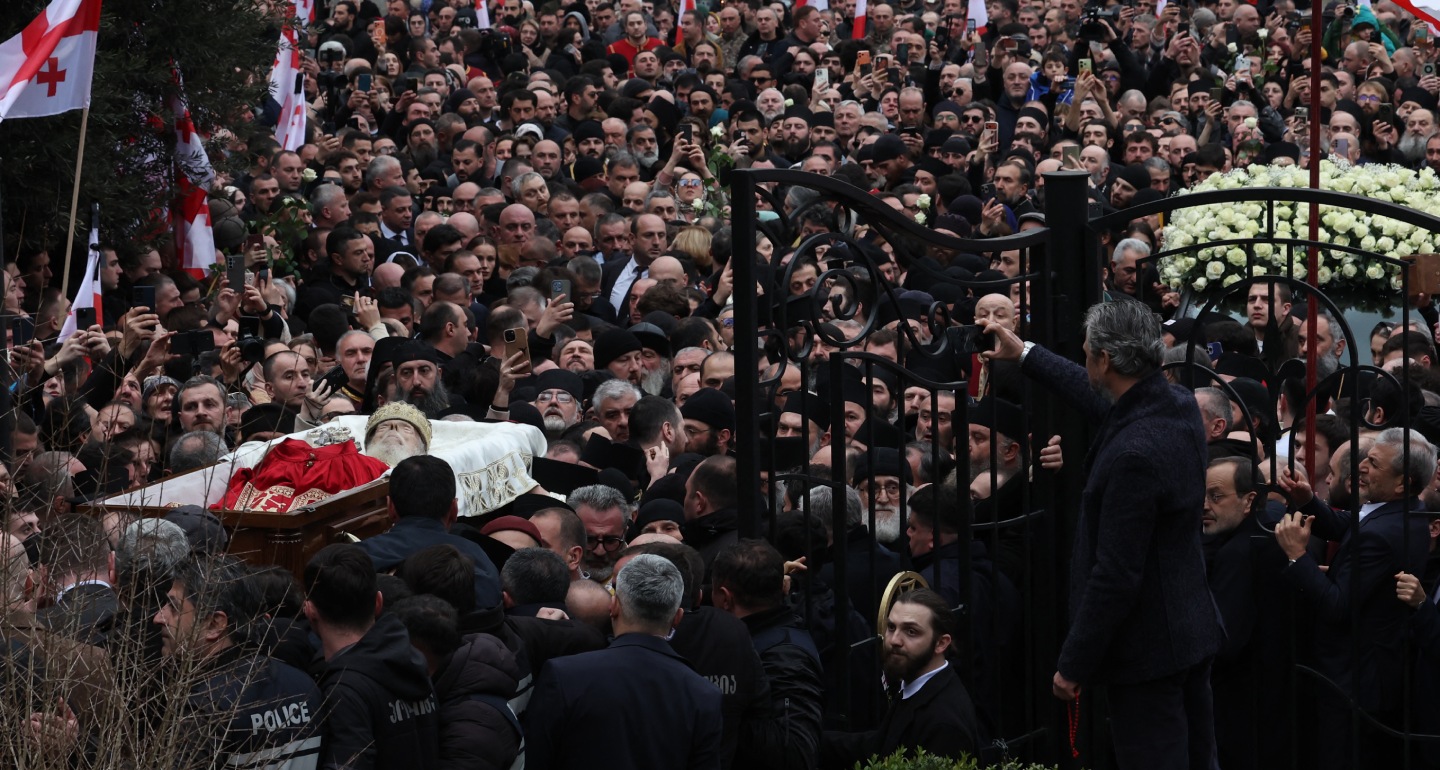
The front-runner to succeed Ilia II, Metropolitan Shio, is prone to harsh anti-Western rhetoric and frequent criticism of “liberal ideologies” that he claims threaten the Georgian state. This raises fears that under his leadership the Georgian Orthodox Church will lose its unifying role and become an instrument of ultraconservative ideology.

Bashir Kitachaev
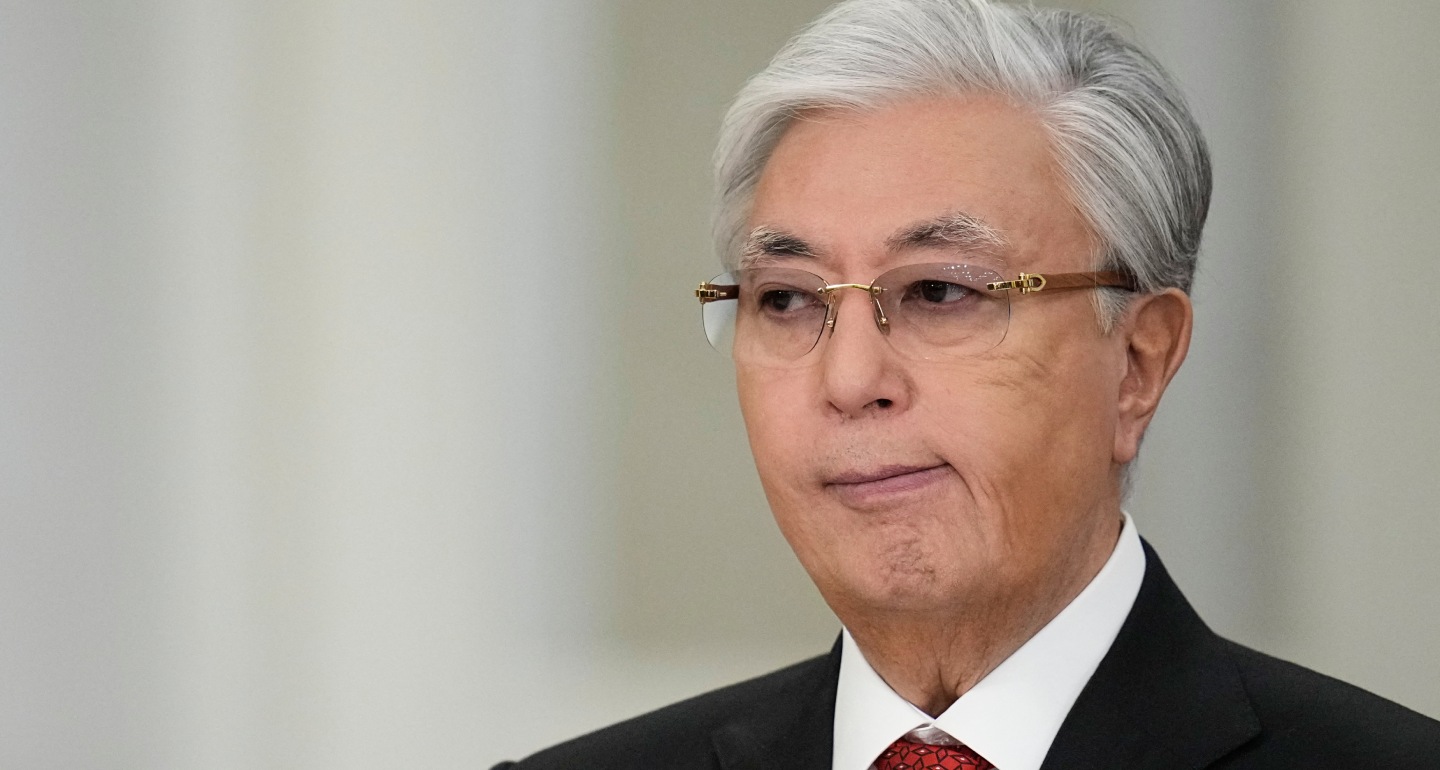
Kazakhstan’s new constitution is an embodiment of the ruling elite’s fears and a self-serving attempt to preserve the status quo while they still can.

Serik Beysembaev