

Article
Economic recovery has brought Sri Lanka a modicum of stability, but domestic strains and great-power rivalry could test how long it lasts.
Avinash Paliwal
{
  "authors": [
    "R. K. Misra",
    "Arjun Kang Joseph"
  ],
  "type": "legacyinthemedia",
  "centerAffiliationAll": "",
  "centers": [
    "Carnegie Endowment for International Peace",
    "Carnegie India"
  ],
  "collections": [],
  "englishNewsletterAll": "",
  "nonEnglishNewsletterAll": "",
  "primaryCenter": "Carnegie India",
  "programAffiliation": "",
  "programs": [],
  "projects": [
    "Technology and Society"
  ],
  "regions": [
    "South Asia",
    "India"
  ],
  "topics": [
    "Technology"
  ]
}
Source: Getty
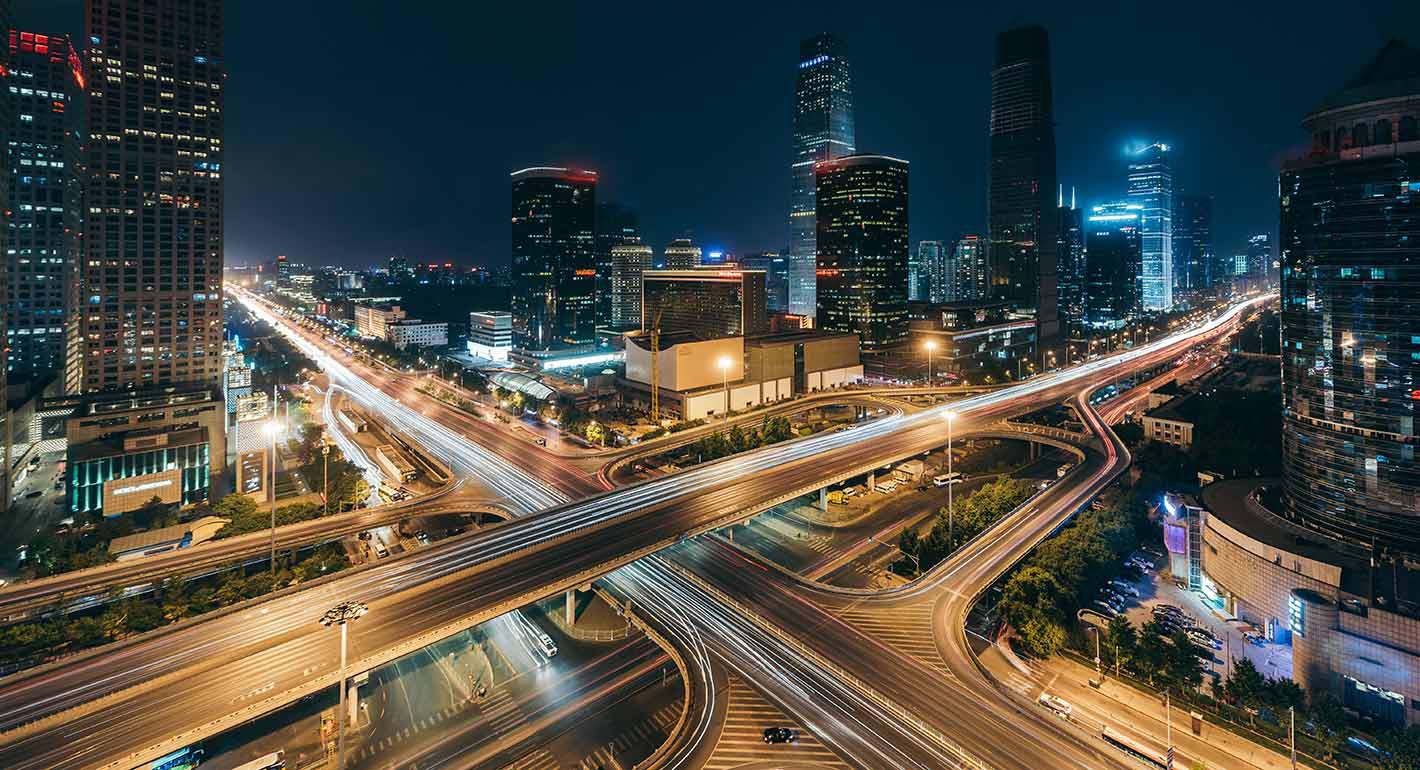
It is projected that two out of every three people in the world will live in cities by 2050.
Source: Print
It is projected that two out of every three people in the world will live in cities by 2050. With its current trend of urbanisation, India is likely to have more than 60 cities with populations exceeding one million and six megacities with populations of 10 million or more by 2030. Mumbai and Delhi, which are already among the world’s largest cities, would continue to be the centres of urban explosion.
Nonresident Scholar, Technology and Society Program
R. K. Misra is a nonresident scholar at Carnegie India. Based in Bengaluru, he drives Carnegie India’s Technology and Society program, and engages with technology innovators and policymakers.
Former Senior Research Analyst and Co-Convenor, Global Technology Summit, Carnegie India
Arjun Kang Joseph is a senior research analyst with the Technology and Society Program at the Carnegie Endowment for International Peace India. He works primarily on data, privacy, and the intersection of health and technology.
Carnegie does not take institutional positions on public policy issues; the views represented herein are those of the author(s) and do not necessarily reflect the views of Carnegie, its staff, or its trustees.
Economic recovery has brought Sri Lanka a modicum of stability, but domestic strains and great-power rivalry could test how long it lasts.
Avinash Paliwal

The acknowledgment has sparked fears of a new arms race with China and Russia.

Chris O’Meara

The summit may be remembered as a fatal blunder, when Washington, Beijing, and the AI industry collectively chose ceremony over action.

Jeffrey Prescott

A deep dive into the policy ecosystems behind battery development in China, South Korea, Japan, the European Union (including some of its member states), the United States, Canada, and India.



Milo McBride, Herbert Crowther, Darcie Draudt-Véjares, …

Germany, India, and other middle powers can’t build frontier AI alone, and they risk being cut off if they depend on the United States or China. The way through is to build the capacity for a frontier sprint while hoping never to use it.


Anton Leicht, Sam Winter-Levy