

Article
Paul Stronski
{
  "authors": [
    "Paul Stronski"
  ],
  "type": "legacyinthemedia",
  "centerAffiliationAll": "dc",
  "centers": [
    "Carnegie Endowment for International Peace"
  ],
  "collections": [],
  "englishNewsletterAll": "ctw",
  "nonEnglishNewsletterAll": "",
  "primaryCenter": "Carnegie Endowment for International Peace",
  "programAffiliation": "russia",
  "programs": [
    "Russia and Eurasia"
  ],
  "projects": [
    "Changing Geopolitics of Eurasia"
  ],
  "regions": [
    "Central Asia",
    "Uzbekistan"
  ],
  "topics": [
    "Political Reform"
  ]
}
Source: Getty
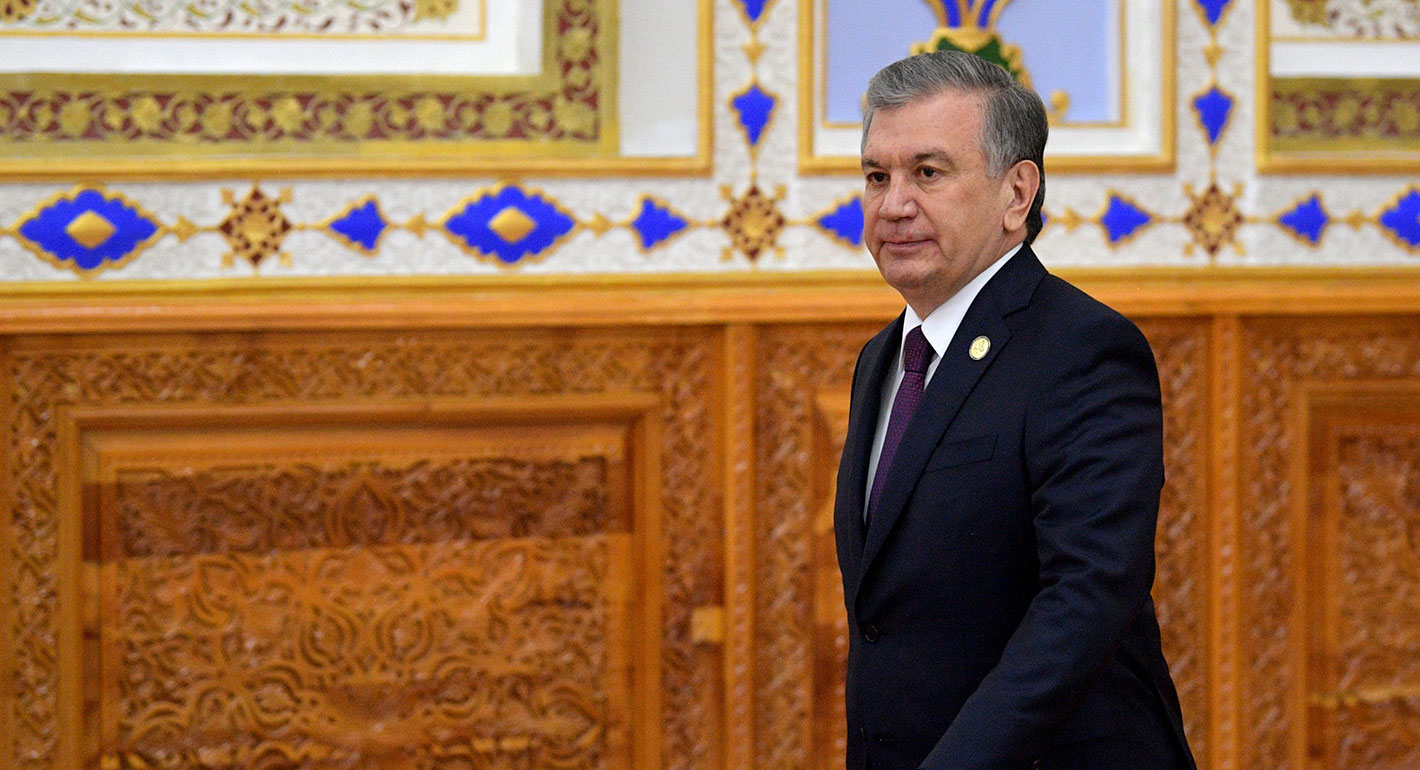
After taking power in 2016, President Shavkat Mirziyoyev quickly recognized that growing socioeconomic discontent could destabilize his regime, so he launched a preventative program of political and economic reforms.
Source: World Politics Review
Last month, The Economist boldly labeled Uzbekistan its “country of the year,” declaring that “no other country travelled so far in 2019.” It is a remarkable achievement for a state that perennially finds itself at the bottom of international rankings on corruption, governance and human rights issues. But while Uzbekistan certainly is changing, the government’s quest for economic stability, not democracy, is driving the process.
After taking power in 2016, President Shavkat Mirziyoyev quickly recognized that growing socioeconomic discontent could destabilize his regime. He saw that resentment toward a corrupted status quo could push angry populations into the streets, as it did in neighboring countries like Iran, Kazakhstan and Russia. Mirziyoyev wants none of that, so he launched a preventative program of political and economic reforms instead.
This article was originally published in World Politics Review.
Former Senior Fellow, Russia and Eurasia Program
Paul Stronski was a senior fellow in Carnegie’s Russia and Eurasia Program, where his research focuses on the relationship between Russia and neighboring countries in Central Asia and the South Caucasus.
Recent Work
Paul Stronski
Paul Stronski
Carnegie does not take institutional positions on public policy issues; the views represented herein are those of the author(s) and do not necessarily reflect the views of Carnegie, its staff, or its trustees.

With the growth in points of friction between the great powers, organizations like the SCO will continue to play a role in the strategic adaptation of the smaller powers caught between them.

Temur Umarov
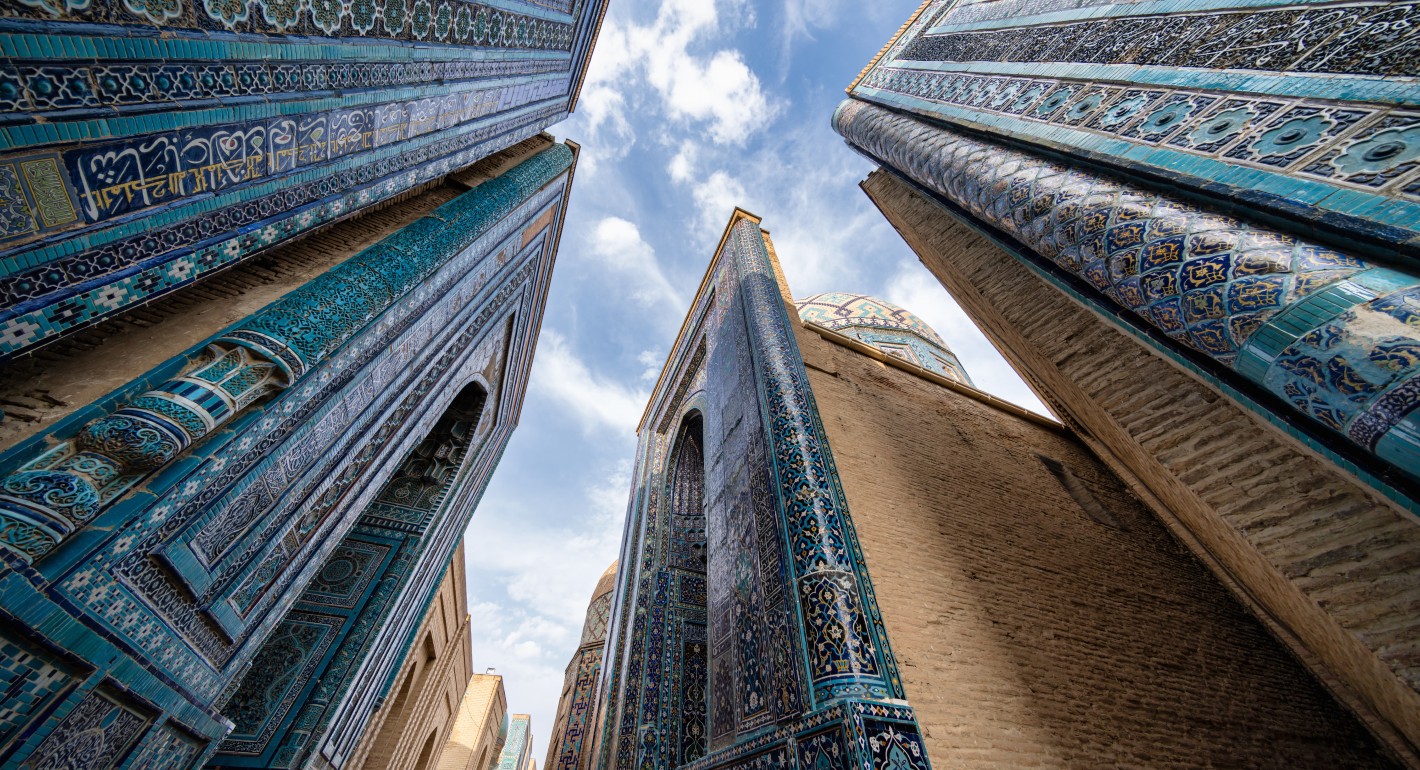
Xi, Putin, and other regional leaders are back-slapping in Bishkek, but the SCO has yet to answer the most serious questions about continental Asia's economic future.

Evan A. Feigenbaum

The greater threat to Zelensky comes not from Fedorov alone, but from the convergence between the former defense minister’s political campaign and the anti-corruption investigations moving ever closer to the presidential administration.

Balázs Jarábik
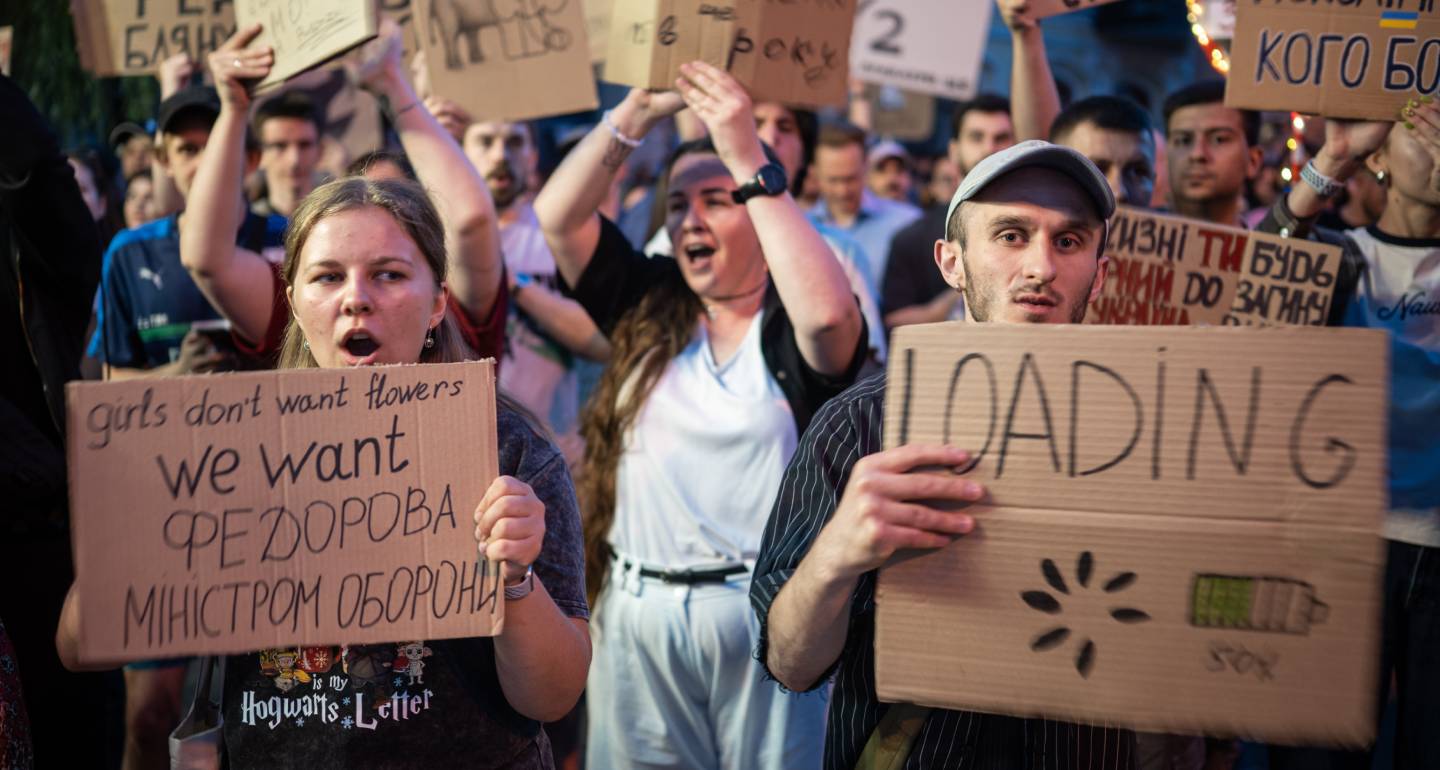
With his public call for new elections in Ukraine, ex-defense minister Mykhailo Fedorov has opened Pandora’s box.

Konstantin Skorkin
In the discussions made possible by the State Duma election campaign, one question is being asked more and more loudly. “What next?”

Andrey Pertsev