

Paper
Richard Youngs, Thomas Carothers
{
  "authors": [
    "Thomas Carothers"
  ],
  "type": "legacyinthemedia",
  "centerAffiliationAll": "",
  "centers": [
    "Carnegie Endowment for International Peace"
  ],
  "collections": [],
  "englishNewsletterAll": "",
  "nonEnglishNewsletterAll": "",
  "primaryCenter": "Carnegie Endowment for International Peace",
  "programAffiliation": "",
  "programs": [],
  "projects": [],
  "regions": [],
  "topics": [
    "Political Reform"
  ]
}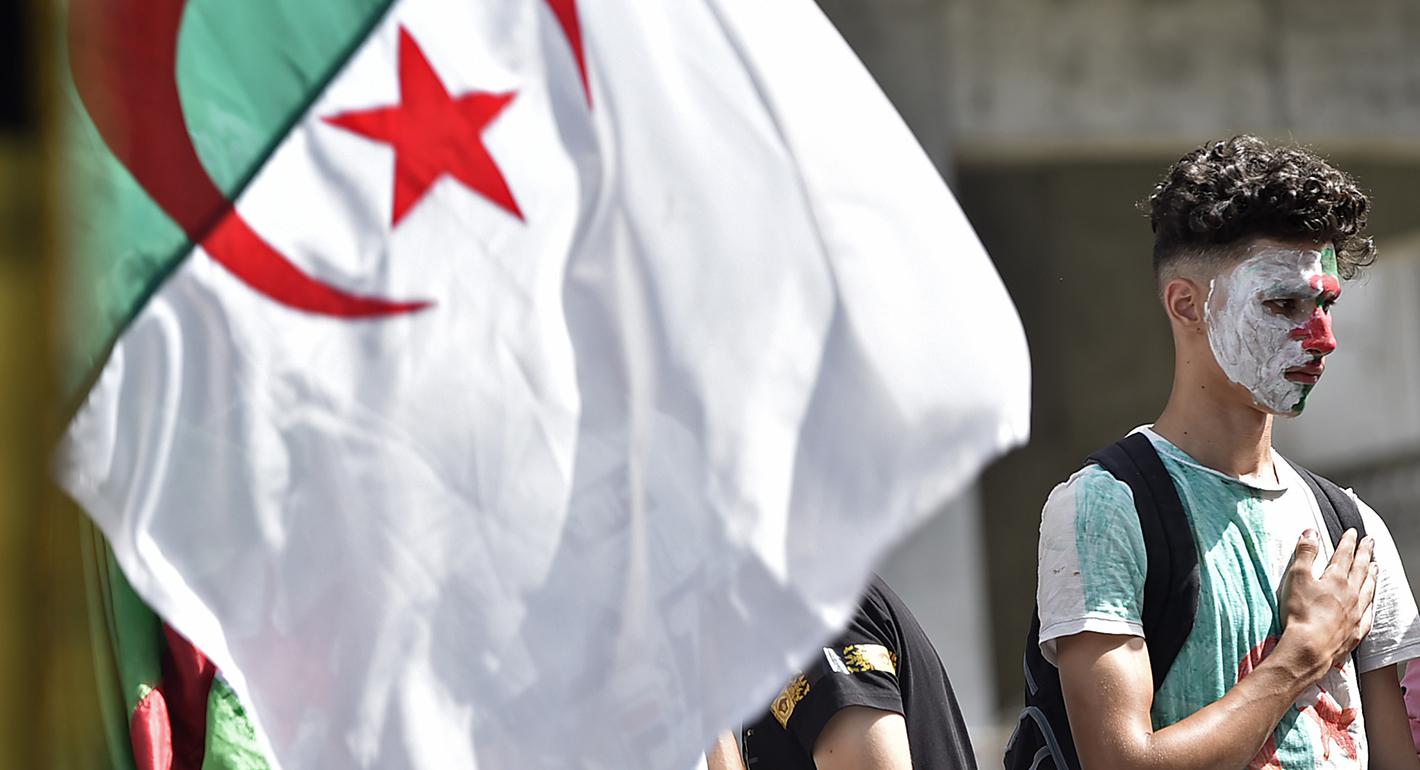
Source: Getty
What the world is witnessing is less a crisis of democracy than a broader crisis of governance. The likely result is increased political flux across all types of political systems.
Source: Foreign Affairs
Gloom about the state of democracy pervades Washington and other Western capitals. Restless, insecure, and alienated citizens in many democracies are challenging their leaders on the streets, electing illiberal demagogues, or simply rejecting all of the political choices available to them. Meanwhile, China, Russia, and several other authoritarian powers are growing more assertive and self-confident, claiming that democracy’s time has passed and working to bolster fellow autocrats.
Yet all this attention on the decline of democracy has obscured a story that is just as important: many authoritarians, dictators, and other nondemocratic leaders are also in trouble. Just like their peers in free countries, many citizens in nondemocracies are deeply frustrated with their political systems and have in the last several years been acting on that unhappiness by challenging those in power. The central political dynamic of the current moment is thus not the gradual eclipsing of democracy by authoritarianism. It is, rather, the growing difficulty of political elites in all types of regimes to satisfy the demands of their citizens.

Harvey V. Fineberg Chair for Democracy Studies; Director, Democracy, Conflict, and Governance Program
Thomas Carothers, director of the Carnegie Endowment for International Peace’s Democracy, Conflict, and Governance Program, is a leading expert on comparative democratization and international support for democracy.
Recent Work

Richard Youngs, Thomas Carothers

Thomas Carothers, McKenzie Carrier
Carnegie does not take institutional positions on public policy issues; the views represented herein are those of the author(s) and do not necessarily reflect the views of Carnegie, its staff, or its trustees.
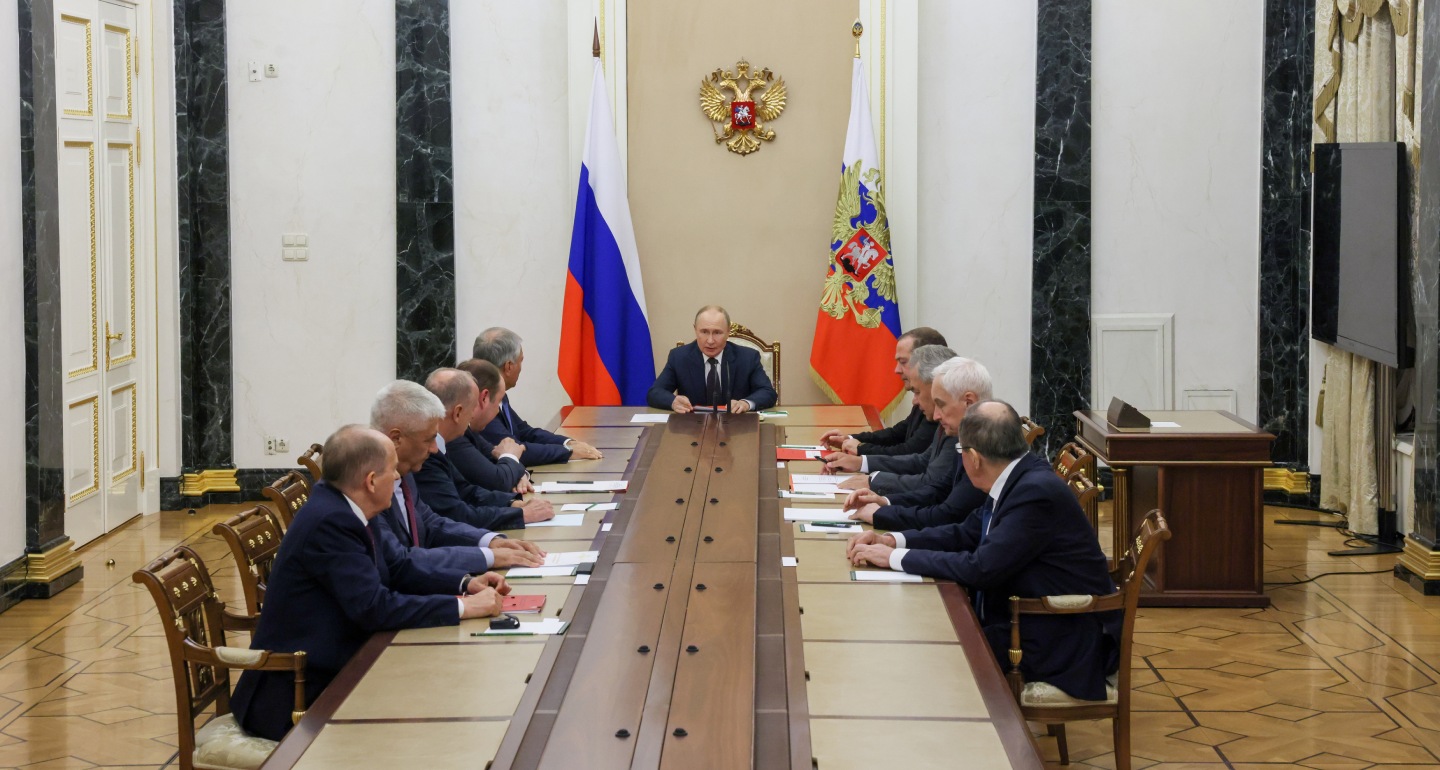
The ruling elites in contemporary Russia are not a political class, but a community of managers who are not subject to competition or public accountability. The state is becoming an operating apparatus without any internal autonomy.

Alexandra Prokopenko

Pashinyan’s pro-European party has been re-elected with a decisive victory. But the pro-Russian opposition could still slow Armenia’s progress toward peace with Azerbaijan and rapprochement with Europe.
Mikayel Zolyan
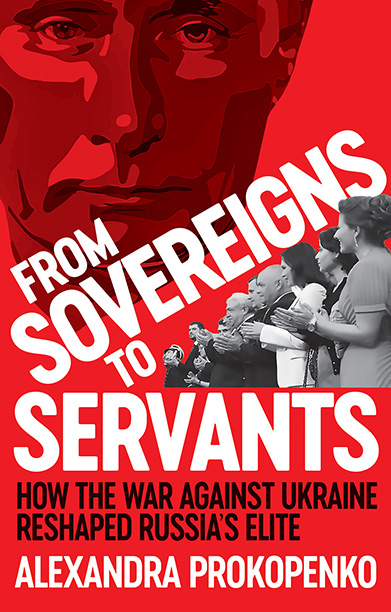
How did Putin co-opt Russia’s political and economic elites, ensuring no more than fitful resistance to the regime’s war on Ukraine?
Alexandra Prokopenko
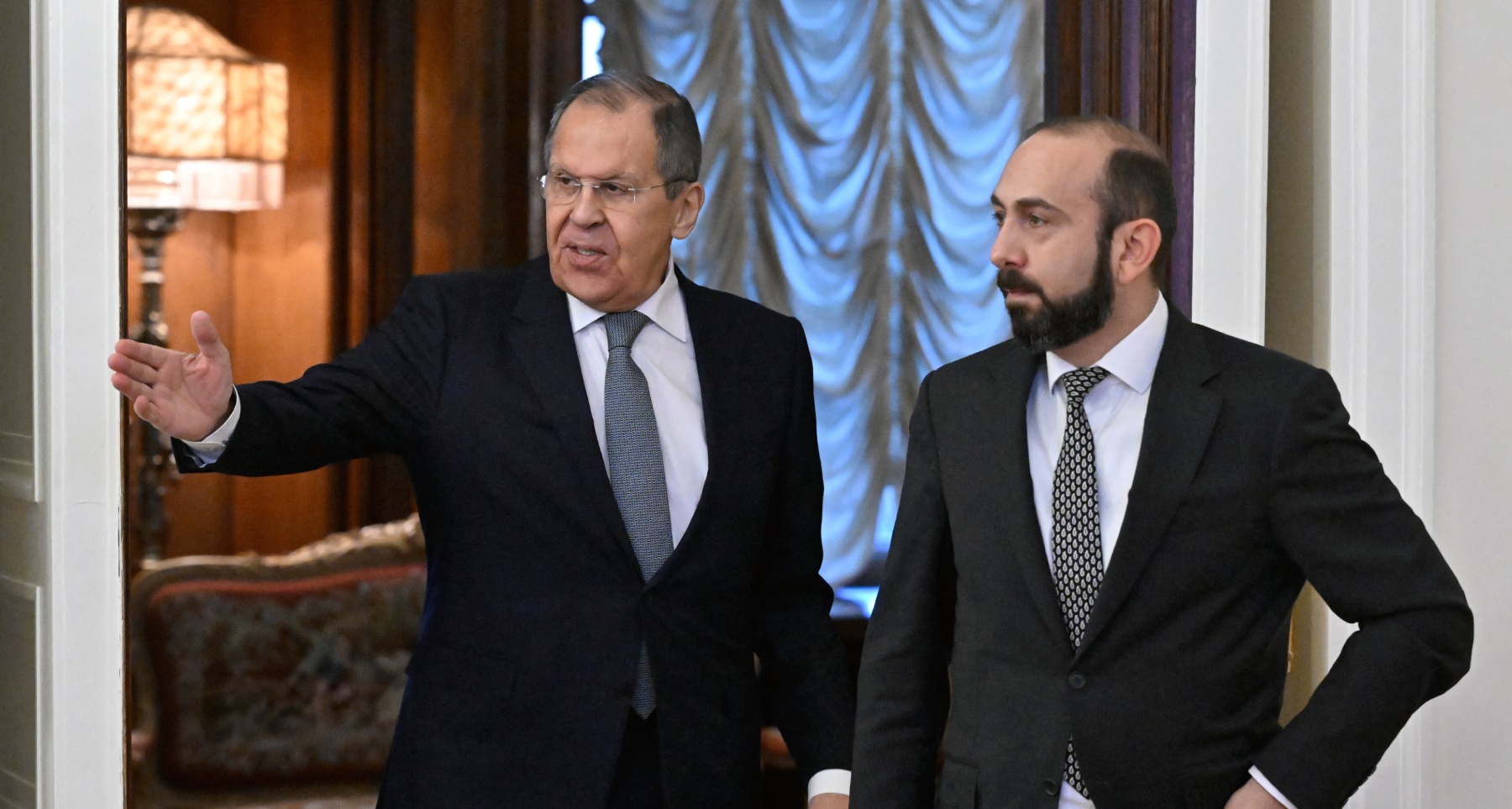
For all the menacing rhetoric, the Armenian prime minister remains a leader with whom Putin is prepared to interact: not as an ally, but as a partner, albeit a problematic one.

Alexander Atasuntsev

By fueling the arguments of both supporters and opponents of Armenian Prime Minister Nikol Pashinyan, Azerbaijan wants to ensure he is re-elected with a weaker mandate.

Bashir Kitachaev