

Commentary
Dan Baer, Sophia Besch
{
  "authors": [
    "Dan Baer"
  ],
  "type": "legacyinthemedia",
  "centerAffiliationAll": "",
  "centers": [
    "Carnegie Endowment for International Peace"
  ],
  "collections": [],
  "englishNewsletterAll": "",
  "nonEnglishNewsletterAll": "",
  "primaryCenter": "Carnegie Endowment for International Peace",
  "programAffiliation": "",
  "programs": [],
  "projects": [],
  "regions": [
    "North America",
    "United States"
  ],
  "topics": [
    "Political Reform",
    "Democracy"
  ]
}
Source: Getty
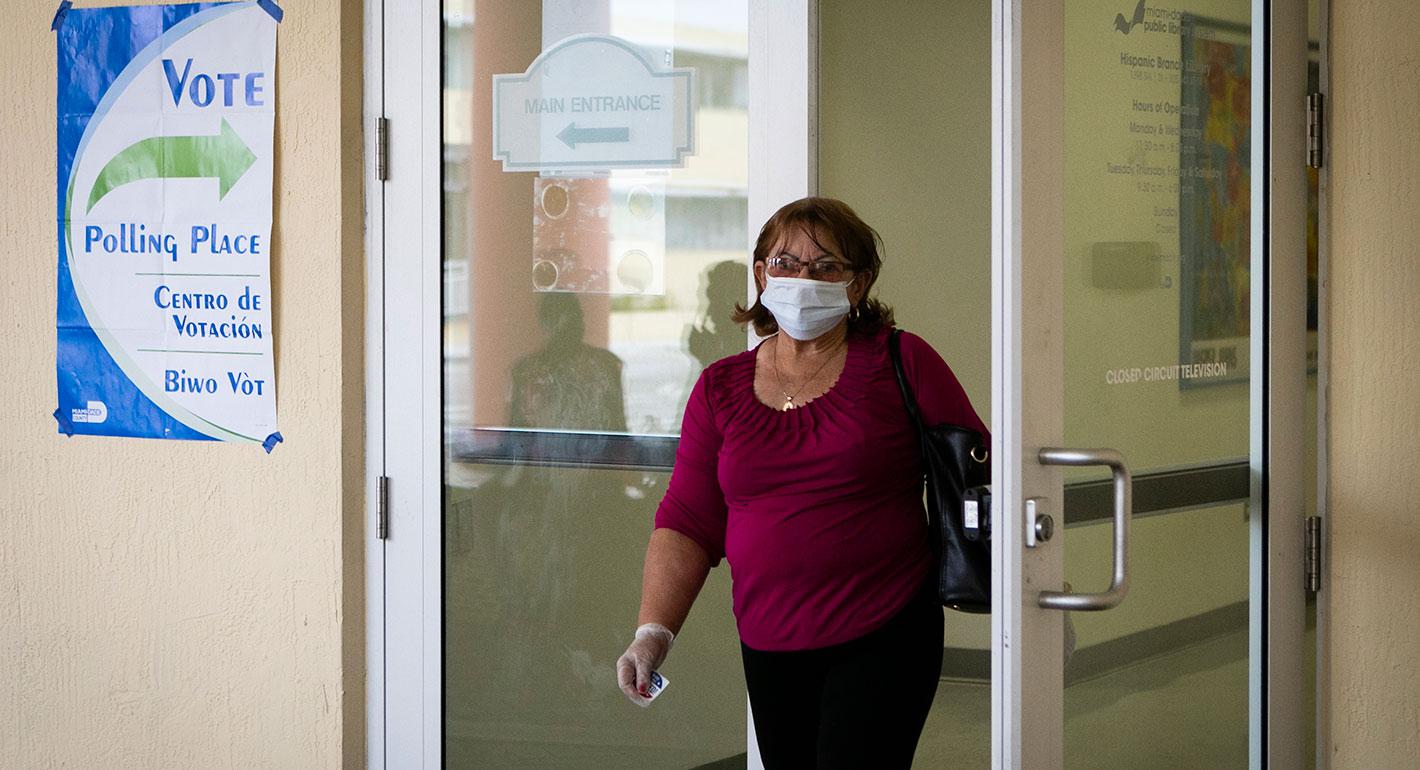
Voting is not the same as going to a pub or a party or even a political rally; it is not a form of recreation, it is an essential task to the preservation of our democracy. And like other essential tasks, it must continue.
Source: Denver Post
As the response to coronavirus belatedly but increasingly spreads across the country, Americans are having to make choices about what is essential and what activities are better postponed or canceled.
One feature of democracies is that they have regular elections. Once the rules and timing of elections are set, it is reasonable to be skeptical about changes because any change is likely to impact the number of votes cast or the number of votes cast for particular candidates, whether the change is intended to do so or not. There must be a high threshold for altering the schedule and conduct of elections because the integrity and confidence in the electoral process is part of the legitimacy of the government that it produces...
Senior Vice President for Policy Research, Director, Europe Program
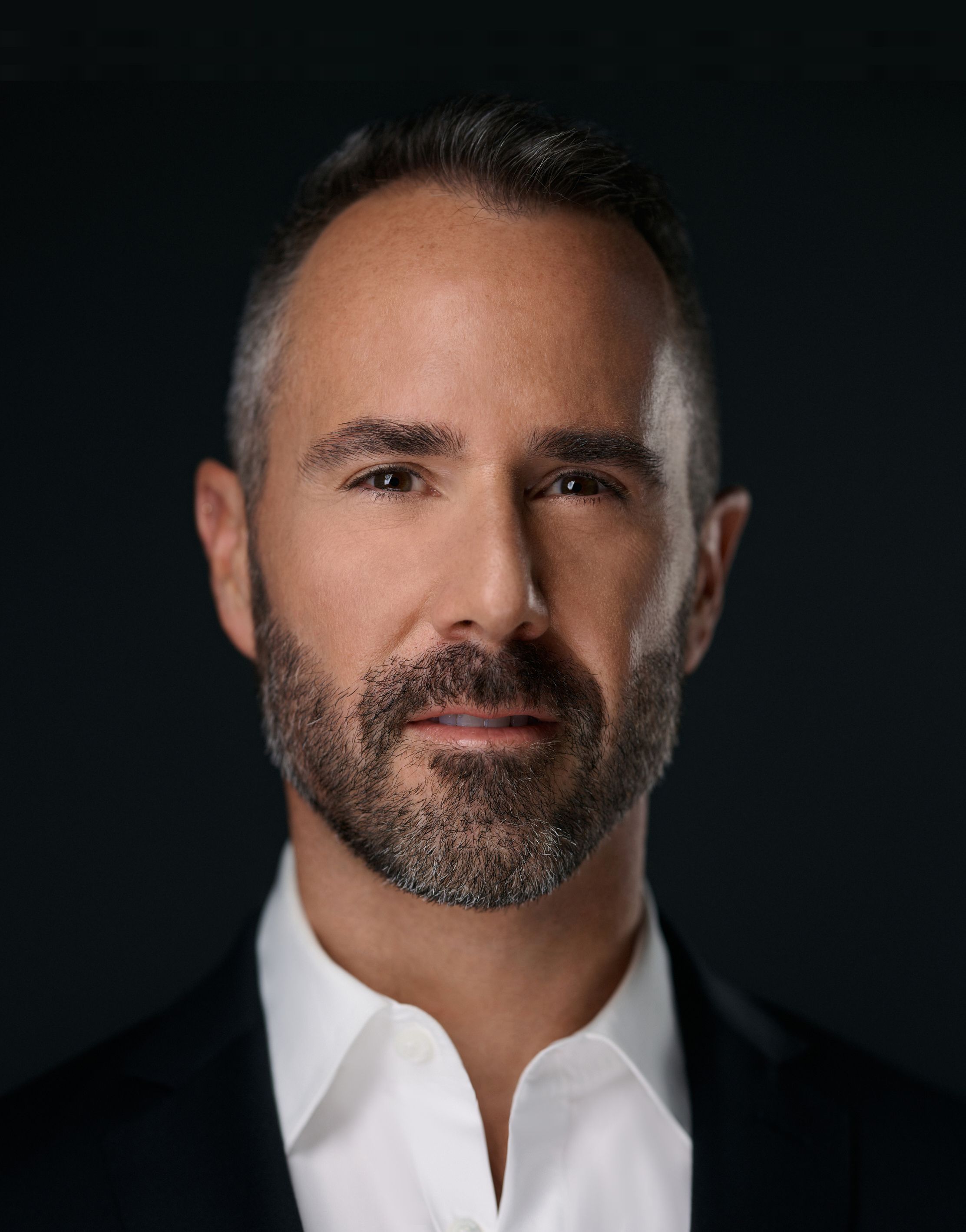
Dan Baer is senior vice president for policy research and director of the Europe Program at the Carnegie Endowment for International Peace. Under President Obama, he was U.S. ambassador to the Organization for Security and Cooperation in Europe (OSCE) and he also served deputy assistant secretary of state for the Bureau of Democracy, Human Rights, and Labor.
Recent Work

Dan Baer, Sophia Besch
Dan Baer
Carnegie does not take institutional positions on public policy issues; the views represented herein are those of the author(s) and do not necessarily reflect the views of Carnegie, its staff, or its trustees.
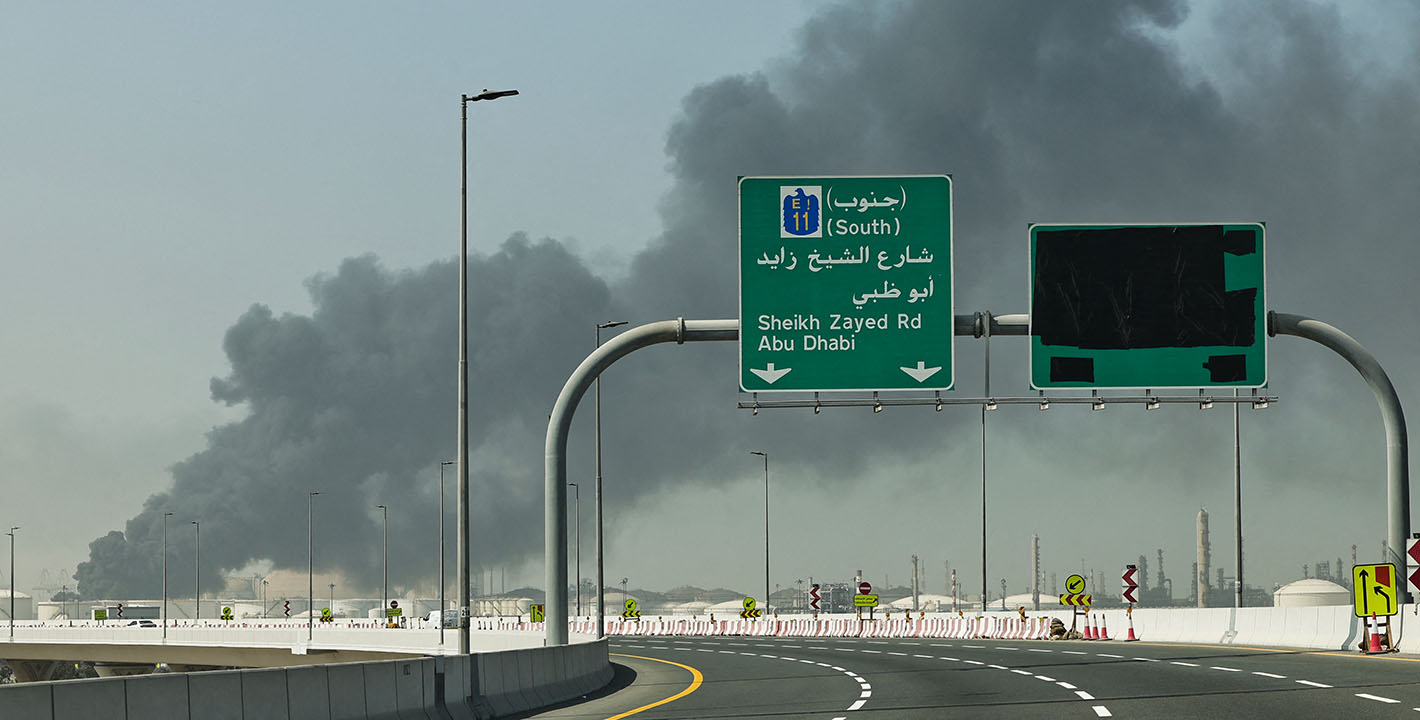
The countries in the region are managing the fallout from Iranian strikes in a paradoxical way.

Angie Omar
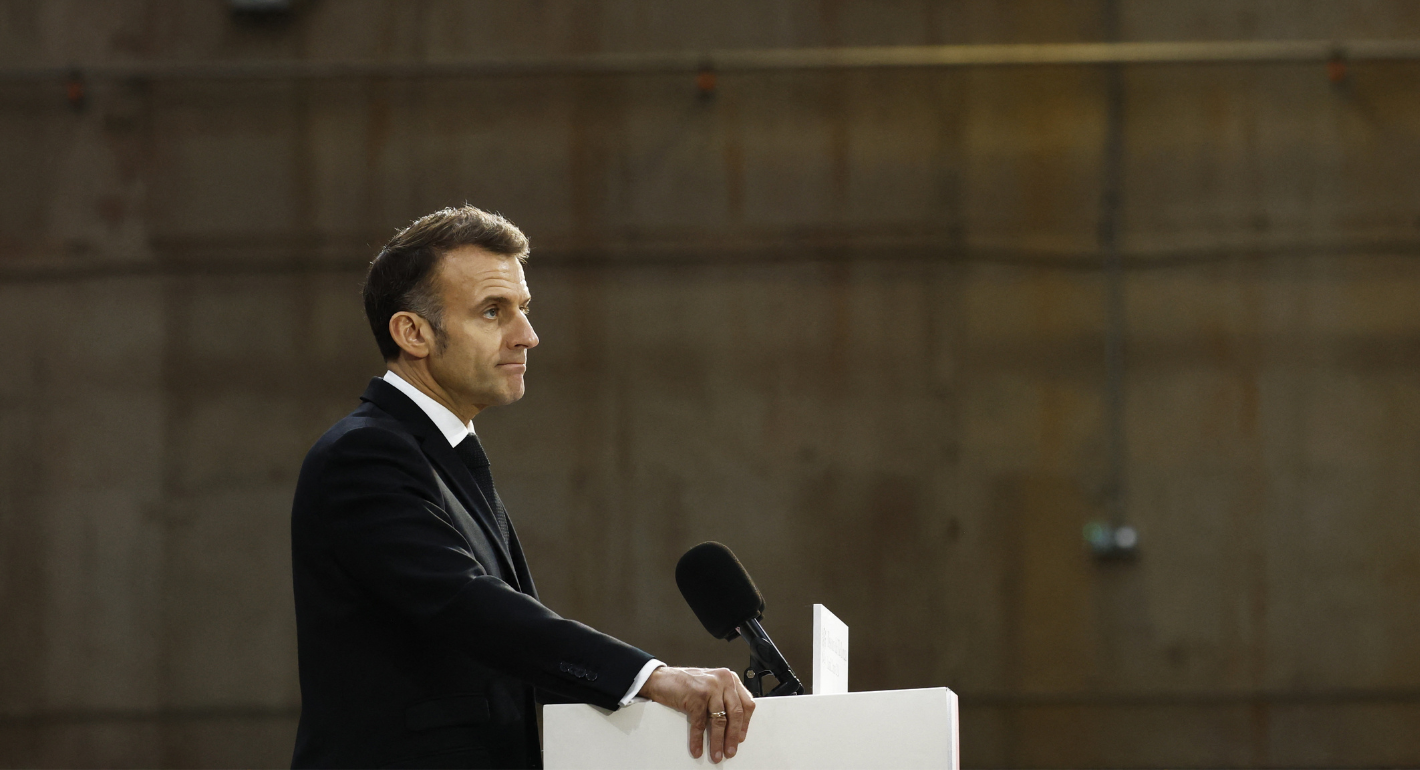
French President Emmanuel Macron has unveiled his country’s new nuclear doctrine. Are the changes he has made enough to reassure France’s European partners in the current geopolitical context?

Rym Momtaz, ed.
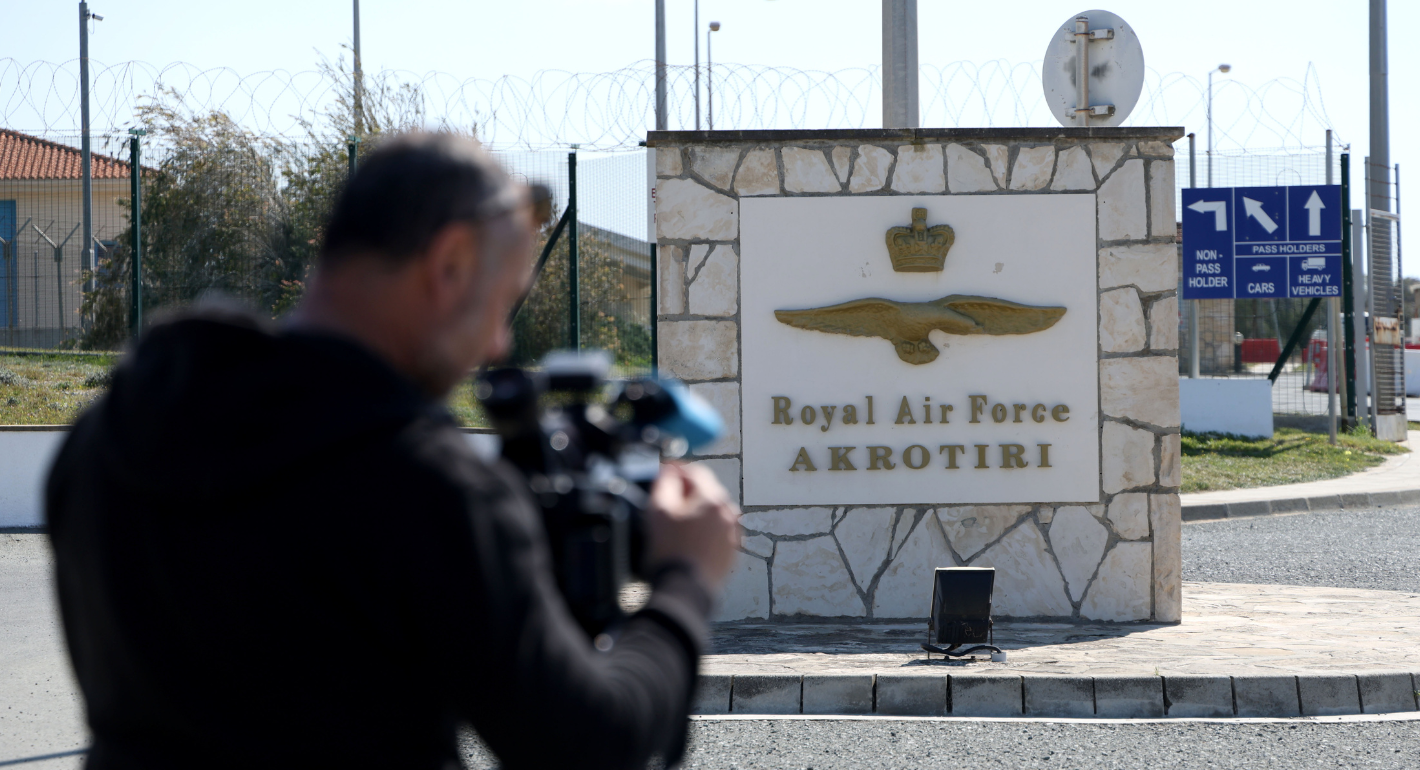
The drone strike on the British air base in Akrotiri brings Europe’s proximity to the conflict in Iran into sharp relief. In the fog of war, old tensions in the Eastern Mediterranean risk being reignited, and regional stakeholders must avoid escalation.

Marc Pierini

In an interview, Hassan Mneimneh discusses the ongoing conflict and the myriad miscalculations characterizing it.

Michael Young
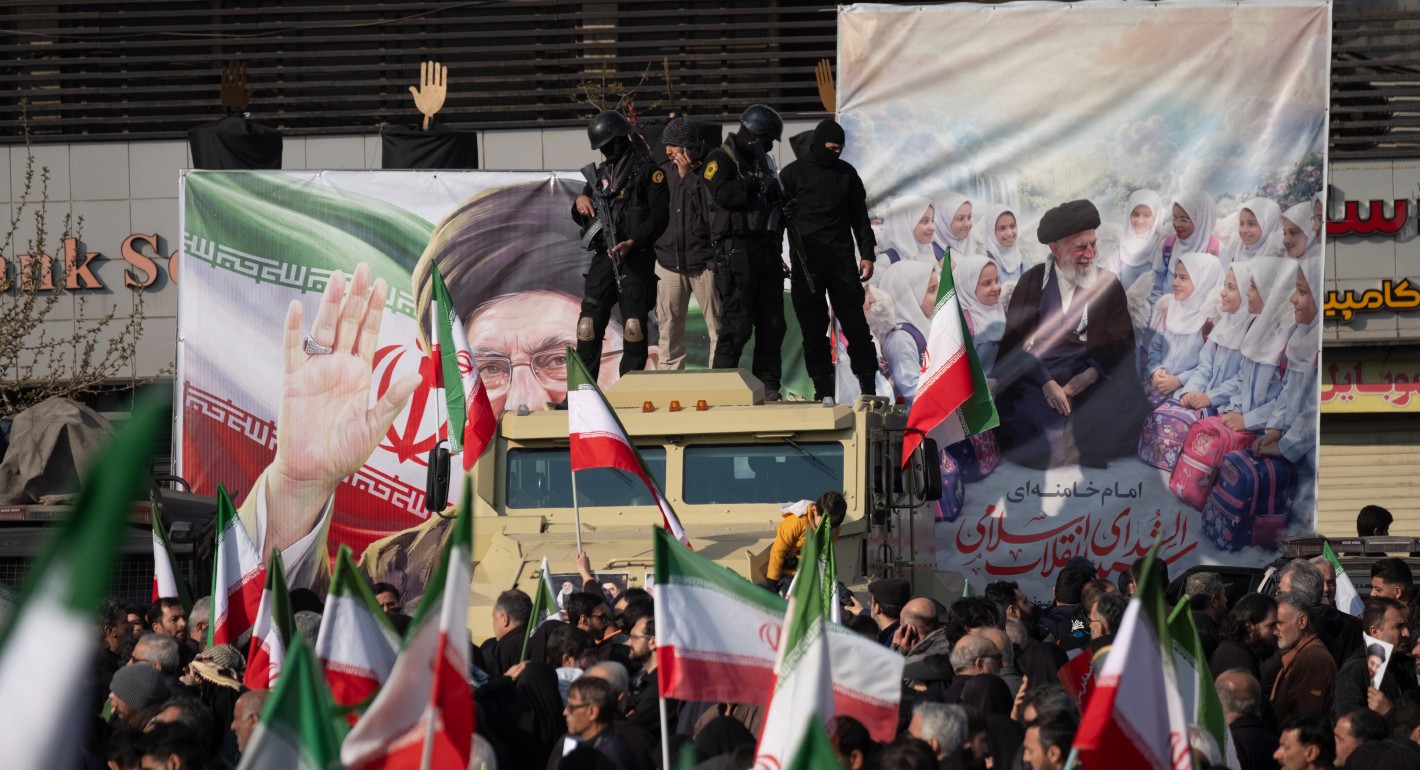
The recent record of citizen uprisings in autocracies spells caution for the hope that a new wave of Iranian protests may break the regime’s hold on power.


Thomas Carothers, McKenzie Carrier