

Paper
Christopher S. Chivvis, Rohan Mukherjee, Milan Vaishnav
{
  "authors": [
    "Milan Vaishnav"
  ],
  "type": "legacyinthemedia",
  "centerAffiliationAll": "dc",
  "centers": [
    "Carnegie Endowment for International Peace"
  ],
  "collections": [],
  "englishNewsletterAll": "ctw",
  "nonEnglishNewsletterAll": "",
  "primaryCenter": "Carnegie Endowment for International Peace",
  "programAffiliation": "SAP",
  "programs": [
    "South Asia"
  ],
  "projects": [],
  "regions": [
    "South Asia",
    "India"
  ],
  "topics": [
    "Political Reform",
    "Security"
  ]
}
Source: Getty
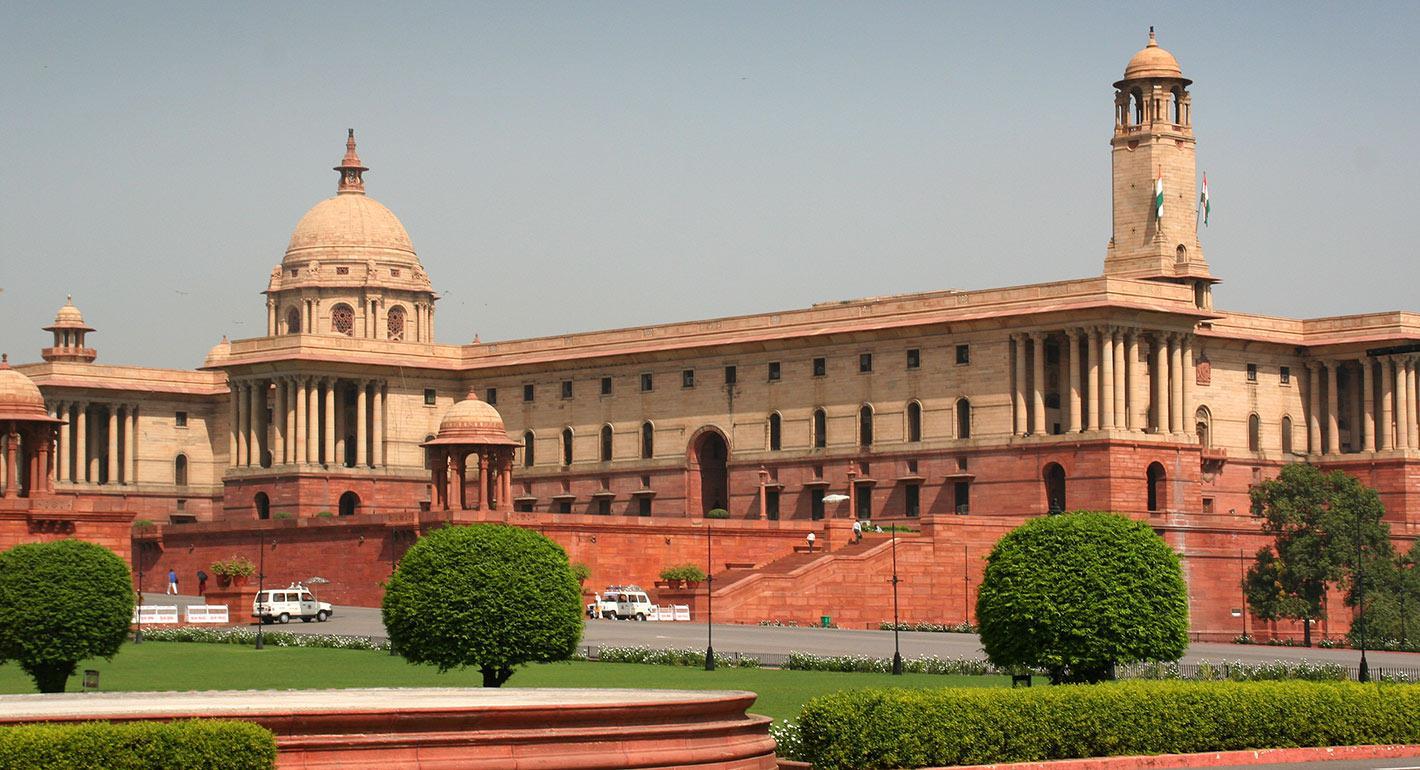
The latest crisis between China and India has set off an unseemly round of finger-pointing between the Bharatiya Janata Party and its principal national rival, the Congress, with both sides accusing the other of cozying up to the communist regime.
Source: Hindustan Times
As India’s border stand-off with China continues, the latter’s aggressive manoeuvres raise difficult questions about India’s diplomatic options, foreign partnerships, and future defence requirements. But the latest crisis has also set off an unseemly round of finger-pointing between the Bharatiya Janata Party (BJP) and its principal national rival, the Congress, with both sides accusing the other of cosying up to the communist regime.
In response to Opposition barbs that the Narendra Modi government’s China policy has been tantamount to “appeasement”, the BJP unearthed evidence that Beijing had previously funnelled money into the Rajiv Gandhi Foundation, a Congress-affiliated brain trust. Caught on the back foot, the Congress took the airwaves to argue that several politically-connected Chinese firms — from Huawei to Xiaomi — have donated millions of rupees to the Prime Minister’s Citizen Assistance and Relief in Emergency Situations Fund (PM-CARES).
This article was originally published in the Hindustan Times.

Director and Senior Fellow, South Asia Program
Milan Vaishnav is a senior fellow and director of the South Asia Program and the host of the Grand Tamasha podcast at the Carnegie Endowment for International Peace. His primary research focus is the political economy of India, and he examines issues such as corruption and governance, state capacity, federalism, and electoral behavior. He also conducts research on the Indian diaspora.
Recent Work
Christopher S. Chivvis, Rohan Mukherjee, Milan Vaishnav



Sophia Besch, Eric Ciaramella, Steve Feldstein, …
Carnegie does not take institutional positions on public policy issues; the views represented herein are those of the author(s) and do not necessarily reflect the views of Carnegie, its staff, or its trustees.

China’s political future will be shaped between now and next October. As the Communist Party enters its intense “campaign season” to prepare for a major political transition in 2027, reading Beijing's actions and responses may become more difficult as domestic politics weigh on its behavior more than usual.

Damien Ma

Japan’s long-term security policy is driven by concerns about China, and there is little appetite for (or interest in) pursuing a confrontation with Moscow.

James D.J. Brown

Russia is testing the waters of NATO’s mutual defense clause. What do strikes in Romanian territorial waters mean for the alliance’s posture toward Moscow?

Dimitar Bechev
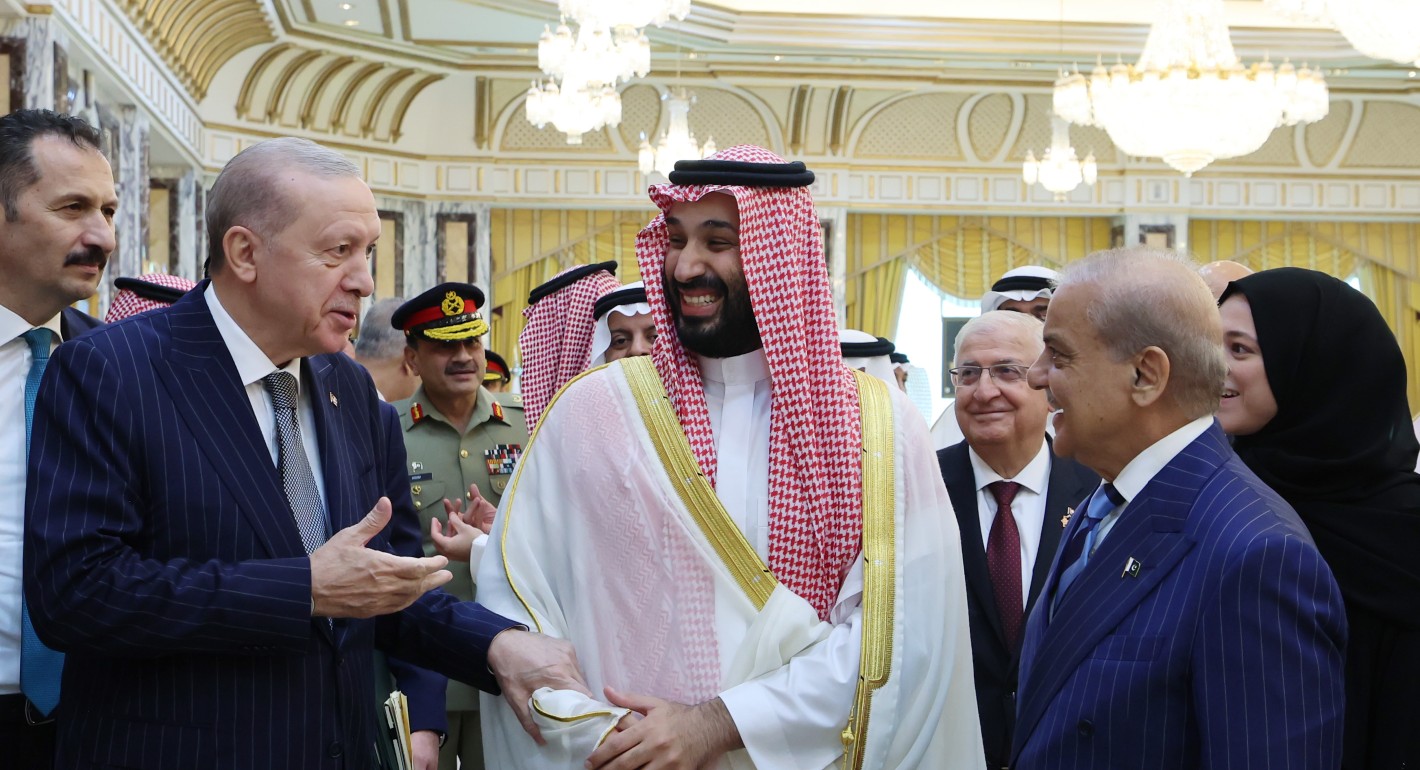
Why Pakistan, Saudi Arabia, and Turkey are joining forces on regional security.

Alper Coşkun, Amr Hamzawy

The truth of the strategic situation is that Europe and Russia are extremely unlikely to be able to “turn the page” on their confrontation within the next two decades.

Arkady Moshes