

Article
Dan Baer
{
  "authors": [
    "Dan Baer"
  ],
  "type": "legacyinthemedia",
  "centerAffiliationAll": "dc",
  "centers": [
    "Carnegie Endowment for International Peace"
  ],
  "collections": [],
  "englishNewsletterAll": "democracy",
  "nonEnglishNewsletterAll": "",
  "primaryCenter": "Carnegie Endowment for International Peace",
  "programAffiliation": "DCG",
  "programs": [
    "Democracy, Conflict, and Governance"
  ],
  "projects": [],
  "regions": [
    "North America",
    "United States"
  ],
  "topics": [
    "Political Reform",
    "Democracy",
    "Foreign Policy"
  ]
}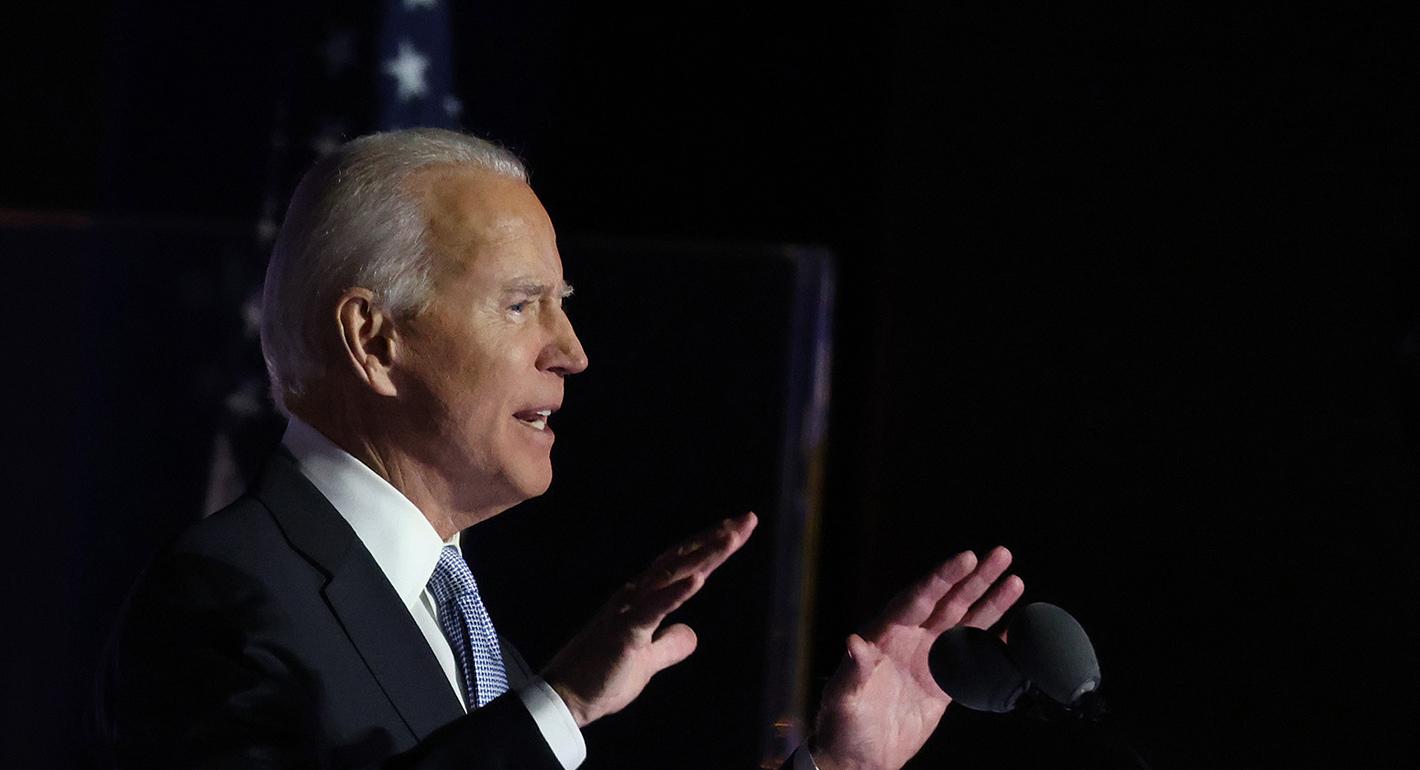
Source: Getty
For U.S. allies and partners around the world, the United States will stop being an at times gratuitous antagonist, and the Biden-Kamala Harris administration will reinvigorate U.S. diplomacy, but Washington will remain a frustrating partner on important issues.
Source: Foreign Policy
Let’s start with a positive note: It is a good thing that we do not know the outcome of U.S. elections before they happen. Democracy entails uncertainty—and that uncertainty demands a measure of humility from all participants in an election, winners and losers alike.
Now for a more sobering take: When all is said and done, it seems most likely that President Donald Trump will lose his bid for reelection—but he will still have received more votes than four years ago, despite a reckless and corrupt administration that has badly mismanaged a pandemic and seen a growing economy transform into a dire recession. For the United States’ friends overseas who have wondered over the last four years whether the 2016 election was fluke: It was not. It was a reflection of what was and is a divided country grappling with divided responses to its past and to the challenges of the 21st century.
The outcome of Tuesday’s election that will take longest for the United States’ partners overseas to process is the fact that Republican Sen. Mitch McConnell looks poised to retain control of the U.S. Senate. (While there are races left to be called, this is the most likely scenario for now.) Both domestically and internationally, the Joe Biden presidency that would have been possible if Democrats had won the Senate would have been very different than the one that he now looks likely to lead.
On a practical level, it will take longer to fill senior administration posts that require Senate confirmation. But, more significantly, the legislative agenda to lift the United States out of the current economic and public health crisis, strengthen its democracy, and tackle the existential challenge of climate change has become much, much more difficult to advance. On climate change in particular, the prospect of the kind of significant investment needed to transform the U.S. economy and meet emissions targets is greatly diminished. For U.S. allies and partners around the world, the United States will stop being an at times gratuitous antagonist, and the Biden-Kamala Harris administration will reinvigorate U.S. diplomacy, but Washington will remain a frustrating partner on important issues.
At a deeper level, the loss of innocence that happened in 2016 remains. Though the votes are still being counted, the 2020 election looks likely to produce a victory for Biden and Harris, but it is not the full moral victory that I and many other Democrats had hoped for. The task of making the case for democratic values, of demonstrating that democracies can deliver, and of pushing back against demagogues and authoritarians is not one that can be left to the United States alone. Democracies on other continents need to step up—for their own interests and for the cause of democracy itself.
Interim President
Dan Baer is the interim president of the Carnegie Endowment for International Peace. Under President Obama, he was U.S. ambassador to the Organization for Security and Cooperation in Europe (OSCE) and he also served deputy assistant secretary of state for the Bureau of Democracy, Human Rights, and Labor.
Recent Work


Richard Youngs, Erik Jones, Dan Baer, …
Carnegie does not take institutional positions on public policy issues; the views represented herein are those of the author(s) and do not necessarily reflect the views of Carnegie, its staff, or its trustees.

Trump has promised Belarus a massive potash deal. But Minsk is seeking something greater: restored Western transit and greater room for maneuver from Russia.

Balázs Jarábik

Before the next wave of EU enlargement takes place, the union needs to grapple with thorny questions of how power is distributed among its members.


Emil Sondaj Hansen, Ditte Brasso Sørensen
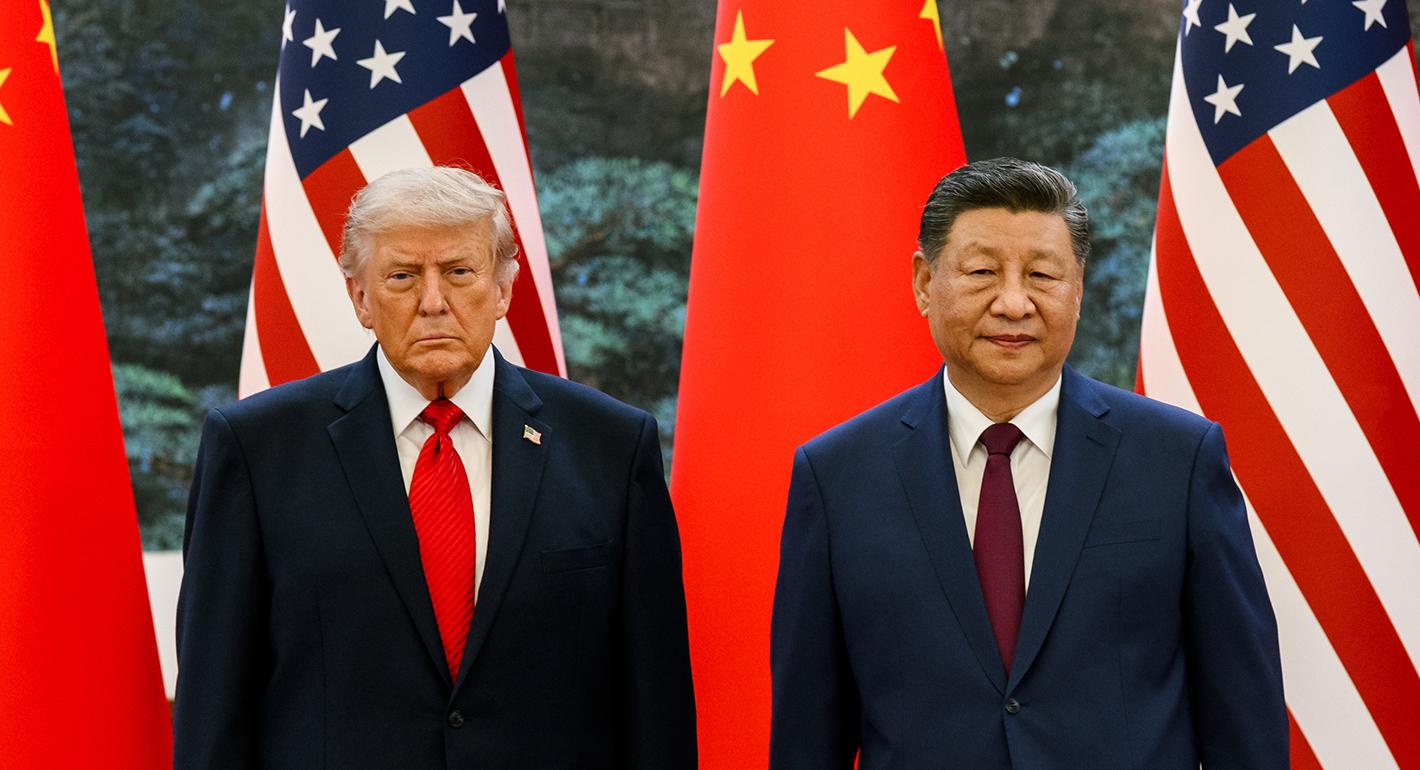
The real test may come after the leaders leave the room.


Sheena Chestnut Greitens, Oriana Skylar Mastro, Yukon Huang, …

The Horn of Africa countries are among those facing a new security calculus.


Andrew Leber, Lesley Anne Warner

The European far right might fail to steer EU policy in the direction Russia wants, but they will create enough chaos inside Europe to benefit the Kremlin.

Dimitar Bechev