

Commentary
Amid celebrations of bilateral ties was a deeper focus on stability in the Middle East.
Amr Hamzawy
{
  "authors": [
    "Alexander Gabuev",
    "Andrey Movchan",
    "Maria Shagina"
  ],
  "type": "commentary",
  "centerAffiliationAll": "",
  "centers": [
    "Carnegie Endowment for International Peace",
    "Carnegie Russia Eurasia Center"
  ],
  "collections": [],
  "englishNewsletterAll": "",
  "nonEnglishNewsletterAll": "",
  "primaryCenter": "Carnegie Endowment for International Peace",
  "programAffiliation": "",
  "programs": [],
  "projects": [],
  "regions": [],
  "topics": [
    "Economy"
  ]
}
Source: Getty
Podcast host Alex Gabuev is joined by Andrey Movchan, a nonresident scholar in the Economic Policy Program at the Carnegie Moscow Center, and Maria Shagina, a postdoctoral fellow at the Center for Eastern European Studies at the University of Zurich, to discuss the impact of Western sanctions on the Russian economy.
After eight years of Western sanctions, has the Russian economy suffered substantially as a result? Do the latest U.S. sanctions in fact show that Washington is ready to turn the page? How successful has Russia’s import substitution initiative been? And how far do sanctions actually play into the Kremlin’s hands at home?
Listen or download: SoundCloud | Subscribe: iTunes, Google Podcasts, Spotify, RSS

Director, Carnegie Russia Eurasia Center
Alexander Gabuev is director of the Carnegie Russia Eurasia Center. Gabuev’s research is focused on Russian foreign policy with particular focus on the impact of the war in Ukraine and the Sino-Russia relationship. Since joining Carnegie in 2015, Gabuev has contributed commentary and analysis to a wide range of publications, including the Financial Times, the New York Times, the Wall Street Journal, and the Economist.
Andrey Movchan
Former Nonresident Scholar, Carnegie Moscow Center
Movchan is a nonresident scholar at the Carnegie Moscow Center.
Dr. Maria Shagina
Dr Maria Shagina is a postdoctoral fellow at the Center for Eastern European Studies (CEES) at the University of Zurich
Carnegie does not take institutional positions on public policy issues; the views represented herein are those of the author(s) and do not necessarily reflect the views of Carnegie, its staff, or its trustees.
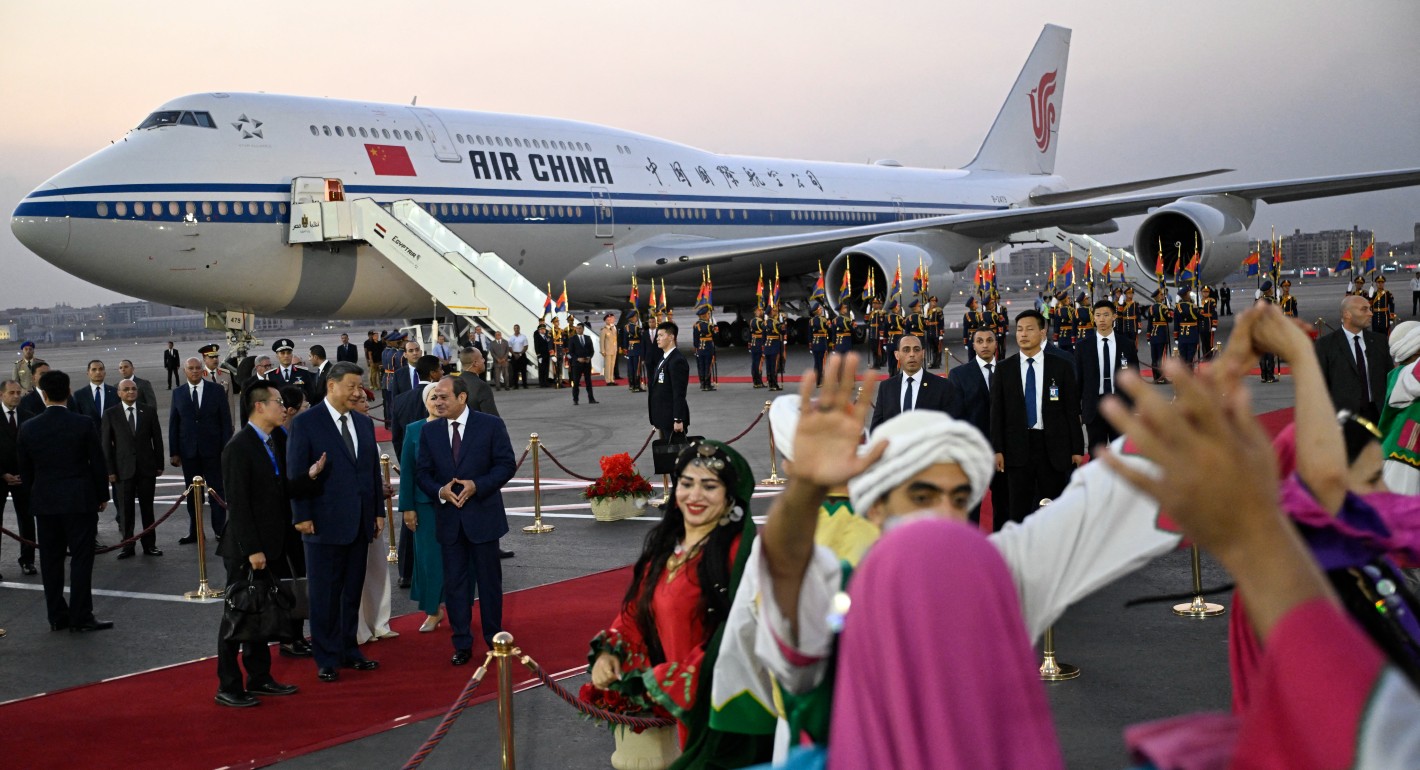
Amid celebrations of bilateral ties was a deeper focus on stability in the Middle East.

Amr Hamzawy

Xi, Putin, and other regional leaders are back-slapping in Bishkek, but the SCO has yet to answer the most serious questions about continental Asia's economic future.

Evan A. Feigenbaum

The conflict has sent economic and political shock waves through a country with no representation at the negotiating table—and Kenya is not alone.
Georgia Schaefer-Brown, Jane Munga

China’s banking crisis in the 2000s was resolved by transferring the costs to households through financial repression—a decision that recapitalized the banks while exacerbating the structural imbalances that continue to shape the Chinese economy today.

Michael Pettis
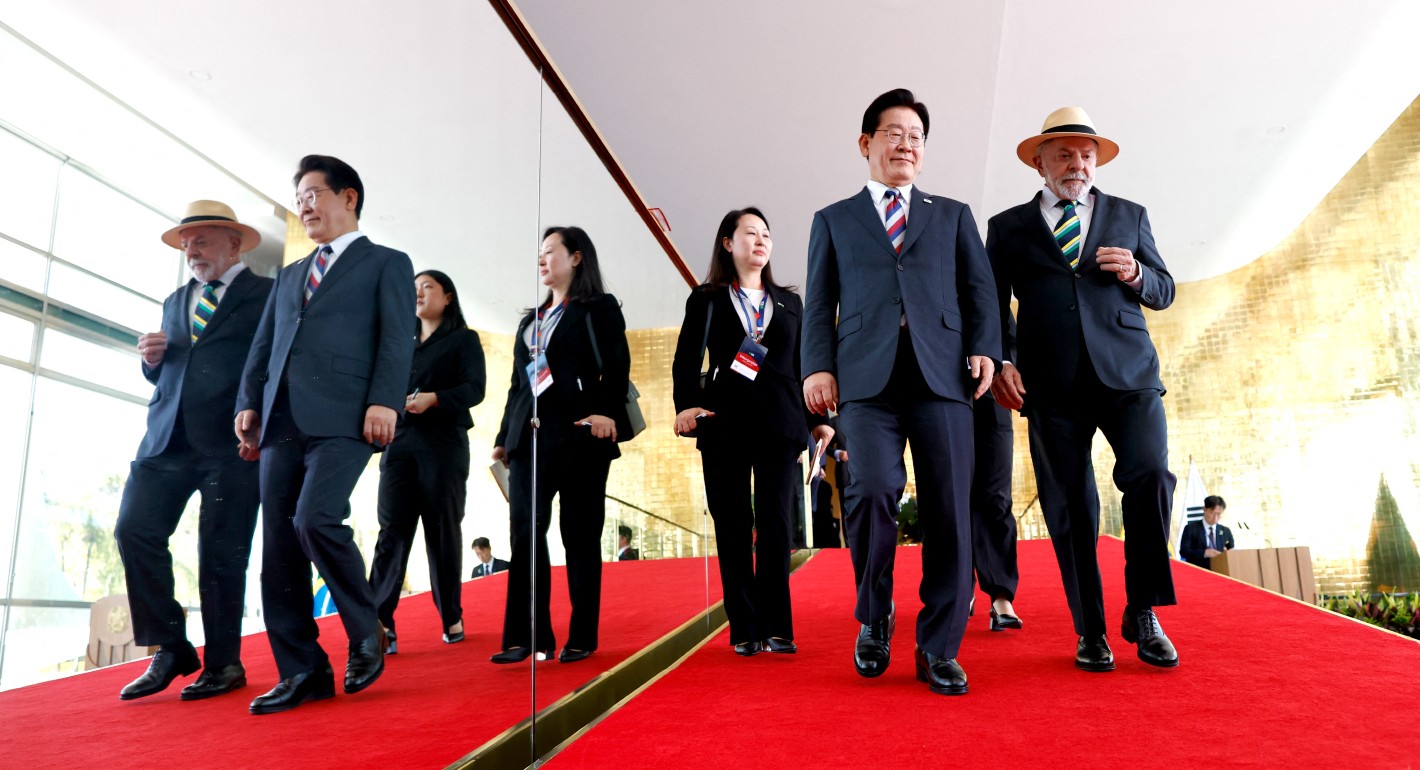
Lee’s tour shows how Seoul is reorganizing its diplomacy away from Pyongyang and toward industrial networks and the geography of the compute economy.

Darcie Draudt-Véjares