

Commentary
The Horn of Africa countries are among those facing a new security calculus.
Andrew Leber, Lesley Anne Warner
{
  "authors": [
    "Georgia Schaefer-Brown",
    "Jane Munga"
  ],
  "type": "commentary",
  "blog": "Emissary",
  "centerAffiliationAll": "dc",
  "centers": [
    "Carnegie Endowment for International Peace"
  ],
  "collections": [
    "Africa’s Shifting Politics and Geopolitics"
  ],
  "englishNewsletterAll": "africa",
  "nonEnglishNewsletterAll": "",
  "programAffiliation": "AFP",
  "programs": [
    "Africa"
  ],
  "regions": [
    "Kenya",
    "Southern, Eastern, and Western Africa",
    "Iran"
  ],
  "topics": [
    "Energy",
    "Domestic Politics",
    "Foreign Policy",
    "Economy"
  ]
}

Transit workers pass the time amid a nationwide strike over fuel price hikes in Nairobi on May 19, 2026. (Photo by Simon Maina/AFP via Getty Images)
The conflict has sent economic and political shock waves through a country with no representation at the negotiating table—and Kenya is not alone.
As the Strait of Hormuz remains blockaded, the enduring stalemate between the United States and Iran continues to push up prices at the pump. The rising cost of fuel carries political and economic consequences for countries far from the negotiating table. One country particularly in the crosshairs is Kenya, which faces a crucial election next year. Kenya continues to absorb the cost of the war as collateral damage, with no compensatory mechanism to draw on.
Despite the Kenyan government’s interventions to mitigate the impact of rising fuel prices, citizens remain frustrated, and their discontent is not about fuel alone. Rather, it underscores the risks to Kenya in an era of growing geopolitical uncertainty with structural economic vulnerabilities already in place. Heavy dependence on imported energy, limited fiscal space, high youth unemployment, and persistent public distrust have combined to transform an external shock into a domestic political challenge.
Kenya imports almost all of its fuel from Gulf states through government-to-government agreements, with nearly 50 percent of its imported refined petroleum coming from the United Arab Emirates alone, making the Strait of Hormuz’s closure particularly damaging. Earlier this year, when Kenya ran out of the fuel that had been sourced and priced prior to the conflict, the government raised national fuel prices, passing on the cost to consumers. The first hike in April was a 24.2 percent increase on diesel and 16.1 percent on petrol. A second hike in May brought increases of nearly 46 percent on diesel and 20 percent on petrol from prewar levels.
On May 18, multiple taxi and public transport associations launched a nationwide strike that brought major towns and businesses to a standstill, with deadly protests reminiscent of the 2024 and 2025 Gen Z unrest that previously embroiled the country. The strike was called off after transport representatives met with government officials and secured a 10 shilling (8 cents)-per-liter cut on diesel, estimated to cost the government 2.69 billion shillings ($20.79 million) in lost revenue. To keep prices down, the government drew 945 million shillings (about $7.3 million) from its petroleum development fund and has pledged to hold fuel taxes at 8 percent (rather than 16 percent) until October.
The fuel situation compounded an already stressed fiscal and economic system across the continent. Kenya was grappling with rising inflation and a growing public debt burden well before the Iran war began. Recent payroll deductions had already started to erode household purchasing power.
Concerns about household purchasing power echoed particularly among Kenyan youth—another compounding factor in Kenya’s ongoing crisis. Approximately 80 percent of the population is age thirty-five or younger, yet 43 percent of those aged eighteen to thirty-five are unemployed and actively seeking work—making the restless youth analogy all too real. The country’s labor market is characterized by low job creation, poor-quality employment, and a persistent mismatch between the skills young people hold and those the market demands. This is despite the youth being more educated than older Kenyans. As a result, for young Kenyans, increased costs at the pump mean increased living costs imposed by a government they believe has failed them. An Afrobarometer report from last year found that Kenyan youth cited the cost of living and unemployment among the top three priorities the government must address.
That frustration has a recent history. In June 2024, so-called Gen Z demonstrations erupted over a finance bill that sought to significantly increase taxes on essential products. The unrest peaked when protesters rejected both the bill and the government’s legitimacy, attempting to occupy Parliament in a deadly confrontation. More than sixty people were killed by the police, with dozens more abducted in the following months. Unrest continued into 2025, and Amnesty International estimates that excessive use of force resulted in at least 128 deaths.
Most of the underlying issues that took Kenyans to the streets remain unresolved, and dissatisfaction with the government lingers. For President William Ruto, the failure is especially pointed: His 2022 campaign was built on youth appeal and the hustler narrative that promised to champion ordinary young Kenyans, yet his administration now struggles to deliver on that promise. If left unaddressed, this youth bulge will continue to fuel political pressures, a liability for his reelection ambitions next year. Ruto’s opponents have also fanned the flames of discontent, tying his administration to the growing cost of living.
The respite from fuel protests offers Ruto’s administration minimal space to recalibrate, but at the same time, two other issues press upon Kenya: its public debt and a looming food crisis.
Kenya’s public debt stands at nearly 70 percent of GDP, limiting the government’s ability to absorb prolonged fuel subsidies or broad-based relief measures without placing additional pressure on public finances. Even without meeting the full demands of the transport sector in negotiations, the almost $21 million in lost revenue will be a hit to government funds.
This strain is compounded by a looming food crisis expected to hit the continent within a year. The closure of the Strait of Hormuz has choked global fertilizer supply, and Kenya is among the most heavily exposed countries, alongside Ethiopia. The agriculture-dependent Kenya imports 100 percent of its fertilizer, 26 percent of which passes through the Strait of Hormuz. Kenya has been here before: After Russia’s invasion of Ukraine in early 2022, high global fertilizer prices led to higher food prices and reduced GDP in Kenya. That episode resolved as supply routes adjusted and prices eased within roughly a year. The current disruption differs in that it sits at a chokepoint with no ready alternative, and it arrives while Kenya’s fiscal buffers are already thinner than they were in 2022. The wider effects of the Middle East conflict threaten to deepen economic hardship across the country—a headache Ruto cannot afford in an election year.
The fuel crisis in Kenya exposed a political economy vulnerability that predates the war: a government with limited fiscal space that represents a largely youthful and discontented population. The Iran conflict did not create this weakness but activated it. A global energy shock quickly became a domestic political crisis, read not as a temporary market disruption but as further confirmation of a political system that many citizens believe is failing to deliver economic opportunity. Relief at the pumps in June offered Ruto a measure of political breathing room, but holding that position has cost more since—fiscal room the Kenyan government does not have much of. Kenya’s structural weaknesses have rapidly moved to the top of the political agenda, especially with presidential elections on the horizon.
More broadly, Kenya’s case serves as a signal for others in the region caught downstream of the war’s economic blow. Countries with similar dynamics that do not undertake resilience measures now risk facing the same economic and political upheavals when the next externally induced shock arrives. Resilience will require more than temporary relief measures: Governments will need to address both the immediate pressures facing households and the structural weaknesses that leave them vulnerable to external shocks. The International Monetary Fund has recommended a combination of targeted support for vulnerable populations in the near term and longer-term reforms aimed at strengthening governance, improving productivity, deepening regional integration, and accelerating digital transformation by leveraging artificial intelligence as a tool for innovation. The latter is particularly urgent for Kenya. Digital transformation has already been identified as a key pillar of the country’s development strategy, and although AI risks such as labor displacement would need to be managed, the technology presents an opportunity to generate new sources of growth and income for a young population facing persistent employment challenges.
Kenya’s predicament illustrates a broader trend: Every week Washington and Tehran spend on failed talks is a week the effects of war keep proliferating outward, into countries with far less capacity to absorb the economic crisis, and with politics far less able to withstand it. Failed talks and a negotiating table that excludes many affected countries are the global operating condition. For countries such as Kenya caught in the fallout of the conflict, resilience has to be built domestically, without waiting for the war to end or the Strait of Hormuz to reopen.
The latest from Carnegie scholars on the world’s most pressing challenges, delivered to your inbox.
Georgia Schaefer-Brown
Former James C. Gaither Junior Fellow, Africa Program
Georgia Schaefer-Brown was a James C. Gaither Junior Fellow in the Carnegie Africa Program.

Fellow, Africa Program
Jane Munga is a fellow in the Africa Program focusing on technology policy at the Carnegie Endowment for International Peace.
Carnegie does not take institutional positions on public policy issues; the views represented herein are those of the author(s) and do not necessarily reflect the views of Carnegie, its staff, or its trustees.

The Horn of Africa countries are among those facing a new security calculus.


Andrew Leber, Lesley Anne Warner
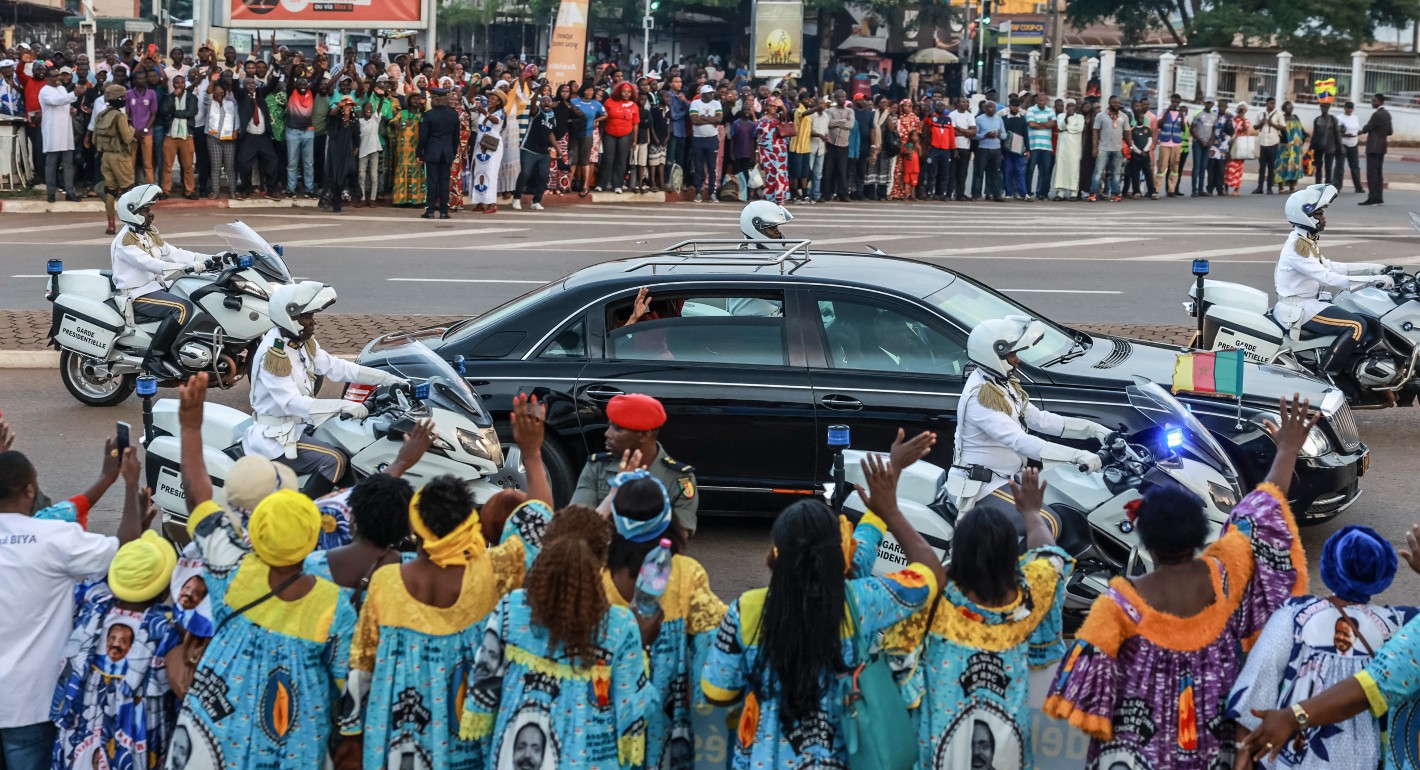
The ninety-three-year-old Biya’s absence and refusal to name a vice president threaten to upend domestic and regional stability.
Lesley Anne Warner
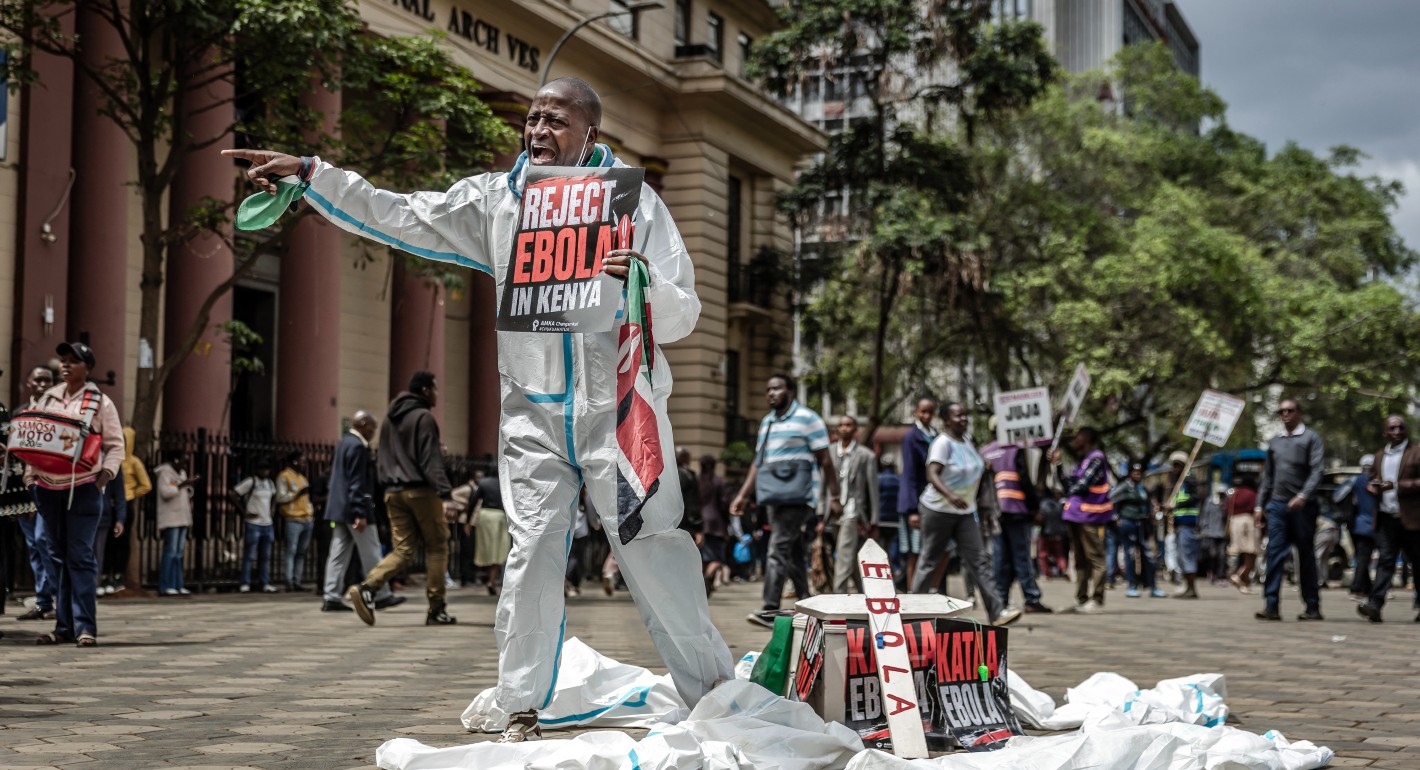
Washington’s transactional foreign policy is making it indistinguishable from Beijing’s, with consequential implications for African agency.
Jane Munga
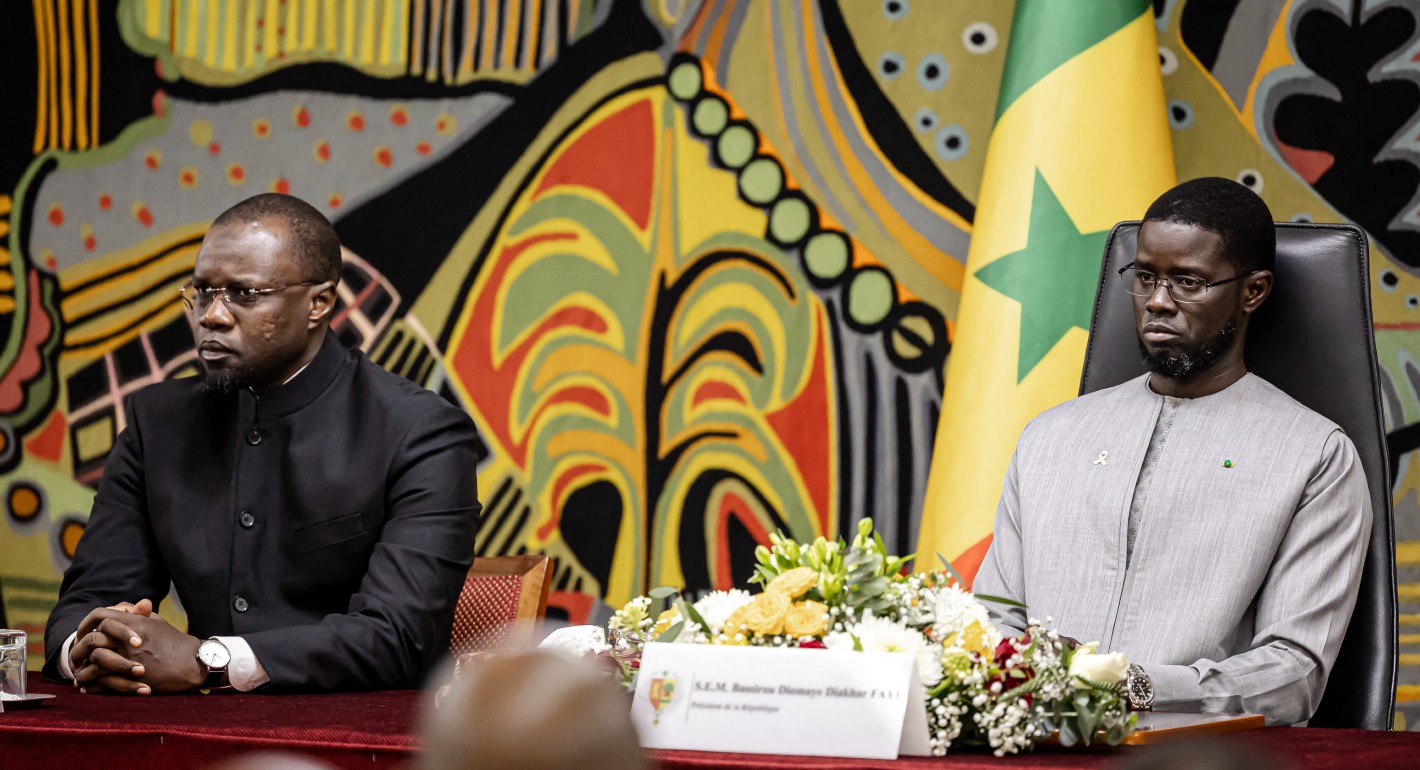
The impacts of the Faye-Sonko rupture could go well beyond the country’s borders.
Lesley Anne Warner
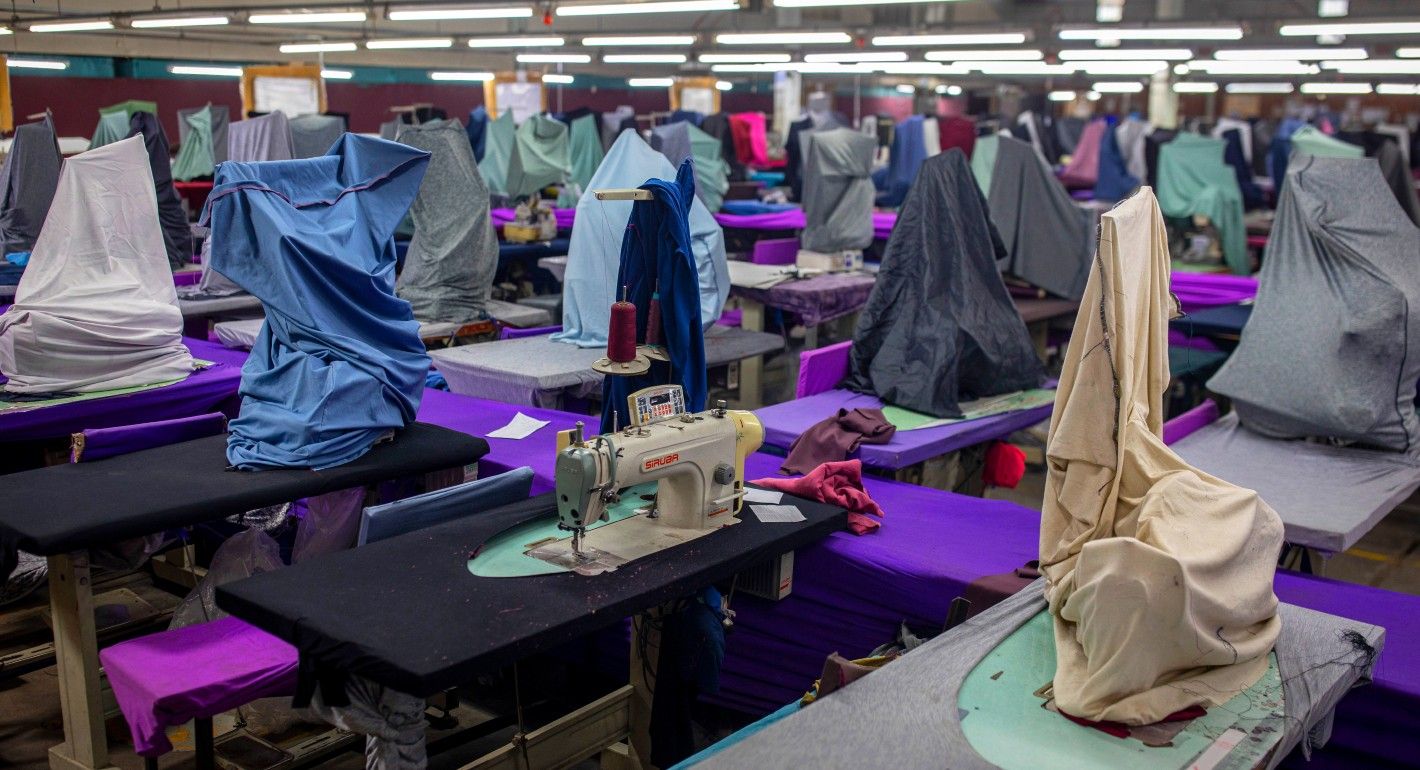
African countries need to adapt to a new era of U.S. trade relations.

Kholofelo Kugler, Georgia Schaefer-Brown