

Commentary
This will be the region’s most representative tournament, amid broad changes in its footballing landscape.
Issam Kayssi
{
  "authors": [
    "David Linfield",
    "E.J. Karmel"
  ],
  "type": "legacyinthemedia",
  "centerAffiliationAll": "dc",
  "centers": [
    "Carnegie Endowment for International Peace"
  ],
  "collections": [],
  "englishNewsletterAll": "menaTransitions",
  "nonEnglishNewsletterAll": "",
  "primaryCenter": "Carnegie Endowment for International Peace",
  "programAffiliation": "MEP",
  "programs": [
    "Middle East"
  ],
  "projects": [],
  "regions": [
    "Jordan"
  ],
  "topics": []
}
REQUIRED IMAGE
Since the 2016 introduction of a proportional open-list voting system to Jordan’s parliamentary elections, the Jordanian government has faced ongoing demands for reform. But the system is unconducive to democratic reform, given Jordan’s broader socio-political environment.
Former Visiting Scholar , Middle East Program
David Linfield was a visiting scholar in Carnegie’s Middle East Program, where he specializes in how socioeconomic inequality is reshaping political alliances and driving new pressure for change.
E.J. Karmel
Carnegie does not take institutional positions on public policy issues; the views represented herein are those of the author(s) and do not necessarily reflect the views of Carnegie, its staff, or its trustees.
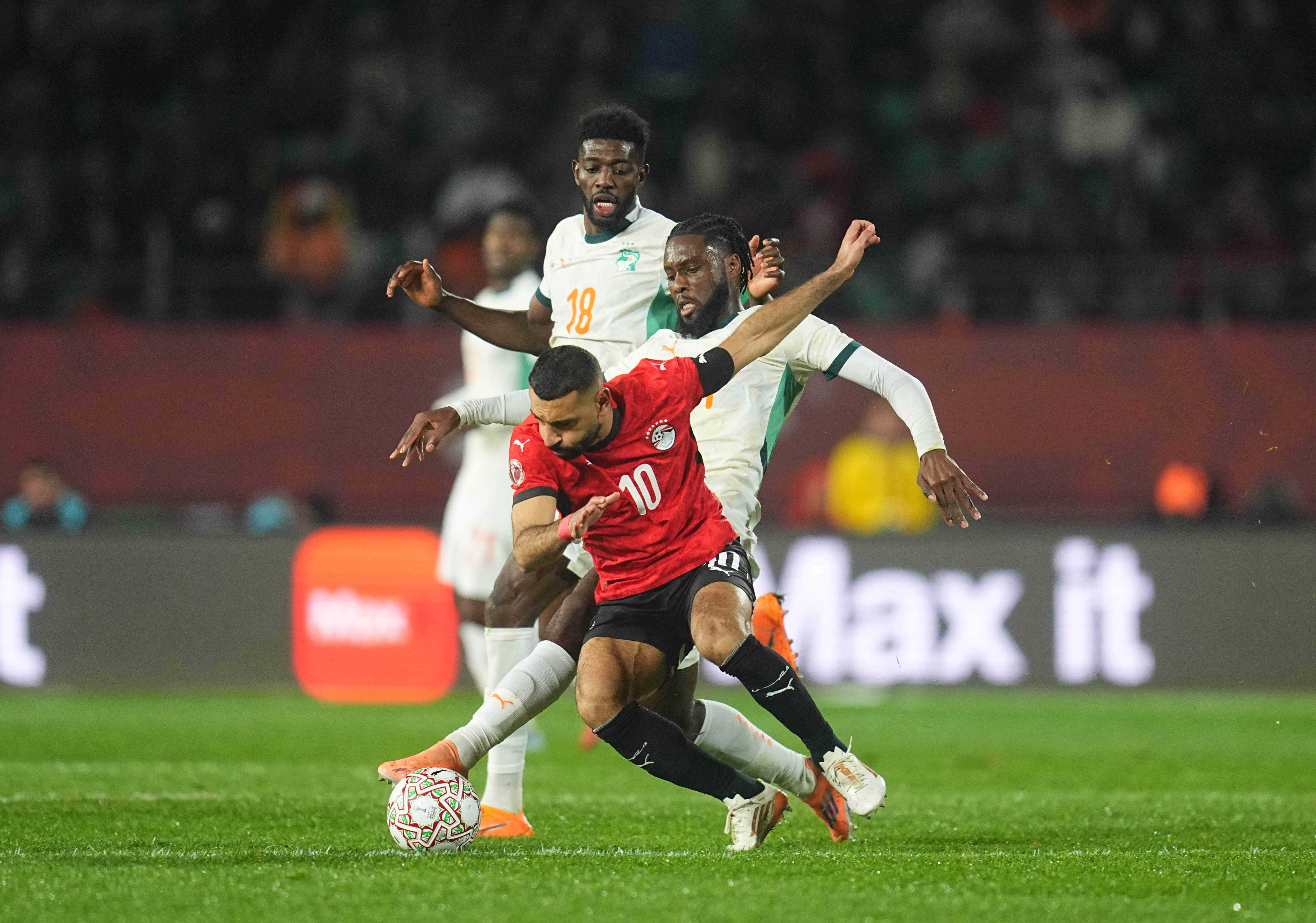
This will be the region’s most representative tournament, amid broad changes in its footballing landscape.

Issam Kayssi
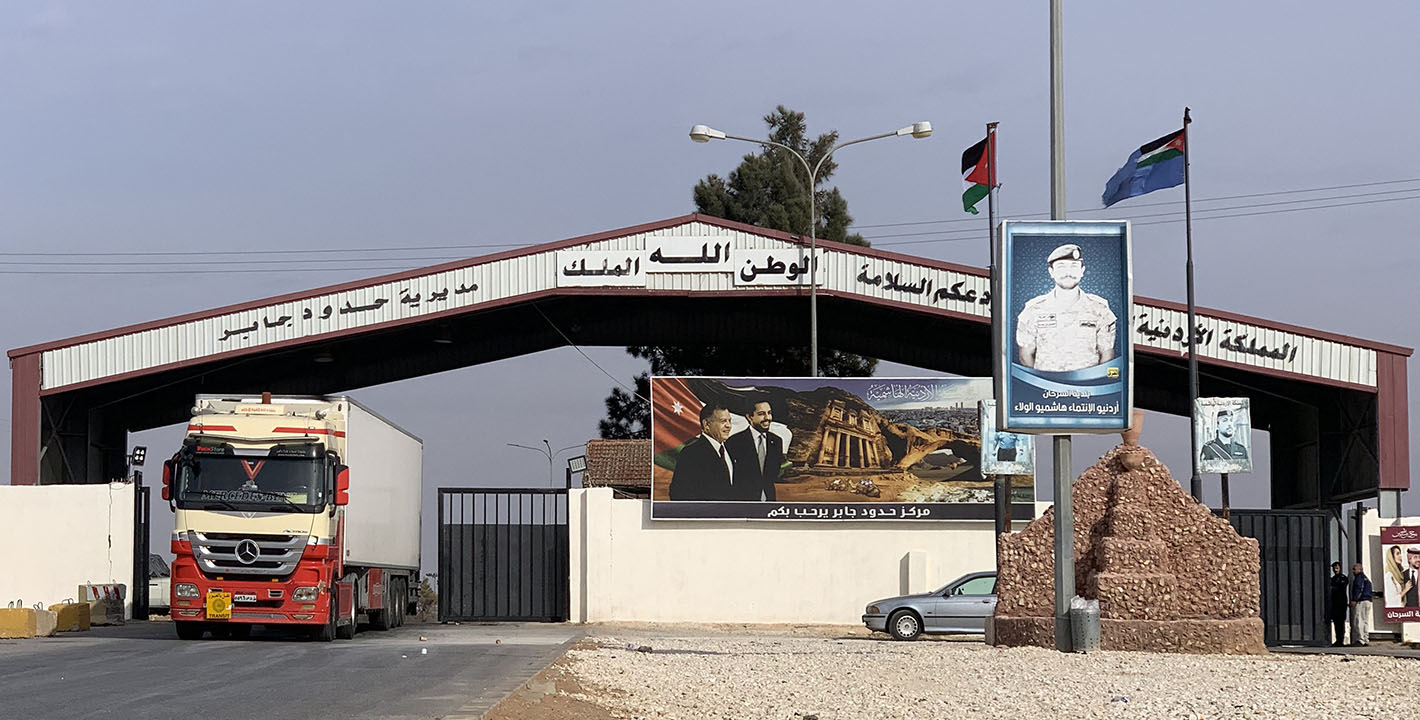
Trade statistics show why Amman has more reason than Damascus to welcome the improvement in bilateral commerce.

Armenak Tokmajyan
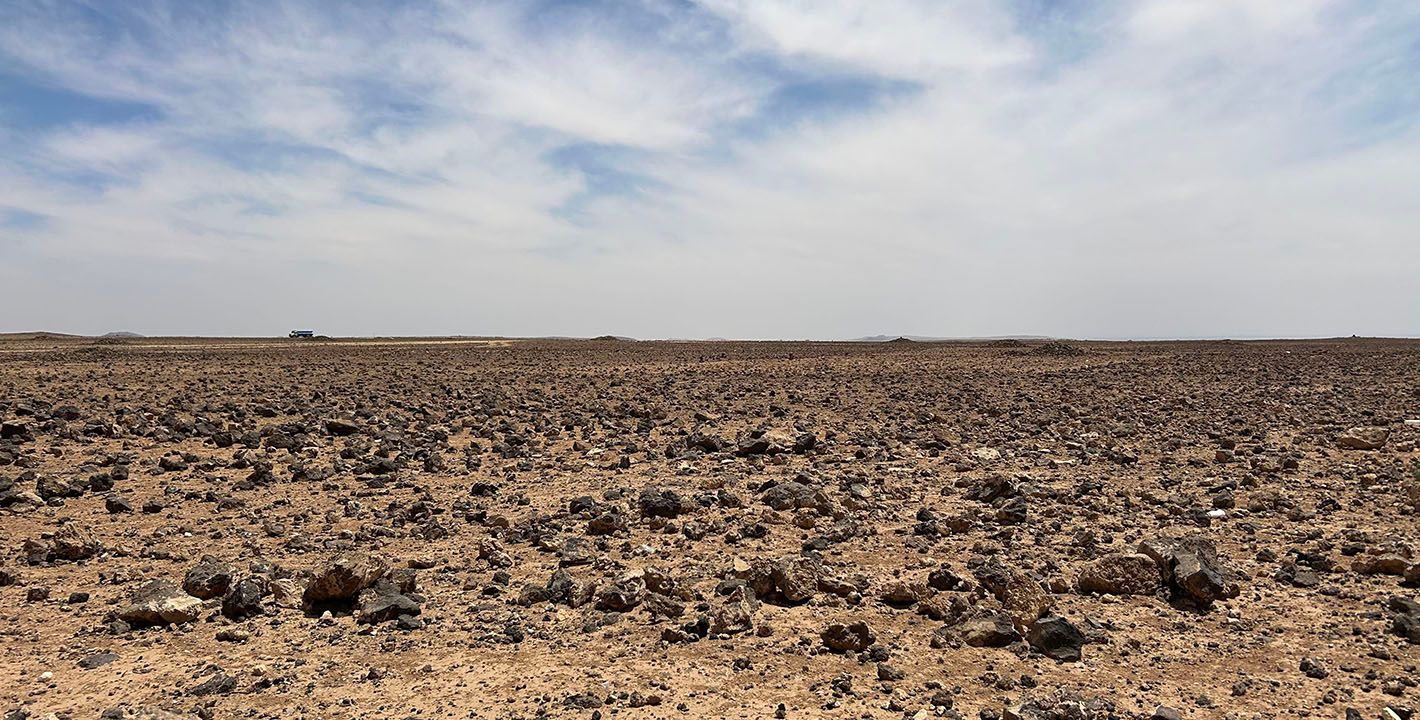
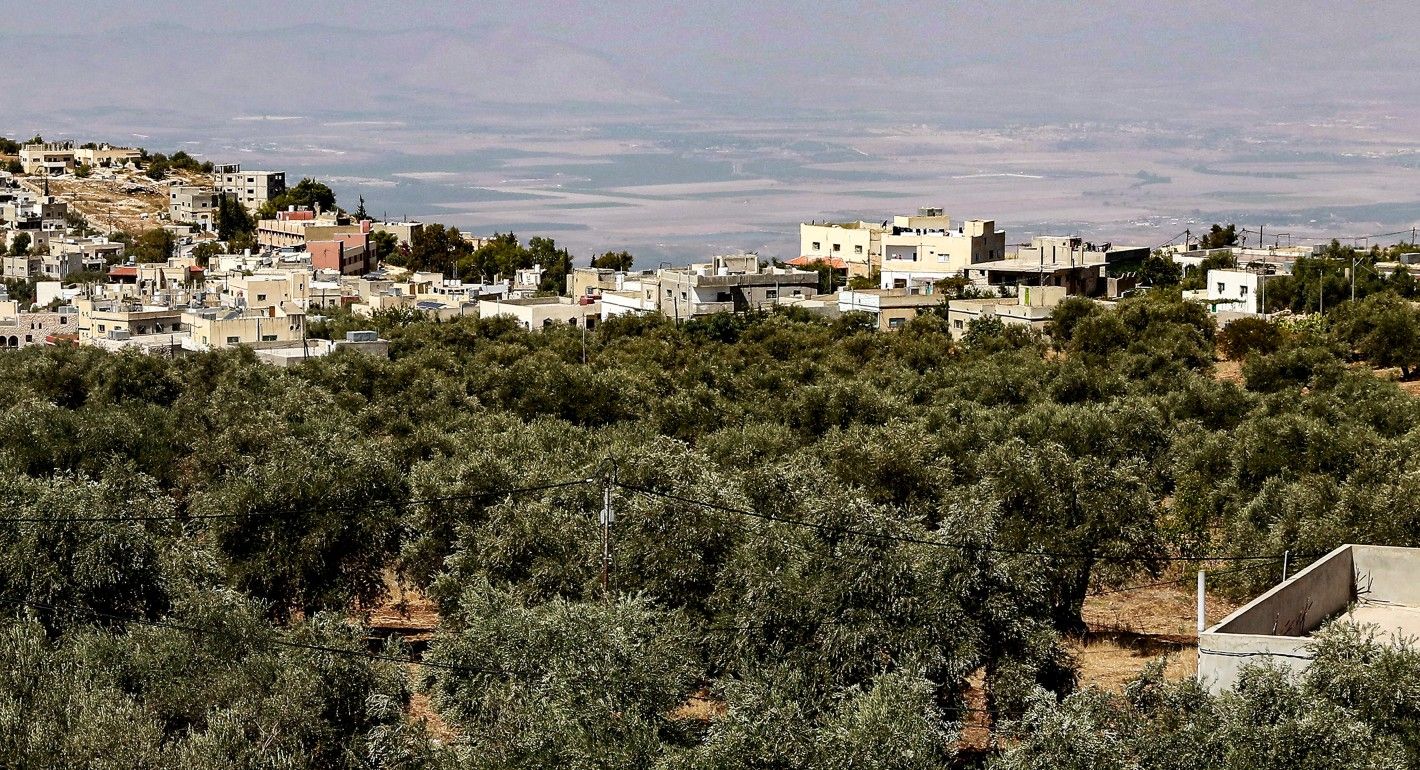
For settled descendants of nomadic or seminomadic communities on Jordan’s periphery, the future looks uncertain as government employment is declining, natural resources are dwindling, temperatures are rising, and traditional cross-border ties are restricted.
Armenak Tokmajyan, Laith Qerbaa
How urban and rural communities in Egypt, Morocco, and Jordan respond differently to climate change impacts and state attempts to reverse them.
Amir Gohar
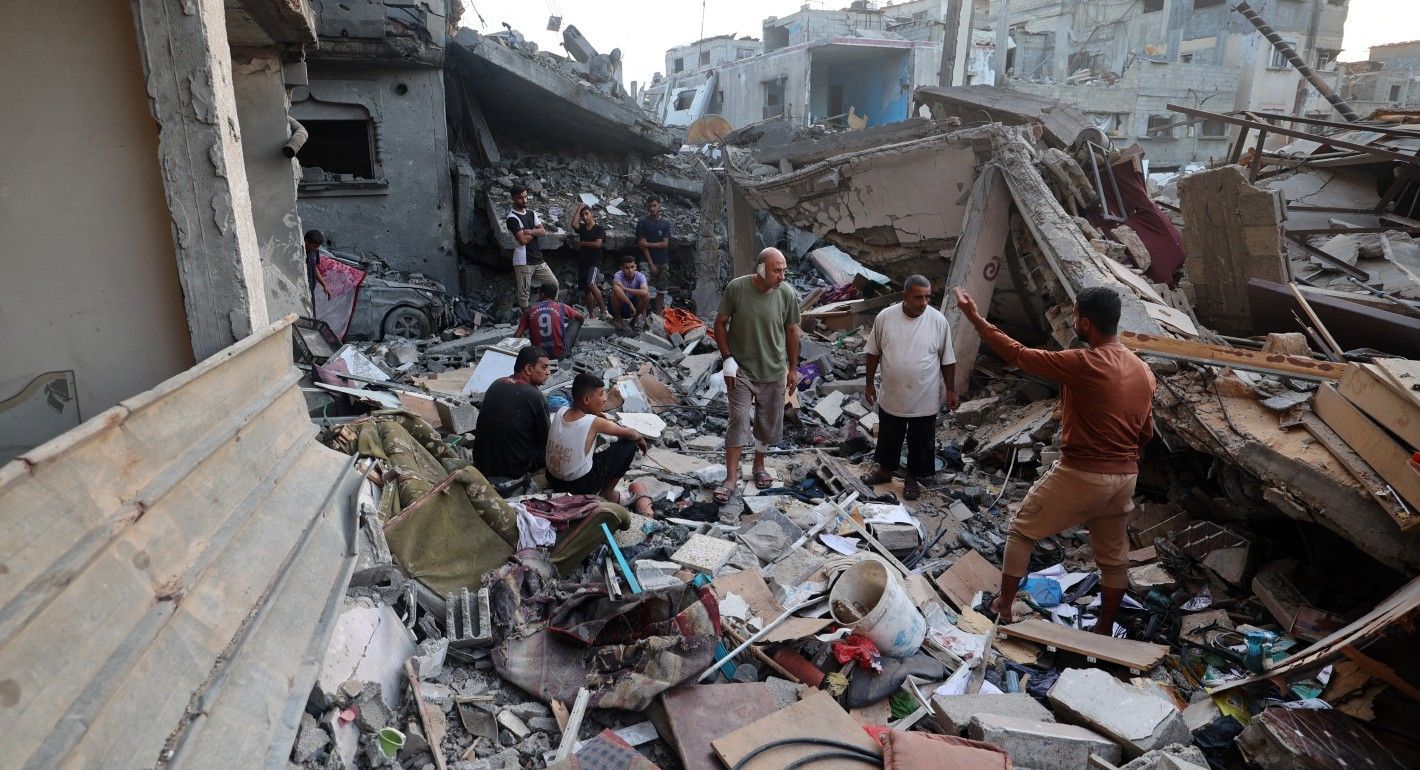
The obstacles to implementation will be numerous and substantial.

Amr Hamzawy