• Research
  • Emissary
  • About
  • Experts
Carnegie Global logoCarnegie lettermark logo
DemocracyIran
  • Donate
{
  "authors": [
    "Anna Ohanyan"
  ],
  "type": "legacyinthemedia",
  "centerAffiliationAll": "dc",
  "centers": [
    "Carnegie Endowment for International Peace"
  ],
  "collections": [],
  "englishNewsletterAll": "ctw",
  "nonEnglishNewsletterAll": "",
  "primaryCenter": "Carnegie Endowment for International Peace",
  "programAffiliation": "russia",
  "programs": [
    "Russia and Eurasia"
  ],
  "projects": [],
  "regions": [],
  "topics": [
    "Democracy"
  ]
}
REQUIRED IMAGE

REQUIRED IMAGE

In The Media

Regional Fracture and Its Intractability in World Politics: The Case of the Late Ottoman Empire

Scholars have long grappled with the puzzle as to why some regions become peaceful and resilient while others crumble into perpetual insecurity. Much of the scholarship that they produced viewed regional formations as extensions of the state system.
Link Copied
By Anna Ohanyan
Published on Sep 21, 2021
Program mobile hero image

Program

Russia and Eurasia

The Russia and Eurasia Program continues Carnegie’s long tradition of independent research on major political, societal, and security trends in and U.S. policy toward a region that has been upended by Russia’s war against Ukraine.  Leaders regularly turn to our work for clear-eyed, relevant analyses on the region to inform their policy decisions.

Learn More

Nationalities Papers

About the Author

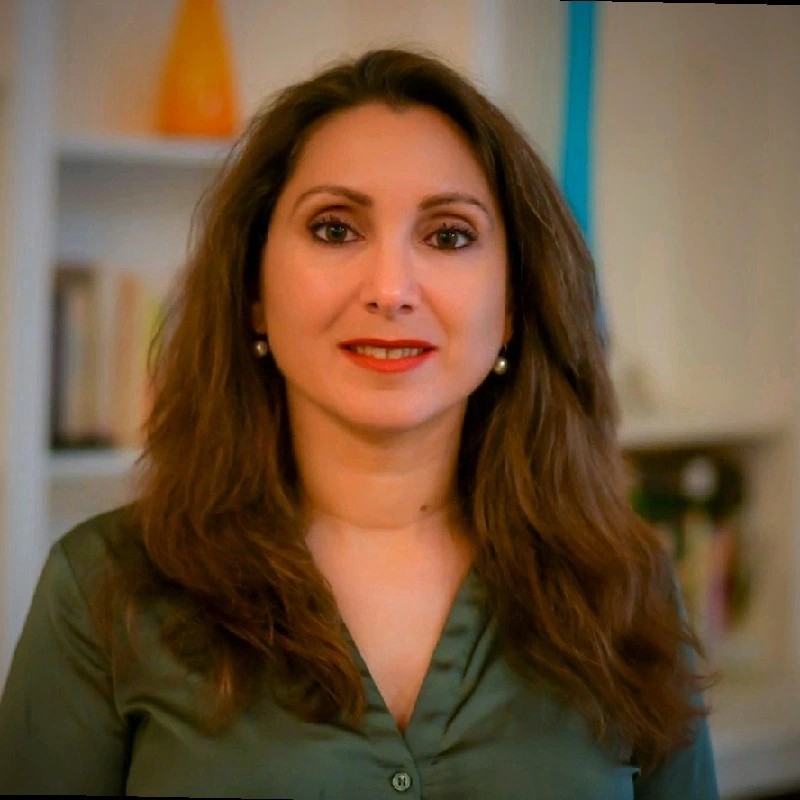
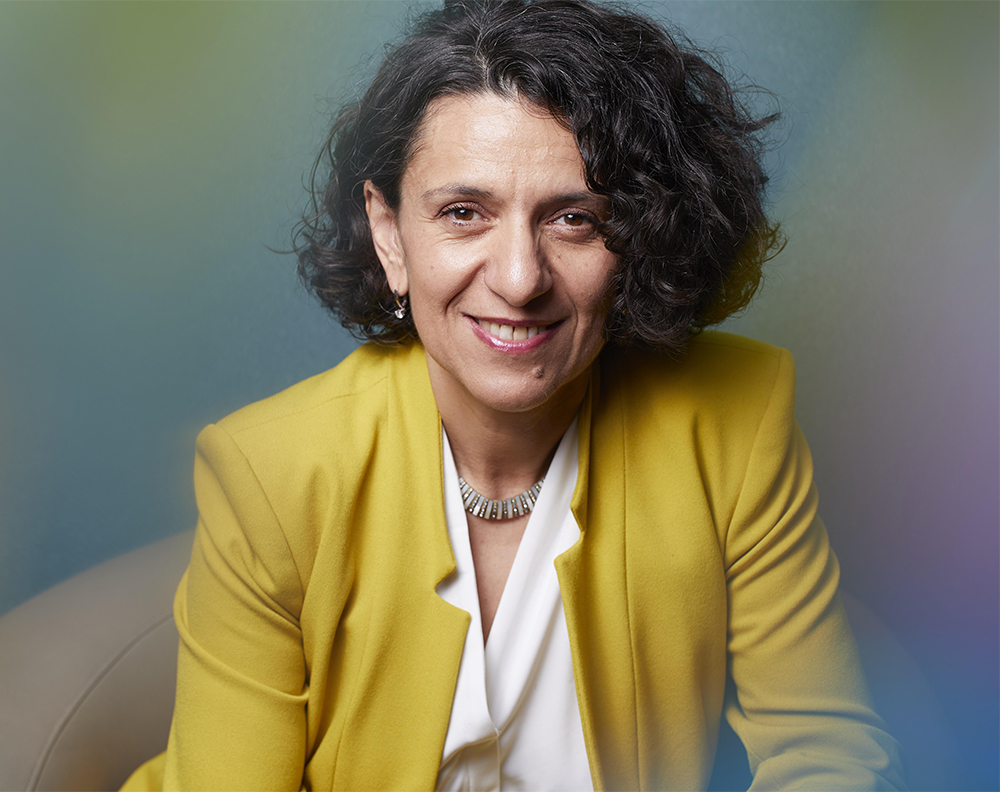
Anna Ohanyan

Nonresident Senior Scholar, Russia and Eurasia Program

Anna Ohanyan is a nonresident senior scholar in the Carnegie Russia and Eurasia Program.

    Recent Work

  • Article
    Can Turkey Cut the Gordian Knot in the Caucasus?

      Anna Ohanyan

  • Commentary
    Is Armenia’s Move to Join the ICC a Strategic Necessity or Geopolitical Suicide?

      Anna Ohanyan

Anna Ohanyan
Nonresident Senior Scholar, Russia and Eurasia Program
Anna Ohanyan
Democracy

Carnegie does not take institutional positions on public policy issues; the views represented herein are those of the author(s) and do not necessarily reflect the views of Carnegie, its staff, or its trustees.
More Work from Carnegie Endowment for International Peace

  • two men sitting next to each other
    Commentary
    Emissary
    Senegal’s Debt Crisis Has Moved Its Leaders from Partners to Rivals

    The impacts of the Faye-Sonko rupture could go well beyond the country’s borders.

      • Dr. Lesley Anne Warner

      Lesley Anne Warner

  • Participants in the 4th Meeting 'In Defense of Democracy' | Pool Moncloa/Fernando Calvo
    Paper
    Post-U.S. International Democracy Support: Aspiration in Search of Substance

    The reinvention of democracy support needs to be carried forward without the clear leadership of one dominant player.

      Richard Youngs, Thomas Carothers

  • Viktor Orban, Prime Minister of Hungary, speaks during a campaign rally of the governing Fidesz Party in Pecel, Hungary, on March 28. The rally is part of the Prime Minister's nationwide campaign trail before the Hungarian General Election scheduled for April 12.
    Paper
    Orbán, Fidesz, and Hungary’s Populist Foreign Policy

    Hungary under Viktor Orbán deployed right-wing populism as a foreign policy strategy, embedding the country in a web of illiberal transnational networks whose legacy will endure even after his April 2026 electoral defeat.

      Zsuzsanna Végh

  • Commentary
    Strategic Europe
    Taking the Pulse: Are Western Democracies Failing Free Speech?

    The battle over free speech has taken center stage since U.S. Vice President JD Vance accused Europe of censorship. From travel bans to social media regulation, especially around the Israel-Palestine conflict, are liberal democratic governments weaponizing free speech?

      • Rym Momtaz

      Rym Momtaz, ed.

  • Capitol Police and MPD used physical force and tear gas to force the Trump supporters further away from the U.S Capitol, on January 06, 2021 in Washington, DC.
    Commentary
    Political Violence in the U.S.

    What is political violence and what works to reduce it.

      Political Violence Researchers, Rachel Kleinfeld, ed., Dalya Berkowitz, ed.

Get more news and analysis from
Carnegie Endowment for International Peace
Carnegie global logo, stacked
1779 Massachusetts Avenue NWWashington, DC, 20036-2103Phone: 202 483 7600
  • Research
  • Emissary
  • About
  • Experts
  • Donate
  • Programs
  • Events
  • Blogs
  • Podcasts
  • Contact
  • Annual Reports
  • Careers
  • Privacy
  • For Media
  • Government Resources
Get more news and analysis from
Carnegie Endowment for International Peace
© 2026 Carnegie Endowment for International Peace. All rights reserved.