

Paper
Christopher S. Chivvis, Rohan Mukherjee, Milan Vaishnav
{
  "authors": [
    "Milan Vaishnav"
  ],
  "type": "legacyinthemedia",
  "centerAffiliationAll": "dc",
  "centers": [
    "Carnegie Endowment for International Peace"
  ],
  "collections": [],
  "englishNewsletterAll": "ctw",
  "nonEnglishNewsletterAll": "",
  "primaryCenter": "Carnegie Endowment for International Peace",
  "programAffiliation": "SAP",
  "programs": [
    "South Asia"
  ],
  "projects": [],
  "regions": [
    "South Asia",
    "India"
  ],
  "topics": [
    "Democracy"
  ]
}
REQUIRED IMAGE
Urbanisation in India is reshaping established social and economic patterns of behaviour, in ways that scholars are yet to fully comprehend.

Director and Senior Fellow, South Asia Program
Milan Vaishnav is a senior fellow and director of the South Asia Program and the host of the Grand Tamasha podcast at the Carnegie Endowment for International Peace. His primary research focus is the political economy of India, and he examines issues such as corruption and governance, state capacity, federalism, and electoral behavior. He also conducts research on the Indian diaspora.
Recent Work
Christopher S. Chivvis, Rohan Mukherjee, Milan Vaishnav


Sophia Besch, Eric Ciaramella, Steve Feldstein, …
Carnegie does not take institutional positions on public policy issues; the views represented herein are those of the author(s) and do not necessarily reflect the views of Carnegie, its staff, or its trustees.
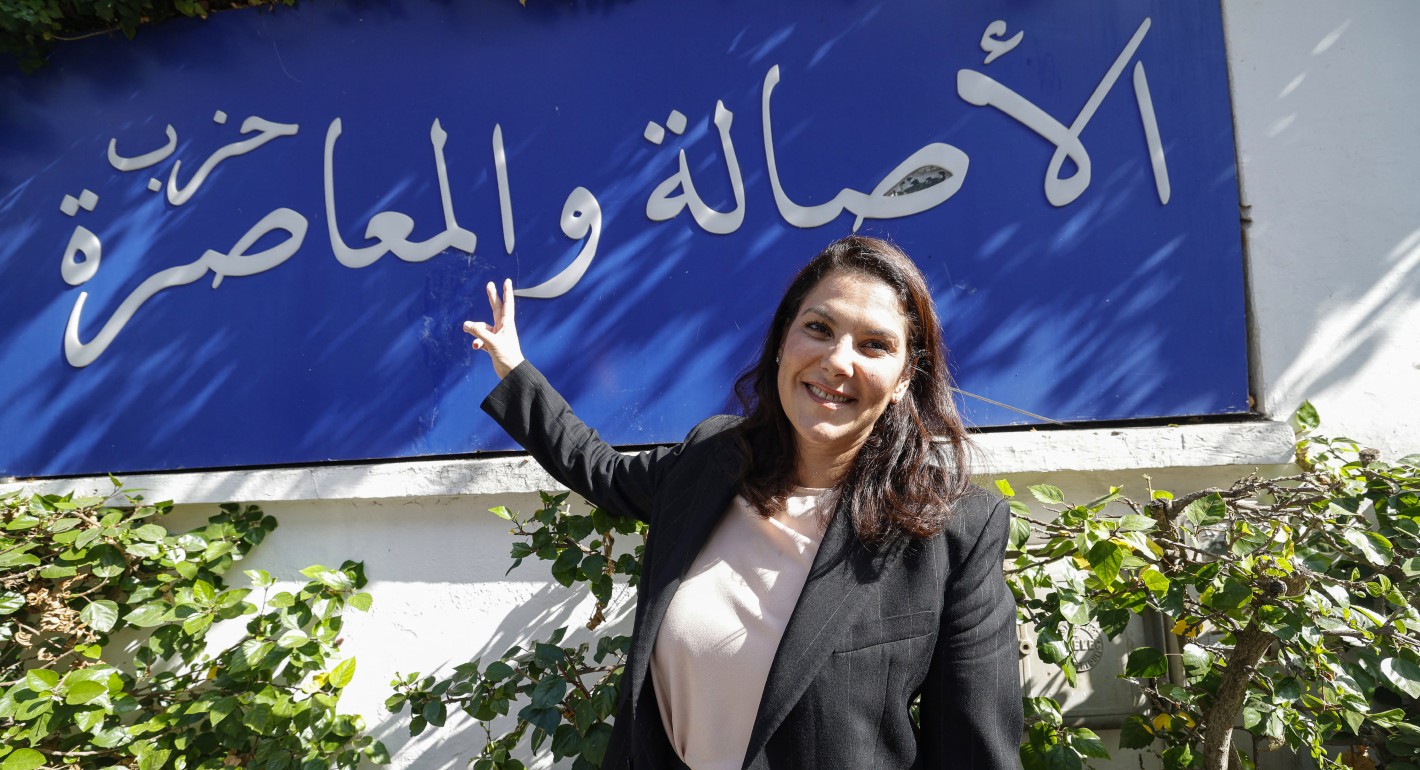
Fatima El Mansouri is the country’s first female prime minister. She’s also a privileged insider in a largely ceremonial position.

Sarah Yerkes

The domestic impacts of how long it is taking to end the war in Ukraine have pushed the French electorate to the political extremes and compromised the country’s diplomatic capacity.

Rym Momtaz

A deep dive into the policy ecosystems behind battery development in China, South Korea, Japan, the European Union (including some of its member states), the United States, Canada, and India.


Milo McBride, Herbert Crowther, Darcie Draudt-Véjares, …

Before the next wave of EU enlargement takes place, the union needs to grapple with thorny questions of how power is distributed among its members.


Emil Sondaj Hansen, Ditte Brasso Sørensen
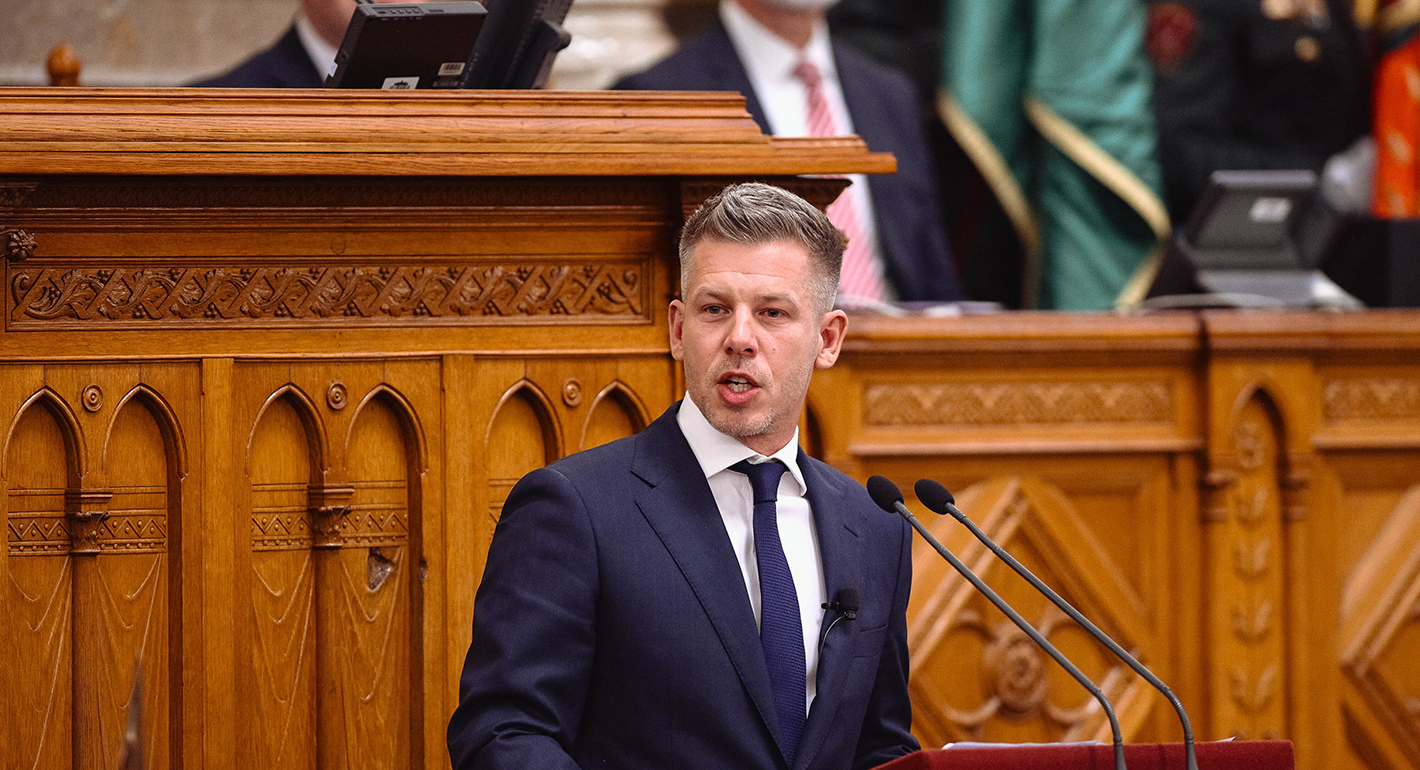
Despite myriad challenges and occasional stumbles, the new Hungarian government is moving ahead with energy and conviction to uproot years of illiberalism and corruption and rebuild Hungarian democracy.

Thomas Carothers