

Paper
Murat Somer, Jennifer McCoy
{
  "authors": [
    "Jennifer McCoy"
  ],
  "type": "legacyinthemedia",
  "centerAffiliationAll": "dc",
  "centers": [
    "Carnegie Endowment for International Peace"
  ],
  "collections": [
    "U.S. Democracy in Comparative Perspective"
  ],
  "englishNewsletterAll": "democracy",
  "nonEnglishNewsletterAll": "",
  "primaryCenter": "Carnegie Endowment for International Peace",
  "programAffiliation": "DCG",
  "programs": [
    "Democracy, Conflict, and Governance"
  ],
  "projects": [],
  "regions": [
    "United States"
  ],
  "topics": [
    "Democracy"
  ]
}
REQUIRED IMAGE
As communication and contact breaks down, party leaders start to refuse to compromise with the other party, and voters begin to see the other party as an existential threat to their way of life or the nation, reflecting the messages they hear from party leaders.

Nonresident Scholar, Democracy, Conflict, and Governance Program
Jennifer McCoy is a nonresident scholar in the Democracy, Conflict, and Governance Program, where she focuses on political polarization and democratic resilience in the U.S. and around the world.
Recent Work

Murat Somer, Jennifer McCoy
Jennifer McCoy
Carnegie does not take institutional positions on public policy issues; the views represented herein are those of the author(s) and do not necessarily reflect the views of Carnegie, its staff, or its trustees.

It should address the shortcomings of previous crisis communication efforts and adapt to the demands of frontier AI.

Lucy Luo
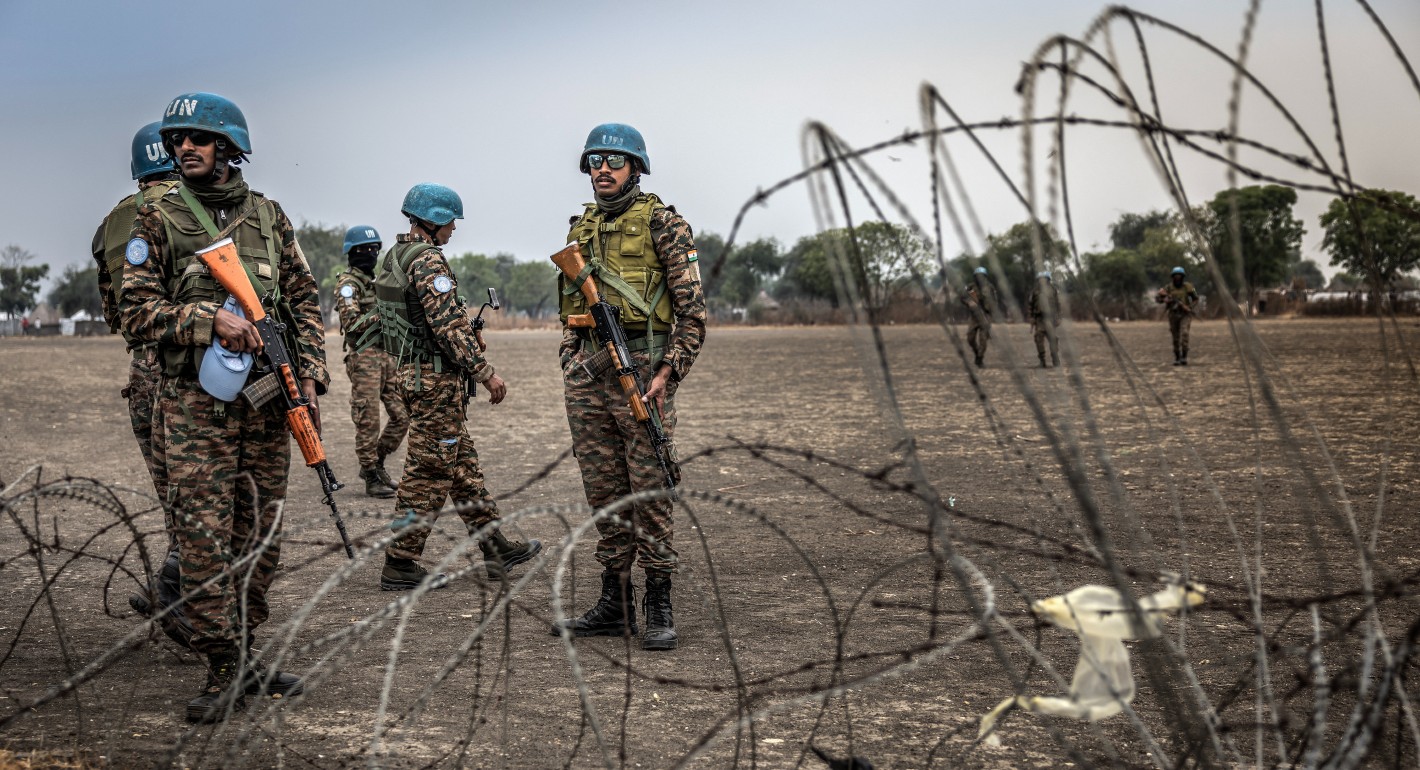
Washington’s decision to support some UN functions while letting others wither is pulling the organization apart at the seams.

Stewart Patrick, Theodore Zaritsky

While there are notable demographic, economic, and geographic divides over AI, there is also substantial alignment between Republicans and Democrats.



Ian Klaus, Mark Baldassare, Rachel George, …
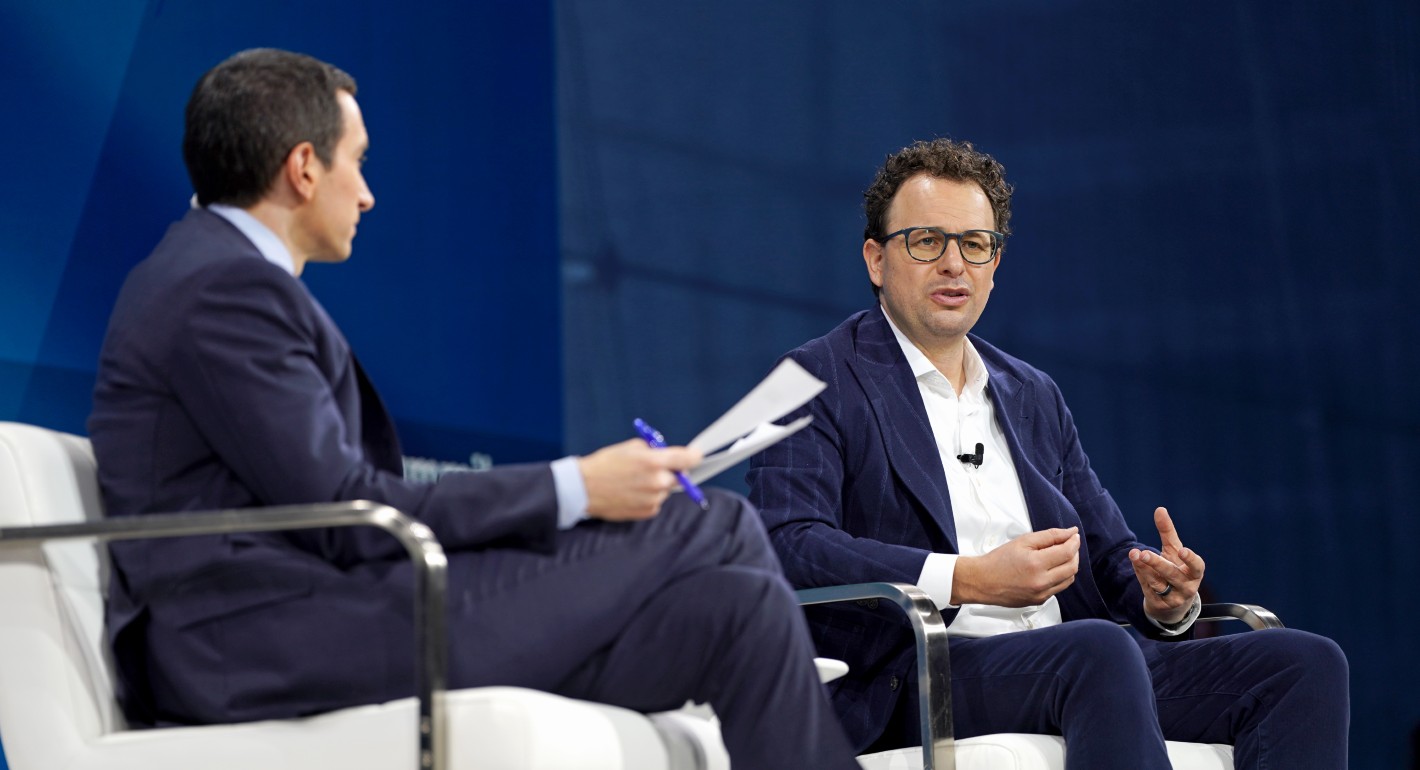
AI capabilities are moving fast. Most institutions—including governments—can’t keep up.


Anton Leicht, Scott Singer

The Bureau of Industry and Security needs to adjust its focus and practices to maintain its position as the U.S. government’s primary champion of international technological competition.

Geoffrey Irving