

Article
Rupert Barrett-Taylor, Gavin Wilde
{
  "authors": [
    "Gavin Wilde"
  ],
  "type": "legacyinthemedia",
  "centerAffiliationAll": "dc",
  "centers": [
    "Carnegie Endowment for International Peace"
  ],
  "collections": [],
  "englishNewsletterAll": "ctw",
  "nonEnglishNewsletterAll": "",
  "primaryCenter": "Carnegie Endowment for International Peace",
  "programAffiliation": "TIA",
  "programs": [
    "Technology and International Affairs"
  ],
  "projects": [],
  "regions": [
    "Russia",
    "Iran"
  ],
  "topics": [
    "Foreign Policy",
    "Technology"
  ]
}
REQUIRED IMAGE
Blaming Russian propaganda for the southern hemisphere’s relative ambivalence toward the war is colonialism by any other name. Ironically, such misplaced focus risks reinforcing the very ambivalence it aims to counter.

Former Nonresident Fellow, Technology and International Affairs
Gavin Wilde was a nonresident fellow in the Technology and International Affairs Program at the Carnegie Endowment for International Peace. He applies his expertise on Russia and information warfare to examine the strategic challenges posed by cyber and information operations, propaganda, and emerging technologies.
Recent Work
Rupert Barrett-Taylor, Gavin Wilde
Gavin Wilde
Carnegie does not take institutional positions on public policy issues; the views represented herein are those of the author(s) and do not necessarily reflect the views of Carnegie, its staff, or its trustees.

Monitoring is essential so that policymakers and the public can understand—and have a say in—how AI systems affect politics.


Danaé Metaxa , Alex Engler

Chinese biotech companies have been on the receiving end of U.S. economic coercion. Yet their responses have differed significantly because firm and state interests are not uniformly aligned. For Washington, treating all Chinese tech firms the same, irrespective of their actual interests, risks pushing them farther into Beijing’s corner.

Xue Gong

In the discussions made possible by the State Duma election campaign, one question is being asked more and more loudly. “What next?”

Andrey Pertsev
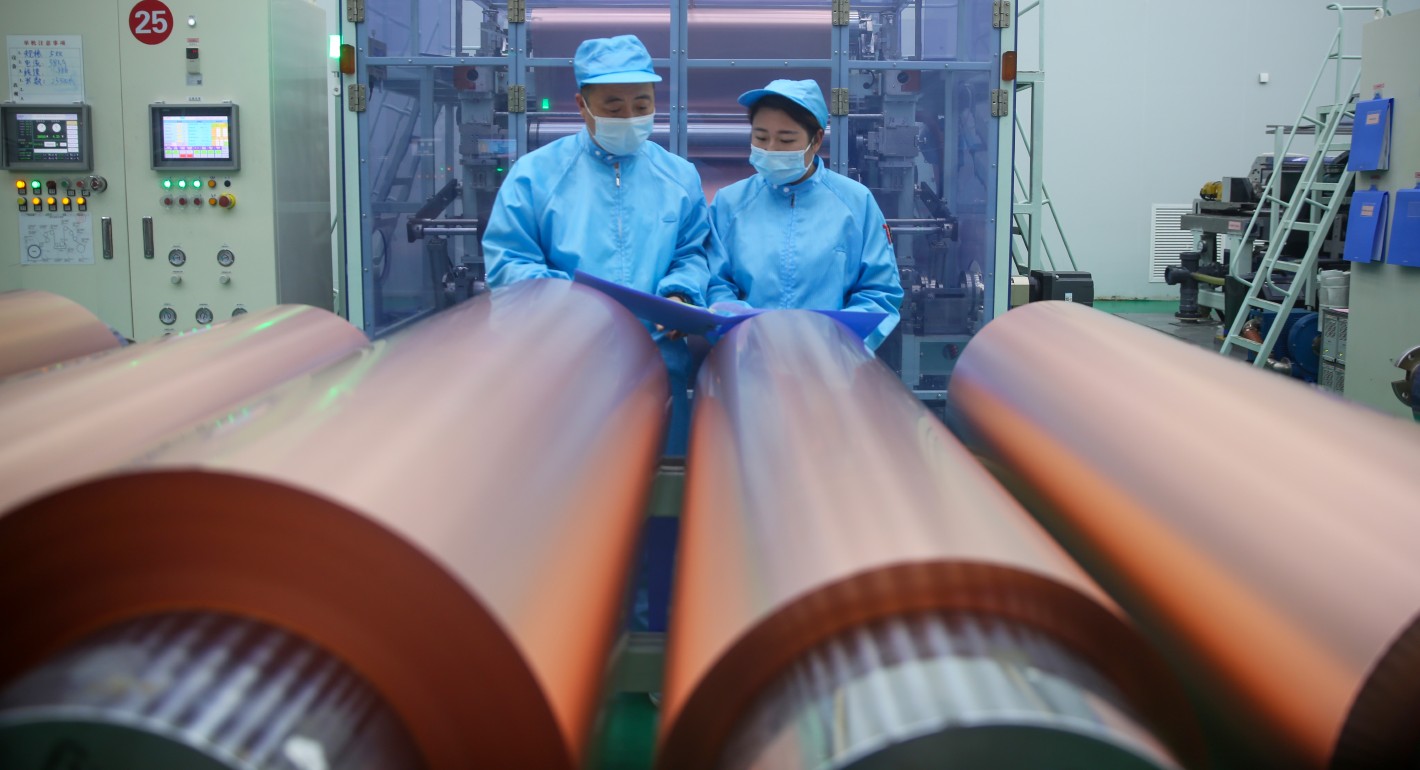
Over the past decade, China has moved from marginal player to major producer of all things batteries. The United States, Europe, and others are aiming to balance the market.

Milo McBride

While the Nazis rushed ahead in a revolutionary fervor, Russia’s modern crusaders against enemies of the state work methodically, giving their targets time to adjust to restrictions before closing the loopholes.

Leonid Bershidsky