

Commentary
A trilateral summit in China was advertised as the new Yalta but yielded little more than a photo opportunity for Vladimir Putin. The real work was being done by the Europeans, quietly, in rural Poland.
Rym Momtaz
{
  "authors": [
    "Mariano-Florentino (Tino) Cuéllar",
    "Benjamin Larsen",
    "Yong Suk Lee",
    "Michael Webb"
  ],
  "type": "other",
  "centerAffiliationAll": "dc",
  "centers": [
    "Carnegie Endowment for International Peace"
  ],
  "collections": [
    "Artificial Intelligence"
  ],
  "englishNewsletterAll": "ctw",
  "nonEnglishNewsletterAll": "",
  "primaryCenter": "Carnegie Endowment for International Peace",
  "programAffiliation": "TIA",
  "programs": [
    "Technology and International Affairs"
  ],
  "projects": [],
  "regions": [
    "North America",
    "United States",
    "Iran"
  ],
  "topics": [
    "Technology"
  ]
}
REQUIRED IMAGE
AI regulation is emerging rapidly and is likely to materialize more substantively across several directions simultaneously. It remains little known, however, how regulation will affect managerial preferences and the likely rate of AI adoption and innovation across different firms and industries.
Former Carnegie President (2021-2026)
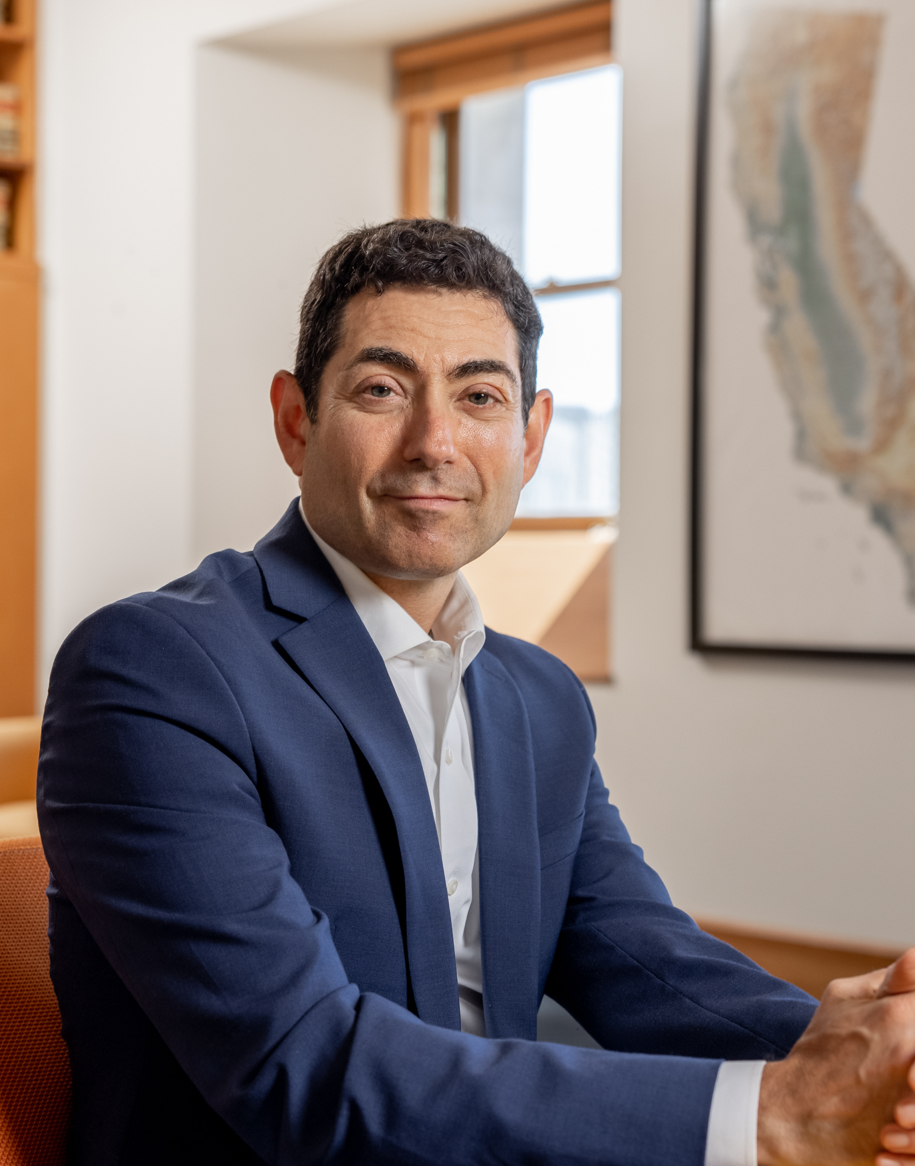
Mariano-Florentino (Tino) Cuéllar was previously the tenth president of the Carnegie Endowment for International Peace. A former justice of the Supreme Court of California, he has served three U.S. presidential administrations at the White House and in federal agencies, and was the Stanley Morrison Professor at Stanford University, where he held appointments in law, political science, and international affairs and led the university’s Freeman Spogli Institute for International Studies.
Benjamin Larsen
Yong Suk Lee
Michael Webb
Carnegie does not take institutional positions on public policy issues; the views represented herein are those of the author(s) and do not necessarily reflect the views of Carnegie, its staff, or its trustees.
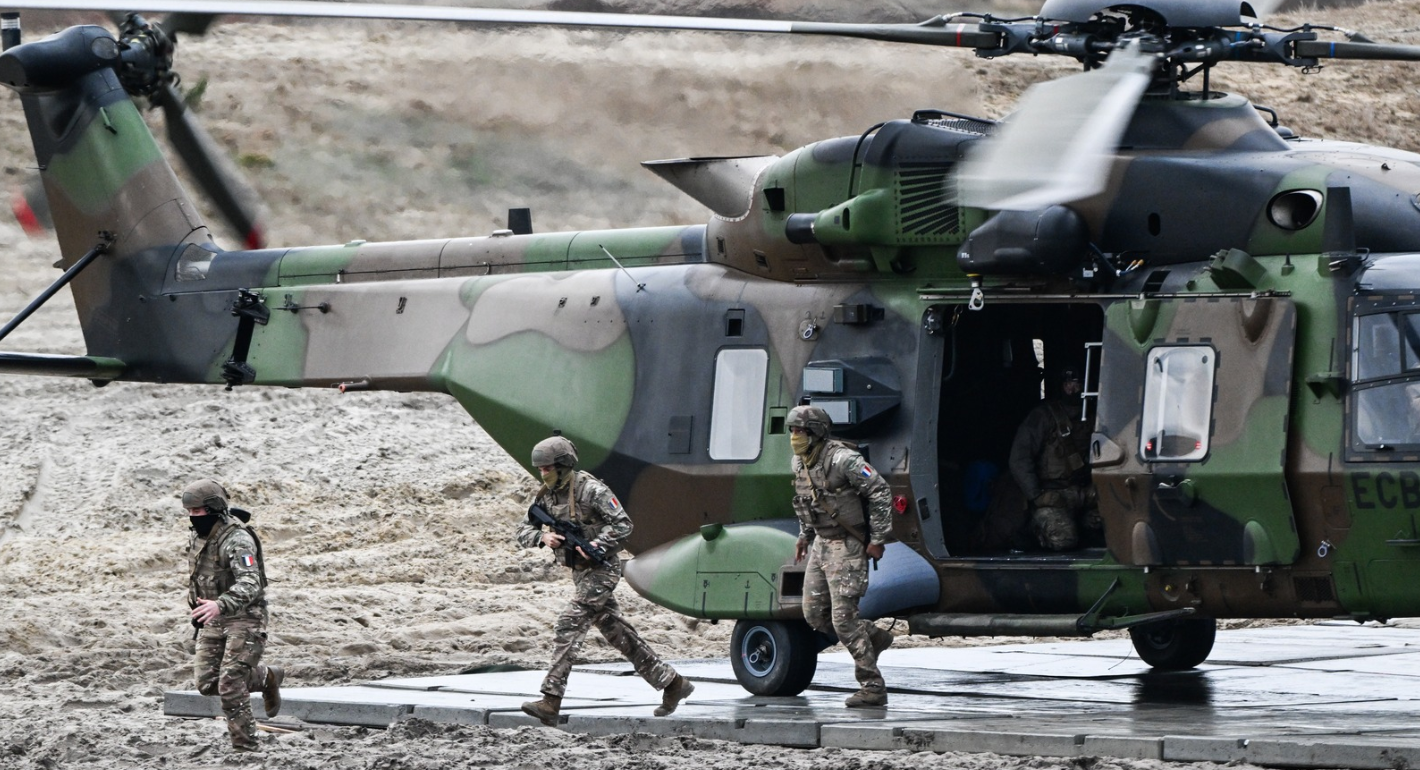
A trilateral summit in China was advertised as the new Yalta but yielded little more than a photo opportunity for Vladimir Putin. The real work was being done by the Europeans, quietly, in rural Poland.

Rym Momtaz

Recent interest in understanding competitive cyber statecraft has been motivated by the recognition that various states are pursuing both diplomatic and operational lines of effort to achieve their respective national strategic objectives in and through cyberspace.
Joe Devanny, Arthur P.B. Laudrain
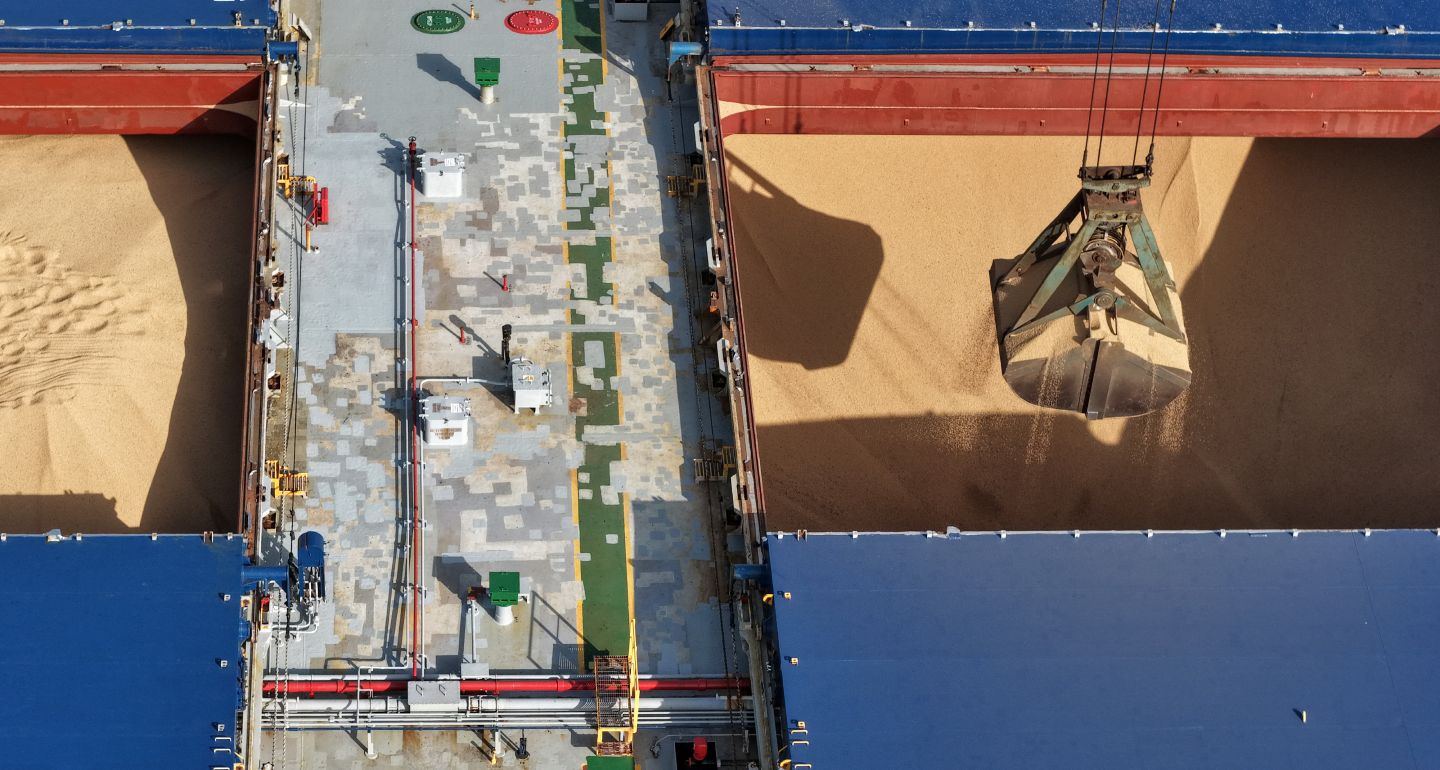
While the current surge in grain trading activity in the Caspian Sea is undeniably impressive, it is constrained by financial, infrastructure, geographic, military, and environmental factors.
Nikita Smagin

The Trump administration’s disruption attempts at the UN shipping agency are a test of multilateralism’s ability to defy the United States.
Theodore Zaritsky, Stewart Patrick
Russia’s maximalist demands are preventing any serious attempt at ending the war in Ukraine. To make peace a realistic prospect, Putin must recognize that diplomacy is a two-way street.
Kadri Liik