

Commentary
The Bureau of Industry and Security needs to adjust its focus and practices to maintain its position as the U.S. government’s primary champion of international technological competition.
Geoffrey Irving

Source: Carnegie
Nancy Birdsall and Augusto de la Torre with Rachel Menezes
Transcript of the event
The Washington Consensus , which focused on structural adjustment and growth, has dominated economic policy change for over a decade worldwide. But times have changed. A new consensus has emerged that assigns high priority to reducing poverty and improving equity. This report sets out economic policies—10 domestic and one international—that would transform this consensus into political reality in Latin America.
Washington Contentious: Economic Policies for Social Equity in Latin America spells out the findings of the Commission on Economic Reform in Unequal Latin American Societies sponsored by the Carnegie Endowment for International Peace and the Inter-American Dialogue
Former Senior Associate
Rachel Menezes
Carnegie does not take institutional positions on public policy issues; the views represented herein are those of the author(s) and do not necessarily reflect the views of Carnegie, its staff, or its trustees.

The Bureau of Industry and Security needs to adjust its focus and practices to maintain its position as the U.S. government’s primary champion of international technological competition.

Geoffrey Irving

U.S. trading partners in Asia are closely watching the dispute for signs of how it may affect their own interests.
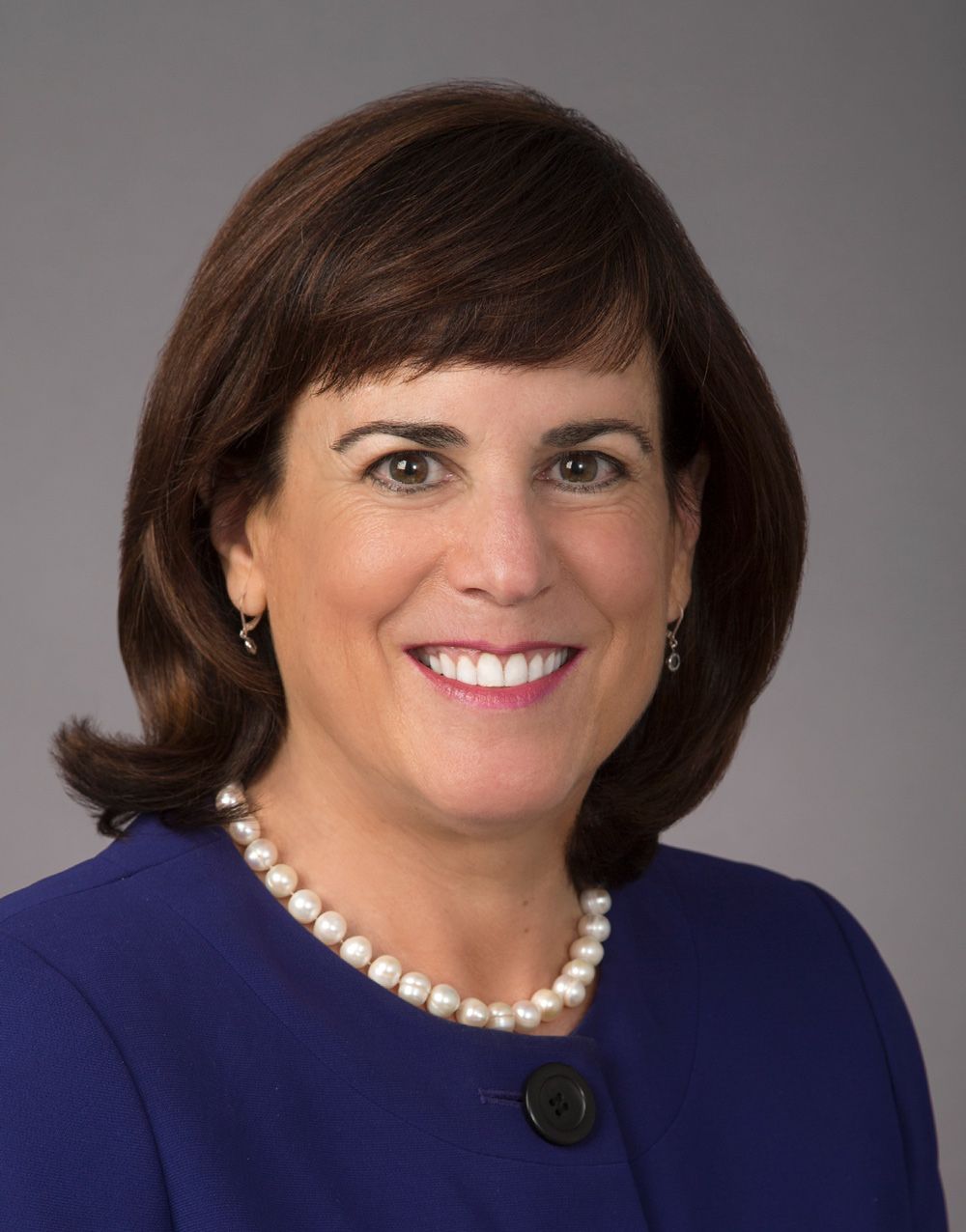
Barbara Weisel

Congress needs to step up and make EXIM a low-carbon financing powerhouse.

Jesse Young

Amid celebrations of bilateral ties was a deeper focus on stability in the Middle East.

Amr Hamzawy

Canadian Prime Minister Mark Carney has twice inspired praise for standing up to U.S. President Donald Trump: at the 2026 World Economic Forum in Davos and on Canada-U.S. trade negotiations. Is Carney showing a third way better than the EU has in dealing with the Trump administration?

Rym Momtaz, ed.