

Article
Economic recovery has brought Sri Lanka a modicum of stability, but domestic strains and great-power rivalry could test how long it lasts.
Avinash Paliwal

REQUIRED IMAGE
The United States and India have revived military-to-military ties for the first time since they were severed in the aftermath of India's nuclear tests in May 1998. For India, these ties reflect the country's growing global status, confirmed by President Bush in his State of the Union address, when he praised relations with India in the same breath as relations with Russia and China.
The United States and India have revived military-to-military ties for the first time since they were severed in the aftermath of India's nuclear tests in May 1998. For India, these ties reflect the country's growing global status, confirmed by President Bush in his State of the Union address, when he praised relations with India in the same breath as relations with Russia and China.
From the early days of the Bush administration, the Pentagon had indicated that it was keen to restart defense ties with India. The first stage of deepening defense ties began February 4 with a meeting of the Joint Army Steering Committee. This committee is headed by Major General James Campbell and by India's Director General of Military Operations, Lieutenant General S.S. Chahal. As Campbell expressed U.S. gratitude for India's "prompt and whole-hearted support" after September 11, Chahal looked forward to a "winning combination," given the U.S. technological superpower status and India's "exceptional experience" in combating terrorism.
On February 5 a Joint Naval Executive Steering Committee met, headed on the American side by the commander of the U.S. 7th fleet and on the Indian side by the deputy chief of Naval Staff. The Air Force joint meeting is scheduled for Hawaii between February 18-21.
Indian policy-makers are eagerly anticipating the "winning combination" of expanding Indo-U.S. ties, beginning with counter-terrorism and intelligence sharing. The high praise for Pakistan's President Mussharef notwithstanding, President Bush endeared himself to India in his State of the Union address when he referred to the Pakistan-based Jaish-e-Mohammed, responsible for a foiled terrorist attack on India's parliament, as part of the "terrorist underworld."
The president's next reference to India was even more welcome to New Delhi: "In this moment of opportunity, a common danger is easing old rivalries. America is working with Russia and China and India in ways we never have before to achieve peace and prosperity…." The Times of India editorialized that Bush's statement is "bound to be interpreted as a very significant victory for Indian diplomacy." New Delhi sees this as a signal that the United States now views India in the same league as Russia and China. These two countries have what India wants: status embodied by a permanent veto-holding seat in the UN Security Council - and accepted nuclear arsenals.
Carnegie does not take institutional positions on public policy issues; the views represented herein are those of the author(s) and do not necessarily reflect the views of Carnegie, its staff, or its trustees.
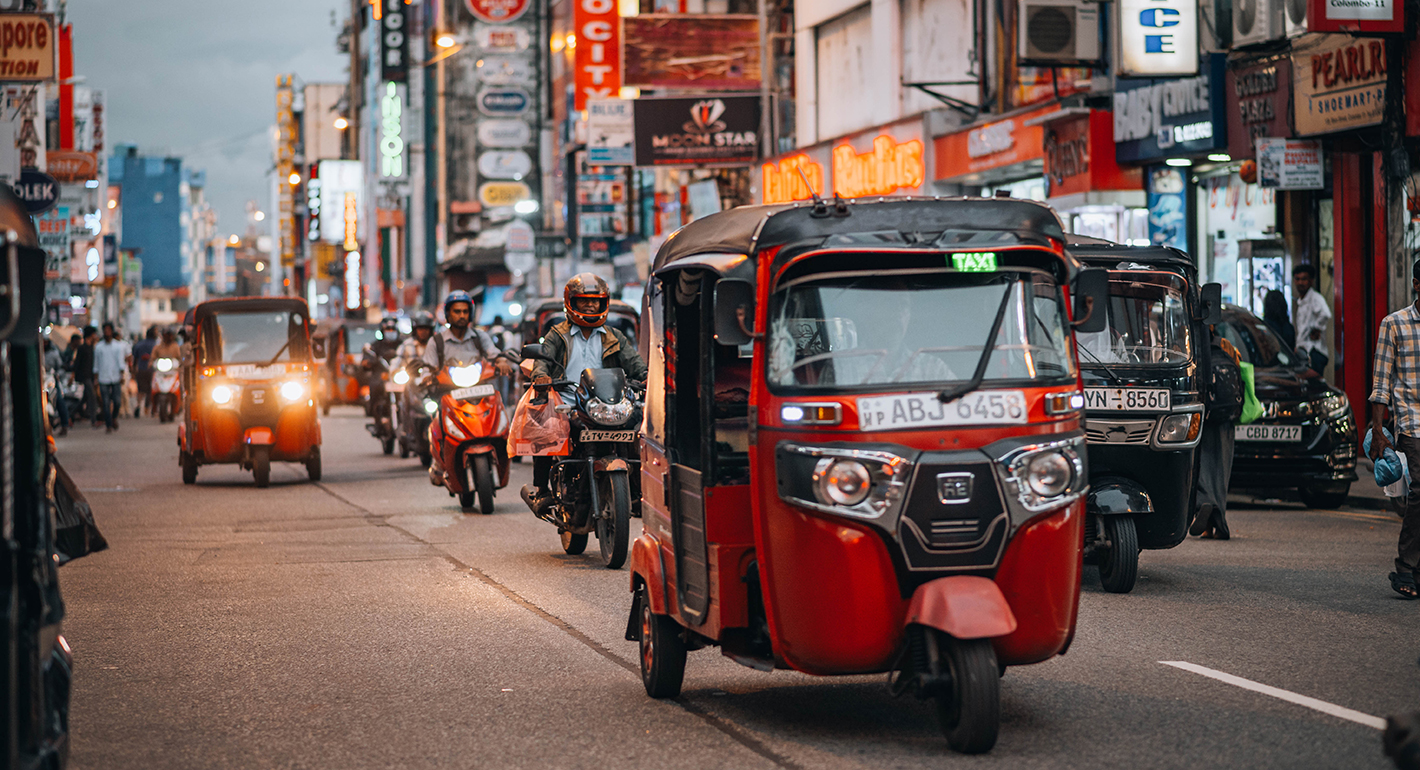
Economic recovery has brought Sri Lanka a modicum of stability, but domestic strains and great-power rivalry could test how long it lasts.
Avinash Paliwal
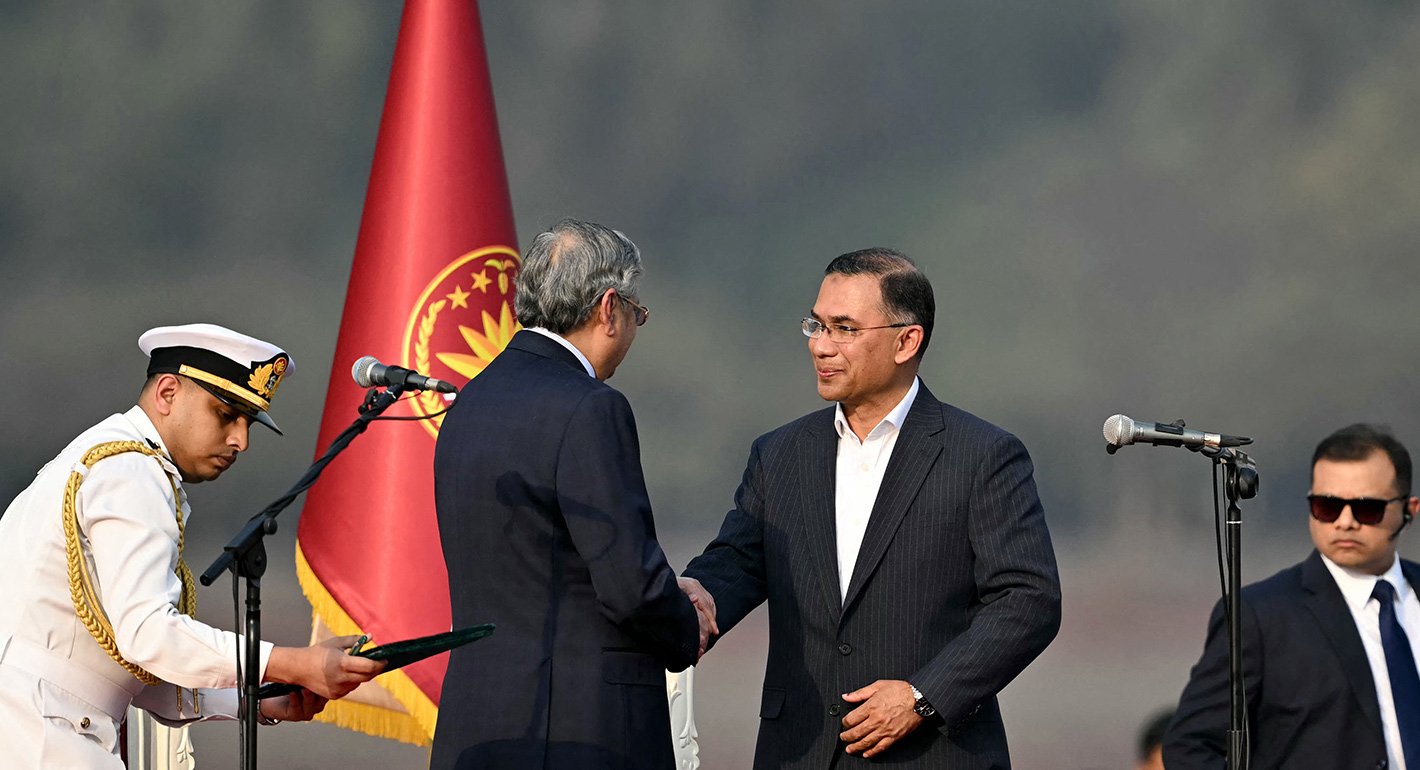
Bangladesh’s February 2026 elections were the most credible in nearly two decades. But within weeks of the BNP’s return to power, the fundamental characteristics of the country’s political economy threaten to pull it back toward continuity rather than change.
Avinash Paliwal
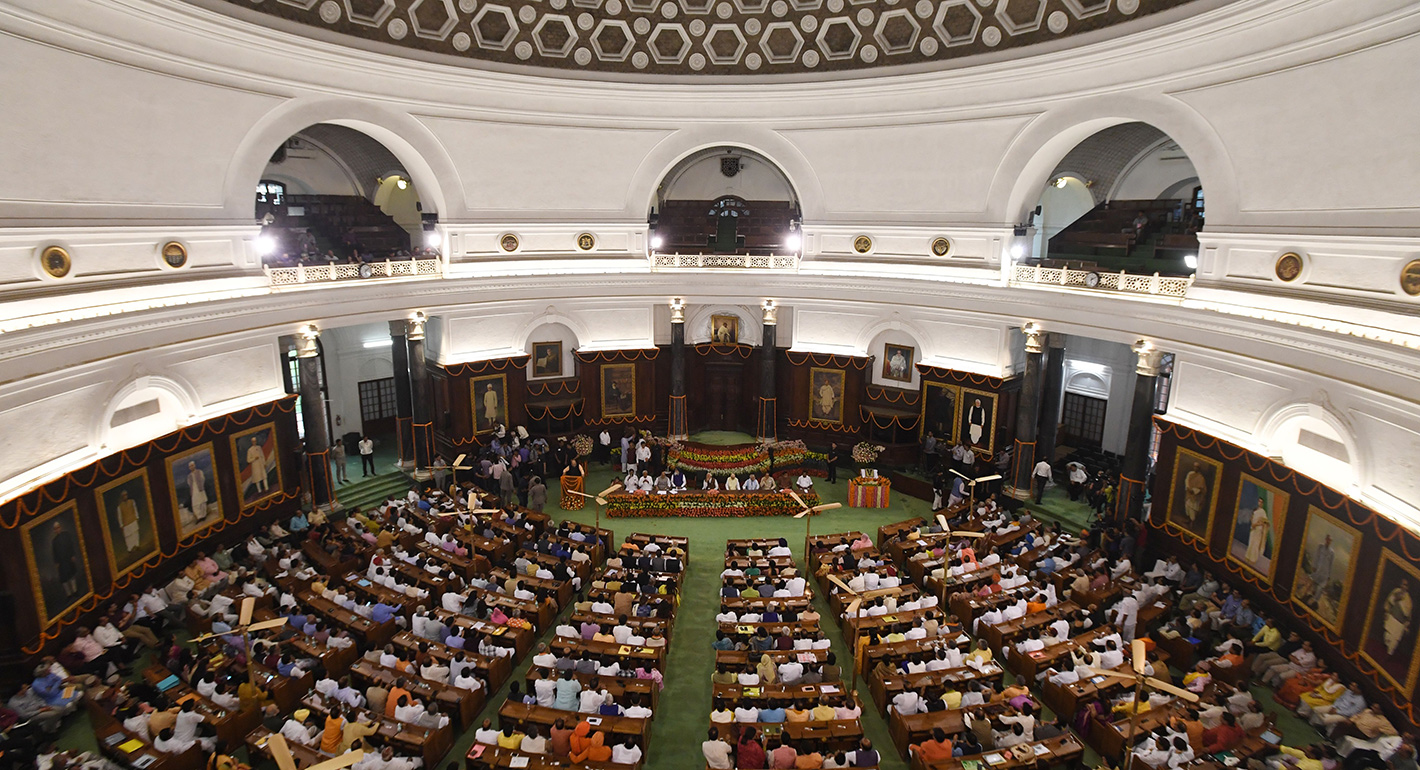
The battle over representation and regional power has been delayed—not resolved—and will shape the future of India’s federal balance.


Louise Tillin, Milan Vaishnav, Andy Robaina
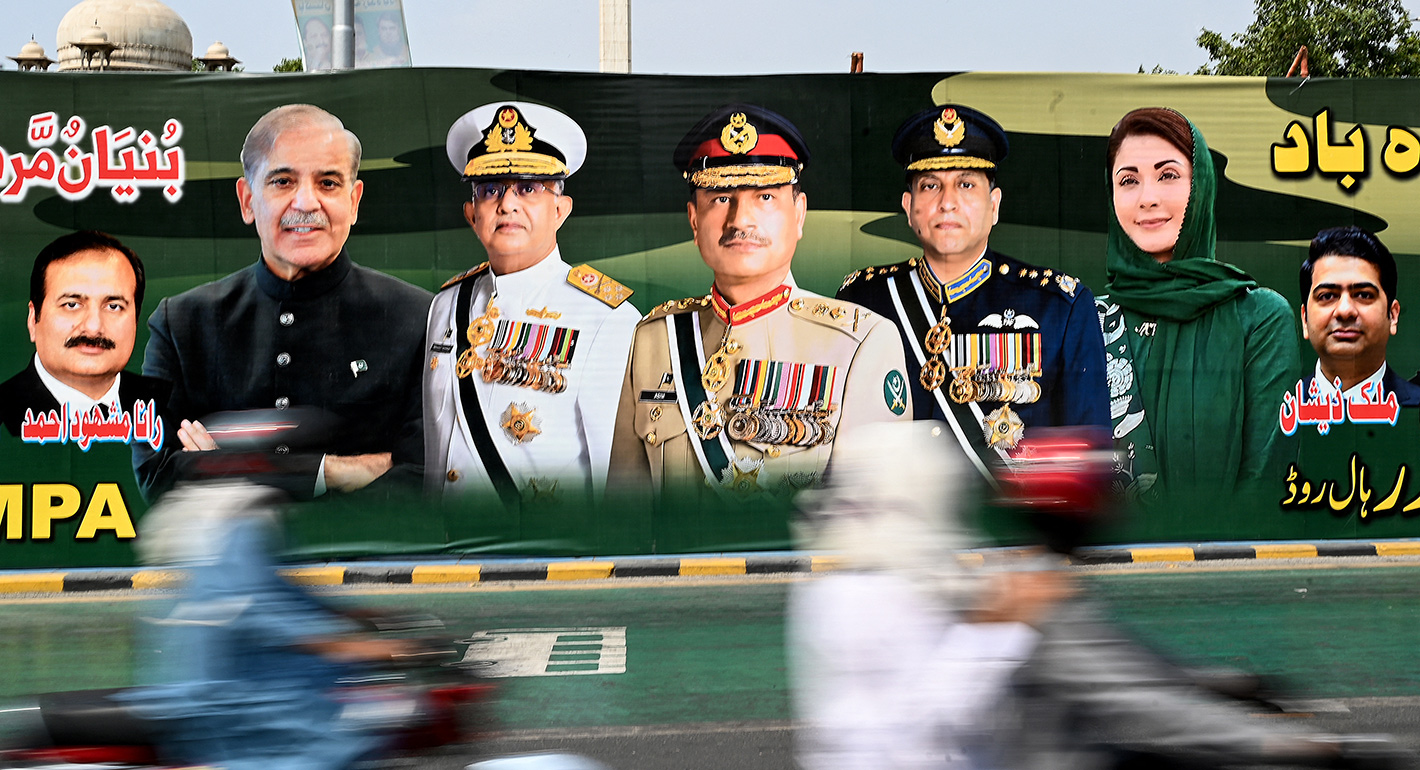
The regime bets that international legitimacy can be translated into domestic stability. But that depends upon whether it can leverage international goodwill to manage grievances and the economy at home.
Zoha Waseem, Yasser Kureshi
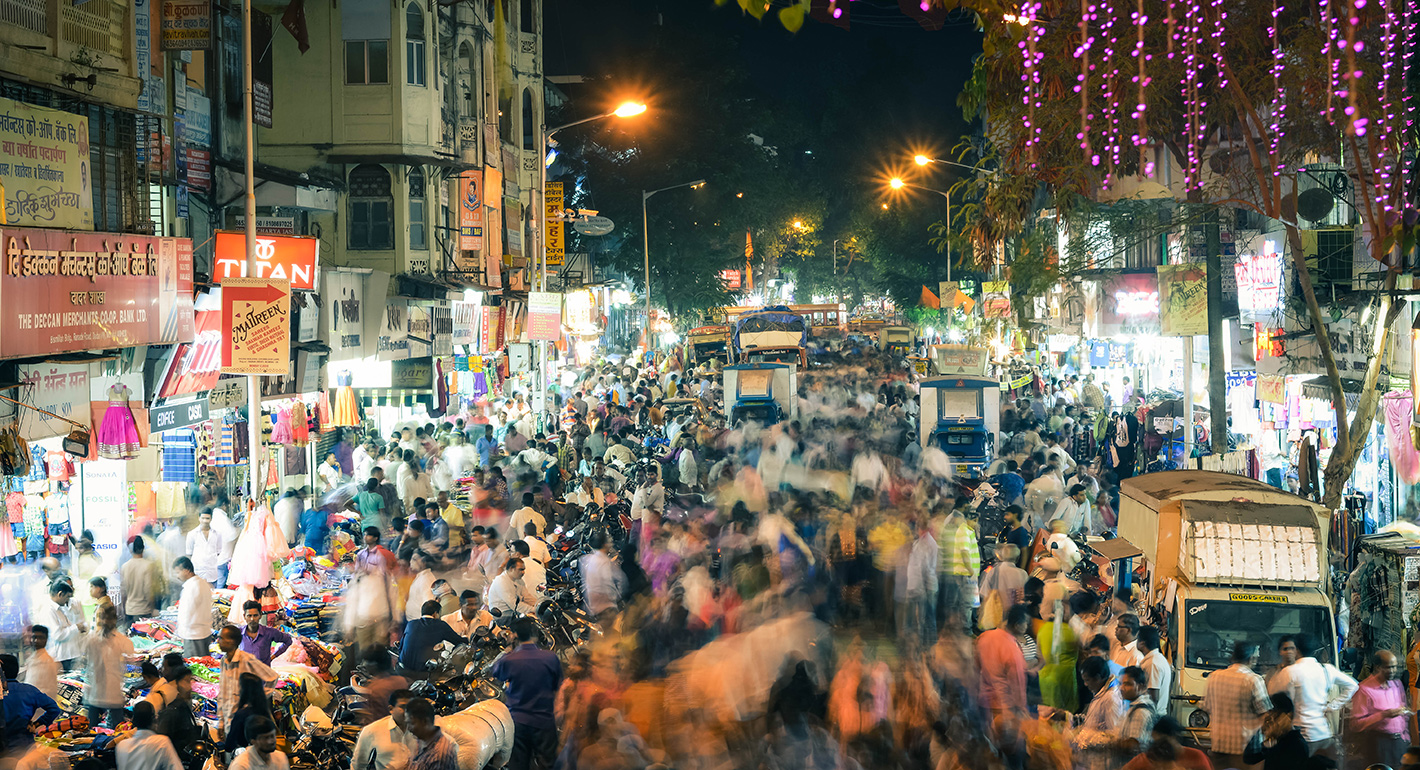
India’s demographic transition is underway, but its economic payoff remains far from guaranteed.
Apoorva Jadhav